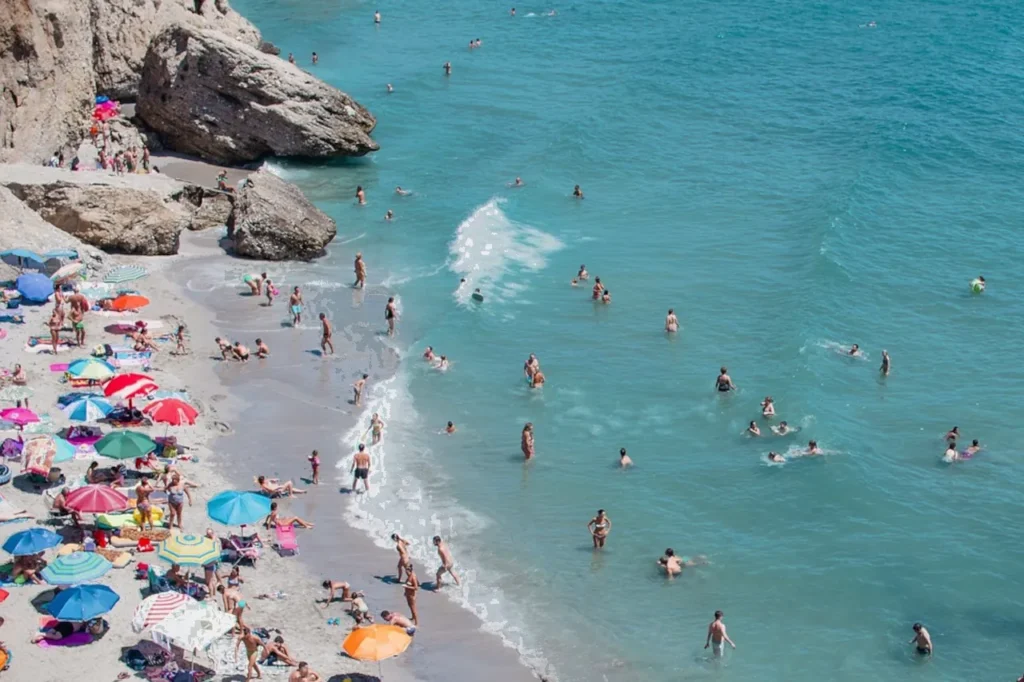
The last few days have been a perfect example of how unpredictable Croatia weather in May can be. After weeks marked by unstable conditions, frequent rain showers, strong winds and sudden temperature changes, Croatia is now experiencing an unusually intense late-May heatwave.
According to Croatian meteorologist Zoran Vakula writing for HRT, several parts of the country have already recorded new temperature records for May.
Although hot days and warm nights are not unusual along the Adriatic during the second half of May, multi-day periods of heat like this remain relatively rare.
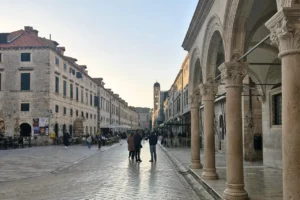
In Dubrovnik, new daily temperature records were recorded on May 22, 23 and 26, while the city also registered a record-high minimum temperature for May 23.
Further north, Rijeka saw new daily temperature records on May 24 and 26, including 31.4°C measured unusually early in the year, according to records dating back to 1948.
Some of the most extreme temperatures were recorded on Croatia’s islands and northern Adriatic coast. In Omišalj Airport, meteorologists measured 32.1°C, the highest May temperature ever recorded at that station since measurements began in 1970. On Rab, temperatures reached 33°C, also a record for May at that location.
At the same time, Croatian meteorologists are warning that the weather could once again turn unstable very quickly. The Croatian Meteorological and Hydrological Service (DHMZ) has issued warnings for possible severe thunderstorms, heavy rain, strong wind gusts and hail, especially in continental parts of the country.
For foreign visitors, this is often one of the biggest surprises about Croatia in late spring. A single week in May can easily include beach weather, summer temperatures above 30°C, strong bura winds, thunderstorms and heavy rain.
That unpredictability is especially noticeable along the coast and islands, where local weather conditions can change rapidly depending on wind, humidity and incoming storm systems from the Adriatic or inland Balkans.
For travellers visiting Croatia in May or early June, locals usually recommend packing for several seasons at once: swimwear for hot afternoons, but also light jackets and layers for sudden evening temperature drops or storms.
Despite the occasional instability, many Croatians still consider May one of the best times to visit the coast. The sea is beginning to warm up, crowds remain smaller than in peak summer and nature is at its greenest after spring rainfall. The only thing visitors should not expect is completely predictable Mediterranean weather.