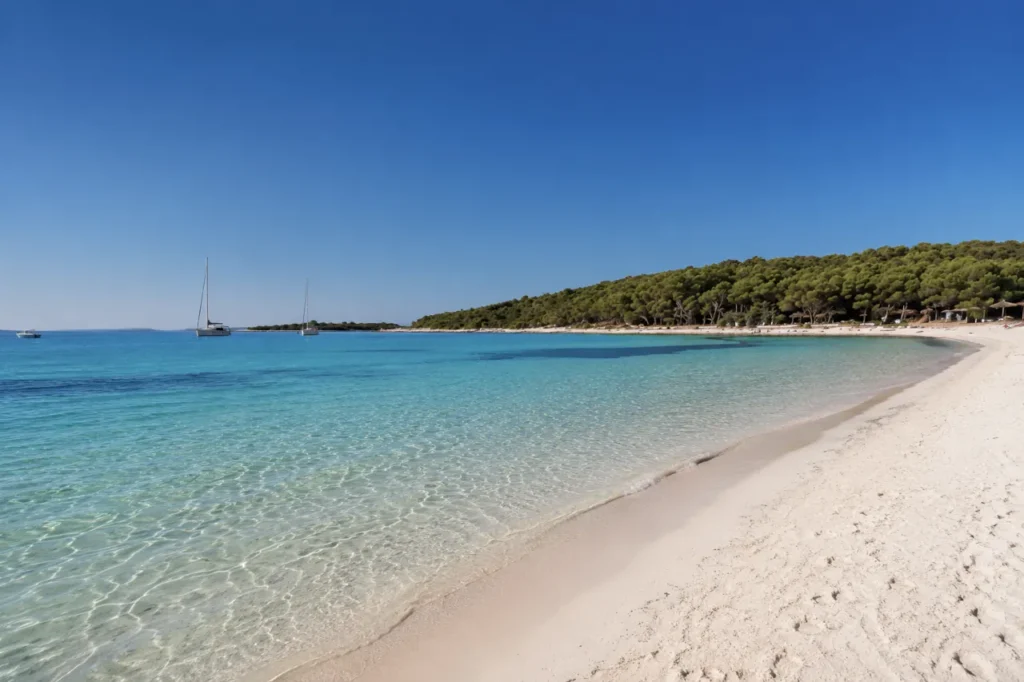
Sakarun Beach on Croatian island of Dugi Otok has long been promoted as one of the most beautiful beaches on the Croatian coast. But local experts now warn that growing tourist pressure and climate change are slowly beginning to change the beach itself.
As part of the international Mediterranean climate project Nature for Climate Change, Croatian researchers and local authorities are working on the protection of one of Croatia’s most famous beaches by introducing new measures aimed at reducing erosion caused by rising sea levels, extreme weather and years of heavy tourism pressure.
One of the biggest proposed changes involves the way local authorities manage Posidonia, a Mediterranean sea plant that regularly washes onto the shore. For years, Posidonia deposits were regularly removed from many Adriatic beaches to make the coastline appear cleaner for visitors. However, experts now say those natural layers play an important role in protecting beaches from erosion and wave damage.
New wooden walkways are also planned in an attempt to reduce damage caused by large visitor numbers during the summer season.
Researchers involved in the Interreg Mediterranean project Nature for Climate Change say beaches such as Sakarun can no longer be viewed simply as “tropical postcard beaches”, but as fragile natural areas that will increasingly require protection as climate conditions across the Adriatic continue to change.
According to HRT, the wider project also focuses on helping Mediterranean coastal destinations adapt to rising temperatures, flooding and long-term environmental pressure linked to climate change and tourism.