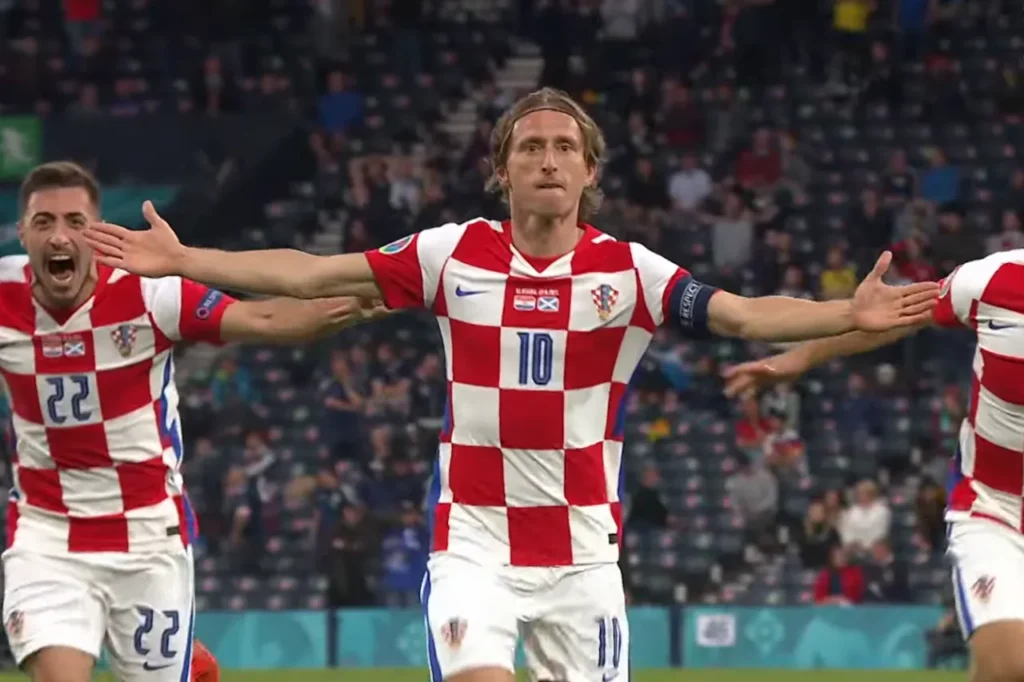
Featured image: Screenshot / UEFA.tv
The 2026 FIFA World Cup will be the biggest tournament in football history. For the first time, the competition will be hosted across three countries, the United States, Canada and Mexico, while the number of participating national teams will expand from 32 to 48.
The tournament begins on June 11, while the final will be played on July 19 at MetLife Stadium in New Jersey.
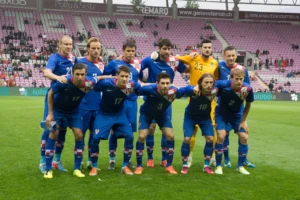
Among the national teams once again attracting major international attention is Croatia national football team, better known to fans as the “Vatreni”.
After reaching the 2018 World Cup final in Russia and finishing third at the 2022 tournament in Qatar, Croatia has established itself as one of the most respected smaller football nations in the world. Despite having a population of under four million people, Croatia continues competing against much larger football powers and regularly produces players performing at some of Europe’s biggest clubs.
As World Cup 2026 approaches, expectations around the Croatian national team remain extremely high both inside the country and among international football audiences.
Croatia Is No Longer Seen as an Underdog
For years, simply qualifying for major tournaments was considered a success for Croatia. Today, expectations are completely different.
After two historic World Cup campaigns, many fans believe Croatia is still capable of another deep tournament run, even as the national team slowly enters a period of generational transition.
Many football analysts continue pointing to Croatia’s mentality, tactical discipline and tournament experience as some of the main reasons the team consistently performs above expectations on the international stage. Croatia has also developed a reputation as one of the national teams that stronger opponents prefer avoiding in knockout rounds.
With qualification campaigns and preparations for the 2026 World Cup continuing, Croatia once again finds itself under pressure to prove that its recent success was not just a golden generation moment, but part of a longer football identity the country has built over the last decade.
Zlatko Dalić Continues Leading Croatia
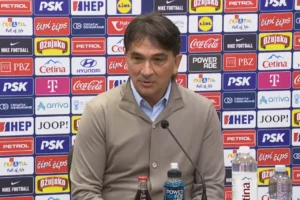
The national team continues to be led by Zlatko Dalić, the most successful coach in Croatian football history.
Under Dalić, Croatia reached the 2018 World Cup final and secured third place in Qatar four years later, achievements that transformed the Vatreni into one of the most recognised international teams of recent tournaments.
Dalić is now attempting to balance experienced veterans with a younger generation expected to carry Croatian football into the post-Modrić era.
He recently announced Croatia’s preliminary squad for World Cup 2026 preparations, combining several experienced players with a new generation expected to play a bigger role in the coming years.
Luka Modrić Still Remains the Central Figure
Even ahead of World Cup 2026, much of the attention surrounding Croatia remains focused on captain Luka Modrić.
Despite entering the later years of his career, Modrić continues attracting enormous respect across the football world and remains one of the central figures of Croatian football identity.
Alongside Modrić, the backbone of the national team still includes players such as Joško Gvardiol, Mateo Kovačić, Ivan Perišić and Andrej Kramarić, while younger players are gradually taking on more responsibility within the squad.
Particularly high expectations continue surrounding Gvardiol, who many analysts already consider one of the best young defenders in world football.
At the same time, many Croatian fans are aware that World Cup 2026 could represent the final major international tournament for several players who defined the country’s most successful football era.
Football in Croatia Is More Than Just Sport
During major tournaments, Croatia almost completely changes atmosphere. City squares fill with fans in red-and-white jerseys, cafés stay open late during matches and entire towns gather to watch the national team play together.
International competitions regularly create some of the biggest public gatherings in Croatia outside of the summer tourist season. For many fans, following the national team has become closely connected to national identity, collective memories and some of the country’s most emotional modern sporting moments.
Croatia’s football success has also played an important role in the country’s international image over the last decade. Major tournament runs introduced Croatia to millions of people around the world who previously knew little about the country beyond its coastline and tourism.
Ahead of major competitions, interest traditionally grows around fan songs and the wider atmosphere surrounding the national team. The Croatian Football Federation recently presented the new official supporters’ anthem “Najbolja kad je najteže”, which quickly gained popularity among fans ahead of upcoming tournaments.
Many expect Croatian cities once again to be filled with flags, organised public screenings and large gatherings throughout World Cup 2026, similar to the atmosphere seen during previous tournaments.
Can Croatia Produce Another Historic World Cup Run?
Whether Croatia can once again reach the final stages of a major tournament remains uncertain.
However, one thing is clear: very few countries of Croatia’s size continue carrying such consistent expectations on football’s biggest stage.
After years of success, the Vatreni are no longer viewed as outsiders capable of occasional surprises. Croatia now enters major tournaments as a national team the football world expects to compete seriously once again.