Featured image: Fanny Schertzer/Wikimedia (CC BY-SA 3.0)
Croatia has a population of fewer than four million people. Yet over the past few decades, it has achieved what many much larger football nations can only dream of.
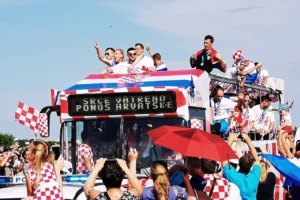
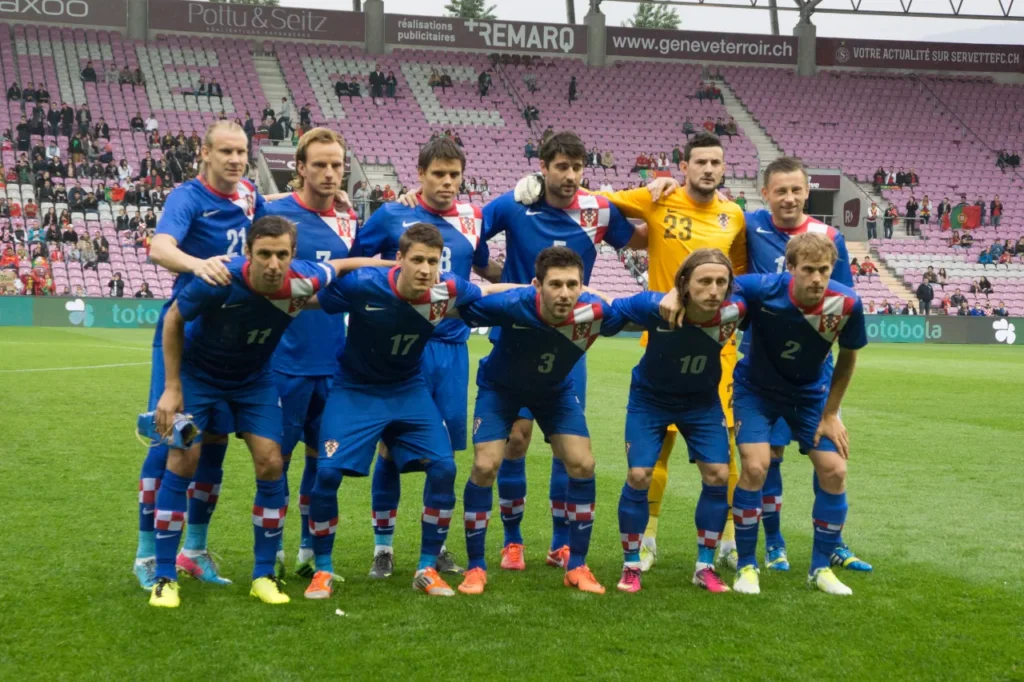
At Croatia’s first FIFA World Cup appearance as an independent nation in 1998, the Vatreni defeated some of the world’s biggest football powers to secure third place and a bronze medal. It was an early sign to the global football audience that Croatia was not just another small transit country in the Balkans.
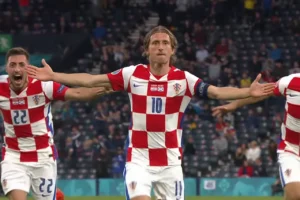
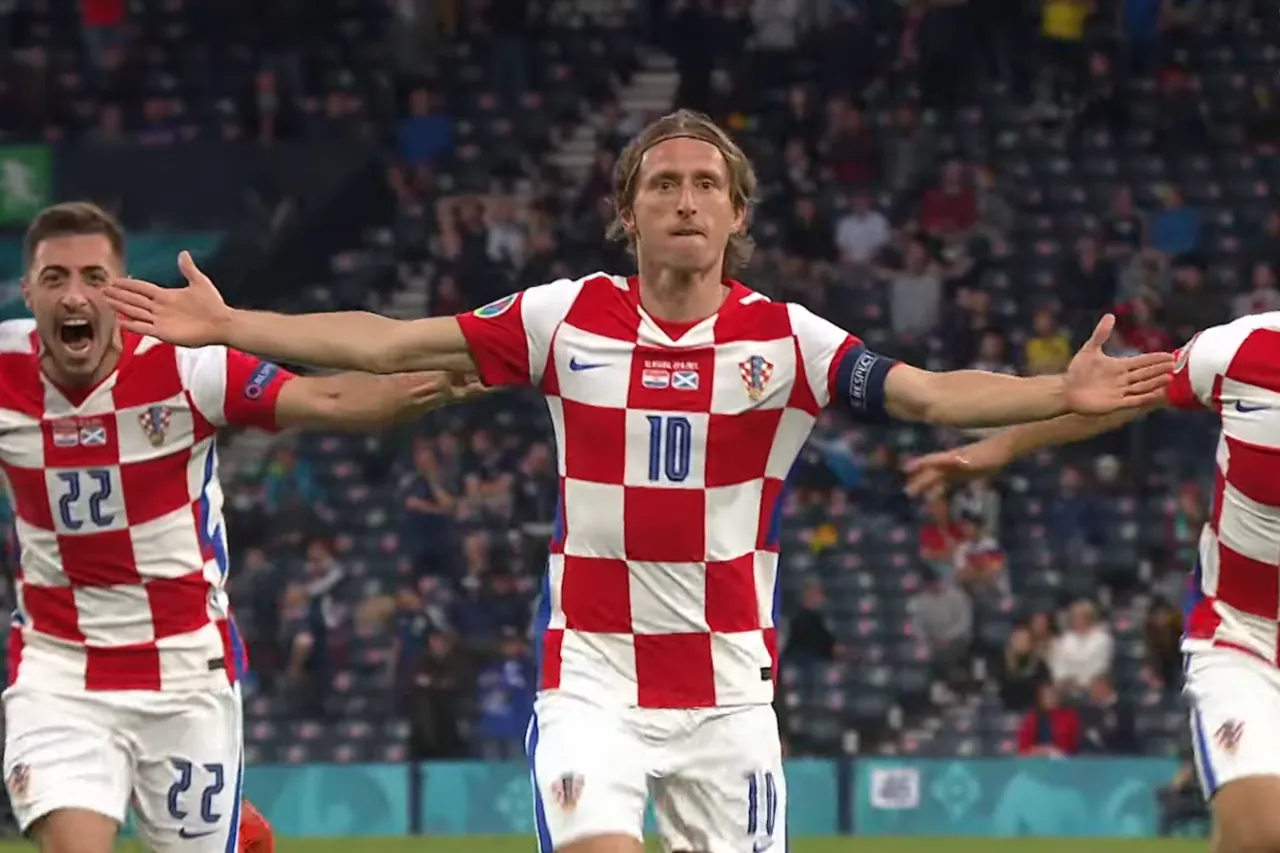
The success continued. Croatia reached the final of the 2018 FIFA World Cup, finishing as runners-up, before winning another bronze medal in 2022. Luka Modrić stood out with his extraordinary talent, earning the Ballon d’Or in 2018, while generations of Croatian footballers have gone on to play for Europe’s biggest clubs.
So how is it possible that such a small country continues to produce world-class footballers?
The honest answer is that nobody really knows. But that has never stopped people from trying to understand it.
Some point to mentality, others to role models, football culture or the way children grow up playing the game. Perhaps the truth lies somewhere in between.
A country where football is played everywhere
In Croatia, football is not just a sport people watch at weekends. It is part of everyday life.
Children play on school playgrounds, asphalt streets, small neighbourhood pitches and village fields. Goalposts are often improvised using stones, backpacks or pieces of clothing.
Many Croatian internationals grew up exactly like this. Long before the big stadiums and million-euro contracts, they played wherever they could, with whatever they had.
Perhaps it is this spontaneity that develops creativity, resourcefulness and an instinct for the game that cannot be taught in a football academy.
In Croatia, talent is hard to hide
In larger countries, it is easy to get lost in the system.
In Croatia, the football community is relatively small and closely connected. Talented players often attract the attention of local coaches, clubs and scouts from an early age.
Of course, this does not mean the system is perfect. Croatian football has faced criticism and numerous challenges over the years.
Still, there seems to be enough connection within the system for the very best talents to eventually find their way.
The 1998 generation changed everything
Many believe that the bronze medal won at the World Cup in France was the defining moment in Croatian football.
Davor Šuker, Zvonimir Boban, Robert Prosinečki and their teammates became national heroes. The Vatreni were admired by generations of young fans, who grew up watching their success and dreaming of one day wearing the same shirt.
It is difficult to measure how much role models influence future generations, but almost every successful football nation has moments that inspire children to believe that such a path is possible for them too.
Is there something in the Croatian mentality?
This is perhaps the explanation most often offered by foreign commentators.
People speak of the Croatian mentality as something defined by stubbornness, remarkable resilience and perseverance. There may well be some truth in that. Growing up in Croatia, where people often have to fight for themselves and seize opportunities when they arise, undoubtedly shapes character. But isn’t that also true of many other countries?
The Vatreni have repeatedly shown determination and fighting spirit, or, perhaps more fittingly, the fiery passion that gave them their nickname. At the same time, they have displayed extraordinary composure in moments when many had already written them off.
Mentality may partly explain the resilience Croatia continues to demonstrate from one tournament to another, but it still does not explain the sheer amount of talent that emerges from such a small country.
Perhaps there is no secret
Perhaps this is where the most honest answer lies.
Portugal has a population of around ten million people. Uruguay has roughly three and a half million. Croatia has just 3.8 million.
Yet all of these countries have achieved results that far exceed what their size might suggest.
There is no single formula that explains success. There is no magic recipe.
Some will look for answers in mentality, others in culture and role models. But no single theory is sufficient to explain the Croatian sporting phenomenon.
It’s not just football
For decades, Croatia has been producing world-class athletes across a wide range of sports, from silver and bronze medal-winning footballers and handball players to Olympic champions, tennis stars, basketball players and skiers.
So why is that? Why does Croatia continue to produce elite athletes?
Researchers and academics have attempted to answer this question, pointing to everything from mentality and national identity to cultural influences and shared role models. The only thing that seems certain is that Croatia’s success cannot be explained by a strategically developed sports system or exceptionally well-developed infrastructure. Many would argue that Croatian athletes succeed despite the system, rather than because of it.
The truth is that nobody has a definitive answer. And perhaps that is exactly what makes the story so fascinating.
If you’re following the national team during a tournament, our guide Let’s Go Croatia in Croatian: Football Phrases Every Vatreni Fan Should Know explains some of the most common chants and expressions used by Croatian fans.