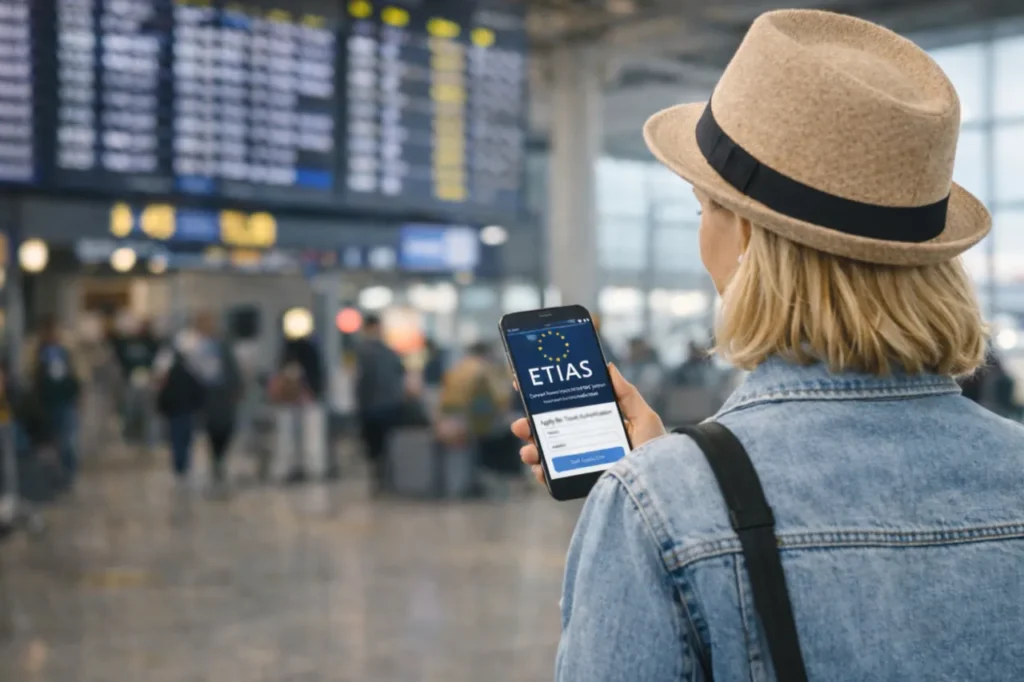
If you are planning a trip to Croatia in 2026, you may have already heard about new ETIAS travel rules for Europe that will apply to travellers visiting the Schengen Area.
The good news is that ETIAS is not a visa and it does not change who can visit Europe. It is simply a short online travel authorisation that travellers from visa-free countries such as the United States, Canada, the United Kingdom and Australia will complete before visiting Croatia and other European destinations.
The system is not yet in operation and is expected to begin operating in the last quarter of 2026.
If you are unsure whether you currently need a visa to enter Croatia, see our detailed guide Do You Need a Visa for Croatia in 2026? Rules for Tourists, Digital Nomads and Long Stays.
ETIAS travel rules at a glance
| Who it applies to | ETIAS applies to travellers from countries that do not require a visa to visit Europe. |
| Reason for travel | Short visits such as tourism, business trips, medical visits or transit. |
| How long you can stay | Up to 90 days within any 180-day period. |
| Passport | A valid machine-readable passport valid for the duration of your trip. |
What is ETIAS
ETIAS is a new travel authorisation system that visa-free travellers will need before visiting Europe.
It is important not to confuse it with the EES system, which is already in use at European borders. For a clear explanation of how EES works in practice, see our guide on EES Europe: what the new system means at borders and airports in 2026.
ETIAS stands for European Travel Information and Authorisation System. It is a pre-travel authorisation that allows European authorities to check travellers before they arrive.
It applies to travellers entering the Schengen Area, which includes 29 European countries that share the same entry rules, as well as Cyprus.
Who will need ETIAS to travel to Croatia and Europe
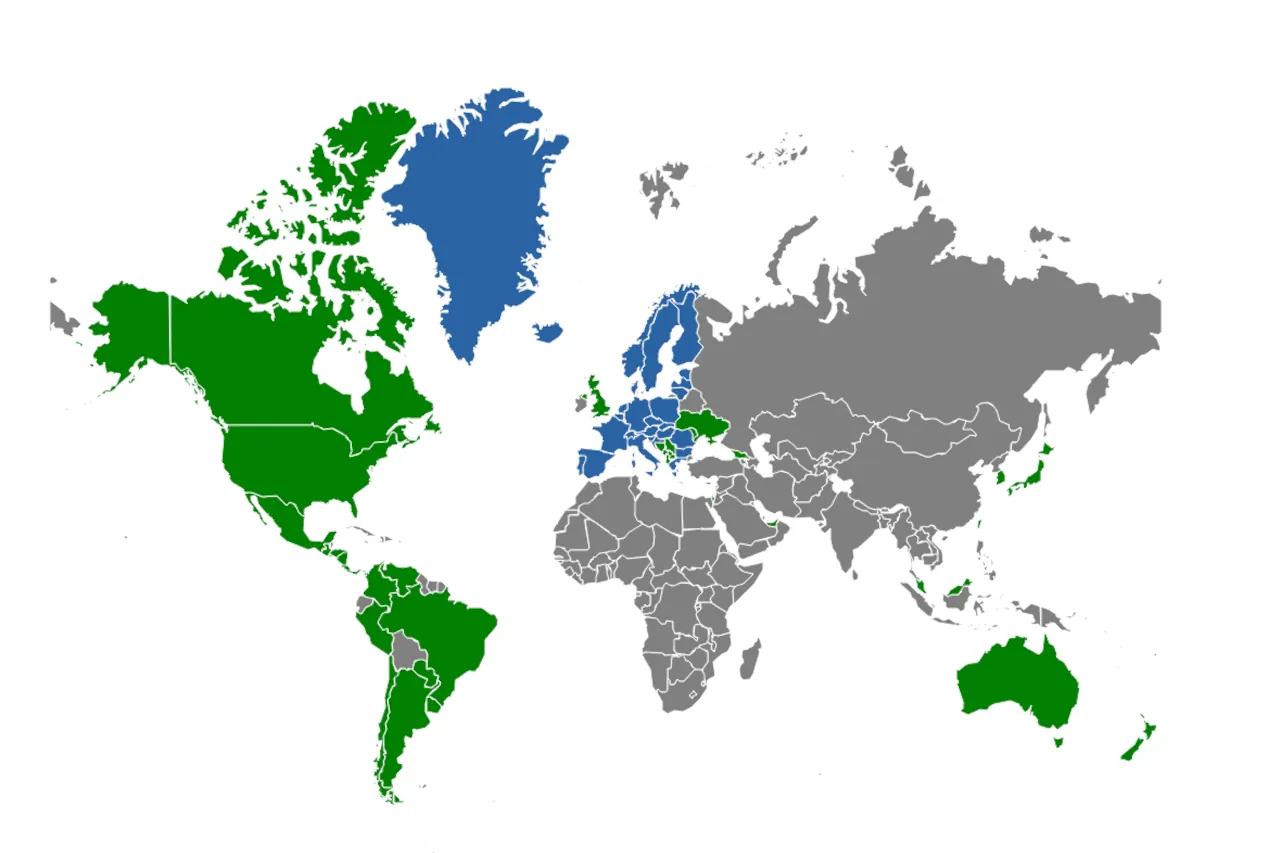
ETIAS will apply to travellers from countries that currently do not need a visa to visit the Schengen Area.
This includes visitors travelling to Croatia and other Schengen countries from countries such as the United States, the United Kingdom, Canada, Australia, New Zealand, Japan and South Korea, as well as many other visa-exempt countries.
A full list of countries whose citizens will need ETIAS to travel to Europe is included at the end of this guide.
Map of countries whose citizens will need ETIAS to travel to Europe
Important note about passports
Most travellers can apply for ETIAS using a biometric passport, which is the standard passport issued today in most countries.
Travellers from countries such as Albania, Bosnia and Herzegovina, Kosovo, Montenegro, North Macedonia and Serbia must have a biometric passport to apply for ETIAS.
If someone from these countries is travelling with an older non-biometric passport, they may need to apply for a visa instead.
How long ETIAS will be valid
Once approved, an ETIAS authorisation will usually be valid for three years or until your passport expires, whichever comes first.
During that time travellers can enter the Schengen Area multiple times, as long as they respect the 90-days-within-180-days rule.
What you need to apply for ETIAS
The application is simple and fully online. In most cases you will need a valid passport, an email address and payment card for the application fee. The form will ask for several types of information, including:
• personal details such as name, date of birth, nationality and home address
• passport details
• information about education and current occupation
• basic details about your planned travel in Europe
• security questions related to criminal convictions, travel to conflict areas and health matters
The application fee is expected to be 20 euros. Earlier information mentioned a fee of 7 euros, so do not be confused if you see that figure online. The updated proposal sets the fee at 20 euros.
How and when to apply for ETIAS
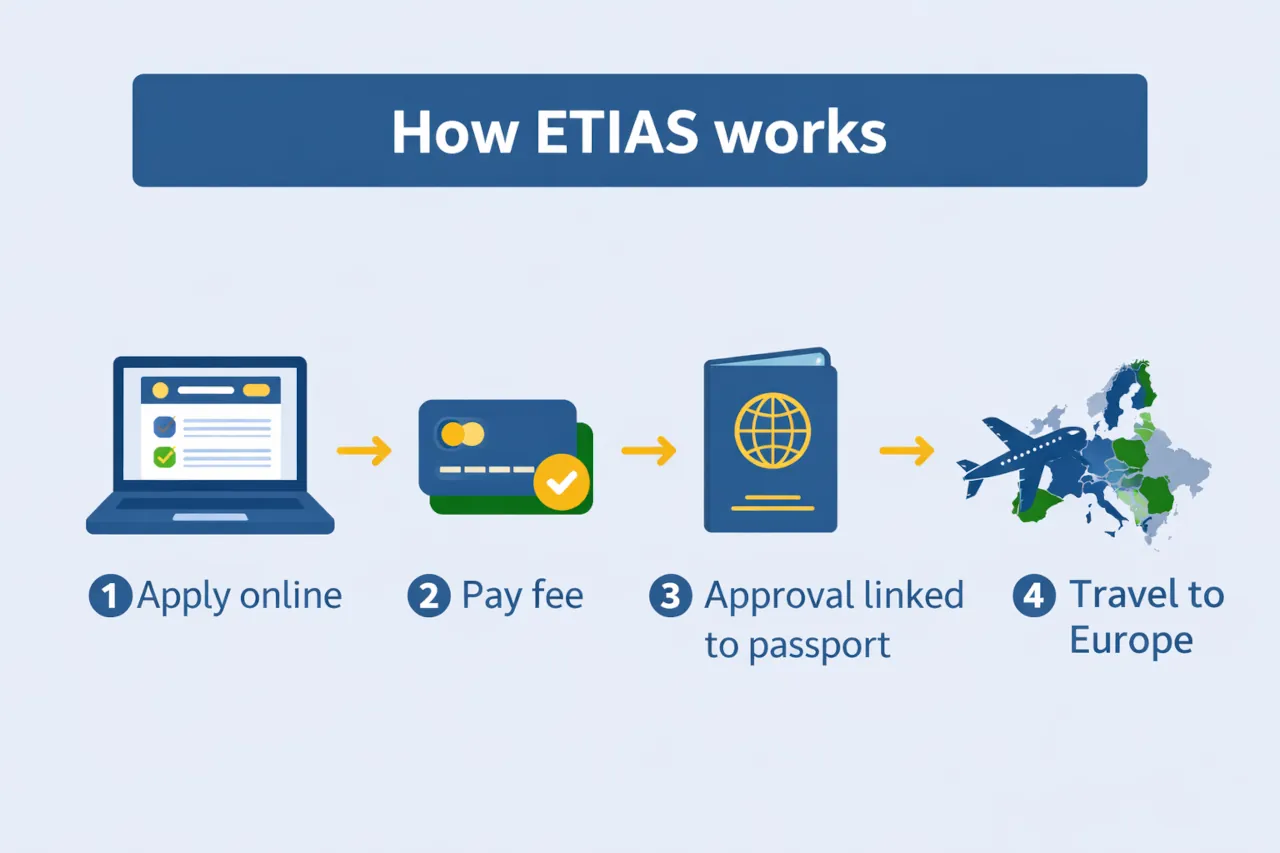
The application is completed online through the official ETIAS website before travelling. Most travellers should receive approval within minutes of submitting the application, although in some cases additional checks may be required.
If additional checks are needed, the process can take longer. According to official information, the process may take from a few days to several weeks, and in rare cases up to a month. For this reason, it is recommended to apply well in advance of your trip.
Travellers who require ETIAS but arrive at the border without an approved authorisation will not be allowed to enter the Schengen Area, even if they meet all other entry requirements.
It is also important to remember that ETIAS approval does not automatically guarantee entry. The final decision is always made by border officials during passport control.
Will ETIAS cause long airport queues
Some travellers worry that ETIAS could create long queues at European airports, but this is unlikely. The authorisation is completed online before travelling, and airlines will verify it before boarding.
Entry into the Schengen Area will still take place at passport control as usual, so ETIAS should not significantly slow down the arrival process.
Will this change travelling to Croatia
For most visitors, ETIAS will not significantly change the travel experience. Croatia is part of the Schengen Area, which means the same entry rules apply as in other European destinations.
Travellers simply need to make sure they have a valid passport, an approved ETIAS authorisation and that their stay does not exceed the 90-day limit.
When these conditions are met, visiting Croatia should remain just as straightforward as before.
Similar systems already exist in other countries
ETIAS is not a completely new idea. Similar travel authorisation systems already exist in countries such as the United States (ESTA), Canada, the United Kingdom, Australia and New Zealand.
Travellers complete a short online application before travelling and receive an approval linked to their passport.
When the new rules start
At the moment, the system is expected to begin operating in autumn 2026.
Until then, travellers from visa-free countries can continue entering Croatia and the Schengen Area under the current rules.
Frequently asked questions about ETIAS
Travellers often have practical questions about the new ETIAS travel rules for Europe, especially about who needs it, how long it is valid and when it will start.
Do you need ETIAS to travel to Croatia in 2026?
No. The ETIAS system has not yet started operating, so travellers from visa-free countries can still enter Croatia under the existing rules.
Do Americans, Canadians or UK travellers need ETIAS to visit Croatia?
Yes. Once the system starts operating, travellers from visa-free countries such as the United States, Canada and the United Kingdom will need an ETIAS authorisation before travelling to Croatia.
How much will ETIAS cost?
The expected fee is 20 euros for most travellers. People under 18 and over 70 will not have to pay the fee, although they will still need to apply.
How long will ETIAS be valid?
An approved authorisation will be valid for up to three years or until the passport expires.
Do you need a new ETIAS for every trip?
No. An approved ETIAS authorisation can be used for multiple trips to the Schengen Area while it remains valid. Travellers can visit 29 European Schengen countries and Cyprus, provided that the stay does not exceed 90 days within any 180-day period.
How quickly is ETIAS approved?
Most ETIAS applications are expected to be approved within minutes. However, if additional checks are required, the process can take longer and in some cases up to 30 days.
What happens if you renew or change your passport?
Your ETIAS authorisation is electronically linked to the passport you used when submitting the application. If your passport expires or you receive a new one, you will need to apply for a new ETIAS authorisation using the new passport details. The process is the same as the first application.
What happens if your ETIAS application is refused?
If an ETIAS application is refused, the traveller will receive an explanation of the decision. In many cases it may be possible to correct the information and apply again.
If the refusal remains in place, the traveller may still apply for a regular visa through the embassy or consulate of the country they plan to visit.
Do you need ETIAS if you are only transiting through Europe?
Yes. If you are travelling through a European airport located in the Schengen Area and you come from a visa-exempt country, you will still need an approved ETIAS authorisation before travelling.
Do children need ETIAS?
Yes. All travellers from visa-exempt countries, including children and infants, must have an ETIAS authorisation. However, travellers under 18 do not have to pay the application fee.
List of countries whose citizens will need ETIAS
The following countries are currently visa-exempt for the Schengen Area and will therefore require ETIAS once the system becomes operational:
Albania, Antigua and Barbuda, Argentina, Australia, Bahamas, Barbados, Bosnia and Herzegovina, Brazil, Brunei, Canada, Chile, Colombia, Costa Rica, Dominica, El Salvador, Georgia, Grenada, Guatemala, Honduras, Hong Kong, Israel, Japan, Kiribati, Macau, North Macedonia, Malaysia, Marshall Islands, Mauritius, Mexico, Micronesia, Montenegro, New Zealand, Nicaragua, Palau, Panama, Paraguay, Peru, Republic of Moldova, Saint Lucia, Saint Vincent and the Grenadines, Samoa, Serbia, Seychelles, Singapore, Solomon Islands, South Korea, Taiwan, Timor-Leste, Tonga, Trinidad and Tobago, Tuvalu, Ukraine, United Arab Emirates, United Kingdom, United States, Uruguay and Venezuela.
If you are planning a trip to Croatia and want to understand practical travel rules, entry requirements and common questions travellers have, see our Croatia Travel FAQ guide.