When you begin planning a trip to Croatia for first time, it’s important to understand a few key basics: where to fly into, where to base yourself, how to move between locations and how much time it realistically takes.
Croatia is a safe and easy country to travel in, but it has its own logistical rules that are worth understanding in advance. This guide provides a foundational overview to help you avoid the most common planning mistakes.
For practical things like language, currency, tap water and everyday travel basics, read our guide Practical Local Travel Tips for Croatia.
JUMP TO SECTION
Is Croatia a safe country to visit?
Where to fly in Croatia (airports explained)
Best places to stay for a first trip
Getting around Croatia: do you need a car?
Best time to visit and weather in Croatia
Day trips vs changing accommodation
How expensive Croatia really is
Where is Croatia located in Europe?
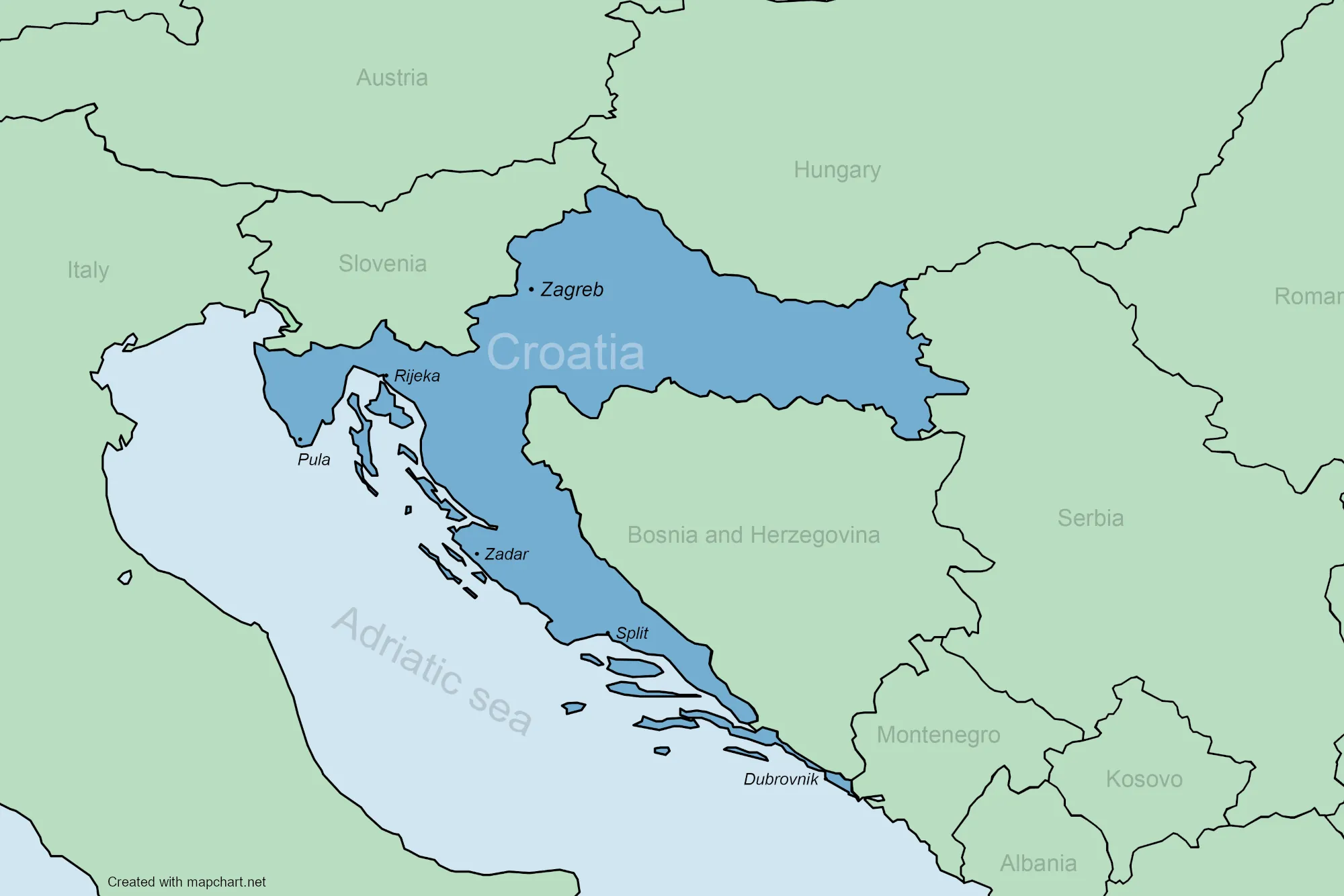
Croatia is located in southeastern Europe, at the crossroads of Central Europe and the Mediterranean. It borders the Adriatic Sea to the west and stretches inland toward continental Europe to the east and north.
Croatia shares borders with Italy across the sea, as well as Slovenia, Hungary, Serbia, Bosnia and Herzegovina and Montenegro. This combination of coastline, islands and inland regions makes travel diverse, but also logistically specific.
Is Croatia a safe country to visit?
Yes. Croatia consistently ranks among the safer countries in Europe, with a very low rate of violent crime. It is considered safe for families, solo travelers and women traveling alone, including evening walks in most cities. According to European crime and safety statistics, Croatia has one of the lower rates of serious crime in tourist regions.
For a more detailed and honest look at safety, see our guide Is Croatia Safe for Tourists? An Honest Look at the Adriatic Coast.
Airports in Croatia: where to fly
Most international arrivals take place through a small number of main airports, each serving different parts of the country.
Zagreb Airport (inland and continental Croatia)
Zagreb Airport is the largest airport in Croatia and offers the most year-round connections. It is located inland and is the most practical choice if you plan to visit cities, national parks or combine Croatia with neighboring countries. It is not an ideal starting point for island travel, but it is workable, as you can reach the coast by car or bus within about four hours, depending on your destination.
Along the coast, the main options are Split, Zadar and Dubrovnik. While there are smaller airports on some islands, the vast majority of international flights arrive at these three cities.
Airports in Dalmatia (Split, Dubrovnik, Zadar)
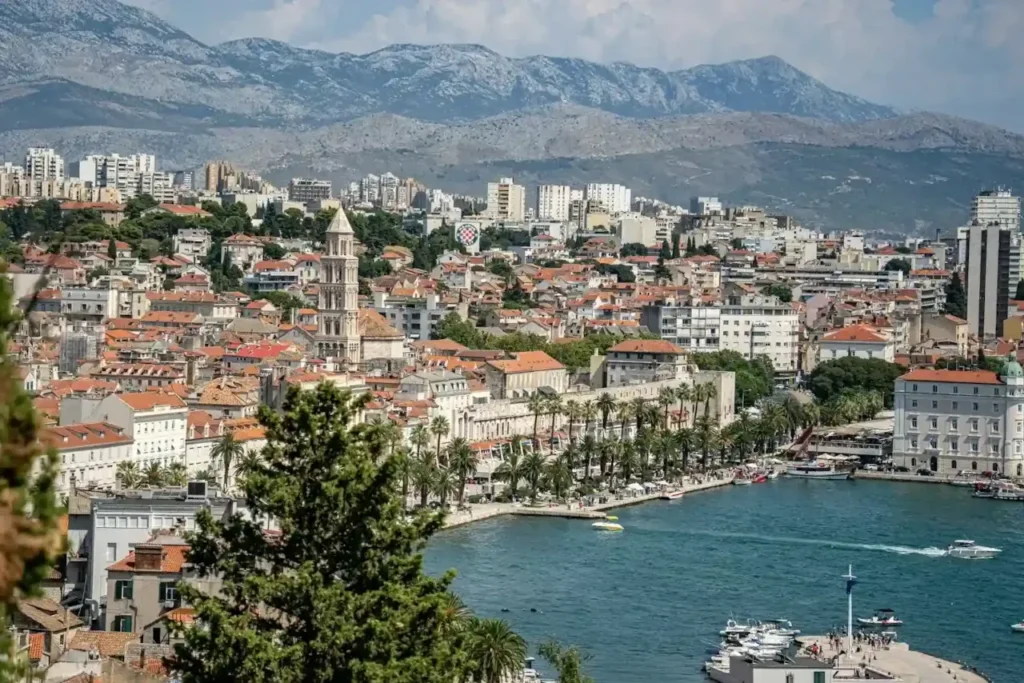
Split Airport handles the highest number of arrivals during the season and is the most important gateway to central Dalmatia and the islands. If your plans include islands or coastal excursions, Split is usually the most practical logistical choice.
If you are arriving in Split, see our guide on how to get from Split Airport to Split centre and the different transport options available.
Dubrovnik Airport serves the far south of the country. It is a good option if you plan to stay exclusively in Dubrovnik and its surroundings. If you intend to explore other parts of Croatia, you should expect to rely on a rental car or very carefully planned public transport.
Zadar Airport is popular due to low-cost carriers and is a good starting point for northern and central Dalmatia, especially outside the peak season.

Airports in Istria and the Kvarner region
Rijeka and Pula airports serve Istria and the Kvarner region and are best suited for shorter, slower-paced trips in the northwest of the country. If your destination is Kvarner, flying into Zagreb can also work well, as the drive from Zagreb to Rijeka via the highway takes around two hours.
When choosing a flight, it is often more important that the airport fits your travel plan than that the ticket is the cheapest option. Any savings can easily be lost to additional transport costs, fuel or wasted time.
Getting from the airport in Croatia
All Croatian airports have frequent and reliable connections between the airport and city centers. Shuttle buses, taxis, Uber and local buses are widely available. Tickets for shuttles or buses can be purchased online in advance, but services run often enough that buying on arrival is usually not a problem.
Taxis and Uber can be booked in advance and in many cases the smartest option is to ask your accommodation host for advice, as locals know which services are the most reliable and reasonably priced.
Best cities to stay during your trip
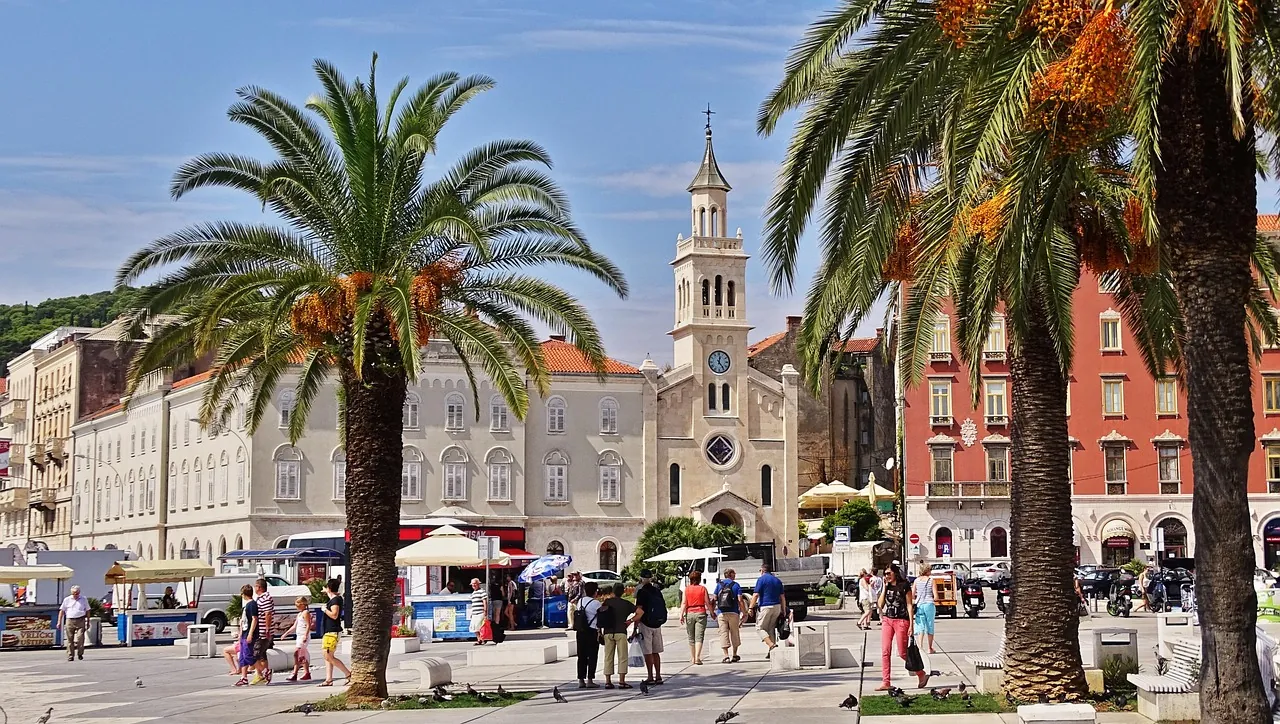
For a first visit, Dalmatia is the most popular region. Cities such as Split, Dubrovnik and Zadar offer a mix of historic towns, natural beaches, proximity to islands and good transport connections. Split stands out as a base thanks to its strong ferry network and solid road connections.
Istria is the second most popular choice, especially for travelers who prefer shorter distances, fewer accommodation changes and a focus on food, wine and smaller towns. Cities such as Rovinj and Poreč work well for a slower pace and day trips.
Zagreb is less commonly chosen as a main base for a first summer trip due to its inland location, but it makes sense for shorter city breaks or trips focused on continental Croatia.
Quieter alternatives to Croatia’s most popular destinations
Travelers looking to avoid the busiest spots often choose smaller coastal towns such as Šibenik, Trogir or places along the Makarska Riviera. These locations offer a slower rhythm and often better value for money, but they usually require a car.
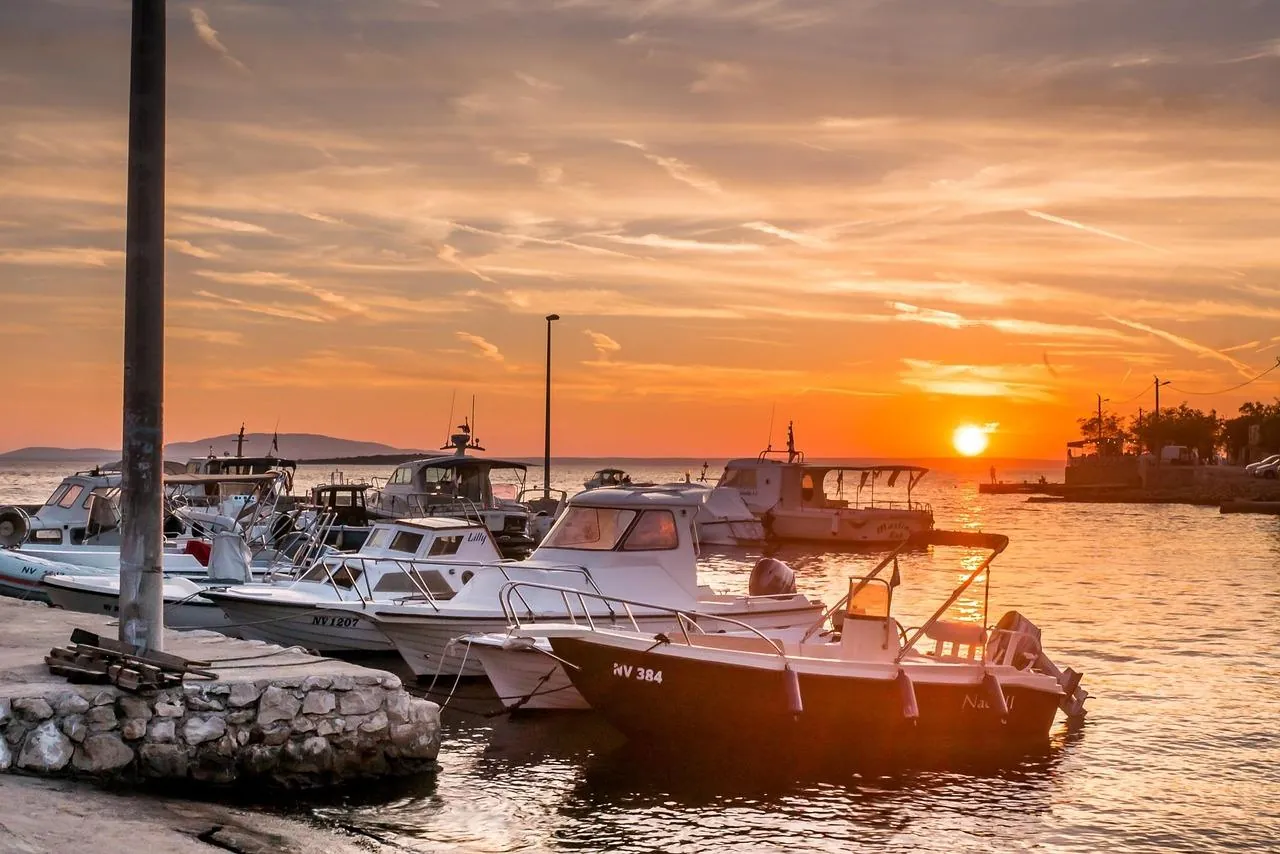
When staying on islands, it is generally smarter for a first trip to choose one well-connected island rather than trying to visit several. Islands close to major ferry ports make logistics significantly easier. For more details, see our guide Which Croatian Island Should You Visit First? A Simple Guide to Making the Right Choice.
How you actually get around Croatia
One of the most common mistakes travelers make is underestimating how long it takes to get around. Croatia may look small on a map, but travel between cities and along the coast often takes hours, especially in summer. Traffic is slower, ferries run on fixed schedules and boarding and disembarking take more time than expected.
A useful mental guideline is: one day equals one main activity or one location change. Anything more quickly becomes exhausting.
Fewer accommodation changes almost always result in a more enjoyable trip. Croatia is not a country where moving every two days pays off. While it is tempting to see everything, spending your vacation time in transit often leads to a shallow experience.
This is where many travelers make planning mistakes that later complicate their entire trip. The most common situations where plans fall apart are explained in our guide Common Mistakes Tourists Make in Croatia (and How to Avoid Them).
Do you need a car in Croatia?
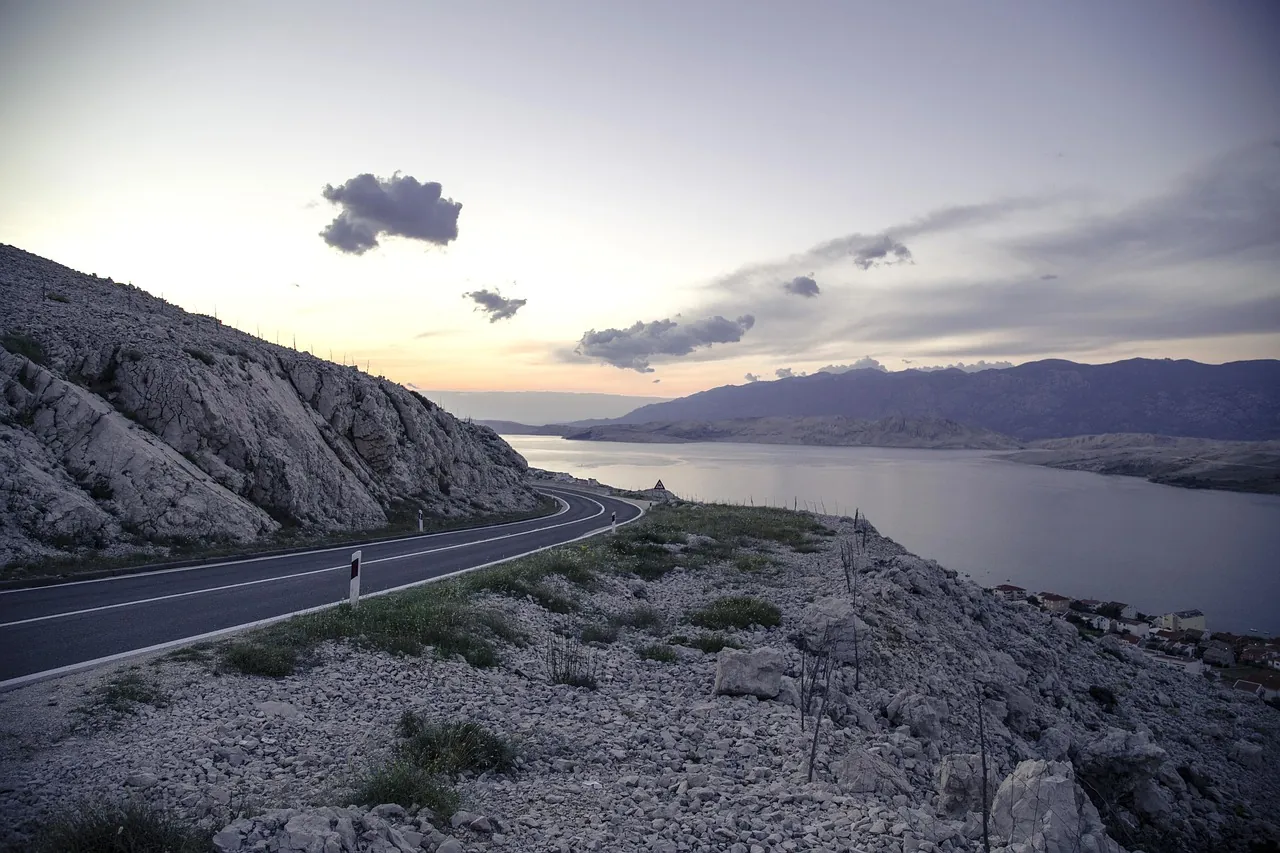
A car is not always necessary. Historic city centers and most islands function better without one due to narrow streets, congestion and limited parking. On the other hand, inland areas, smaller coastal towns and less connected regions are much easier to explore by car.
In many cases, the most practical solution is to rent a car for only part of the trip.
If you are unsure whether you need a car, our guide Travelling Without a Car in Croatia: What Actually Works and What Doesn’t explains when public transport works smoothly and when a car genuinely saves time and stress.
Accommodation in Croatia: what to expect
Hotels and hostels are mostly concentrated in larger cities and resort areas, while private apartments dominate much of the coast and the islands. Most visitors choose private accommodation because it offers more flexibility and a more local experience.
Private accommodation in Croatia is regulated and inspected, so if you book through legitimate channels, you can expect a clean and adequate space. Staying outside historic centers often provides more peace and significantly better value for money.
On islands, it is practical to choose accommodation either close to the beach or near the ferry port, depending on whether daily convenience or easy arrival and departure matter more to you.
When is the best time to visit Croatia?
July and August are considered peak season. They bring the largest crowds, highest prices and full availability of services. Outside the main season, especially in May and from late September to early October, travel is more comfortable, but transport and services operate at a reduced level.
Traveling outside peak season works best when you focus on a smaller number of locations. If you travel during peak season, booking in advance is not optional, it is essential. For details on maritime transport, see Croatian Ferry System Explained: Cars, Catamarans, Tickets and Boarding.
What weather to expect in Croatia
Croatia has clear seasonal differences. June brings warm and stable weather, July and August are very hot, often exceeding 35°C, while September offers milder days and warm sea temperatures. Spring and autumn are pleasant for sightseeing but more changeable, while winter brings more rain along the coast and colder temperatures inland.
Day trips or frequent accommodation changes?
Many popular destinations work better as day trips rather than overnight stays. Frequent accommodation changes rarely improve the experience and almost always increase stress. A stable base with a few carefully chosen day trips is usually the smarter approach.
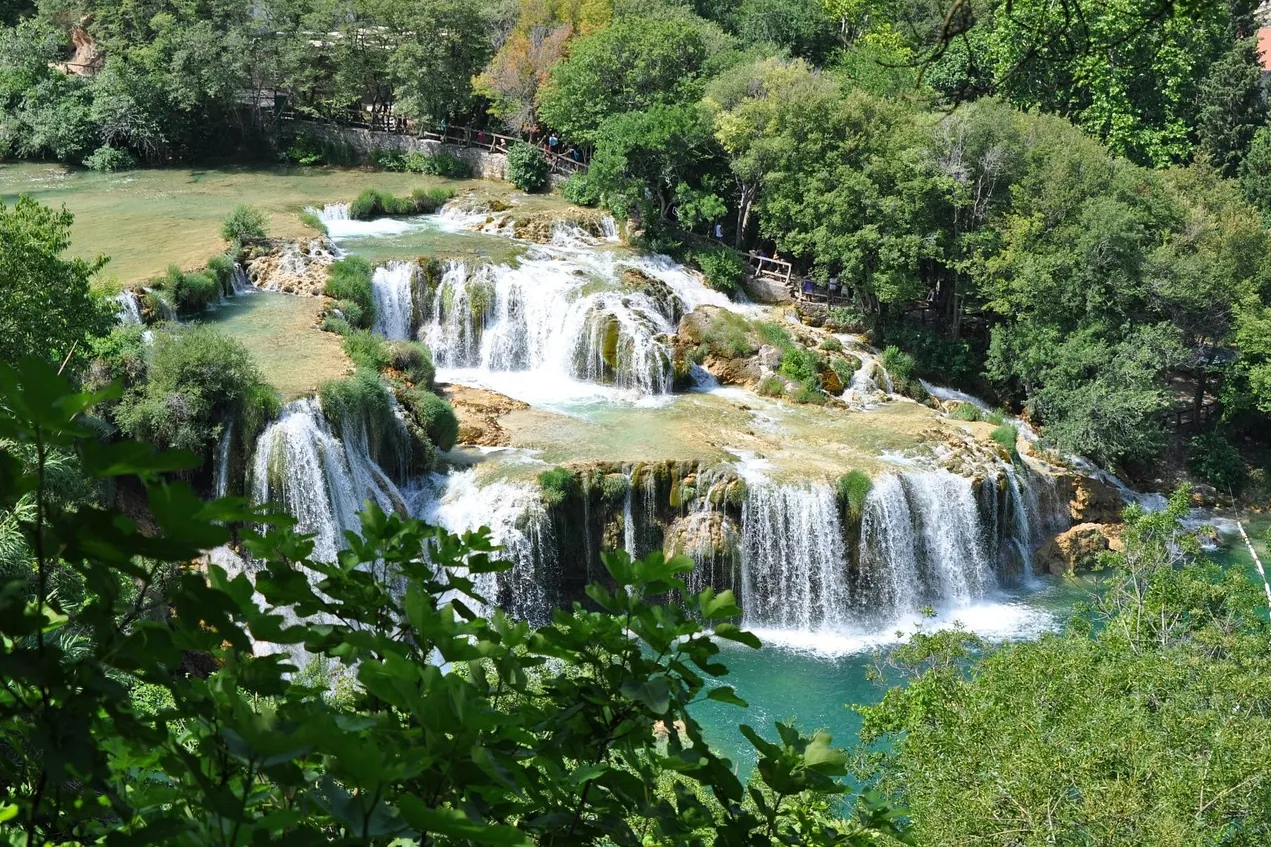
If you stay in Split, islands such as Hvar, Brač and Šolta are easily accessible. Vis is farther away, but Split is still the best starting point. The proximity of historic towns such as Solin, Trogir and Šibenik, as well as Krka National Park, makes Split the strongest base for central Dalmatia.
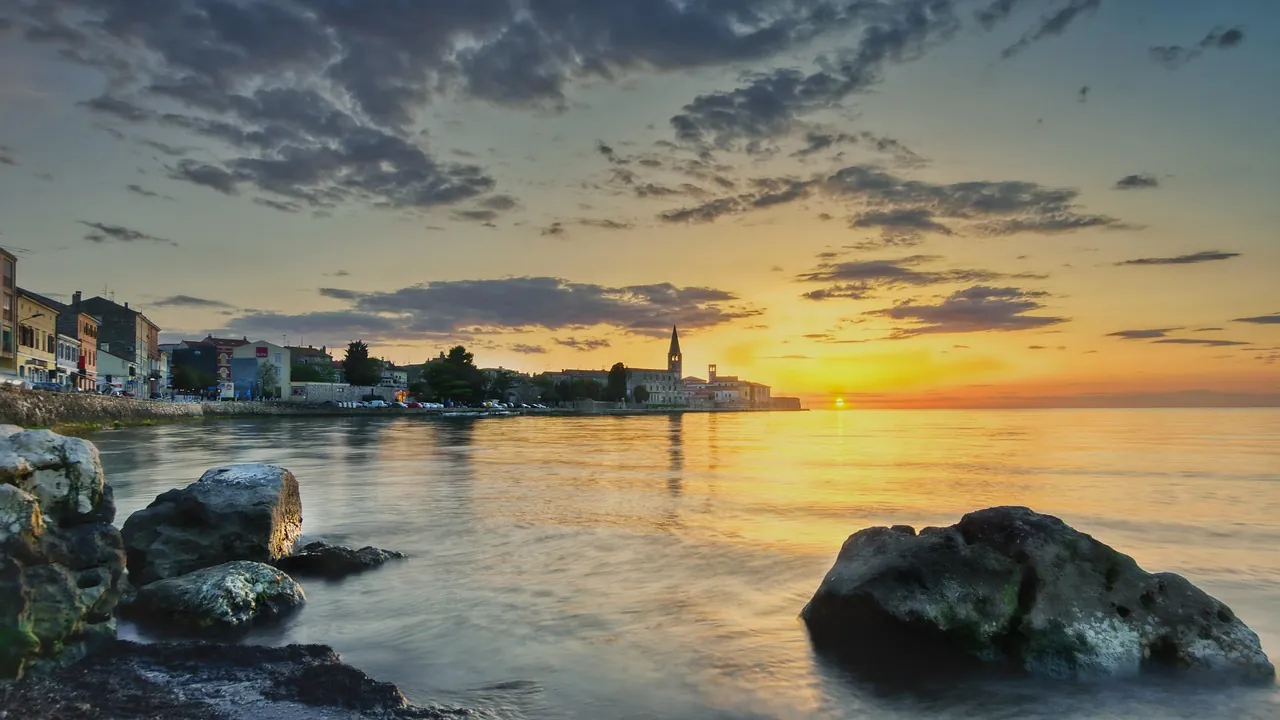
For Istria, staying in Rovinj, Poreč, Buzet or a nearby smaller town works well for exploring the peninsula. Istria is well connected by buses and offers many organized day tours, but renting a car, especially outside peak season, is also a good option.
If your focus is southern Croatia, Dubrovnik or nearby towns make the best base. From there, you can enjoy island hopping to Korčula, Pelješac, Mljet and the Elafiti Islands, as well as quick trips along the coast and across the border to Montenegro or Bosnia and Herzegovina. Bus, ferry and fast boat connections are frequent and reliable, but reservations should always be made in advance due to high demand.
How expensive is a summer trip to Croatia?
Croatia is not a cheap destination, especially during peak season and in its most popular cities. However, it can offer very good value if you understand what kind of trip you want and adjust your plans accordingly. Costs depend heavily on season, location, transport choices and accommodation type.
For a detailed and honest breakdown of prices, see Is Croatia Expensive? Real Travel Costs, Explained by a Local.
What is truly worth seeing in Croatia (without the hype)
The most valuable parts of Croatia are often not the places that are promoted the loudest, but those that fit naturally into a comfortable travel rhythm. For a first visit, the experience is usually better when you combine a few clearly different elements rather than trying to see everything.
A solid basic combination for most travelers includes:
- one historic coastal city that is easy to explore on foot, such as Split, Dubrovnik, Zadar or Rovinj
- one island close to a major ferry port, like Brač or Ugljan, making arrival and departure simple
- a few short excursions in the surrounding area instead of constant accommodation changes
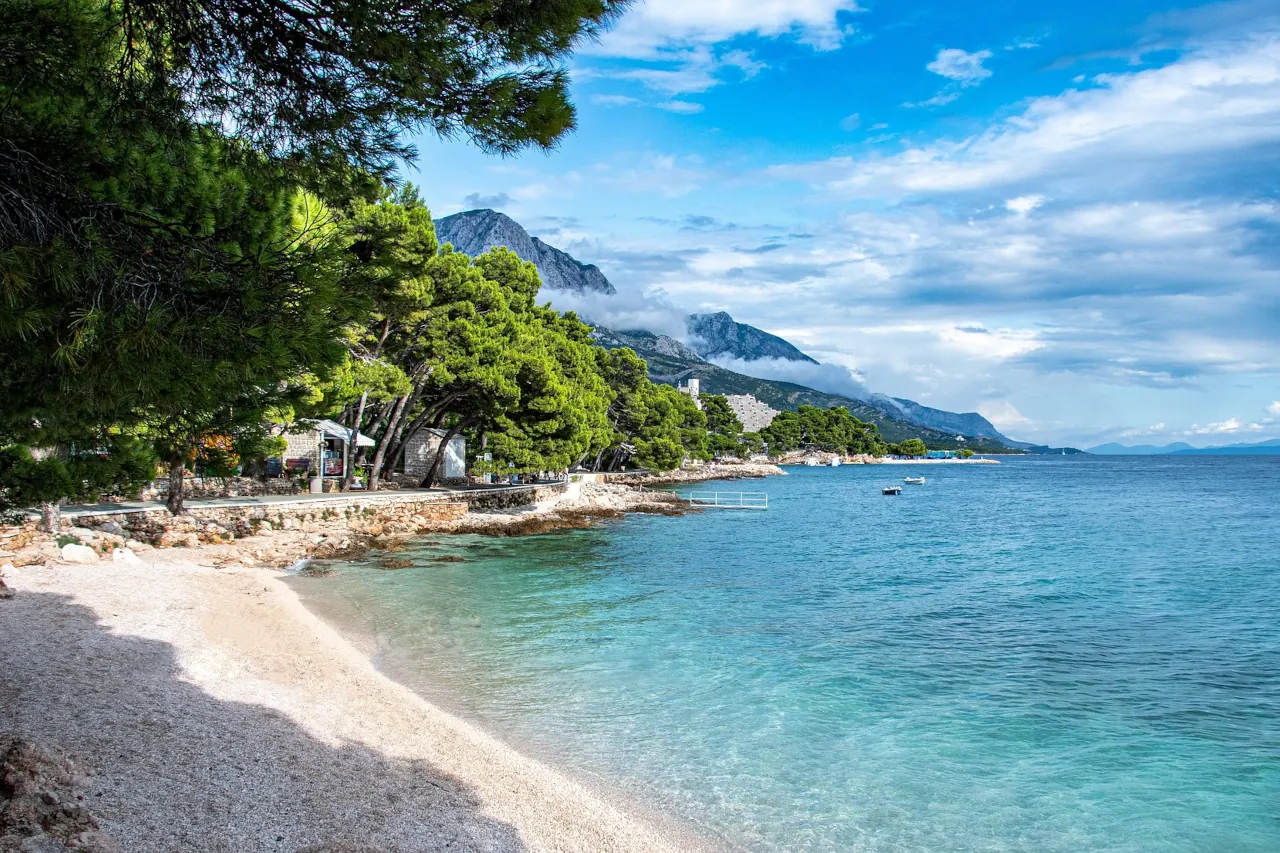
It is worth planning time for everyday, unstructured moments: a morning coffee at a local café, shopping at a market, an evening walk by the sea or swimming away from the main beaches. These moments often become the strongest memories of the trip.
Rather than ticking off landmarks, Croatia is best experienced slowly, with fewer locations and more time in each place. We will explore this topic in more detail in a future guide with concrete regional suggestions.
Practical details that reduce stress
Understanding everyday basics such as currency, card payments, internet access, power outlets, drinking water, language and tipping makes travel significantly easier. All of these practical details are explained in our guide Practical Local Travel Tips for Croatia (Water, Money, Internet & Everyday Basics).
How far in advance should you plan?
Croatia is a country where a solid basic plan makes a real difference. Flights, accommodation and key ferry routes sell out quickly during the season, while other parts of the trip can remain flexible. You do not need to plan every day in detail, but arriving without core reservations often leads to compromises that are easy to avoid.
Planning ahead does not mean less freedom, but less stress on the ground, especially during summer.
When you know where to fly into, where to base yourself and how travel realistically works, you have already avoided most common mistakes. The rest of the trip can remain spontaneous. Croatia is a country where things tend to fall into place once you have a solid foundation and allow your days to unfold naturally.
For additional practical questions and quick answers, see our Croatia Travel FAQ.