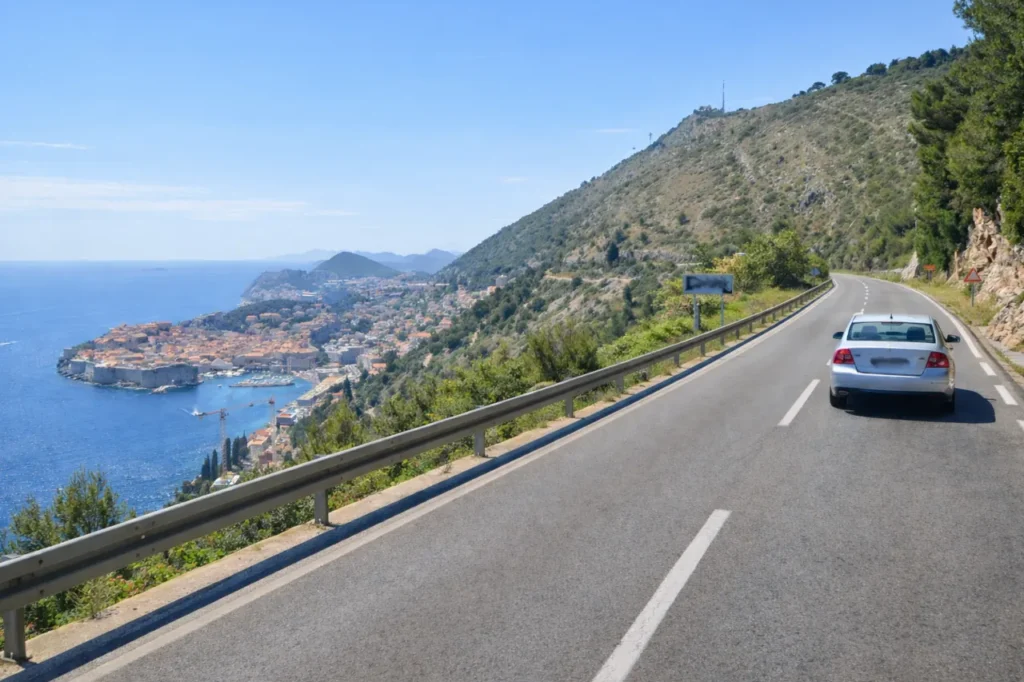
Dubrovnik is a compact city, but the way it is organised means you will almost certainly use public transport at least a few times during your stay.
Getting around Dubrovnik is relatively simple. Most visitors rely on city buses, which are the most practical and affordable way to move between the Old Town, Lapad, Gruž and other neighbourhoods. Taxis and Uber are widely available and useful for airport transfers or late returns, while ferries connect Dubrovnik with nearby islands and coastal towns.
The Old Town is a pedestrian-only zone, most hotels and apartments are located outside the city walls, and the main arrival points, such as the airport and the ferry port, are not in the immediate centre.
The good news is that the system is simple, straightforward, and generally reliable.In this Dubrovnik transport guide, we explain the best way to get around Dubrovnik, including all transport options, real prices and practical details for planning your stay.
If you are still at the early stage of planning and have not yet decided where to stay or how many days to spend in Dubrovnik, we recommend reading Dubrovnik Travel Guide 2026: What to See, Where to Stay, Budget and Insider Tips first, as your accommodation location will directly affect how you move around the city.
Jump to a Section:
How to get from Dubrovnik Airport to the city
Dubrovnik buses: routes, tickets and prices
Taxi, Uber and Bolt in Dubrovnik
Ferries and catamarans from Dubrovnik: islands and routes
Driving and parking in Dubrovnik
Night transport in Dubrovnik: getting around late
Before you arrive: quick transport decisions that make planning easier
Before arriving in Dubrovnik, the key decision is how you are getting here and whether you actually need a car. If you are flying in and do not plan to rent one, the simplest and most affordable ways to reach the city are the airport shuttle bus and Uber.
Whether you need a car largely depends on where you are staying. If your accommodation is inside the Old Town and you plan to spend most of your time there, with only occasional trips to the islands or nearby areas, a car will likely be more of a burden than a benefit.
The same applies if you are staying in Gruž, Lapad, Babin Kuk, or other city neighbourhoods, where public transport is fully sufficient.
If your accommodation is outside Dubrovnik, for example in Konavle or in smaller places without regular bus connections, a car becomes the more practical and flexible option.
Below you’ll find a detailed overview of all transport options, including practical information and real 2026 prices.
If you are considering visiting outside the summer months, our guide Dubrovnik in spring: what to expect in March, April and May gives a clear picture of how the city actually feels.
Transport in Dubrovnik: buses, taxis and ferries explained
Getting around Dubrovnik is relatively straightforward once you understand the main options. Most visitors rely on Libertas buses, which connect the Old Town with Gruž, Lapad, Babin Kuk and other neighbourhoods across the city.
Taxis, Uber and Bolt are widely available and useful for airport transfers, late-night returns and shorter journeys. Ferries and catamarans connect Dubrovnik with nearby islands and coastal towns, while the Old Town itself is entirely pedestrian.
The best option depends mostly on where you stay, whether you arrive by car and how often you plan to move around the city.
Dubrovnik Airport Shuttle: transport to and from the airport
Dubrovnik Airport is located in Čilipi, about 20 kilometres from the city. The easiest way to reach Dubrovnik is by airport shuttle bus, which operates after every arriving flight.
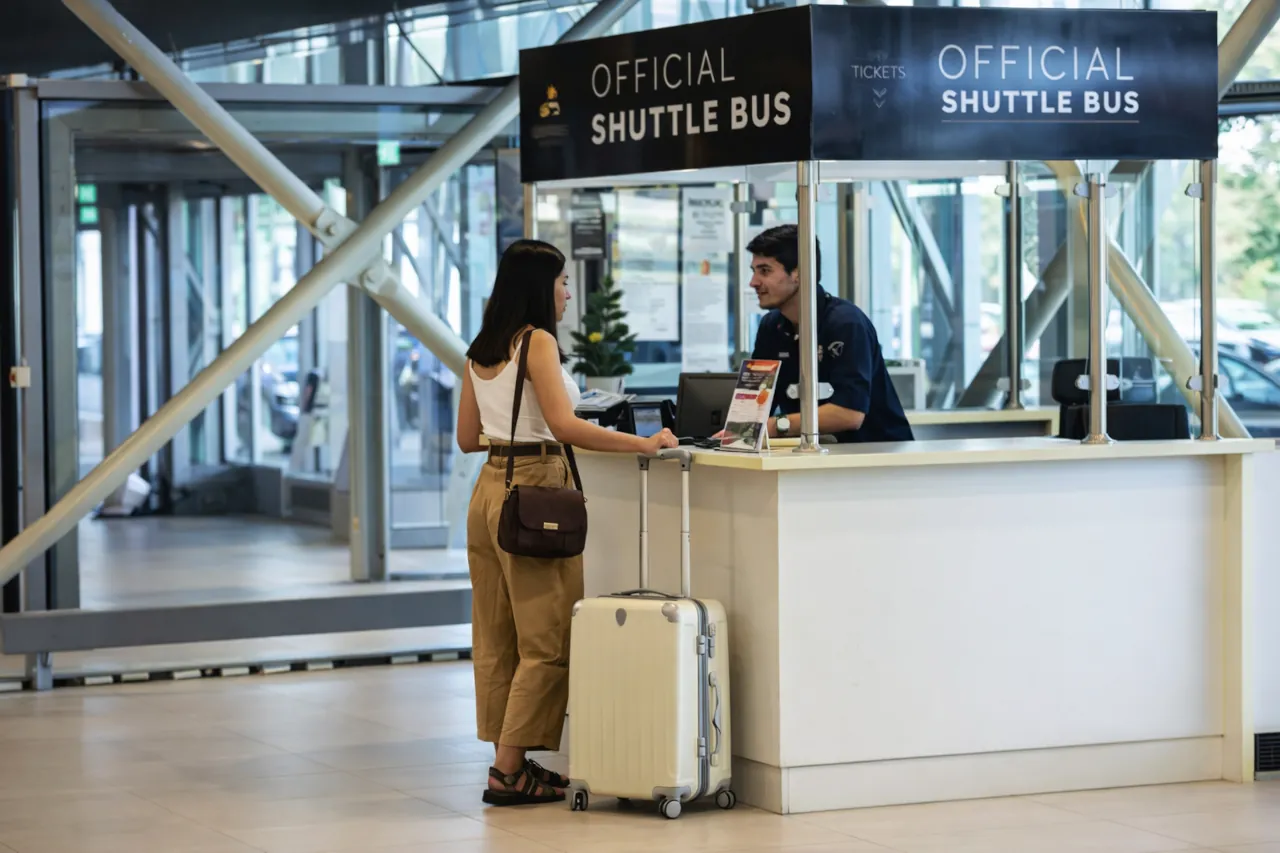
The journey takes between 30 and 40 minutes, depending on traffic. A one-way ticket costs €10 per person, and you can purchase it online in advance or directly from the driver. The shuttle stops at two main city locations: Ploče, which is closer to the Old Town, and Gruž, where the main bus station and ferry port are located.
If you are staying inside the city walls or nearby, Ploče is usually the more convenient stop. If you are staying in Lapad, Babin Kuk, or near the port area, getting off in Gruž makes more sense.
City buses, Uber and taxis are available at both stops, although public transport runs less frequently late at night.
For a full breakdown of all airport transfer options, including taxis, private transfers and local buses, see our guide How to get from Dubrovnik Airport to the city: prices, options and drop-off points.
Getting from a cruise ship to the Old Town
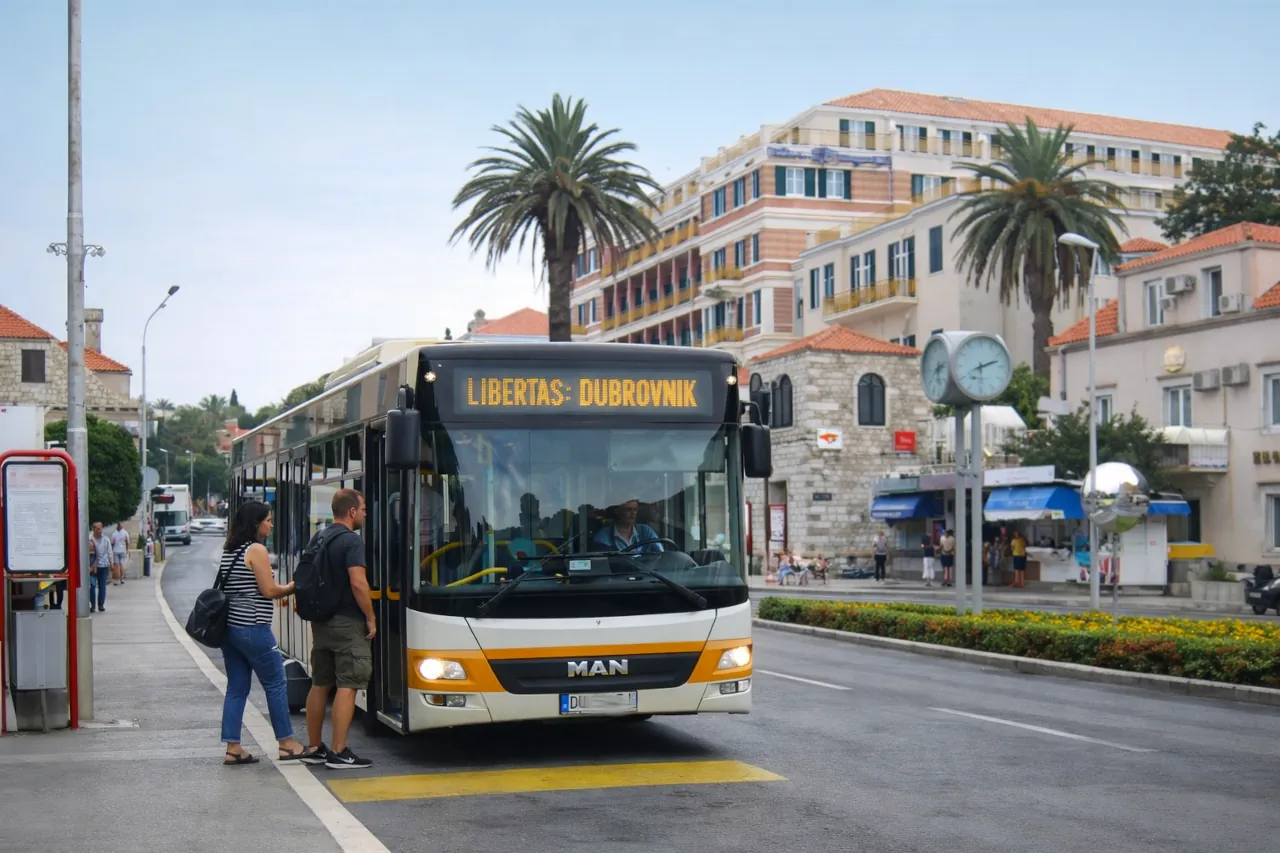
Cruise ships usually dock at the port of Gruž. From there, you can reach the Old Town by bus (lines 1A, 1B, or 3), by taxi, or by an organised shuttle arranged by the cruise company.
The bus ride takes about 10 minutes, and tickets are purchased in the same way as for city buses, as explained below.
Getting to accommodation inside the Old Town walls
If you have booked accommodation inside the Old Town, keep in mind that it is a pedestrian-only area with many stairs. Neither buses nor taxis can take you directly to your apartment.
The most common drop-off points for buses and taxis are the Pile and Ploče gates. From there, you will need to walk. If you are travelling with large suitcases, consider packing lighter or contacting your host in advance to ask for assistance.
It is important to know that Uber cannot drop you off at these gates due to traffic restrictions in the Old Town area. Drivers will leave you at more distant locations, from where you will need to walk approximately 10 to 15 minutes to reach the Old Town entrance.
For a detailed explanation of how Dubrovnik Old Town traffic restrictions work and where vehicles are actually allowed, see our Dubrovnik Old Town traffic restrictions guide.
Luggage storage in Dubrovnik
If you arrive before check-in or have a late flight, there are luggage storage services available in Gruž and near the Old Town. Prices vary depending on the location, and luggage is insured at all facilities.
For example, at the Dubrovnik bus station in Gruž, storage costs €1 per hour, while in Ploče all-day storage costs €5.
This is a practical option if you want to make the most of your time without carrying suitcases around.
Dubrovnik city buses: lines, tickets and how the system works
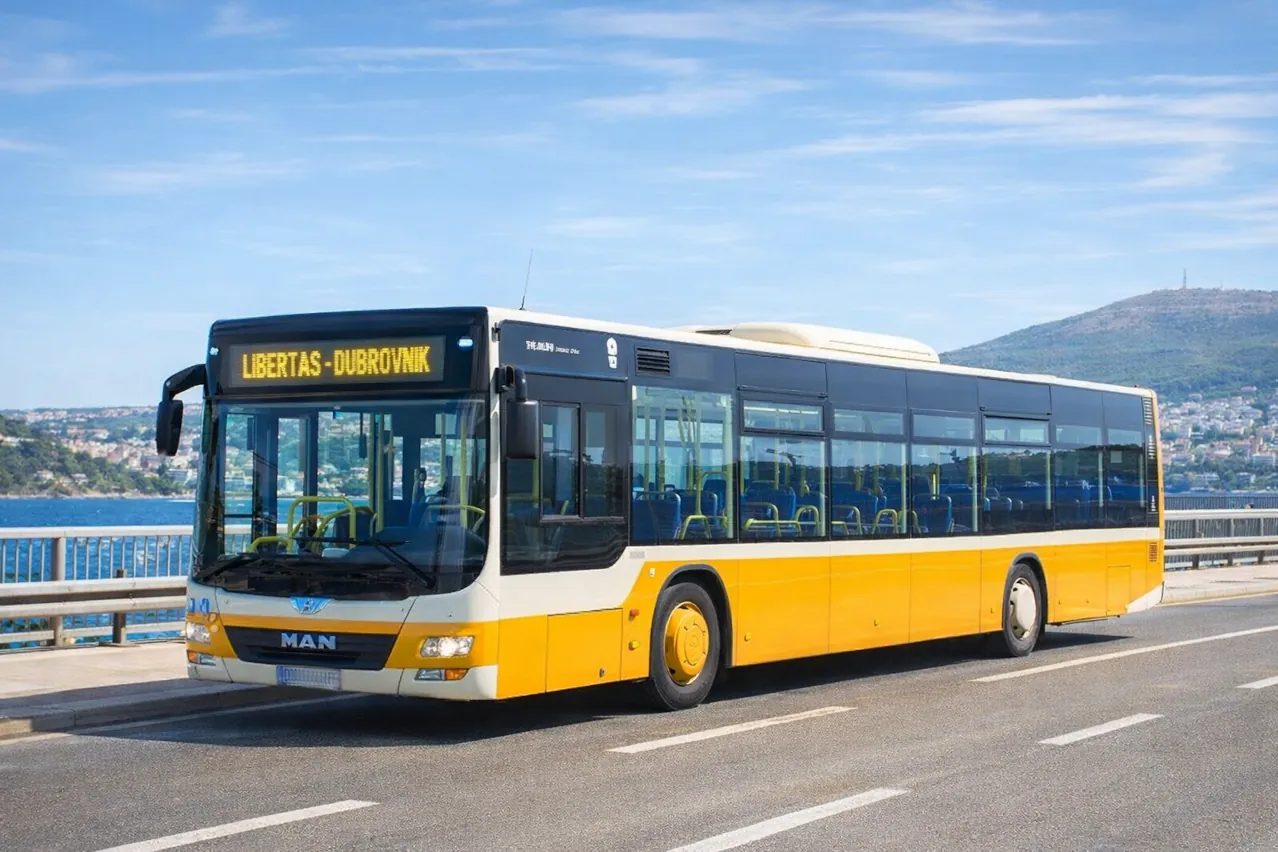
Libertas is Dubrovnik’s public bus operator and the backbone of the city’s transport network. Buses connect all key areas of the city, including Gruž, Lapad, Babin Kuk, Ploče, Mokošica, and other neighbourhoods, and almost all lines pass close to the Old Town.
Buses run fairly frequently, especially during the day. In peak season, the main lines operate every 10 to 15 minutes, while evening services run at slightly longer intervals. Timetables are adjusted to the tourist season, meaning traffic is heavier in summer, but the frequency of buses is also increased.
All buses are air-conditioned, clean, and generally in very good condition.
Most important city lines
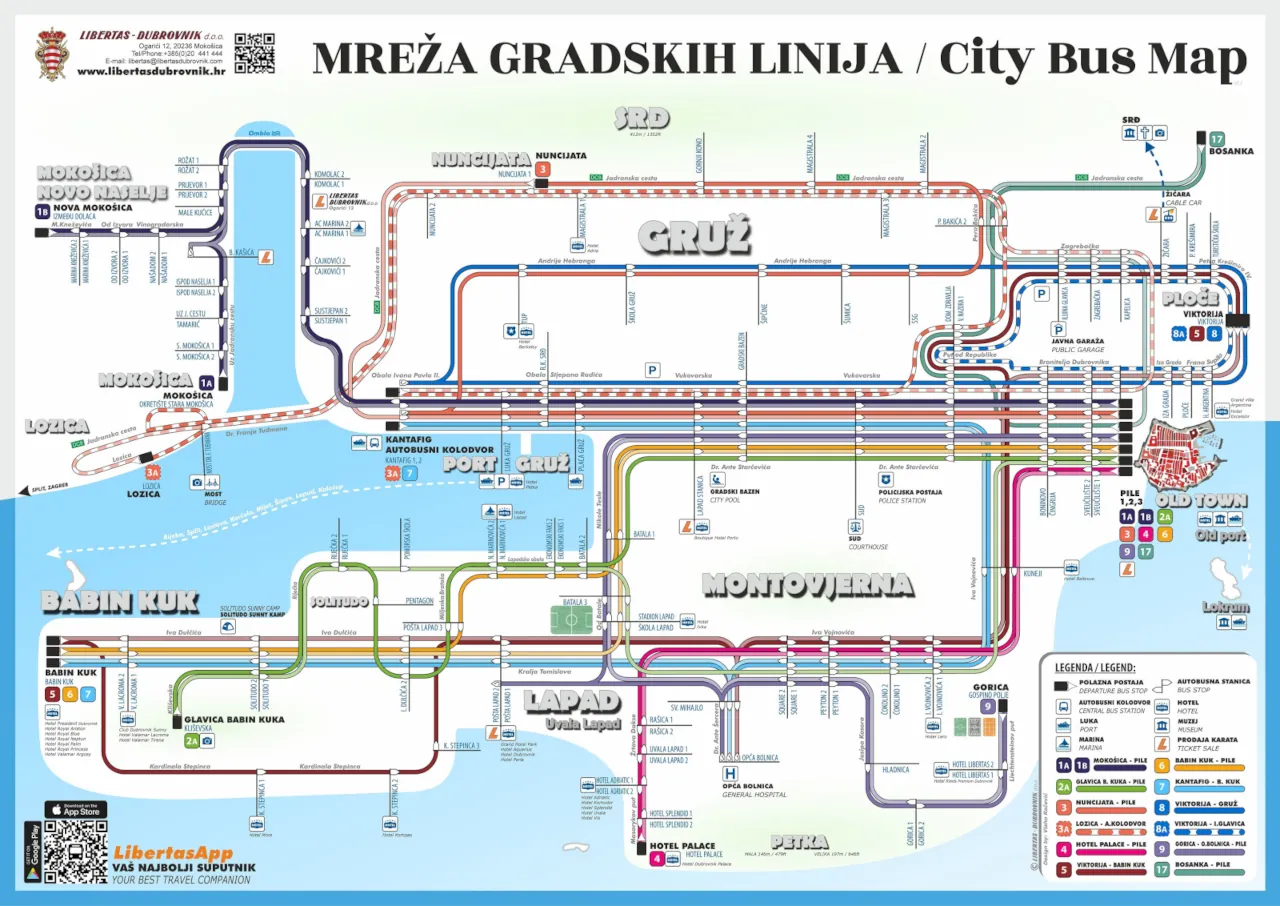
Lines 1A and 1B connect Pile, Gruž, and Mokošica and are among the most frequently used. Line 3 runs from Pile to the main bus station, continues through Gruž, and then climbs up to the neighbourhood of Nuncijata if you are staying in that area.
Line 4 connects Pile and Lapad, while line 6 runs via Gruž and Solitudo to Babin Kuk and the hotel zone in that part of the city. If you are staying in Lapad or Babin Kuk, these are the key lines for reaching the Old Town.
You can always check the full network on the Libertas website, and there is also a mobile app available.
Accessibility on Dubrovnik city buses
All city buses are accessible for passengers with disabilities, but you will need to ask the driver to lower the ramp. Drivers are used to assisting passengers with limited mobility and will help you board, so do not hesitate to ask.
Dubrovnik city bus ticket prices (2026)
Tickets can be purchased from the driver, at the official Libertas sales kiosk, or at a Tisak newsstand. Card payment is accepted at all of these locations for both city and suburban buses.
If you buy a ticket from the driver, a single ride costs €2.50. If you purchase it in advance at a kiosk, the price is €1.73. A day ticket costs €5.31 and allows unlimited travel within one day. A three-day ticket costs €12, and there is also a 20-ride ticket priced at €21.24, which is cost-effective if you are staying longer or travelling as a couple.
Dubrovnik Pass as a combined option
Dubrovnik Pass includes a city bus ticket valid for a selected number of days, along with entry to the city walls, Fort Lovrijenac, and several museums. If you plan to use public transport and visit multiple attractions, it can represent good value for money..
How bus tickets work in Dubrovnik
Beyond the prices, it is important to understand how the system works in everyday use. A single city-zone ticket purchased at a kiosk is valid for one hour from the moment of validation, regardless of direction or the number of transfers.
For example, you board line 1A at the Gruž ferry port, validate your ticket, and get off at Boninovo. After walking around, you decide to continue to the Old Town entrance at Pile. If one hour has not yet passed, you can use the same ticket to board lines 1A, 1B, or 3 from Boninovo to Pile, or, if you prefer, return to Gruž.
A ticket purchased from the driver is valid only for that specific ride, so buying your ticket in advance at a kiosk is always the more economical option.
Day and multi-day tickets are valid for 24 and 72 hours respectively from the first validation. The same rule applies to bus tickets included in the Dubrovnik Pass.
Ticket inspections are carried out occasionally, especially during the tourist season, so travelling without a valid ticket is not advisable. If you decide to risk it, the fine is €13.27. Boarding is through the front door at all stops, and every passenger must either validate or purchase a ticket in front of the driver.
Tickets are validated contactlessly by tapping them on the reader.
Taxi, Uber and Bolt in Dubrovnik
Dubrovnik has a large number of taxis, especially during the summer season, and platforms such as Uber and Bolt are widely available. Within the city, rides are usually short, as distances between neighbourhoods are relatively small.
In high season, a ride within the city typically costs between €8 and €20, depending on the distance and time of day. A trip from the airport to the city centre generally costs around €25 to €30 with Uber, while a regular taxi is usually more expensive, ranging from €40 to €50.
One of the main advantages of taxis and ride-hailing services is their 24/7 availability, which is particularly useful if you are out late or have an early morning flight.
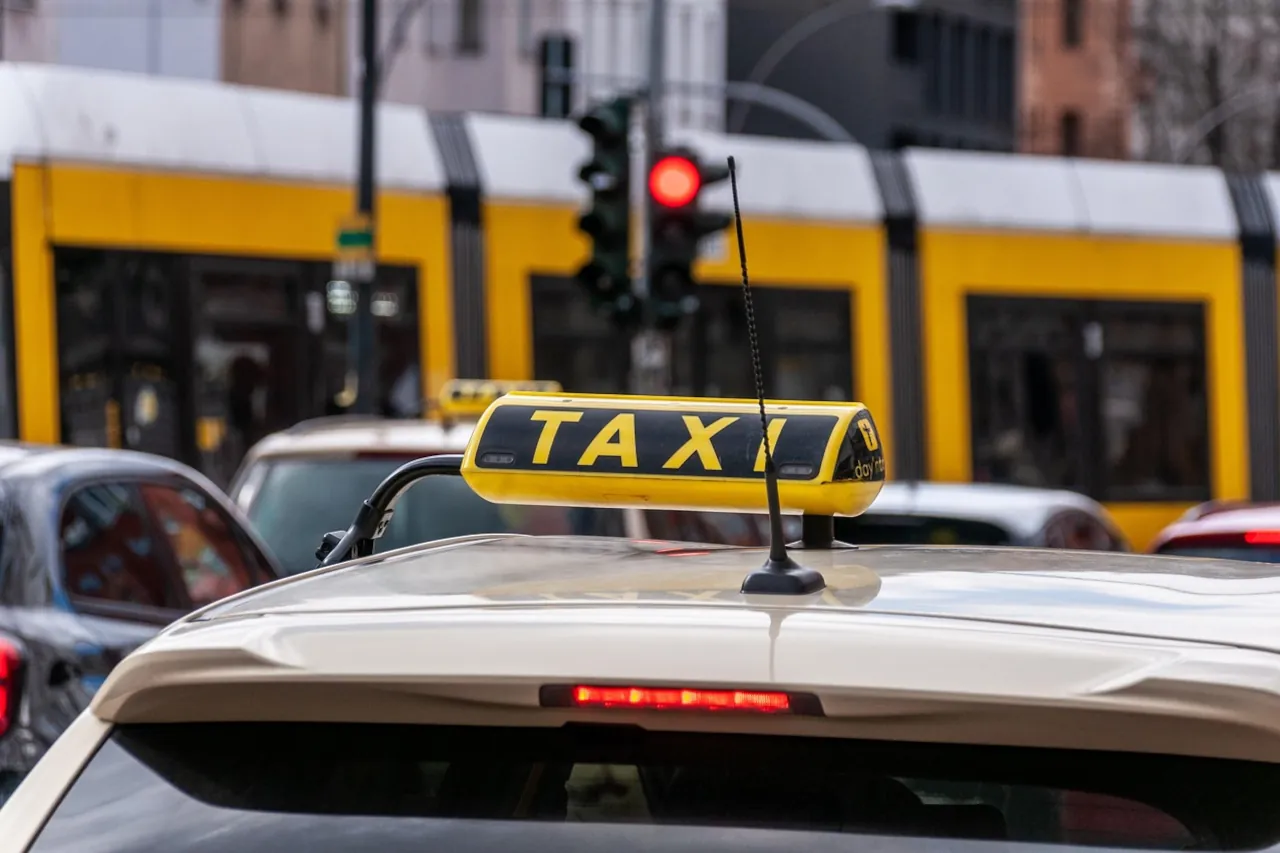
Uber and Bolt use dynamic pricing based on demand and time of day, while official Dubrovnik taxis operate according to a regulated fare displayed on the side of the vehicle.
It is important to note that taxis in Dubrovnik are expensive by local standards. However, drivers must follow the official tariff set by city regulations. The base fare is €4, each additional kilometre costs €5, waiting time is charged at €1 per minute, and taxis operating within the city area cannot charge more than €35 per ride. Card payment is accepted in all vehicles.
These rates apply to officially registered city taxis. If you choose to use other private drivers, always agree on the price in advance.
Good to know: official taxi numbers
Radio Taxi: 0800 1441
Dubrovnik City Taxi: 0800 970
Both services operate 24/7.
Bolt and Uber apps work the same as anywhere else in the world, so there is no need to download any additional local applications.
Ferries and catamarans from Dubrovnik
If you are planning island trips or travelling to other towns along the coast, you will be using ferry and catamaran services departing from the port of Gruž.
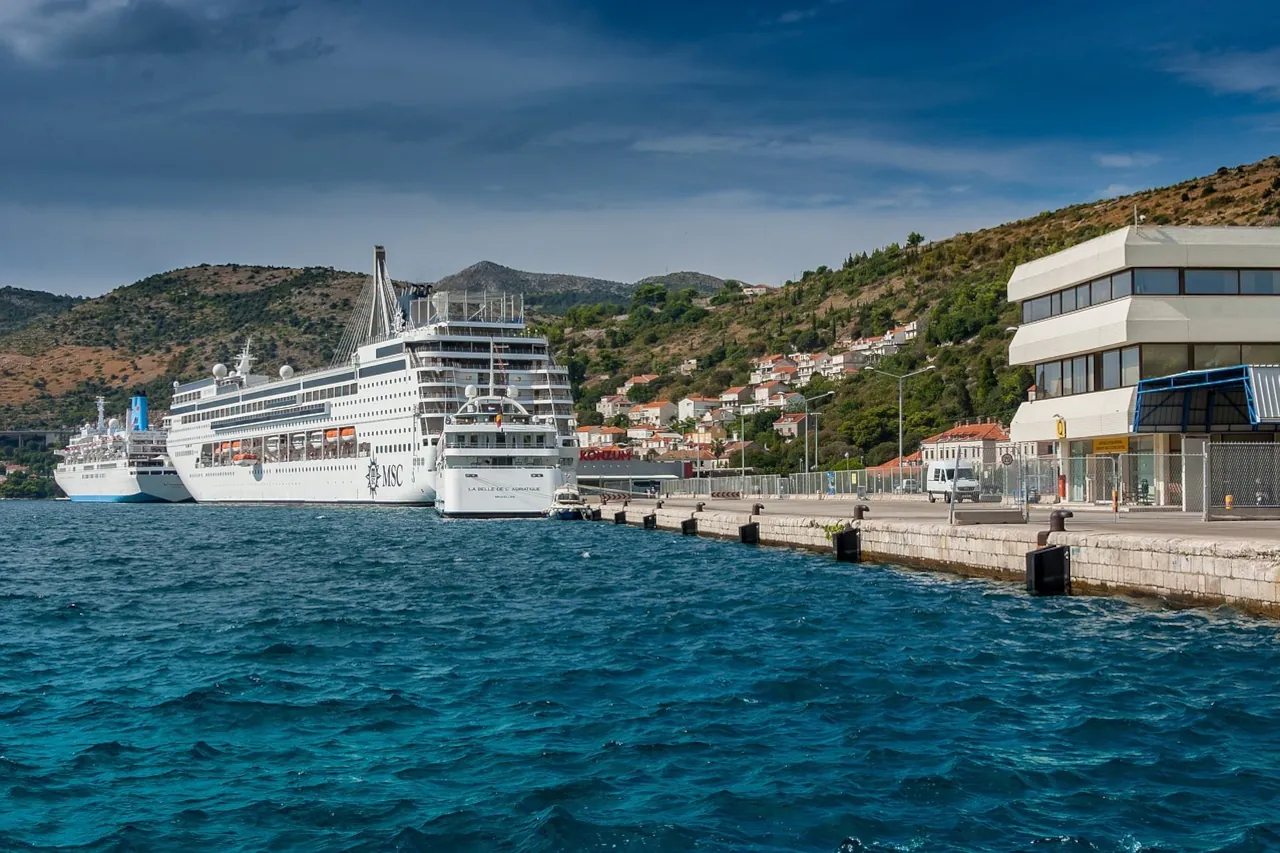
Most routes from Dubrovnik are operated by companies such as Jadrolinija, TP Line and Kapetan Luka (Krilo), depending on the route and type of vessel.
The only exception is the boat to Lokrum, which departs from the small harbour inside the Old Town approximately every 30 minutes and takes about 10 minutes.
Schedules and availability vary depending on the season, with fewer departures outside the summer months. In peak season, it is best to purchase tickets in advance, as sell-outs are common.
For a detailed overview of ferry routes, prices and island connections from Dubrovnik see our Dubrovnik ferry guide for 2026: How to get to the Elaphiti Islands, Lokrum, Mljet, Korčula, Hvar and Split.
Arriving in Dubrovnik by car: fuel, traffic, restrictions and when a car makes sense
Arriving in Dubrovnik by car gives many travellers a sense of freedom and flexibility, especially if they are coming from Croatia or neighbouring countries. Before you decide to drive, it is important to understand how traffic works in Dubrovnik, when a car is an advantage, and when it becomes a burden.
Fuel prices in Dubrovnik
Fuel prices in Croatia are regulated and fluctuate, but they are broadly comparable to the rest of the European Union. In 2026, petrol and diesel typically range between €1.50 and €1.70 per litre, depending on the fuel type and market conditions.
There are several petrol stations in Dubrovnik, including in Gruž, at Ilijina Glavica, and on the way out of the city.
Traffic in Dubrovnik
Traffic is heaviest during the summer months, especially in July and August, and on days when multiple cruise ships are in port.
The main bottlenecks are the approach to Ploče, Ilijina Glavica, the area around Gruž, and the road towards Dubrovnik Airport.
In winter, traffic is significantly lighter and driving is generally easier.
Speed limits in Croatia
In built-up areas, the speed limit is usually 50 km/h. Outside towns it typically ranges from 70 to 90 km/h, while motorways allow up to 130 km/h, except in tunnels where limits are usually around 100 km/h.
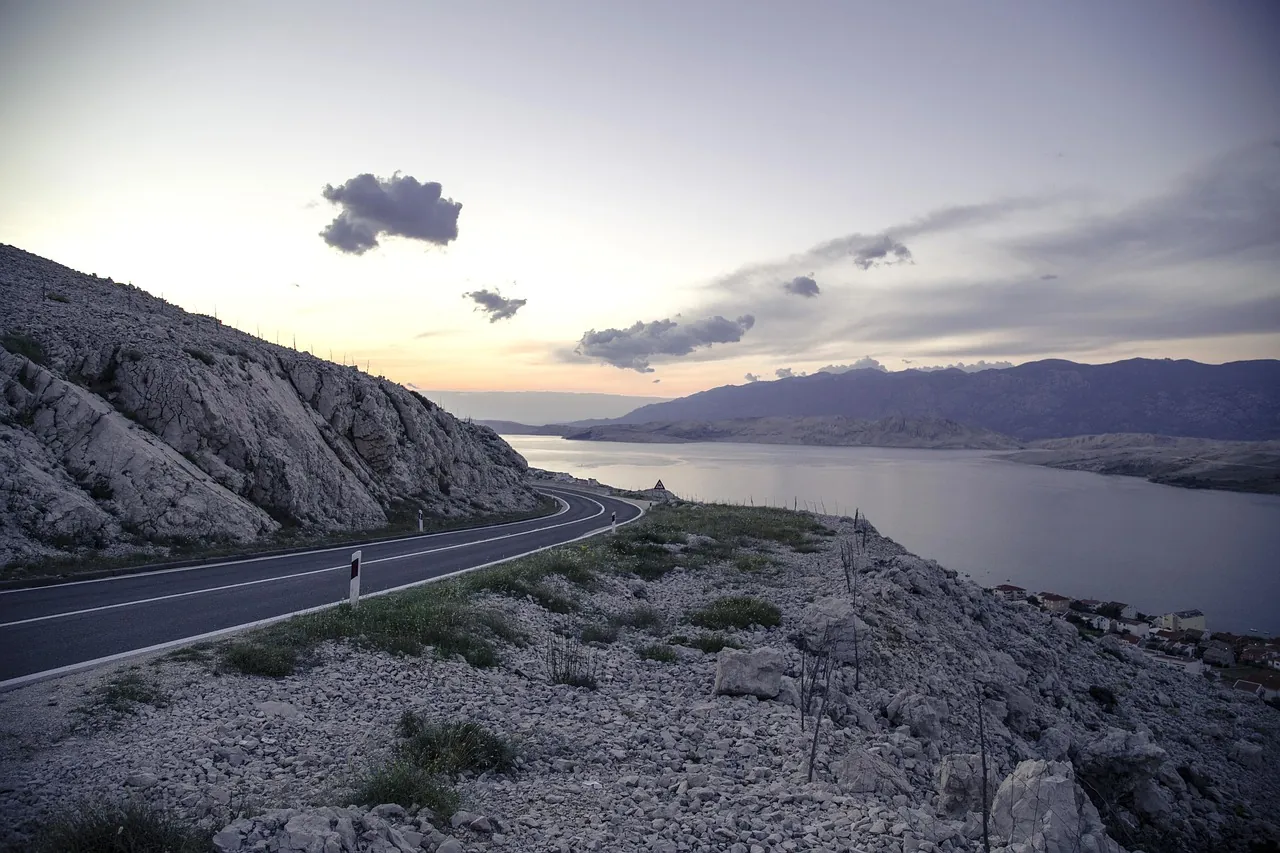
Roads leading to Dubrovnik, especially if you are coming from Split, include stretches of the Adriatic coastal road, which is scenic but winding.
Traffic fines in Croatia
Many visitors still assume Croatia is disorganised and that “anything goes”, including on the roads, but that is far from the reality. Traffic rules are strictly enforced. There are modern cameras on many routes that monitor speed and other violations, and you may also encounter radar checks and unmarked police vehicles.
Fines are not minor. For example, an illegal overtake can result in a fine of €30 or €600, depending on the circumstances. Overtaking a queue can lead to fines of several thousand euros.
Speeding fines, depending on whether you are in a built-up area and how much you exceed the limit, range from €30 to several thousand euros. Depending on the severity and type of violation, penalties may include licence suspension, vehicle confiscation, and even imprisonment.
A fine can reach you at home even after you leave the country. If the offence occurred in a rental car, check your contract carefully, as agencies often charge additional administrative fees to your card, regardless of the fine amount.
Vehicle restrictions around the Dubrovnik Old Town
The area around the Old Town is completely closed to private vehicles. Entry inside the walls is permitted only for vehicles with a special permit.
Do not take this lightly. Traffic regulation is particularly strict around Pile and Ploče. Violating access restrictions can result in fines of several hundred euros.
Parking in Dubrovnik
Parking near the Old Town is extremely limited and among the most expensive in the city. During the high season, hourly parking in this zone starts at around €20, and a daily ticket can reach up to €250. This is not a tourist trap. Prices are deliberately set high to reduce vehicle traffic in the most sensitive and protected part of the city.
In other parts of Dubrovnik, parking is more affordable. Hourly rates start at around €1.30, while daily tickets begin at approximately €17, depending on the location and whether the car park is publicly or privately operated.
When a car makes sense in Dubrovnik
Having a car makes sense if you plan to explore the wider region, including Konavle, Pelješac, or rural areas of Dubrovnik-Neretva County. It can also be practical if you are travelling in winter, when traffic is lighter and parking is generally easier.
If your accommodation includes a private parking space, a car can be convenient for day trips outside the city, while within Dubrovnik you can still rely on public transport.
When a car is not necessary in Dubrovnik
If you are staying in Lapad, Babin Kuk, Gruž, or close to the Old Town and mainly plan sightseeing, beach time, and occasional boat trips, you realistically will not need a car.
Many visitors who arrive by car end up using it very little within the city. They move around on foot or by public transport, while the car remains parked, sometimes at considerable cost.
Night transport and late returns in Dubrovnik
Dubrovnik operates a structured night bus service. Key city lines, especially 1A, 1B, and 6, run into the late evening and night, including during the winter timetable. In summer, additional departures are added, along with special night circular lines connecting Pile, Lapad, Gruž, Sustjepan and Mokošica.
During the summer season, more than 250 additional departures per week are introduced, significantly extending service hours across the city.
Taxis and Uber operate 24/7 and are the most reliable option after midnight.
Walking at night in Dubrovnik
Dubrovnik is a safe city, and walking at night is not a problem. If you are staying relatively close to where you are going out, walking is often the simplest and most practical option.
Intercity buses: key routes, prices and travel time from Dubrovnik
If you are using Dubrovnik as a base and plan to explore the wider region without a car, intercity buses are the simplest and most commonly used option. All departures leave from the Dubrovnik Bus Station in Gruž, located right next to the ferry port, which makes it easy to combine land and sea travel.
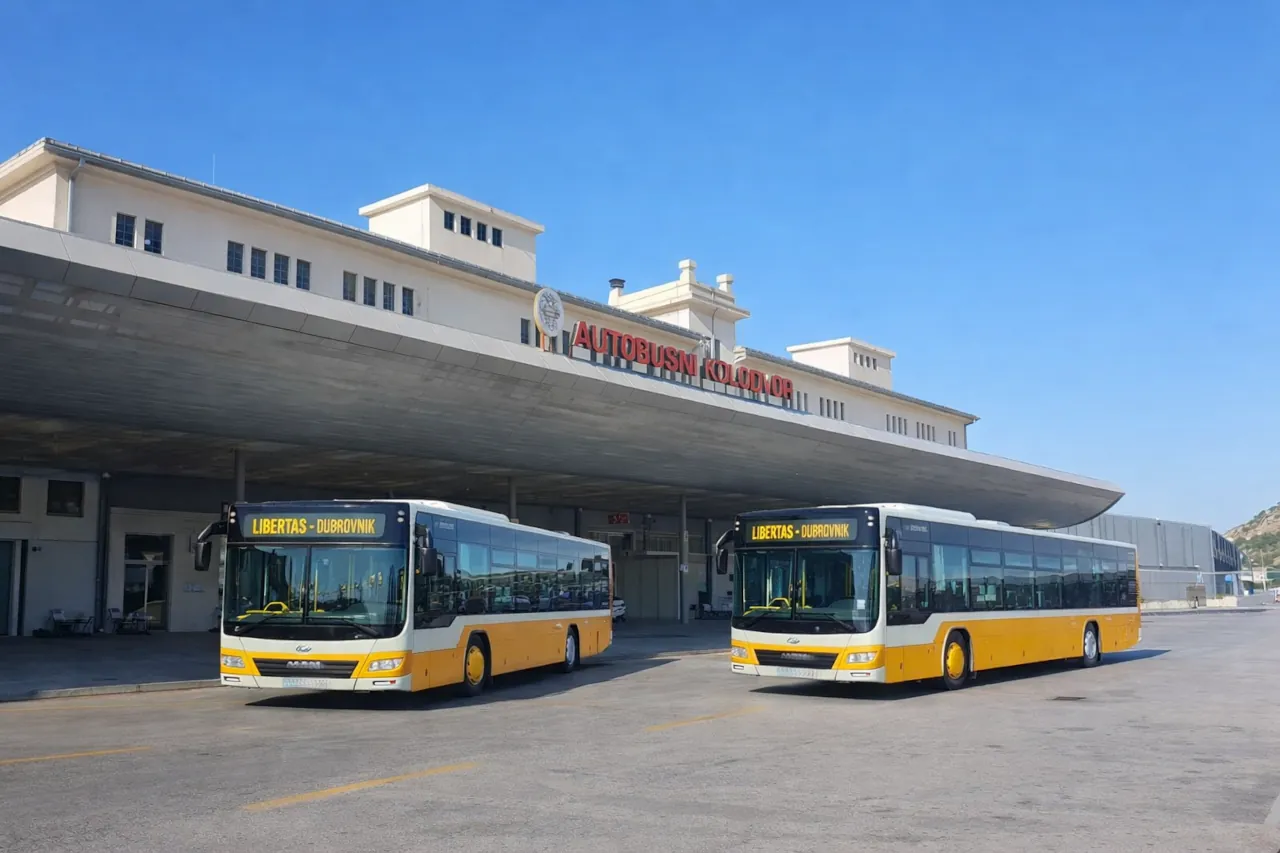
Dubrovnik has no railway connection to the rest of Croatia, so all overland travel takes place by road. In practical terms, this means that buses, private transfers, and personal vehicles are the only options for travelling to other cities.
Below are the most useful and frequently used routes for planning, with approximate travel times and 2026 prices. Fares may vary slightly depending on the operator and the season.
Dubrovnik to Cavtat
Cavtat is the simplest and fastest day trip from Dubrovnik. Libertas bus line 10 connects the two, departing from Gruž approximately every 30 minutes from 5 am until midnight, daily.
The journey takes around 30 minutes, and a one-way ticket costs between €3 and €5, depending on whether you purchase it in advance or from the driver.
Dubrovnik to Ston
On the Dubrovnik–Ston route, Libertas line 15 operates several times per day, alongside services run by private operators.
The journey takes between 45 and 60 minutes, depending on traffic, and ticket prices range from €6 to €10.
Dubrovnik to Orebić (Pelješac) and Korčula
If you plan to visit Pelješac or move towards Korčula, this is possible via Libertas line 21, which runs several times per day, as well as via private operators.
Travel time is around 2 hours, depending on the operator, and ticket prices range from €12 to €18 one way. From Orebić, you can continue by local ferry to Korčula.
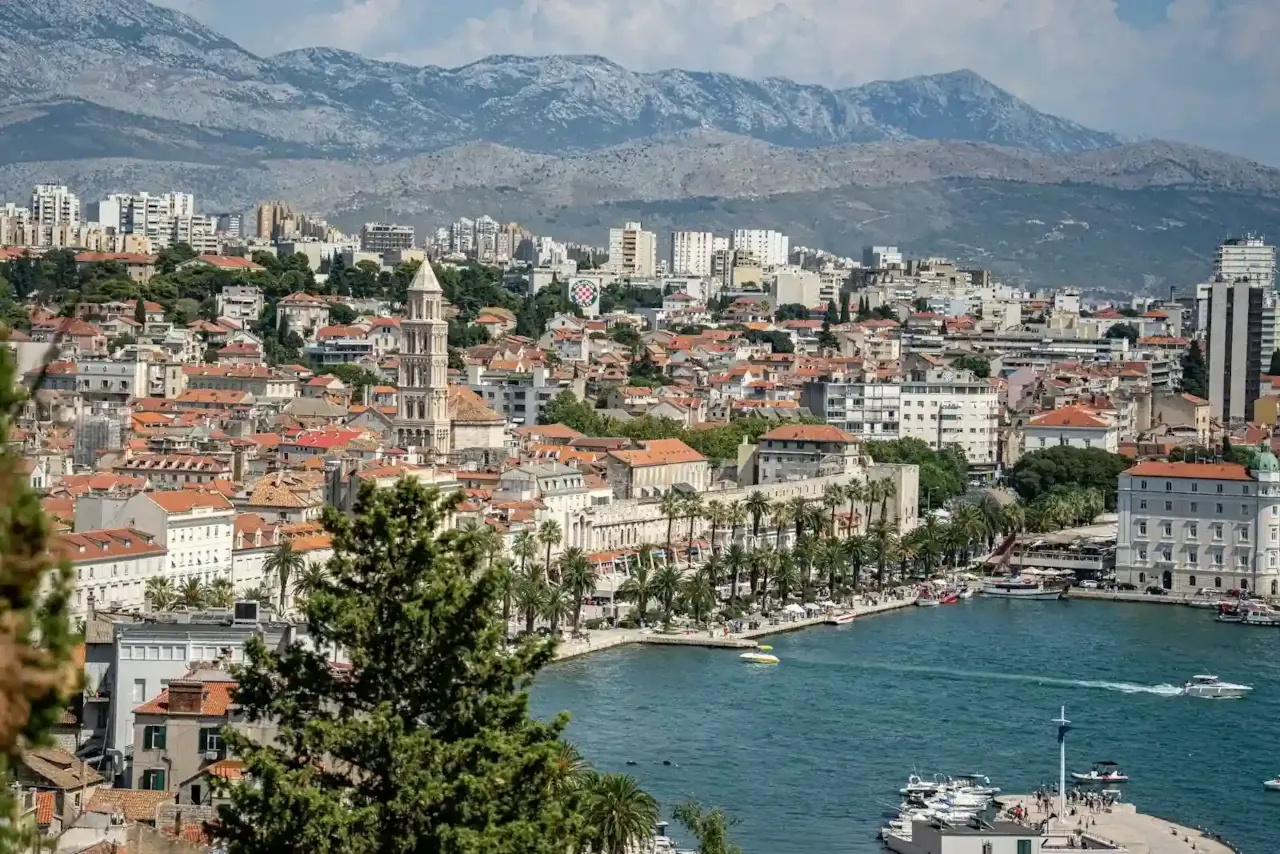
Dubrovnik to Split
The Dubrovnik–Split route is one of the most in-demand in Croatia. Several private operators serve this route, with departures roughly every hour. However, the most popular departure times often sell out days in advance, so it is advisable to book your ticket early.
The journey takes around 5 hours, depending on the operator, and one-way tickets typically cost between €20 and €30.
For a detailed comparison of all transport options on this route, read our guide Split to Dubrovnik: Complete Summer 2026 Transport Guide.
Dubrovnik to Zadar
Travelling to Zadar takes longer, as the route runs through much of central Dalmatia.
The journey usually takes between 7 and 8 hours, and ticket prices generally range from €30 to €40.
Dubrovnik to Zagreb
For travel to Croatia’s capital, the bus journey takes between 9 and 10 hours. Ticket prices typically range from €30 to €45, depending on the operator.
Dubrovnik to Mostar (Bosnia and Herzegovina)
Mostar is one of the most popular international destinations from Dubrovnik. The journey takes approximately 3.5 to 4 hours, although in summer it can take longer due to waiting times at the border crossing.
One-way tickets usually cost between €20 and €30.
A valid passport or national ID card is required, depending on your nationality.
Dubrovnik to Kotor (Montenegro)
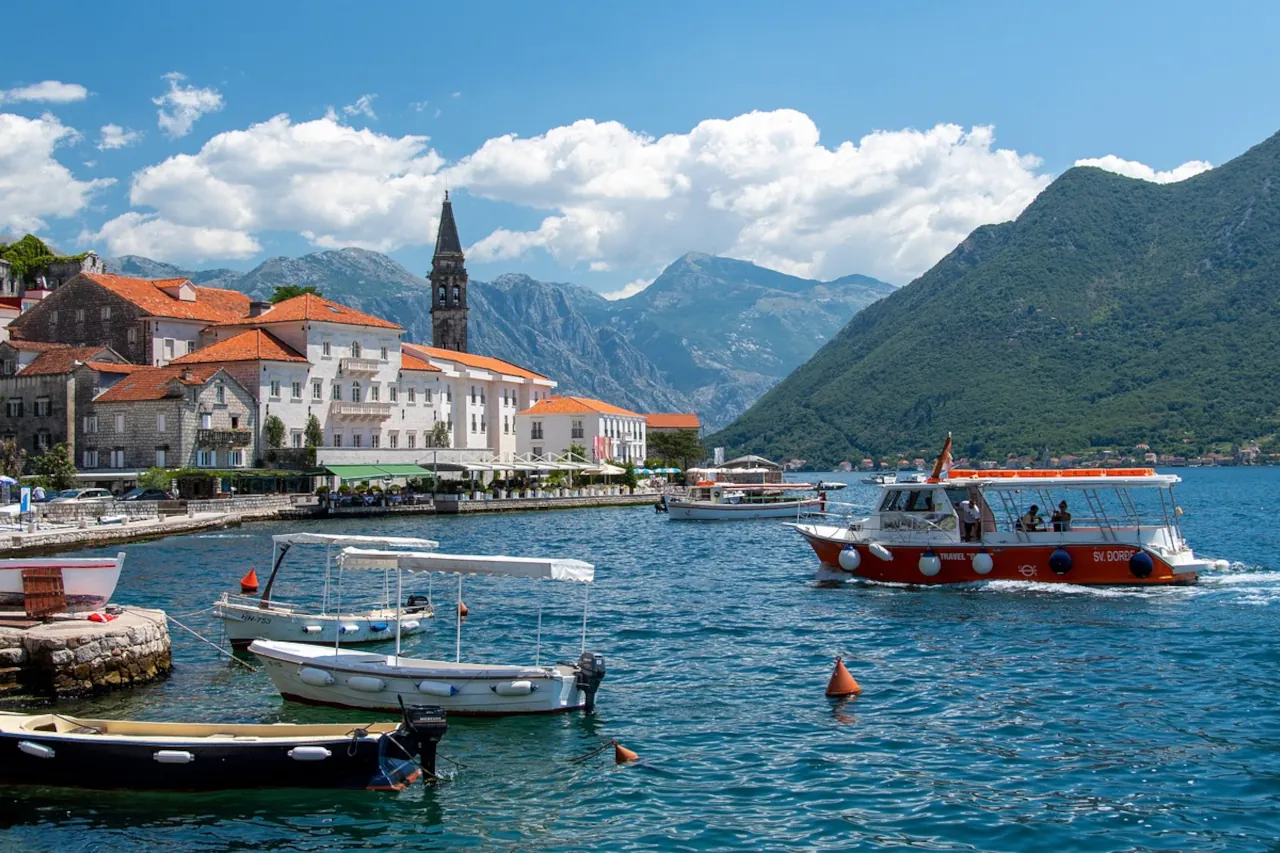
Kotor is one of the most popular day trips from Dubrovnik. The journey takes around 2.5 hours, but delays at the border are common and can sometimes add several hours to the trip.
One-way tickets typically range between €25 and €35.
Because of border controls and traffic conditions, a same-day return trip can be tiring.
Before crossing the border, always check whether your travel documents are valid for entry into Bosnia and Herzegovina or Montenegro, especially if you are not an EU citizen.
Most common transport planning mistakes when travelling to Dubrovnik
Arriving in Dubrovnik by car without arranging parking in advance, especially if your accommodation is near the Old Town. You do not need the stress of endlessly circling the streets in search of a space that you will ultimately pay a high price for. Always check with your host whether parking is included.
Underestimating summer traffic and the time needed to get around the city. Always allow a buffer, particularly if you need to catch a ferry or a flight.
Thinking you can drive for 16 hours straight without consequences. The Adriatic coastal road between Pelješac and Dubrovnik is considered demanding, partly because of fatigued drivers who travel for hours without proper breaks, become impatient, speed and overtake recklessly. Do not be one of them.
Bringing a car at all if you plan to stay only in Dubrovnik with occasional trips to nearby places or islands. In most cases, it becomes more of a burden than a benefit, as public transport is entirely sufficient.
Underestimating Croatian traffic laws and the consistency of enforcement. Do not let impatience on the road result in penalties that follow you home.
Assuming you can arrange transport at the last minute. In high season, bus, ferry and flight tickets often sell out days in advance. Alternatives usually exist, but they tend to be significantly more expensive.
For additional questions about travelling in Croatia, documentation, safety, and practical matters, see our Croatia Travel FAQ.