Dubrovnik is one of the most visited cities in Europe. Millions of travellers walk its streets every year, photograph Stradun and climb the city walls. Yet because of limited time or a lack of reliable information, many visitors experience only the postcard version they have already seen on Instagram and travel brochures.
This Dubrovnik travel guide is not here to list attractions or repeat historical facts you can find in any standard guidebook. Its purpose is to offer an honest, local perspective on Dubrovnik, practical advice that makes planning easier and clear explanations of how things actually work once you arrive.
If you are trying to understand overall prices, see our guide Is Dubrovnik Expensive in 2026. If you want to see what that looks like in real life, here is a full breakdown of 3 Days in Dubrovnik in High Season for €500? A Full Budget Breakdown.
Jump to a Section:
Getting to Dubrovnik: Airport, Ferry and Bus
Getting Around: Public Transport and Accessibility
Practical Information: Food, Money and Safety
Dubrovnik is more than the Old Town
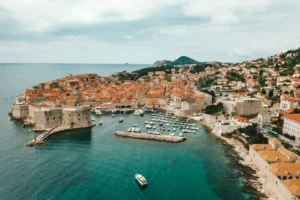
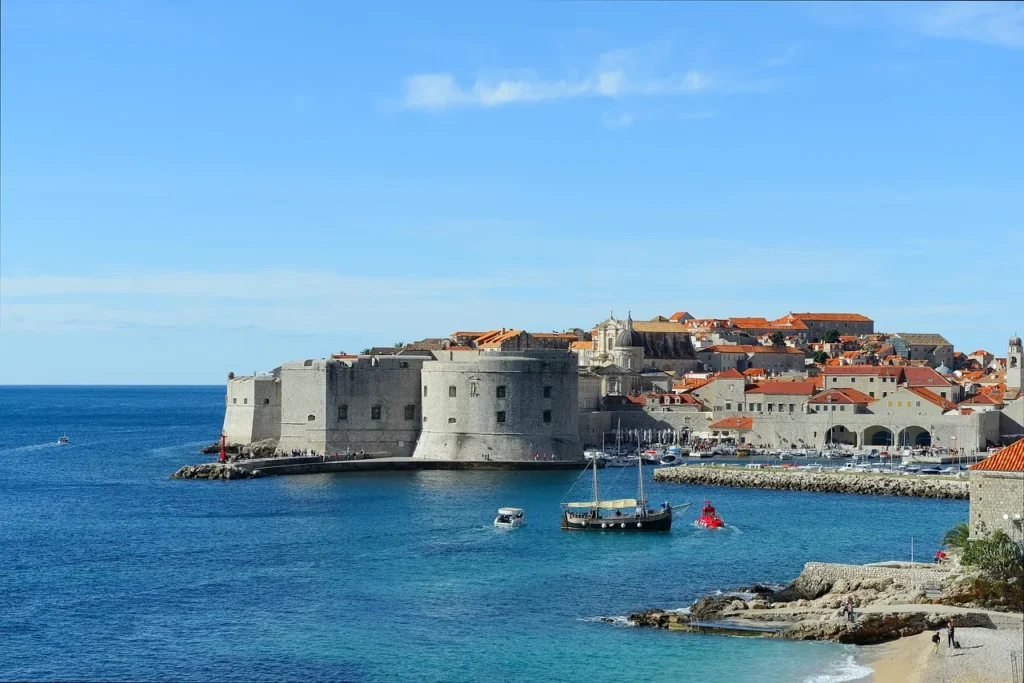
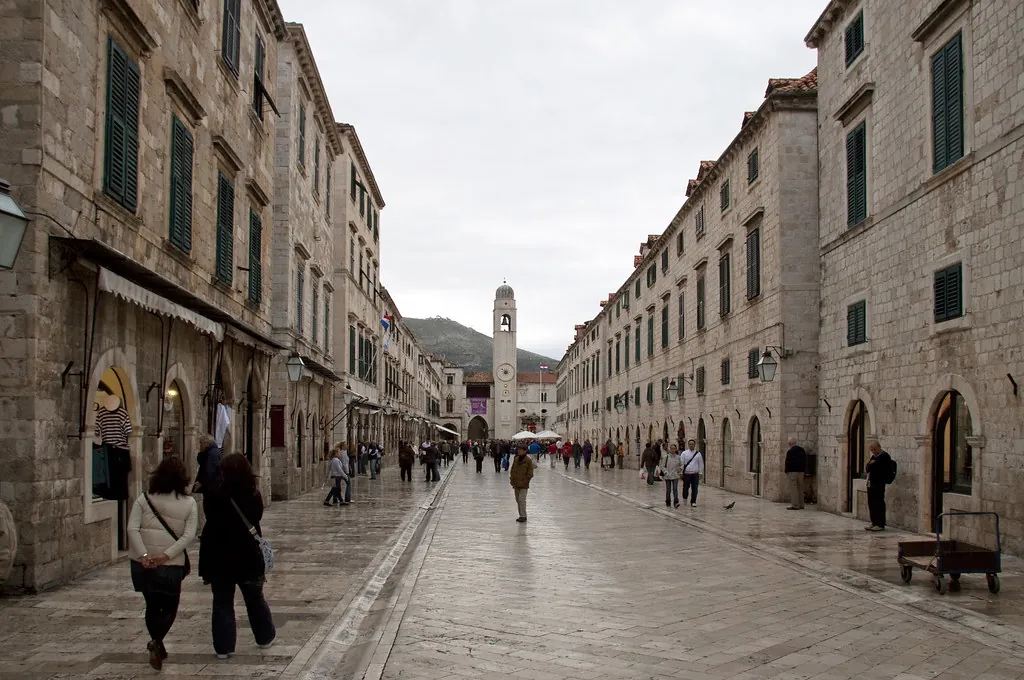
When a foreign visitor says “Dubrovnik”, they almost always mean the Old Town. It is the most historic and most photographed part of the city, but it is still just one neighbourhood.
The majority of Dubrovnik residents live outside the city walls, in areas such as Lapad, Gruž and Babin Kuk. These parts of the city have a completely different rhythm, with fewer crowds and a stronger sense of everyday life. You will find local cafés, supermarkets and beaches that are part of residents’ daily routines, not just places visitors come to see.
If you are staying in Dubrovnik for several days, make time to explore beyond the Old Town.
How to get to Dubrovnik and where you actually arrive
For most visitors, the main entry point is Dubrovnik Airport in Čilipi, located about 20 kilometres from the city. From there, you can reach Dubrovnik by shuttle bus, local bus, taxi or Uber.
The most commonly used option is the airport shuttle bus, which runs after each flight arrival and takes around 30 to 40 minutes. It stops at Ploče, near the Old Town, and at the main bus station in Gruž, next to the ferry port.
For a full breakdown of all airport transfer options, including prices, travel times and where you will actually be dropped off, see our guide on how to get from Dubrovnik Airport to the city: prices, options and drop-off points.
If you arrive by intercity bus or ferry, you will also arrive at the main bus station in Gruž. This area is well connected to the rest of the city by Libertas local bus lines, and most transfers within Dubrovnik come down to a single bus ride or a short Uber trip.
It is important to know that the Old Town is a pedestrian zone. Even if you arrive “at the walls”, the final part of your journey will be on foot and may include stairs, depending on which gate you use and where your accommodation is located. Keep this in mind when packing.
For a clear explanation of Dubrovnik Old Town traffic restrictions, including where cars, taxis and Uber can actually stop, see our detailed guide on Dubrovnik Old Town traffic restrictions.
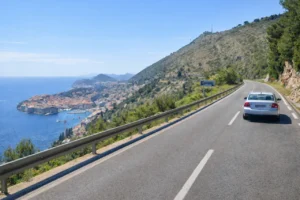
If you are travelling along the coast, especially between Split and Dubrovnik, read our detailed guide Split to Dubrovnik: Complete Summer 2026 Transport Guide for ferry, bus and transfer options.
Before you arrive
Dubrovnik is a city of stone, stairs and strong sun so planning starts with what you pack. Comfortable closed shoes matter more than you might expect, especially if you plan to walk the city walls or go up to Mount Srđ. Flip-flops are perfectly fine for the beach, but not for a full day of sightseeing on polished stone streets and uneven steps.
In summer, bring a hat or cap, sunscreen, sunglasses and a reusable water bottle you can refill at fountains. If you plan to swim at rocky beaches or visit Lokrum Island, water shoes make entering the sea much easier and more comfortable.
Most importantly, avoid planning everything for the hottest part of the day. Dubrovnik is at its best early in the morning and later in the afternoon. Midday and early afternoon are better reserved for shade, a long lunch, a slow coffee or time by the sea.
Getting around Dubrovnik: Libertas, taxis and pedestrian zones
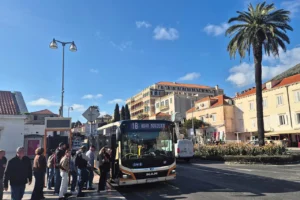
Dubrovnik has a reliable and well-organised public transport system. The city-run bus company, Libertas, connects all main areas, and most parts of the city are within a short ride from the centre.
A single bus ticket costs €2.50 if purchased from the driver, or €1.73 at a kiosk. Taxis and Uber are widely available, especially during summer.
It is also important to know that the Old Town is strictly pedestrian-only. Public transport can reach the gates, but private vehicles without a permit are not allowed to enter.
For a complete breakdown of airport transfers, bus lines, ferry routes, intercity connections and real 2026 prices, read our Detailed Dubrovnik Transport Guide 2026: Airport Transfers, Buses, Ferries and Intercity Travel.
Getting around in the evening and at night
Buses run regularly throughout the day, but in the late evening services become less frequent. If you are planning dinner outside your neighbourhood, it is worth checking the last departures in advance on Libertas website so you do not unexpectedly have to rely on a more expensive taxi ride back.
Taxis and Uber operate throughout the night most of the year. However, during winter the number of available Uber vehicles in Dubrovnik decreases, which can mean longer waiting times.
Accessibility and getting around if you have limited mobility
If you have a disability or limited mobility, it is important to know that the Old Town has many stairs and uneven surfaces.
Some areas are accessible. For example, access to Stradun through Ploče Gate is step-free, and Pile Gate has a ramp, making wheelchair entry possible. However, many major sights remain physically demanding, including the city walls, which require climbing a long staircase.
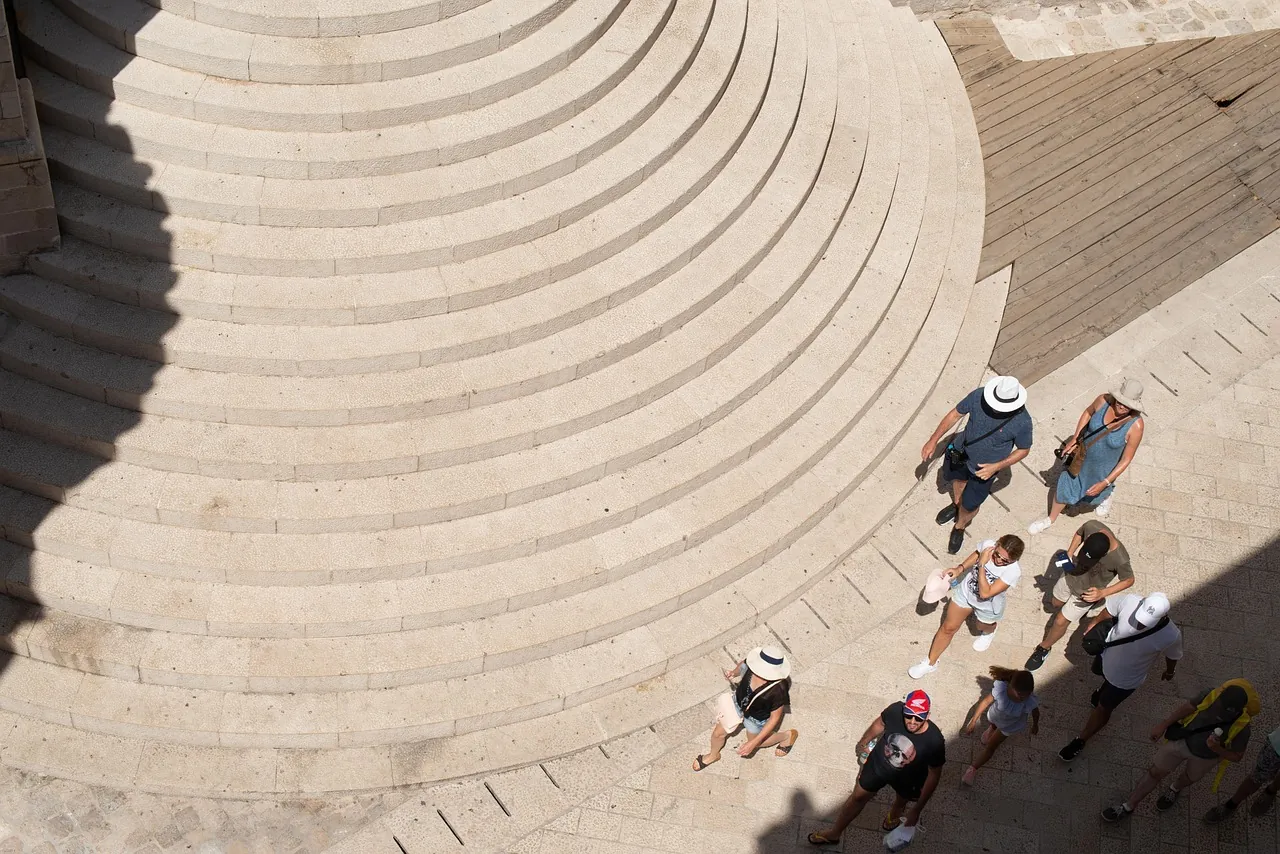
The streets inside the Old Town are paved with polished stone, which can become slippery, especially after rain. Many of them also have steep stairs.
City buses are adapted for passengers with disabilities, but you need to ask the driver to lower the ramp. Drivers are accustomed to assisting passengers, so do not hesitate to request help when boarding or exiting.
If easier access is important to you, consider staying outside the city walls, for example in Lapad or Babin Kuk, where the terrain is flatter and moving around is generally simpler.
Many of Dubrovnik’s most iconic viewpoints require some physical effort, but you can still enjoy beautiful scenery without major climbs. Porporela, Lapad promenade or certain accessible sections of Mount Srđ reachable by car or taxi offer excellent views with less strain.
Several beaches in Dubrovnik and the surrounding area are adapted for visitors with reduced mobility. Sea-entry lifts have been installed at Mandrač Beach, Copacabana Beach, Zaton Veliki, the beach near the fire station in Zaton, Donje Čelo Beach on Koločep and the beach in Suđurađ on Šipan.
Do you need a car in Dubrovnik?
In Dubrovnik, a car is often more of a burden than a benefit. Parking is limited, expensive and often stressful. If you are not planning day trips outside the city, you probably will not need one.
Many hotels and private hosts offer parking as part of the accommodation, so it is always worth asking in advance.
Dubrovnik is compact, and the Old Town is closed to traffic. Many visitors who arrive by car end up leaving it parked for most of their stay, using buses or walking instead, while paying high parking fees. Consider carefully whether you truly need a vehicle.
Crowds in Dubrovnik and how to avoid them
Crowds in Dubrovnik are not a myth. They are very real. The good news is that they are also predictable.
The largest concentrations of visitors in the Old Town occur in summer, especially on days when cruise ships arrive. Most ships dock in the morning, although there are occasional evening arrivals. Cruise passengers typically reach the Old Town in organised groups about an hour after docking.
If you want to avoid peak congestion, check the Dubrovnik Port Authority cruise schedule for the day you plan to explore the Old Town. If your itinerary is flexible, simply avoid the time window when cruise groups are entering the city.
In general, the best time to explore the Old Town is early in the morning, before 8 am, or later in the afternoon, when organised groups disperse and the atmosphere becomes calmer.
Food and drink: where to eat and what to try
With more than 100 years of tourism tradition, Dubrovnik has a wide range of restaurants. However, location plays a major role in both price and overall experience.
The era of low-quality, quick-turnover restaurants serving only basic grilled dishes is largely behind us. Today, many places offer solid food rooted in local cooking traditions. Still, inside the Old Town, prices are noticeably higher simply because of the location.
If you want a relaxed meal you can genuinely enjoy, consider eating outside the Old Town, in areas such as Gruž or Lapad. You will find plenty of small restaurants and traditional konobas offering good food at more reasonable prices and with a calmer atmosphere.
Be selective when choosing where to eat fish and seafood. Locals tend to stick to places they trust. The safest approach is to ask your host for a recommendation. If you do not have anyone to ask, restaurants near small harbours are often a good choice, as they are frequently supplied directly by local fishermen.
As for what to try, some traditional dishes include zelena menestra, šporki makaruni and peka. For seafood, look for octopus salad, octopus prepared under peka, various types of shellfish, black cuttlefish risotto and oysters from nearby Ston. For dessert, try rožata. If you drink wine, taste the local Pelješac variety Plavac Mali.

Payments, cash and tips
Croatia has used the euro since 2023, and that includes Dubrovnik. Cards and contactless payments are accepted almost everywhere. Cash is still useful for small cafés, markets, public toilets and minor purchases, but for most everyday expenses, a card is sufficient.
For more detailed information on everyday travel basics in Croatia, see our guide Practical Local Travel Tips for Croatia (Water, Money, Internet & Everyday Basics).
Keep in mind that food prices in Croatia are relatively high, even in supermarkets. There is also a noticeable difference depending on location. In summer, prices increase in shops closer to the Old Town and in small neighbourhood stores. For groceries and daily essentials, it is better to visit a shopping centre or a large supermarket, often called a hypermarket in Croatia. Prices within the same retail chain can differ by up to 30 percent between a small local shop and a large hypermarket.
Tipping in Croatia, including Dubrovnik, is not strictly regulated, but it is common to leave around 10 percent in a restaurant if you are satisfied with the service. In cafés, people usually round up the bill or leave small change.
Tap water and small practical details
Tap water is safe to drink throughout Croatia, and locals drink it regularly. Many visitors buy bottled water out of habit, but it is not necessary here. It is practical to carry a reusable bottle and refill it at public fountains, such as Onofrio’s Fountain in the Old Town. You can also ask for tap water in cafés and restaurants.
When sitting down in a restaurant or café, it is neither unusual nor rude to ask for a glass of tap water, even if bottled water is offered first.
Public toilets
There are public toilets in the Old Town, located near Porat, Pile Gate and Ploče Gate. During the season, they are typically open until midnight. The fee is one euro per use, so if you rely mostly on card payments, it is wise to carry a few coins for situations like this.
The public toilets at Pile and Ploče are equipped with ramps and facilities adapted for people with disabilities.
Is Dubrovnik safe for tourists?
Croatia is one of the safest countries in Europe, with a very low rate of serious crime, and the same applies to Dubrovnik. Serious incidents are rare, and the general sense of safety is high, even in the evening and at night, as discussed in our guide Is Croatia Safe for Tourists? An Honest Look at the Adriatic Coast.
As in any popular tourist destination, you should keep an eye on your personal belongings. Pickpockets may operate in crowded areas such as Stradun or busy beaches like Banje. They are typically non-violent but quick and skilled, so keep your passport, money and phone secure.
One of the surprisingly common risks in Dubrovnik is related to selfies, and this is not an exaggeration. Visitors sometimes lean over walls or high viewpoints to get a dramatic photo and lose their balance. The locations themselves are safe when used normally, but careless behaviour can quickly turn them into a hazard.
It is also important to respect the sea, heat and weather conditions. Summer temperatures can approach 40°C, which can be dangerous, especially when combined with alcohol. Strong jugo winds can pull even confident swimmers farther from shore than expected.
Or, as Croatian grandmothers like to say: use your head.
Emergencies: 112, Dubrovnik hospital and pharmacies
In Croatia, the general emergency number is 112. You can call it even if you are in an area with limited signal or if your phone does not have a SIM card.
If you need urgent medical assistance, Dubrovnik hospital is well equipped and staffed by experienced doctors. If you hold a European Health Insurance Card, emergency treatment is covered under your health insurance. Visitors from outside the EU are usually required to pay for services on the spot, depending on their insurance coverage.
It is useful to know that the hospital primarily handles urgent cases. Non-urgent services are generally not available without a referral from a doctor.
For minor injuries, sun exhaustion or mild burns, visiting a pharmacy is often sufficient. Dubrovnik has a limited number of pharmacies due to its size, but there is always one on duty at night and during public holidays. Croatian pharmacists are well trained and can provide advice and recommend appropriate treatment for smaller issues, such as minor cuts or heat-related discomfort.
The main Dubrovnik attractions: what is truly worth it and when
Dubrovnik has many famous attractions, but the key to a good experience is not doing everything. It is doing the right things at the right time, with realistic expectations.
The Old Town
During your stay, leave space for an unhurried walk through the Old Town without chasing landmarks or forcing a strict schedule.
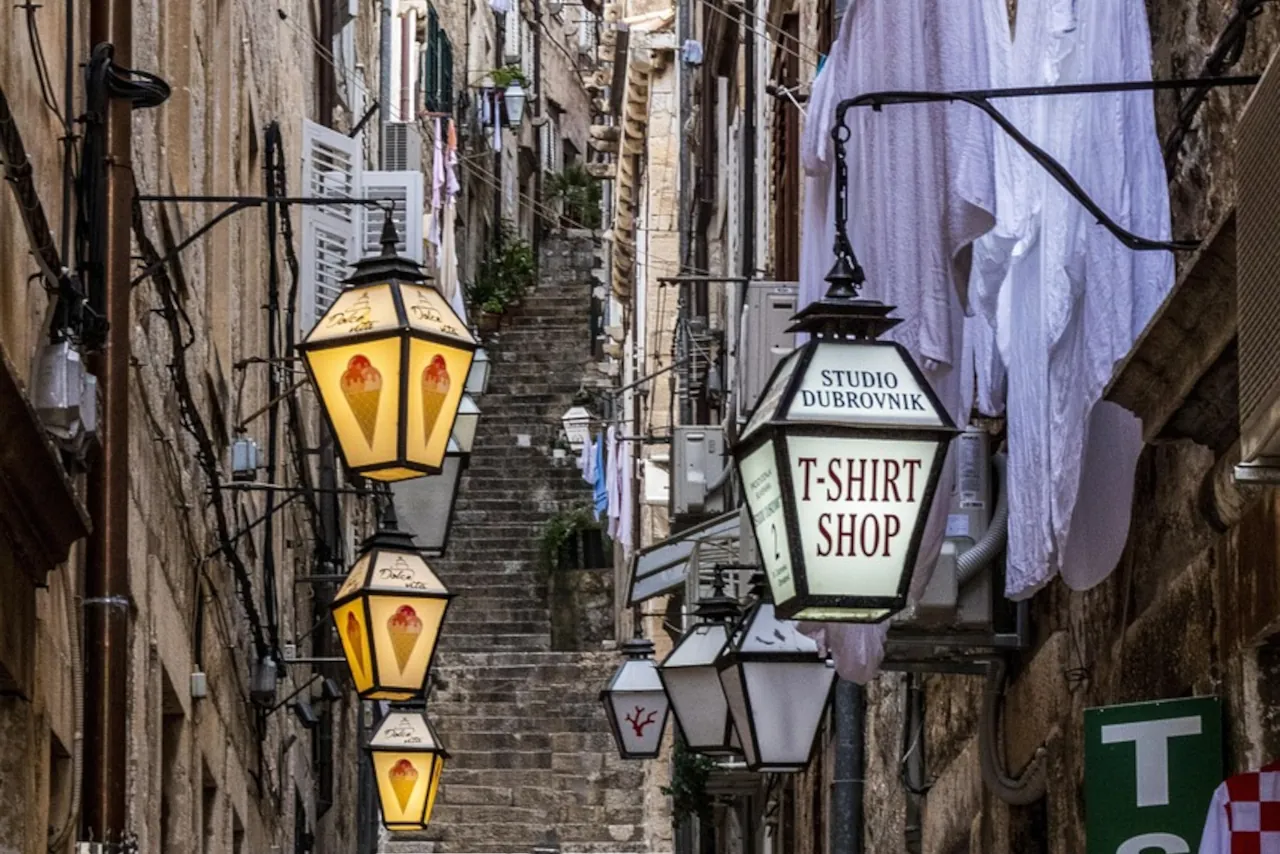
Wander through the narrow lanes, notice the historic façades, sit by the sea at Porporela and stop for a coffee or an ice cream. Walk towards Lazareti, drink water from Onofrio’s Fountain and try to keep your balance on the polished stone in front of the Franciscan Church. That is how you experience Dubrovnik in a more natural, local way.
If you would like a clearer breakdown of what is genuinely worth prioritising and what can be skipped, read our guide Dubrovnik’s Five Must-See Attractions (and 5 Popular Spots to Skip).
City walls and Fort Lovrijenac: how to do it smart
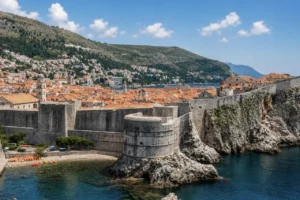
The Dubrovnik city walls are one of the most famous attractions in Croatia and, if your schedule allows, they are worth visiting. You are unlikely to regret it. However, they are physically demanding.
The full walk is about two kilometres and can take up to two hours. Under strong sun and high temperatures, it can be challenging even for fit visitors. In summer, the best time is early in the morning or later in the afternoon. If you happen to get a cloudy day during your stay, that is the ideal moment to go.
Always bring water, as there are no places to buy it along the route, and wear comfortable shoes.
In summer, tickets cost 40 euros for adults, 15 euros for children aged 7 to 18, and are free for children under 7. Outside the main season, prices are significantly lower: 20 euros for adults and 5 euros for children.
Many travellers do not realise that the Dubrovnik Pass can offer better value. For example, the one-day pass costs 40 euros and includes access to the city walls, Fort Lovrijenac, several museums and a one-day local bus ticket. It can result in considerable savings, especially since it also includes various discounts for attractions, restaurants and tours.
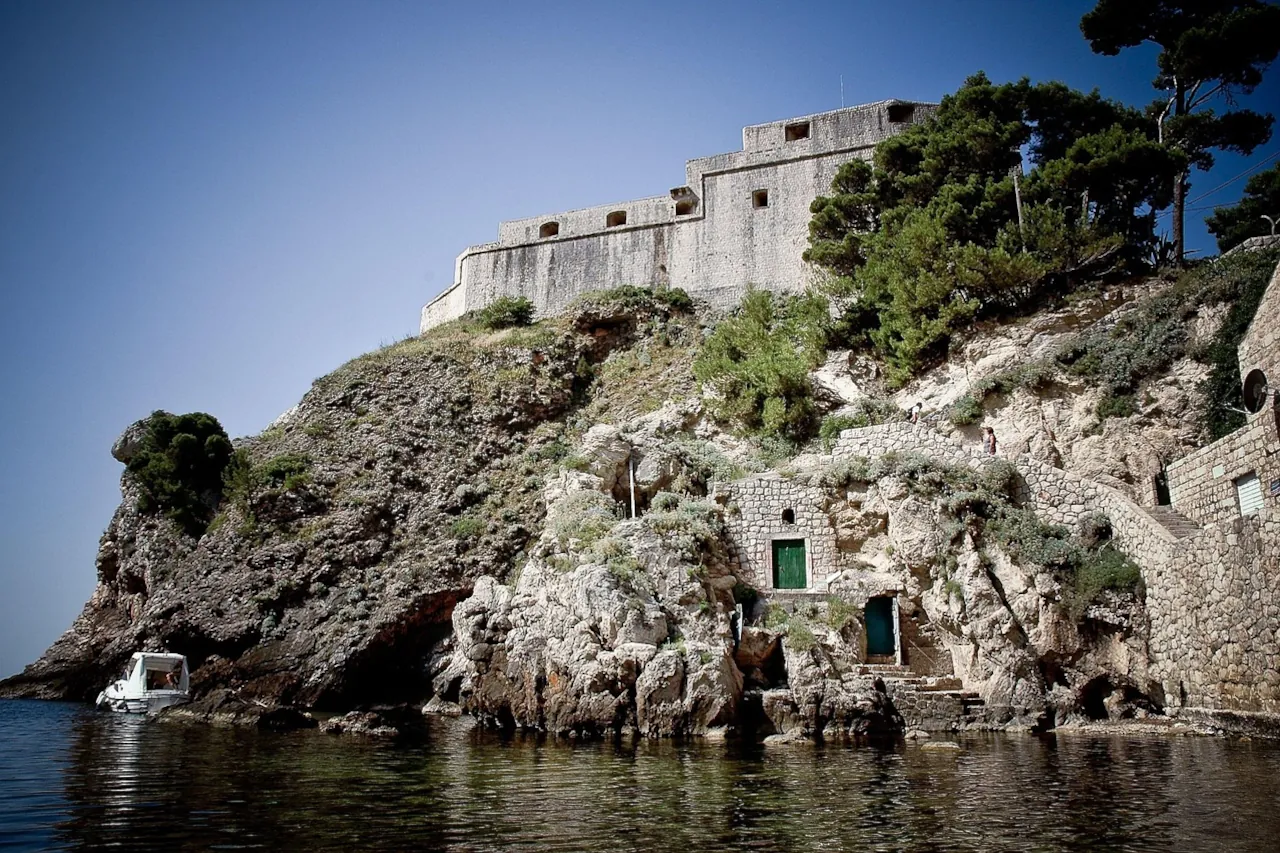
Fort Lovrijenac is another site that deserves attention. Built in just three months, it stands as a symbol of Dubrovnik’s independence and resistance against Venice. Above its entrance, the inscription reads: “Non Bene Pro Toto Libertas Venditur Auro” (“Freedom is not sold for all the gold in the world”). If you are in Dubrovnik during the Dubrovnik Summer Festival, attending a performance at the fort is a memorable experience.
Lokrum: what to expect and when to go
Lokrum is the island visible from the Old Town and is often described as a quick escape from the crowds. It can be, but it is important to know what to expect.
The island is a protected nature reserve. There are no hotels or apartments and visits are possible only as day trips. Boats depart regularly from the Old Town harbour, and the ride takes about ten minutes.
Lokrum is ideal for swimming, shaded walks and a short break from the city. The beaches are rocky, the sea is exceptionally clear, and entering the water can be slightly challenging, so water shoes are recommended.
Lokrum also gained global recognition through Game of Thrones. The island was used as the city of Qarth, and today you can see a replica of the Iron Throne where visitors take photos.
Game of Thrones locations in Dubrovnik
In Game of Thrones, Dubrovnik served as King’s Landing, the capital of Westeros.
Scenes were filmed on the city walls, at Fort Lovrijenac, on the stairs in front of St Ignatius Church, at Fort Bokar and in several other locations within the Old Town.
Today, many organised tours guide visitors through these filming sites, but you can just as easily explore them independently without joining a tour.
Mount Srđ: the best view with fewer crowds
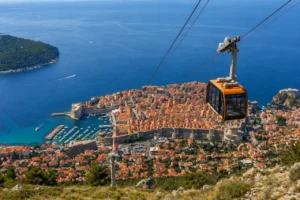
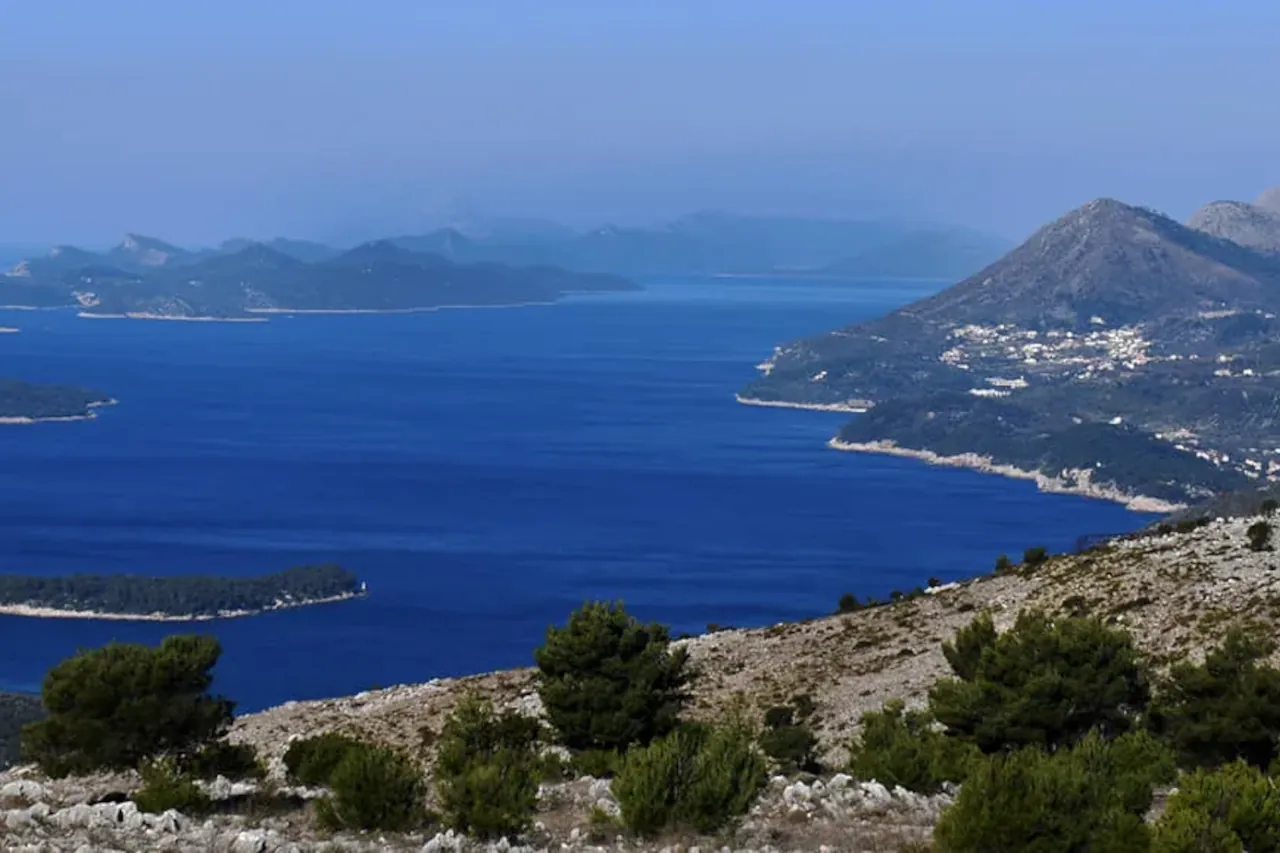
The view from Mount Srđ is one of the most iconic panoramas in Dubrovnik, and for good reason. From the top, you get a sweeping view of the Old Town, Lokrum Island and the surrounding islands and hills.
You can reach the summit by cable car, by car or on foot. The cable car is the easiest and most scenic option, but during the high season it often involves queues. A return ticket costs 30 euros per person.
Another option is to go by car, taxi or Uber. The drive takes around 20 minutes, and the price depends on the provider and time of year.
For those in good physical condition, there is also a hiking trail. It is steep, demanding and exposed, with very little shade, so start early and bring plenty of water.
At the top, you will find Fort Imperial, which houses the Croatian Homeland War Museum, as well as a restaurant with panoramic views.
If you want to avoid the busiest area around the fort and restaurant, walk a few minutes along the road toward the northwest. From there, the view opens towards the Elafiti Islands and the open sea, without the Old Town in the foreground. This is a spot where locals often come for a quiet walk or to watch the sunset.
Dubrovnik Pass
The Dubrovnik Pass can be a cost-effective choice if you plan to visit the city walls and at least a few additional attractions. It includes access to the walls, Fort Lovrijenac, several museums, a local bus ticket valid for a set number of days and various discounts for restaurants, tours and other services.
If you are already planning multiple visits, the Pass can result in meaningful savings.
Beaches in Dubrovnik: which one fits your style
Dubrovnik does not have many classic sandy beaches. Most are pebble or rocky, with exceptionally clear water.
The beaches closest to the Old Town, such as Banje and Šulić, are the most popular with visitors. Expect crowds and often loud music. Banje, in particular, attracts younger travellers looking for cocktails and a lively atmosphere by the sea.
If you prefer more space and a more local feel, head towards Sveti Jakov, Lapad or Babin Kuk. These areas are generally less crowded, locals swim there and you still have cafés and family-friendly facilities nearby. They are a good choice for a relaxed beach day. Just keep in mind that Sveti Jakov involves a long and steep staircase down to the beach, and the climb back up after a full day in the sun can be demanding.
If you want to stay relatively close to the Old Town but prefer a quieter, more natural setting, consider Boninovo or Bellevue. Boninovo is a rocky beach shaded by pine trees. At Bellevue, you have two options: an organised pebble beach in front of the hotel or rocky sections where locals swim.
Bellevue is also known for cliff jumping. If you are tempted to try it, speak to locals first. They know where it is safe to jump and where it is dangerous due to shallow water or submerged rocks.
If you can dedicate a full day to swimming and relaxing, go to the port in Gruž and take a boat to nearby islands such as Lopud or Koločep. There you will find crystal-clear water and beaches that are usually less crowded. You can end the day with a seafood meal in a small seaside restaurant before returning. Jadrolinija boats run several times a day starting from 10:00, and the last return to the mainland is at 18:30. A one-way ticket costs 5.40 euros per person.
Safety at the beach
Respect the sea. Strong jugo or bura winds can quickly change conditions. Before entering the water, observe the sea state and listen to local advice. On rocky beaches, never enter the sea when large waves are crashing against the rocks and currents are strong. This can be extremely dangerous.
Also, do not underestimate the sun. Sunburn can happen quickly during the hottest hours and can easily ruin several days of your holiday.
Beach safety also includes your belongings. Even locals are cautious, especially at crowded beaches like Banje. Their solution is simple: bring as little as possible. For the beach, you usually need only a towel and a swimsuit. Hide your accommodation key in your hat or inside your shoes. Leave your phone, money and especially your passport at your accommodation whenever possible.
The risk of theft is significantly lower on beaches frequented mainly by locals. Thieves rarely target them, and if something suspicious happens, someone is likely to notice and react.
Sunset spots and the evening rhythm
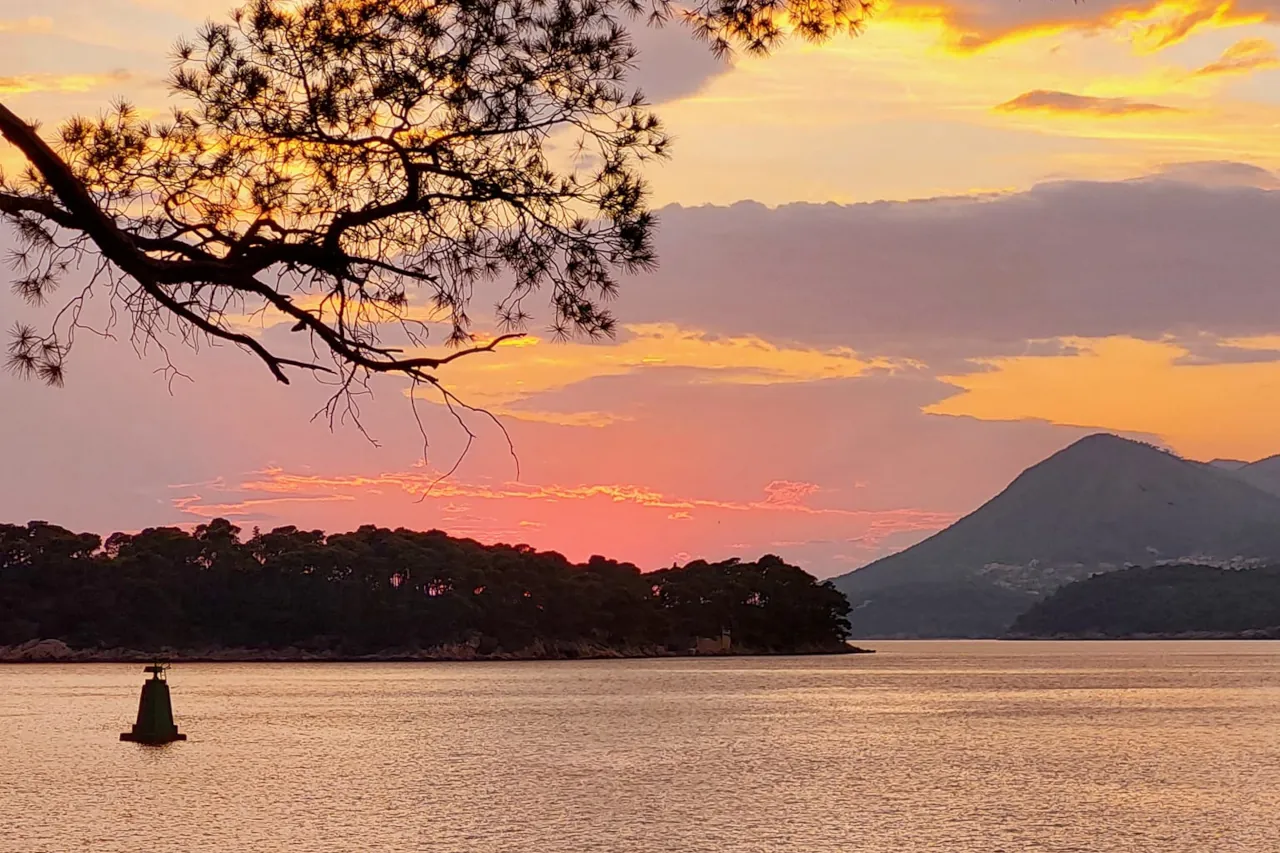
The most famous sunset viewpoint is Mount Srđ, but it is far from the only option. If you want to watch the sunset without climbing, Porporela is a classic choice. You sit by the sea, watch the lights of the Old Town slowly turn on and experience the atmosphere without excessive noise.
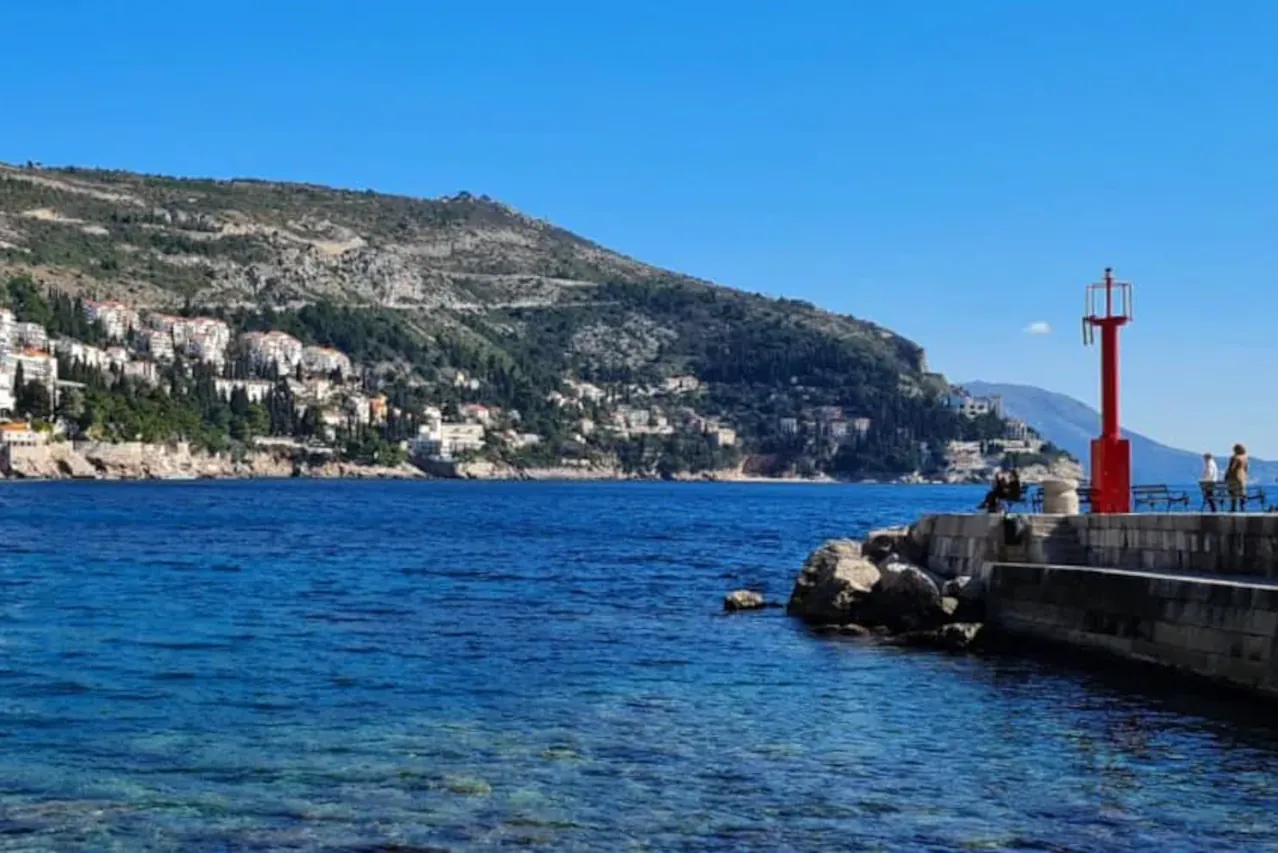
The Lapad promenade and the walking paths around Babin Kuk are excellent in the evening if you prefer a slower, more local rhythm.
For evenings in the Old Town, timing makes a difference. If you are looking for a less touristy experience, a simple strategy works well: have dinner and a drink outside the city walls, then take a relaxed walk through the Old Town later, once the organised groups begin to thin out.
Dubrovnik is not primarily a party destination, but there are options. In the Old Town, Club Revelin is the most well-known venue, though prices are high. There are also party boats and events organised on nearby islands. If that interests you, check with local agencies in advance, as tickets for popular events can sell out quickly.
Day Trips from Dubrovnik
If you are staying for several days, day trips are a great way to change the rhythm of your stay. Just avoid planning them every single day. That quickly becomes exhausting, and you may end up spending more time in transit than actually enjoying the place.
If you are planning to visit nearby islands, see our Dubrovnik ferry guide for 2026: How to get to the Elaphiti Islands, Lokrum, Mljet, Korčula, Hvar and Split.
Cavtat
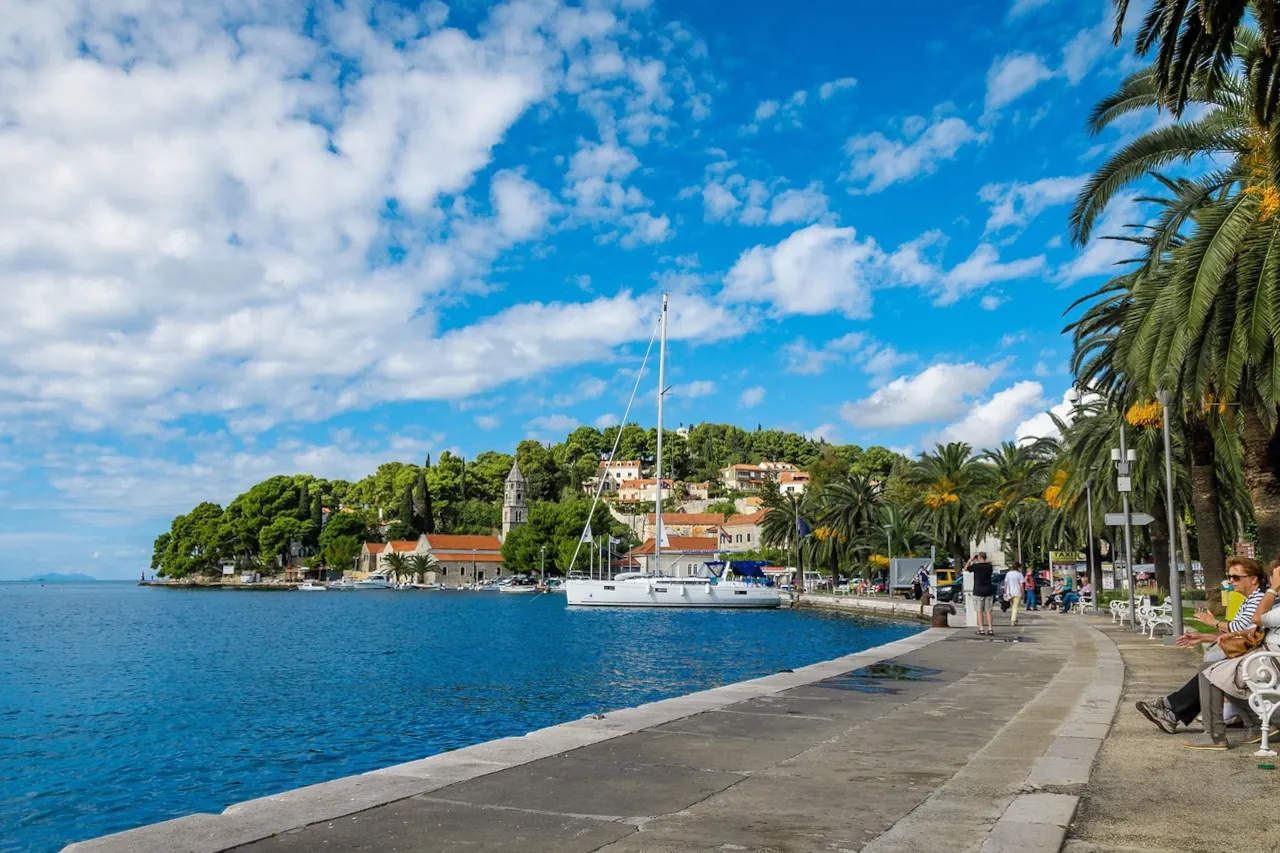
Cavtat is a small seaside town south of Dubrovnik, ideal for a half-day or full-day trip. Its waterfront promenade, cafés and restaurants make it perfect for a slower pace.
You can reach Cavtat by bus or by boat, and the atmosphere is noticeably calmer than in Dubrovnik. Libertas bus line 10 runs regularly, the journey takes about 30 minutes, and a ticket costs between 3 and 4 euros depending on where you purchase it.
Trsteno and the surroundings
Trsteno Arboretum is known for its historic gardens and coastal setting. It makes a pleasant excursion, especially in spring or autumn. After walking through the gardens and exploring the estate, you can spend time swimming or relaxing nearby.
Libertas buses operate on this route as well. The ride takes around 20 minutes and the ticket costs approximately 3 euros.
Ston
Ston is famous for its medieval walls, saltworks and oysters. From Dubrovnik, you can reach it by bus in about 45 to 60 minutes. Tickets range from 6 to 10 euros depending on the carrier.
Plan Ston as a full-day trip. Although small, it offers plenty to see. Visit the historic saltworks, the only one in Croatia that still produces unrefined sea salt, walk along the impressive defensive walls toward Mali Ston, and finish the day with oysters cultivated in the Bay of Ston.
Mljet
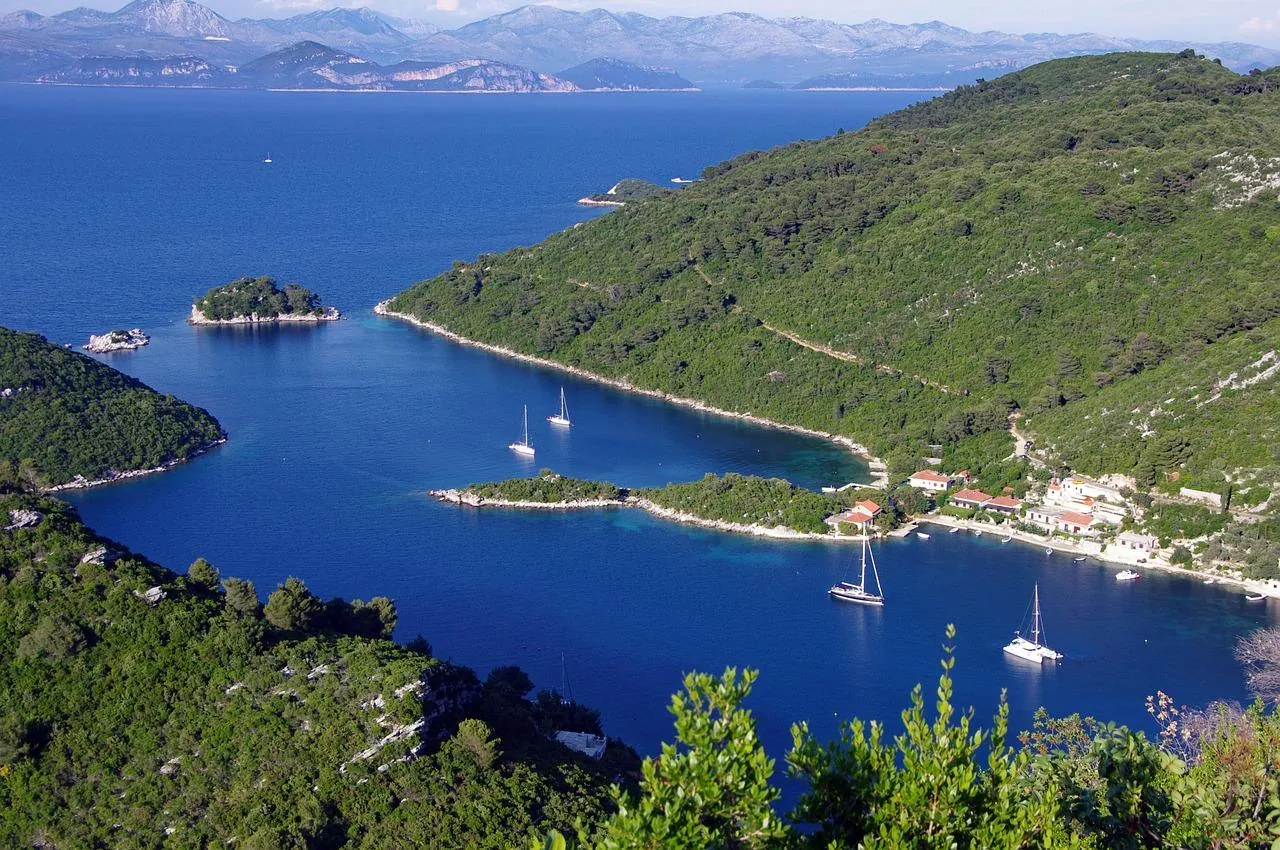
Mljet is one of the most beautiful and tranquil islands in southern Dalmatia, ideal for a nature-focused escape. The highlight is Mljet National Park, with its two saltwater lakes and the islet of St Mary. You can walk, cycle or swim in water that feels almost unreal in its clarity.
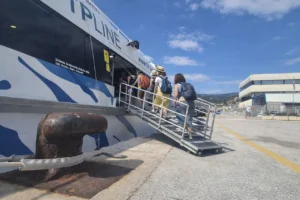
Catamarans connect Dubrovnik with Pomena, Polače or Sobra, depending on the line. The journey takes between 1.5 and 2 hours, and ticket prices range from 8 to 10 euros per person.
This is best planned as a full-day trip with an early departure. Return connections are limited, and the island’s rhythm is naturally slow and relaxed.
Kotor
Kotor is a popular cross-border day trip, but in summer the border crossing can take more than an hour in each direction. If possible, consider staying overnight rather than attempting it in one day.
Buses depart regularly from the Gruž bus station. The journey takes around 2.5 hours, and tickets cost approximately 30 euros per person each way.
Other options
Other popular one or two day trips from Dubrovnik include Mostar and Sarajevo in Bosnia and Herzegovina, especially if you want to experience a different architectural and cultural atmosphere within a relatively short distance.
Trebinje is closer and less touristy, with a charming old town and nearby vineyards. Međugorje attracts visitors interested in religious travel. The Neretva Delta is known for windsurfing, birdlife and photography.
Sea lovers often explore the Elafiti Islands independently, including Šipan, Lopud and Koločep, while Pelješac is a good choice for wine, local food and quieter coastal towns. If you have more time, consider Korčula or the rural inland area of Konavle, with its villages, vineyards and slower pace.
For all cross-border trips, make sure your travel documents are valid and factor in potential border delays during the summer season.
How many days are enough for Dubrovnik?
This is one of the most common questions. Realistically, two to three days are enough to get a solid feel for Dubrovnik and see the main attractions without rushing too much.
If you prefer a slower pace and do not want to move from one highlight to another, five to seven days is ideal. That gives you time for the islands, nearby day trips, beach days and relaxed exploration of different neighbourhoods.
The key is balance. Alternate active days with slower ones so your stay does not turn into an exhausting schedule of constant departures, tours and transfers.
A realistic budget framework
Dubrovnik is not a cheap destination, especially in summer. However, with thoughtful planning, costs can be managed.
In general, a basic daily budget starts at around €150 per person, while a more comfortable stay can easily exceed €250, particularly in peak season. Travelling outside the main summer months can reduce costs noticeably, especially for accommodation.
For a full breakdown of prices, seasonal differences and practical ways to avoid overpaying, see our detailed guide Is Dubrovnik Expensive? What to Expect and How to Avoid Overpaying.
The Best Time to Visit Dubrovnik
Each season has advantages and drawbacks. Summer is the liveliest period, ideal for swimming and festivals, but it also brings the largest crowds and the highest prices. July and August are the most intense months, with very high temperatures and heavy cruise ship traffic.
June and September are often the best compromise: the sea is warm, the days are long and the crowds are slightly more manageable. It’s excellent for sightseeing, walking and day trips. Temperatures are pleasant and the overall atmosphere is calmer.
Swimming is generally possible from May through the end of October, depending on your personal tolerance for cooler water. Sea temperatures around 20 to 22°C can still feel refreshing and air temperatures are usually comfortable. During this period, most services continue to operate, so you experience much of what summer offers but with fewer crowds.
Winter in Dubrovnik is quiet and local. Many seasonal restaurants and attractions close, and ferry and bus schedules are reduced. In that case, having a car or renting one can make getting around easier. Prices are lower, and there are fewer crowds, but also fewer options for dining and entertainment. Winter suits travellers who want to experience the city and surrounding area at their own pace, without pressure or noise.
Where to stay: Old Town, Lapad, Babin kuk or Gruž
If you want to be in the centre of everything, with most sights just a few minutes away on foot, staying inside the Old Town or right next to the city walls is the most practical option. However, be prepared for higher prices and more noise, especially in summer. There is also no direct car access inside the walls.
If you prefer a calmer atmosphere with beaches and evening walks, Lapad and Babin Kuk are excellent choices. These areas offer more greenery, more hotel options and generally more family-friendly facilities.
Gruž is a practical option if you want to be close to the port and the main bus station, especially if you plan multiple day trips. It is well connected by local bus lines to the Old Town, the islands and the wider region, but without the intensity and noise of the historic centre.
If you are travelling with children or staying longer, neighbourhoods outside the walls often provide more space, easier parking and a simpler daily routine. Dubrovnik is compact, and thanks to reliable public transport, being “away from the centre” usually means no more than a 10 to 15 minute bus ride.
Common mistakes and what visitors wish they had known earlier
Knowing the most common mistakes travellers make in Dubrovnik can save you time, money and unnecessary frustration.
The most frequent mistake is entering the Old Town exactly when cruise ships release their organised groups. That is when the city is at its loudest and most crowded. If you arrive during that window, change your plan. Go to the beach instead and leave the Old Town for late afternoon or early evening.
The second mistake is underestimating stairs, sun and physical effort, particularly for the city walls and Mount Srđ. These are not activities for flip-flops and no water.
The third mistake is renting a car “to make things easier”, only to spend time dealing with parking stress and expensive zones, while mostly moving around on foot or by bus.
The fourth is choosing the first restaurant in the most crowded street without checking anything, then concluding that all of Dubrovnik’s food is overpriced and disappointing. Some of the best meals are just ten minutes away from the walls.
And the fifth, perhaps the most important, is overplanning. Filling every day with tours, trips and constant movement.
Dubrovnik, like much of the Croatian coast, rewards travellers who leave space for wandering, sitting by the sea and unplanned moments.
How to plan your time in Dubrovnik: 3, 5 and 7 day ideas
If you are wondering how many days to spend in Dubrovnik, here is a loose 3, 5 and 7 day itinerary framework to help you structure your stay.
2 to 3 days in Dubrovnik
If you have three days in Dubrovnik, keep it simple. Spend one day in the Old Town without rushing, dedicate one day to a major highlight such as the walls or Mount Srđ and keep the third day for the sea and recovery.
On day one, explore the Old Town early in the morning or later in the afternoon. Wander the side streets, sit at Porporela and absorb the rhythm without following a strict checklist. On day two, visit the walls during a cooler time of day and consider adding Fort Lovrijenac while you are nearby. On day three, choose between Lokrum or beaches in Lapad and Babin Kuk, depending on whether you prefer shaded walks or a classic beach setting.
5 days in Dubrovnik
With five days, you can space things out more comfortably. Use the first two days for the Old Town, the walls and Lovrijenac without packing everything into a single schedule. Keep day three for Lokrum or a beach day. Use day four for a relaxed day trip, such as Cavtat or the Elafiti Islands. Leave day five flexible for repeating what you enjoyed most or simply slowing down.
7 days or more in Dubrovnik
With seven days or more, Dubrovnik becomes significantly easier to experience. You can add two day trips without feeling rushed, for example Cavtat or Trsteno on one day, and the Elafiti Islands or Lopud on another. In between, build in plan-free days: a morning coffee outside the walls, a late afternoon swim, an evening walk along Lapad.
For a longer stay, balance is everything. Dubrovnik works best when you stop treating it as a checklist of sights and start using it as a base for small outings, always returning to the same calm rhythm.
If Dubrovnik is just one stop on your trip and you have broader questions about travelling in Croatia, from transport to everyday costs, you can find more practical answers in our Croatia Travel FAQ.