The journey from Split to Dubrovnik is one of the most travelled coastal routes in Croatia, especially in summer. Whether you prefer a scenic boat ride, an affordable bus, freedom of driving or the comfort of a private transfer, each option offers a different kind of experience.
Below is everything you need to know, from typical travel times to estimated costs, along with local-style advice to help you choose the right way to travel.
If you are still planning your overall stay in Dubrovnik, including where to stay and how many days to spend, see our Dubrovnik Travel Guide 2026 for a complete overview.
Quick answer: Split to Dubrovnik transport options
• Fastest: driving or private transfer (3.5 to 4 hours)
• Cheapest: bus (~€20, 4 to 5 hours)
• Most scenic: catamaran (€50, 4.5 to 6 hours)
• Most flexible: driving with stops
What is the best way to get from Split to Dubrovnik?
The best way depends on what matters most to you: price, comfort, flexibility or the overall experience.
If you want the cheapest option, the bus is the most practical choice. If you prefer comfort and a door-to-door experience, a private transfer is the easiest solution.
For a scenic journey, the catamaran offers the best views along the coast, while driving is the best option if you want flexibility and the freedom to stop along the way.
Split to Dubrovnik by bus: what to expect
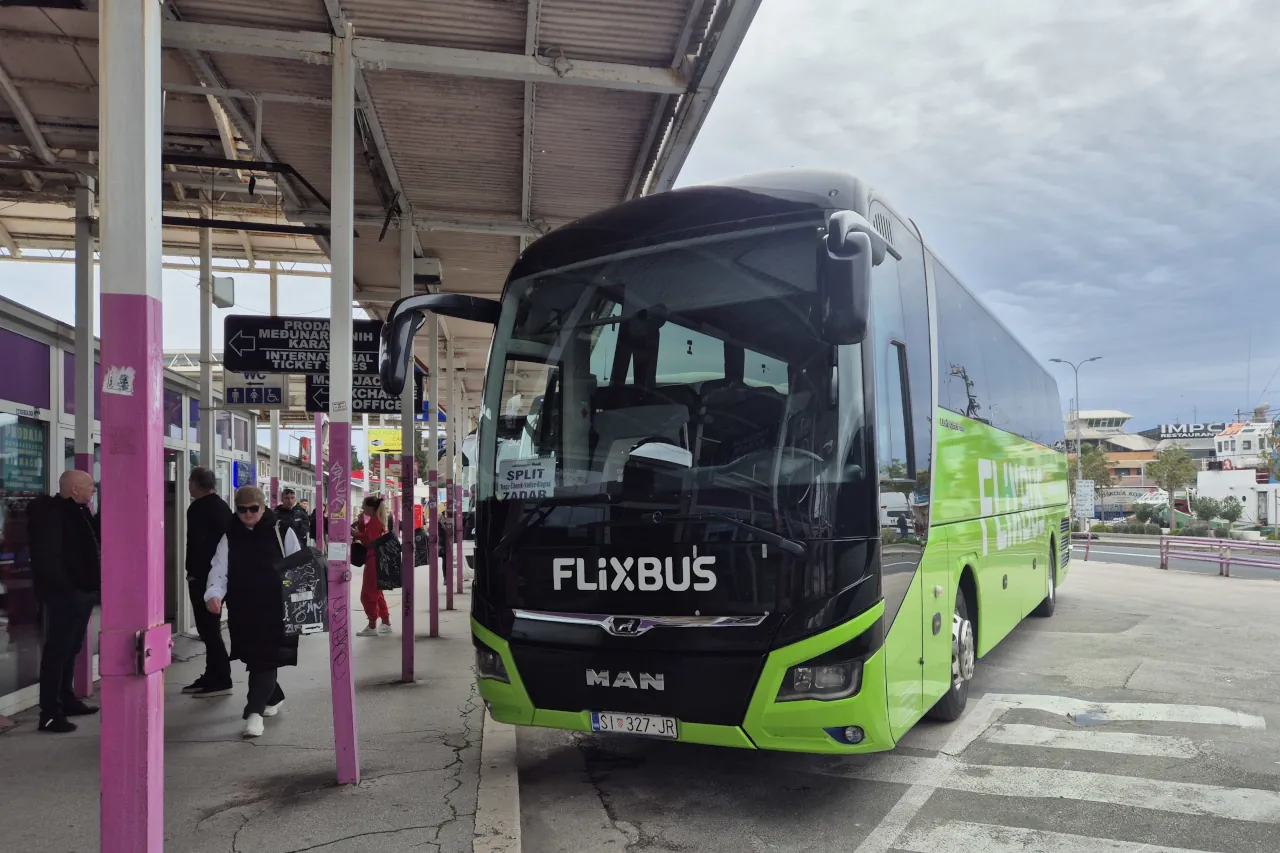
Intercity buses between Split and Dubrovnik depart from Split’s main bus station, located directly next to the ferry port and train station. For current timetables and departures, check the official Split bus station website.
The station is busy during summer and lines often form before each departure, so having your ticket ready helps you navigate the crowds more easily.
Planning Ahead in Peak Season
Buses on this route are frequent in high season, but it’s still important to plan ahead. Ticket prices usually range from €15 to €25, depending on the operator and how early you book.
Tickets can sell out days in advance, especially for morning and early-afternoon departures. Booking online is strongly recommended if you want to avoid last-minute stress or being forced to take a much later bus than planned.
Travel Time and Route Differences
Buses usually take between 4 and 5 hours, depending on the company and route. Some operators use the coastal road, stopping in many towns and villages along the way, while others take the highway and make far fewer stops, offering a more direct journey.
Large suitcases usually go in the storage compartment under the bus, while smaller bags or backpacks can be taken onboard.
It’s helpful to know that buses along this route often run behind schedule in peak season. Congestion, roadworks and heavy summer traffic can all add time, so keeping some flexibility is wise.
After arriving in Dubrovnik, you will get off at the city’s main bus station in Gruž. From there, local buses and taxis connect you to the Old Town, Lapad or other neighbourhoods in about 10–15 minutes.
If you don’t yet have a plan for your time in Dubrovnik, our guide Dubrovnik’s Five Must-See Attractions (and 5 Popular Spots to Skip) is a good place to start.
Useful local tip: If you prefer a quicker ride, choose companies that take the highway, they usually state this in their schedule.
Travelling by Sea: Boats and Catamarans from Split to Dubrovnik
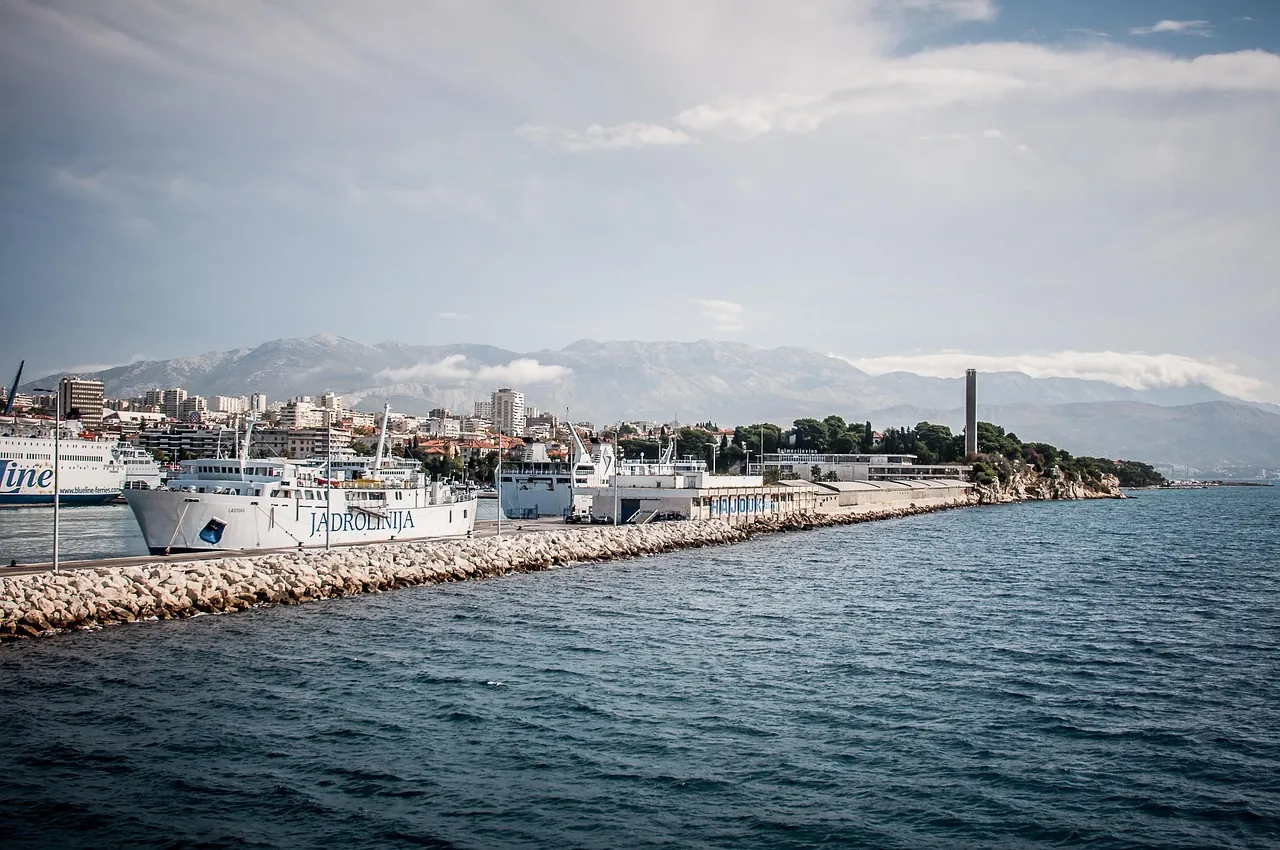
Split and Dubrovnik are not connected by a car ferry. Instead, summer routes are operated exclusively by fast passenger boats and catamarans, many of which make island stops along the way.
Boats and catamarans depart from Split’s main ferry port, located beside the Old Town promenade and waterfront pier. In summer, this area becomes one of the busiest parts of the city, so knowing your schedule in advance makes the experience smoother.
Journey Time and Island Stops
Travel by sea usually takes 4.5 to 6 hours, depending on the operator and number of island stops. Most summer routes include stops at islands such as Brač, Hvar, Korčula, and occasionally Mljet, each offering beautiful glimpses of harbours, stone towns and turquoise bays.
Tickets and Seasonal Demand
Adult tickets generally cost around €50, with reduced fares for children. Buying tickets at least a day in advance is essential in July and August, as departures regularly sell out.
Most lines operate only in warmer months and do not run in winter.
If you are continuing your journey or planning island stops, our Dubrovnik ferry guide for 2026: How to get to the Elaphiti Islands, Lokrum, Mljet, Korčula, Hvar and Split explains how routes, tickets and connections actually work in practice.
Weather Considerations
Cancellations are rare in summer, but strong winds like bura or jugo can delay departures. It doesn’t happen often, but travellers with tight schedules should be aware.
Sun, Views and Deck Tips
The boat ride is one of the most scenic ways to travel along the Croatian coast. The views as you exit Split and later approach Dubrovnik are often trip highlights.
However, the Adriatic sun can be intense. Apply sunscreen, bring a hat and avoid staying in direct sun during the hottest hours to prevent heat exhaustion.
Occasionally, dolphins appear along the route which is a memorable bonus.
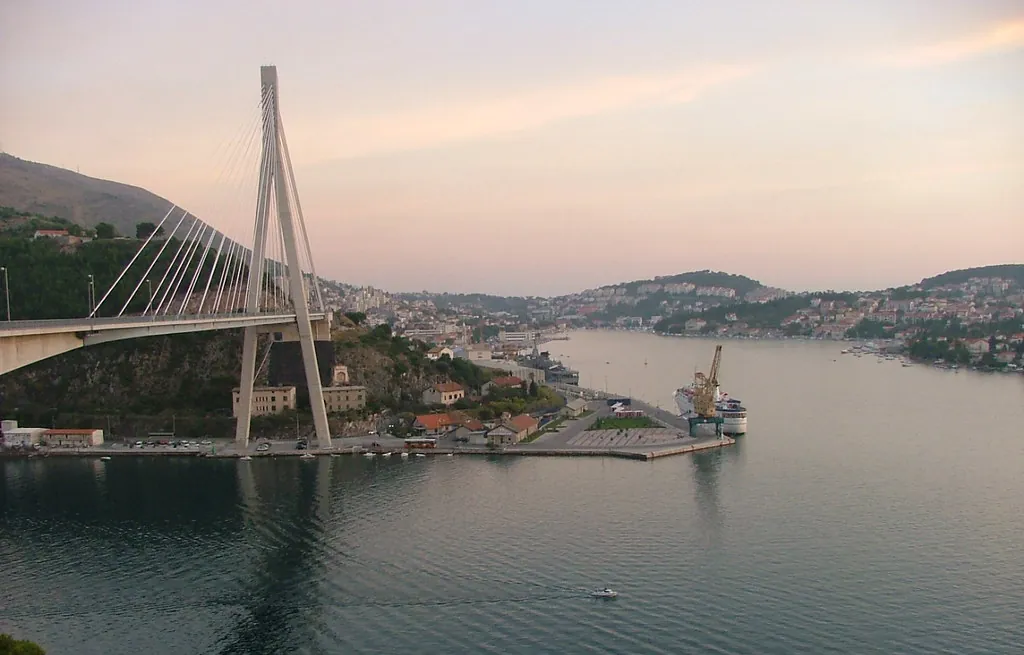
Your trip ends at Dubrovnik’s ferry port in Gruž, close to the main bus station. Taxis and local buses take you to the Old Town or other areas in 10–15 minutes.
Driving Yourself: Freedom, Scenic Views and Two Route Options
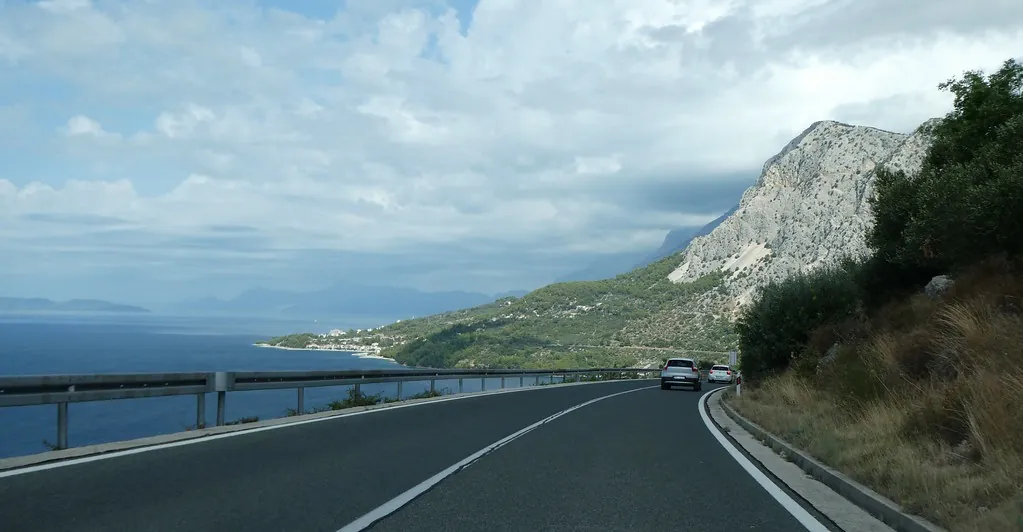
Driving from Split to Dubrovnik gives you full control over your schedule and some of the most beautiful road views in Croatia. There are two main ways to travel: the Jadranska magistrala (coastal road) or the highway.
Option 1: Magistrala – Scenic but Slow
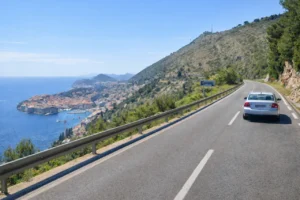
The coastal road runs through seaside towns, villages and lookout points that showcase the Adriatic at its best.
Sunset drives can be spectacular, while morning rides offer bright sea views on one side and pine-covered hills on the other.
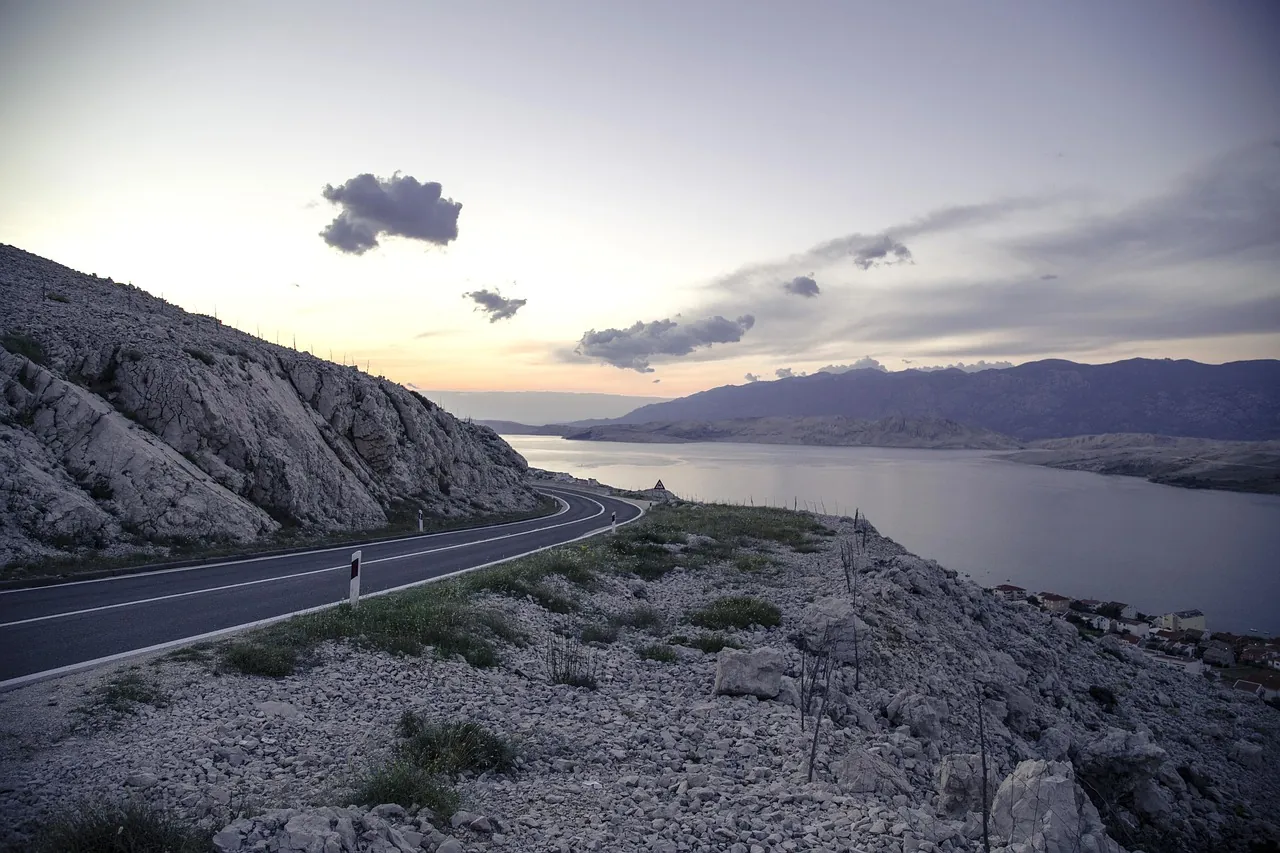
Summer traffic can be heavy, especially near beach towns and narrow sections. Locals advise driving very early or later in the afternoon when congestion eases, except during major tourist turnover weekends, when crowds move in both directions throughout the day.
One advantage of this route is the freedom it gives you. You can pull over for a quick swim, coffee stop or photo break whenever the scenery demands it. And it often will.
Just remember that even without stops, travelling via the magistrala takes at least 4 hours, often longer in peak season.
Night Driving Warning
Night driving is not recommended. Many travellers arrive after long journeys and fatigue combined with unfamiliar roads increases risk. Local drivers usually avoid the magistrala on this route after dark, unless necessary.
Option 2: Taking the Highway – Faster and Predictable
The highway route from Split toward Ploče is faster and more predictable. With one normal break, the trip usually takes around 3.5 hours.
There are only two service areas between Split and Ploče, so plan refuelling and breaks ahead of time.
After leaving the highway, you’ll rejoin the magistrala for the final stretch toward Dubrovnik.
| Option | Cost and time |
| Bus | €15–€25 per person · 4–5 hours |
| Catamaran | ~€50 per person · 4.5–6 hours |
| Driving | €40–€70 total · 3.5–4 hours |
| Private transfer | from €200 · 3.5–4 hours |
Parking in Dubrovnik: What You Need to Know
Parking in Dubrovnik is challenging in summer. Spaces are limited, especially near the Old Town and in popular neighbourhoods.
Always ask your accommodation whether private parking is included. Even if they mention “nearby street parking”, this does not guarantee an available space, street parkings are often completely full from May to October.
If that happens, you may need to use public paid lots, where prices range from €25 to over €100 per day, depending on the location.
Split to Dubrovnik Private Transfers: Stress-Free and Ideal for Groups
Private transfers are increasingly popular among families and groups who want a smooth, door-to-door journey without navigating stations or summer crowds. A driver picks you up at your accommodation in Split, helps with luggage and drops you directly at your address in Dubrovnik.
Travel time is similar to driving yourself, but without the stress of parking or unfamiliar road habits. Many drivers offer short scenic stops along the way, whether it’s a viewpoint, bakery or quick photo break.
Prices vary depending on the vehicle, route and number of passengers, but you can expect to pay from around €200 for two people. Most companies use experienced drivers, but it’s still wise to book through a verified agency rather than choosing the cheapest option. Always confirm the total price in advance.
Tipping is appreciated but not obligatory. A typical guideline is around 10% for the whole group, though the amount is always your choice.
If your driver goes above and beyond, offering local insight or making the trip more enjoyable, tipping extra is a nice gesture. Leaving a positive review can help even more, especially for small independent operators.
Local tip: Clarify the exact pick-up point, drop-off point and total cost at least a day before travel.
Travelling With Pets?
Policies vary widely and details can be confusing. Full guidance on travelling with pets is available in our dedicated guide Travelling Croatia With Pets: A Practical Local Guide.