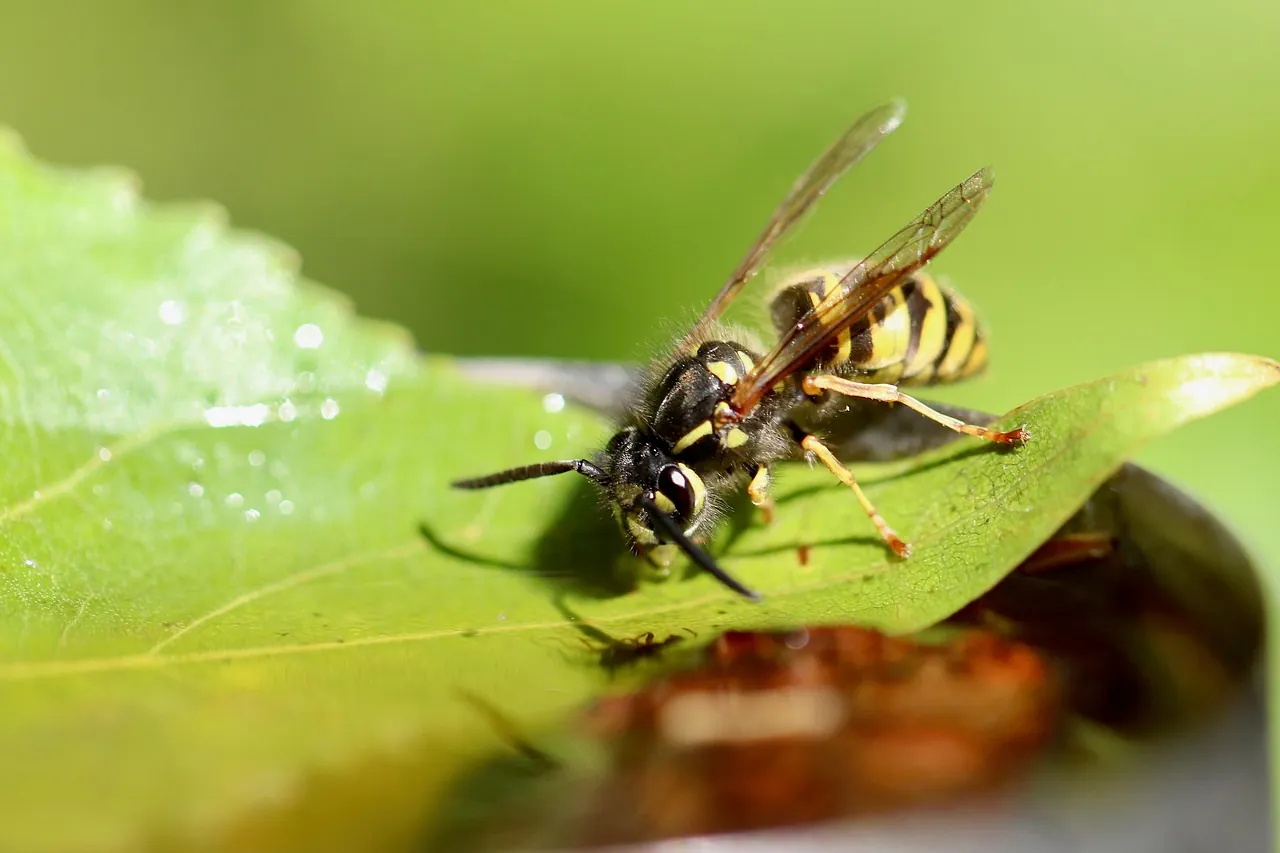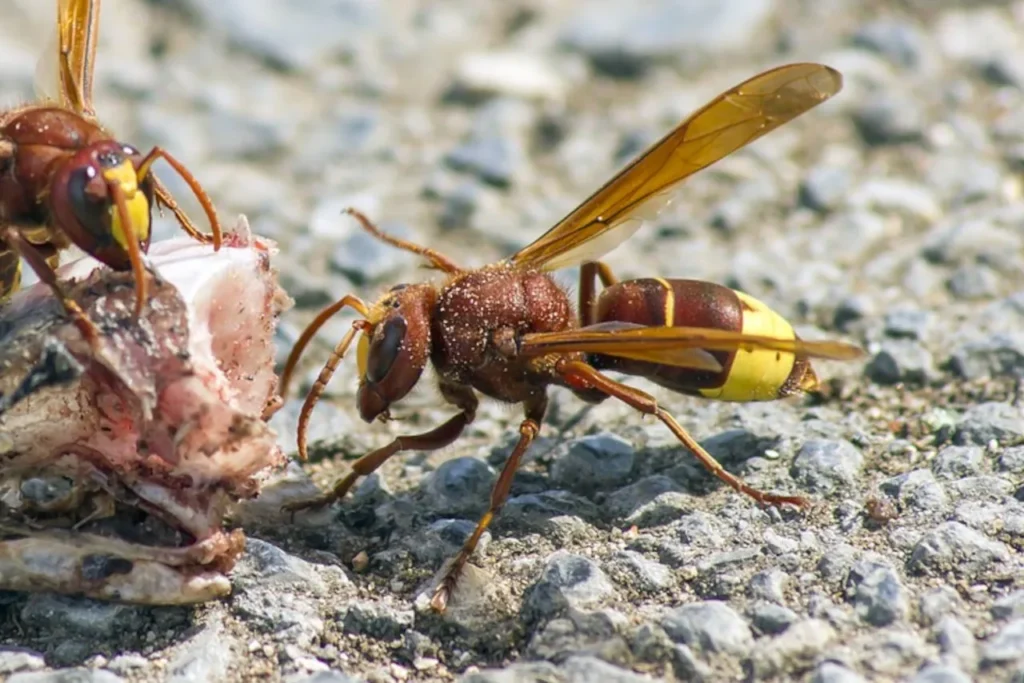
Large hornets occasionally spotted along the Adriatic coast have been attracting more attention in recent years, especially as reports of invasive species spreading across Europe become more common. However, not every hornet is dangerous and not every unusual sighting is a cause for alarm.
In recent years, sightings of the Oriental hornet in Croatia have attracted more attention and concern among the public. However, it is important to know that this species has actually been recorded in this region since the late 19th century.
Here’s what Croatia’s Ministry of Environmental Protection, which monitors invasive species in the country, says about its presence along the Croatian coast.
What exactly is the Oriental hornet?
Hornets are the largest social insects in the wasp family and an important part of the natural ecosystem. More than 20 hornet species have been recorded worldwide, but in Europe the most commonly mentioned today are the European hornet, the Oriental hornet and the Asian yellow-legged hornet.
While the European hornet is widespread across Europe, the Oriental hornet naturally inhabits warmer regions, ranging from the Middle East and North Africa to parts of southern Europe and the central Adriatic.
The Croatian coast lies at the very edge of its natural range, which is why occasional sightings of this species are considered expected. In recent years, it has been recorded on the island of Krk, around Split, Solin and Kaštela, as well as in Istria near Novigrad.
The Asian yellow-legged hornet has not been officially recorded in Croatia.
What does a hornet look like?
The Oriental hornet is very similar in size to the European hornet most people in Croatia are familiar with. Adult individuals usually grow between 25 and 35 millimetres long.
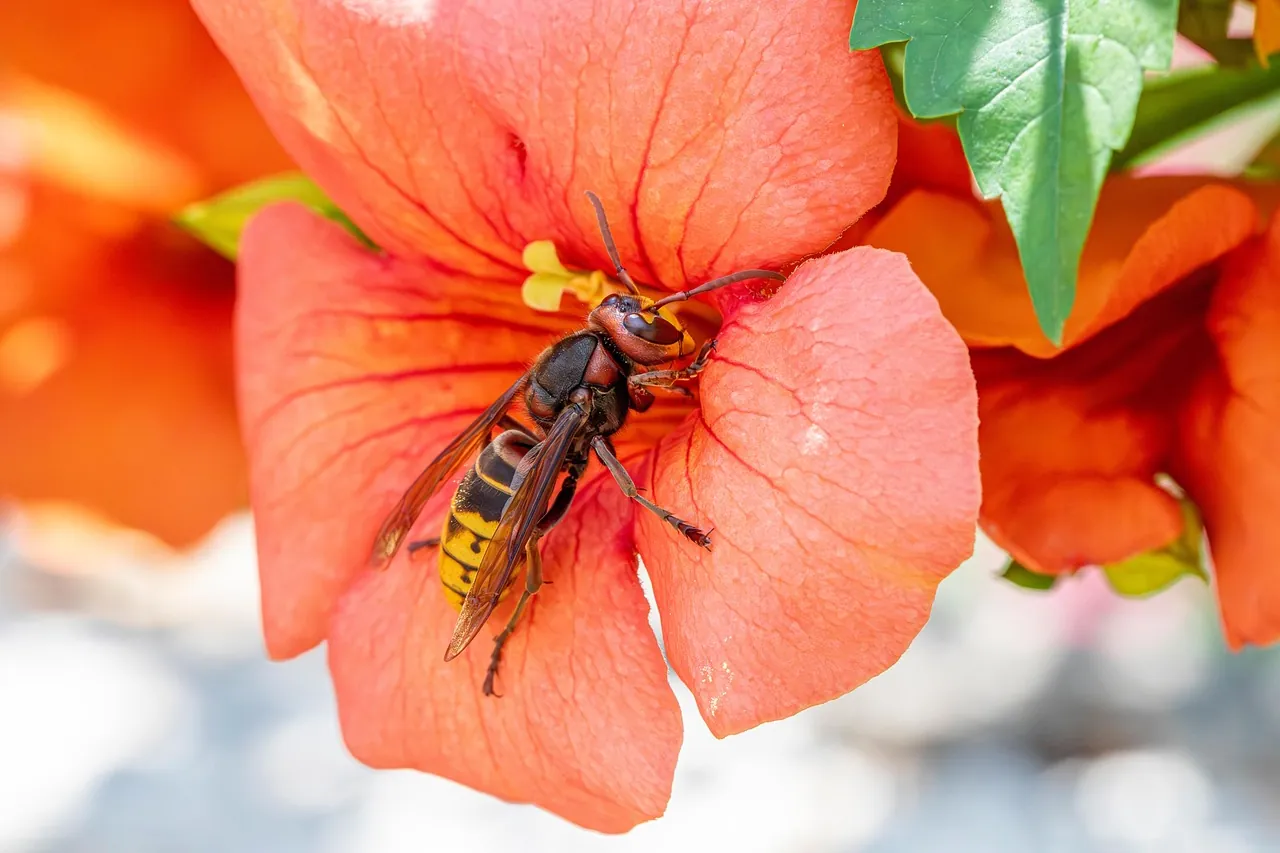
The easiest way to recognise it is by its colouring. Its body is mostly reddish-brown, while parts of the abdomen and the front of the head are yellow. Unlike the European hornet, which has more yellow colouring and darker stripes, the Oriental hornet appears darker and warmer in tone.
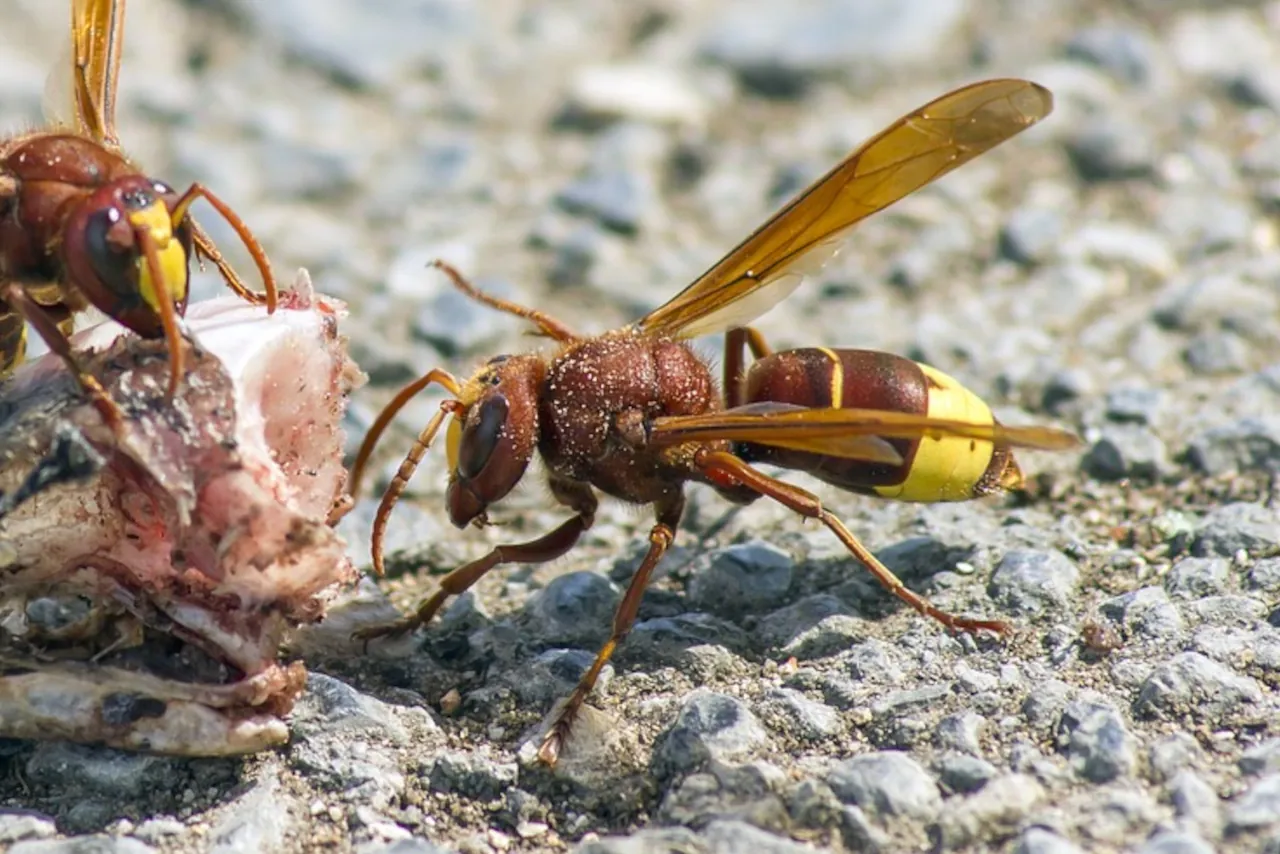
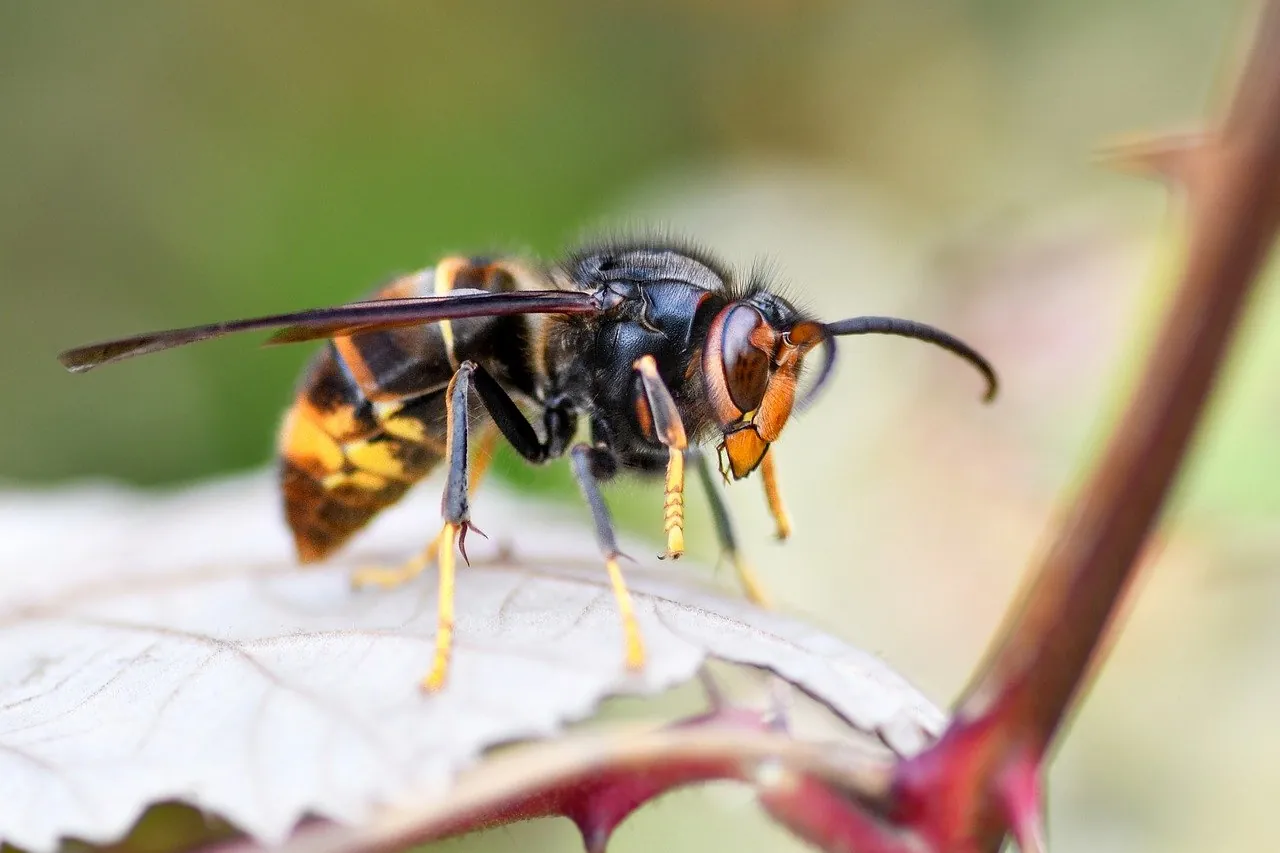
Many people mistake it for the Asian yellow-legged hornet, a species that has become a serious problem in some parts of Europe in recent years. However, the Asian hornet looks different: it is darker, almost black, has distinctly yellow legs and is slightly smaller than both the European and Oriental hornet.
The European hornet is the largest, usually growing between 25 and 35 millimetres long. It can be recognised by its yellow abdomen with dark markings, reddish-brown body and reddish head with yellow colouring on the front.
Are hornet stings dangerous to humans?
Although many people fear them, hornets are generally not aggressive unless disturbed. Like wasps or bees, they may sting when they feel threatened or when defending their nest.
Hornet stings are often believed to be extremely dangerous, but experts point out that the sting of a European or Oriental hornet is not more dangerous than that of a wasp or bee. Because of their larger size, the pain can feel more intense, but the greatest risk still applies to people who are allergic to insect stings.
Hornets spend most of their time hunting other insects or feeding on sweet juices and fruit. This is precisely why they play an important role in nature, helping control many pests, including aphids, caterpillars and other insects that can damage gardens and plants.
Why are hornets receiving more attention?
In recent years, hornets have received more attention because of the spread of invasive species across Europe, particularly the Asian yellow-legged hornet.
The Oriental hornet, however, is not a new invasive species in Croatia. Although it has been appearing again in several locations along the Adriatic coast in recent years, experts currently have no evidence of any sudden or dangerous population expansion.
Where do Oriental hornets build nests?
Like other hornets, the Oriental hornet begins building a small primary nest in spring, started by the queen. Later, as the colony grows, it moves into a larger secondary nest.
These nests can be found in hollow trees, under roofs, among rocks or in other sheltered places.
The Asian yellow-legged hornet most commonly builds large nests high in trees, often more than ten metres above the ground.
What to do if you spot Oriental hornet in Croatia?
If you see an unusual hornet, it is best not to try removing the nest or catching the insect yourself. Extra caution is needed if the nest is located close to houses or places where people spend time.
Sightings of Oriental and European hornets can be reported through the iNaturalist app, while suspected sightings of the Asian yellow-legged hornet can be reported through the Ministry of Environmental Protection’s invasive species reporting system.
What is the difference between a wasp and a hornet
Hornets are actually a type of wasp, but they are generally larger and more robust than common wasps.
They also tend to be less aggressive unless their nest is disturbed, and spend much of their time hunting other insects rather than gathering around human food and drinks.