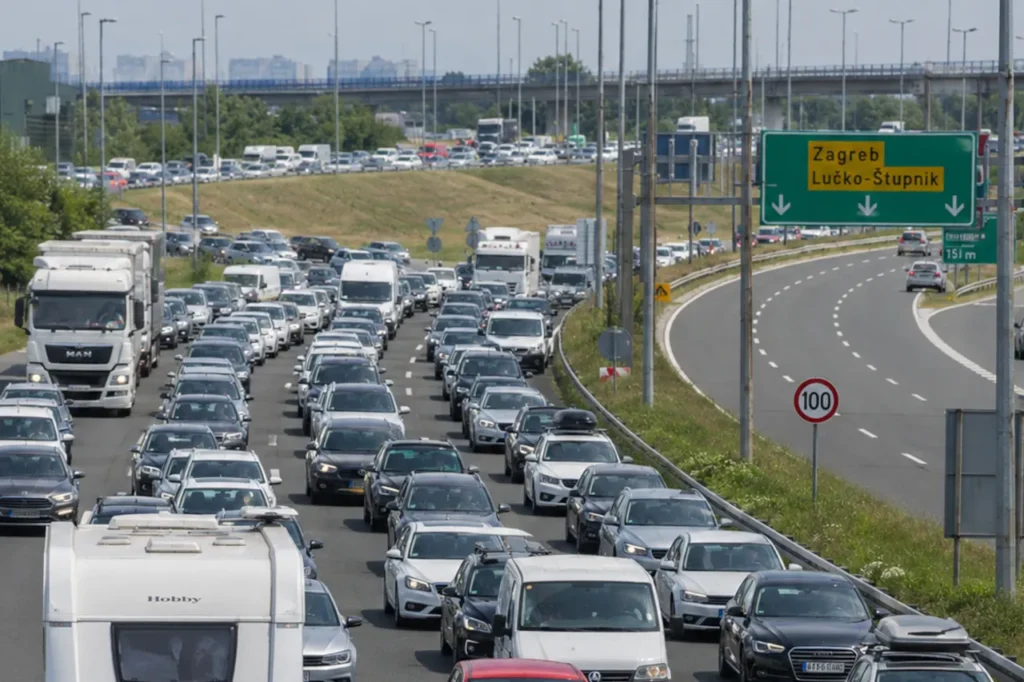
Traffic conditions on Croatian roads became more challenging on Sunday afternoon as travellers began returning from the coast, with queues reported on several major routes, including the A1 motorway towards Zagreb.
According to the Croatian Auto Club, HAK, a queue of around three kilometres had formed before the Grič Tunnel in the direction of Zagreb by mid-afternoon on Sunday, July 12.
Queues of approximately one kilometre were also reported before the Lučko and Demerje toll stations, while traffic was particularly heavy between the Bosiljevo 2 and Lučko junctions.
Drivers approaching Lučko from the Zagreb bypass were also facing delays. The queue towards the toll station was around two kilometres from the direction of the Buzin junction and approximately one kilometre from Zagreb West.
Heavy traffic in both directions on the A1
Although the heaviest afternoon traffic was moving inland towards Zagreb, traffic conditions on Croatian roads were also affected by increased traffic on several sections of the A1 towards the Adriatic coast.
Croatian Motorways reported heavier traffic towards Dubrovnik on sections between Lučko and Karlovac, Karlovac and Bosiljevo, through Lika and south of the Sveti Rok Tunnel.
Road surfaces were mainly dry, although HAK warned that roads were wet and slippery in some parts of the country.
Drivers were advised to monitor traffic conditions on Croatian roads, expect slower traffic near tunnels, toll stations and roadwork zones, and maintain a safe distance between vehicles.
A pedestrian was also reported on the A1 between the Podi and Danilo junctions in the direction of Dubrovnik. Traffic continued in two lanes with a speed limit of 80 kilometres per hour.
Korčula road open but drivers advised to avoid it
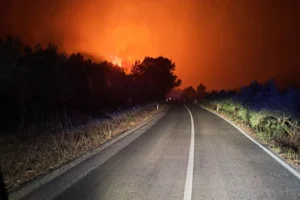
The DC118 road connecting Vela Luka and Korčula has reopened following the large wildfire on the island.
However, HAK advised drivers not to use the road while firefighting operations continue and the affected area has not yet been fully secured.
Anyone travelling across Korčula should check the latest local traffic and emergency information before departure.
More delays possible on Monday
HAK expects increased traffic to continue on Monday, July 13, particularly during the morning and afternoon rush periods.
Temporary queues are possible on the A1 between Lučko and Bosiljevo in both directions, as well as at the Lučko and Demerje toll stations.
Delays may also occur:
- around roadworks on the Istrian Y motorway
- on sections of the DC1 state road
- on the Krk Bridge and roads across the island of Krk
- on approaches to popular destinations along the Adriatic Highway
- at border crossings with Bosnia and Herzegovina, Serbia and Montenegro
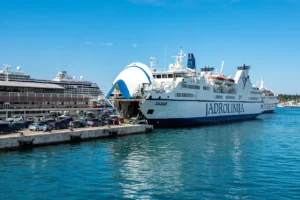
No significant disruption is currently expected in ferry traffic.
Overnight traffic stops begin on the A1 and A6
From July 13 to August 12, traffic may be temporarily stopped overnight to allow extraordinary transports to pass.
On the A1, interruptions lasting up to 15 minutes may occur between 1 am and 5 am near Karlovac, Demerje, Lučko and Zagreb West in the direction of Zagreb.
Similar temporary stops are planned on the A6 between the Rijeka toll station and the Kikovica junction from 1 am to 4 am.
Additional short overnight closures remain possible near the Bisko junction on the A1 until the end of July.
Travellers driving overnight should allow extra time, even when roads appear relatively quiet.
What drivers should know before setting off
Traffic conditions on Croatian roads can change quickly during the busy summer season, especially following accidents or vehicle breakdowns.
Those using the A1 towards Zagreb may avoid some delays at toll stations by using electronic toll collection, while travellers without ENC should be prepared for queues during the busiest afternoon and evening periods.
Drivers should check the latest traffic conditions on Croatian roads before departure, keep water in the vehicle and take regular breaks during longer journeys.