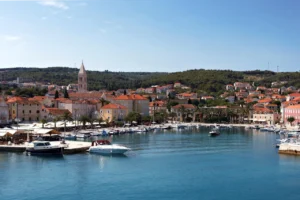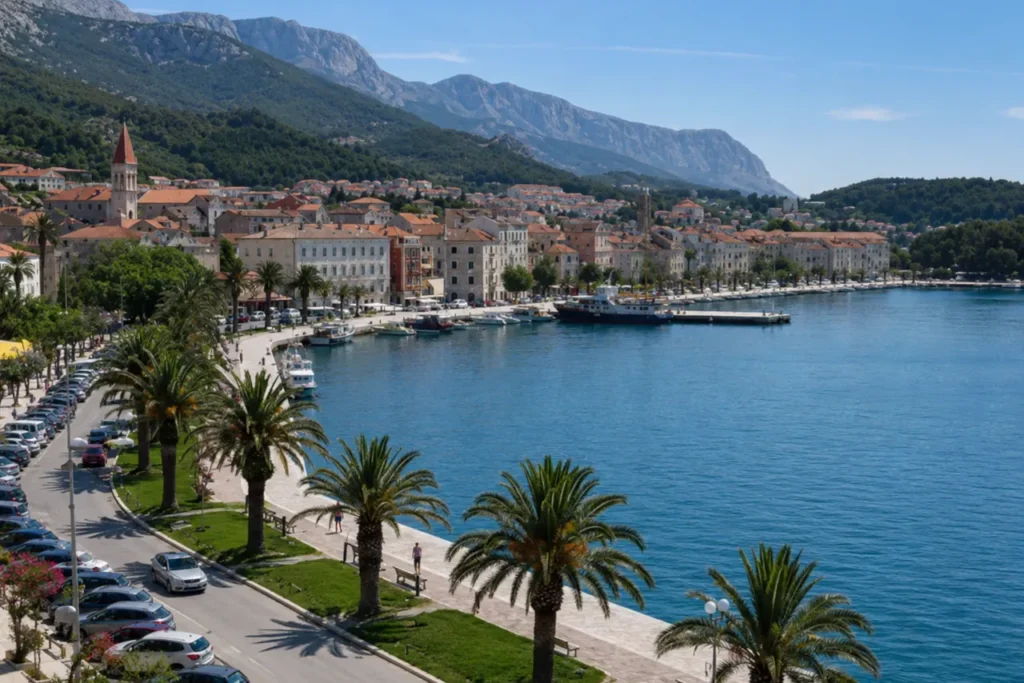
The Makarska City Council has adopted a Decision on restricting the sale of alcoholic beverages and other drinks containing alcohol in retail outlets, making Makarska the first city in Croatia to introduce such a measure.
The alcohol sales ban in Makarska applies to shops, bakeries, kiosks, tobacco shops and other retail outlets across the entire city from 9 p.m. to 6 a.m. the following day. The ban does not apply to bars and restaurants.
Protecting quality of life
During the summer months, Makarska, particularly its historic centre and city beach area, faces large nighttime gatherings in public spaces. These gatherings are often accompanied by noise, inappropriate behaviour, large amounts of waste and damage to the historic centre.
With the new measure, the City aims to reduce problems linked to the easy availability of alcohol in shops during late evening and nighttime hours.
The decision is intended to strike a balance between residents’ quality of life, the interests of local businesses, visitors’ needs and the protection of cultural heritage, the environment and the city’s identity, the City of Makarska said.
Public support for alcohol sales ban in Makarska
The alcohol sales ban in Makarska was introduced following recent amendments to the Trade Act, which allow local authorities to restrict alcohol sales if they consider such a measure necessary to protect the public interest.
Before the decision was adopted, a 30-day public consultation was held, during which residents, business owners and other interested parties were able to submit comments and proposals.
As in many other Croatian tourist destinations, people in Makarska have long been calling for action to address late-night disorder in public spaces.
Reducing noise, disorder and violence
The City said that the experience of European tourist destinations shows that restricting nighttime alcohol sales can help reduce noise, disorder, violent incidents and pressure on public and healthcare services.
It added that the measure may also reduce excessive alcohol consumption in public spaces and make alcohol less accessible to minors.
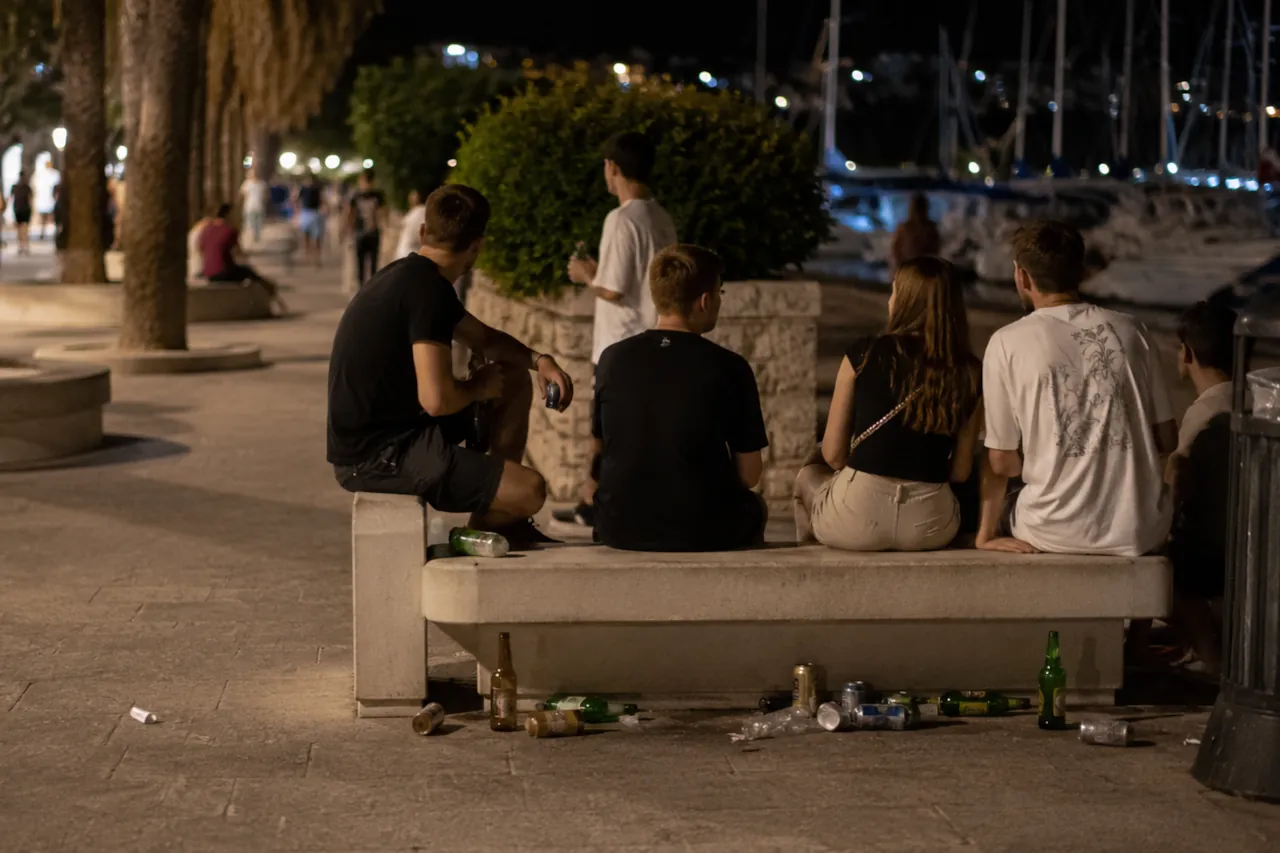
“By adopting this decision, Makarska is taking responsibility for managing its public space and tourism properly.
Our aim is not to impose a ban for the sake of it, but to preserve order, peace and a pleasant atmosphere in our city, both for our residents and our guests. We want Makarska to remain a pleasant and sustainable place to live and stay, and I am pleased that we are becoming a leader in Croatia in this respect,” said Makarska Mayor Zoran Paunović.
Hospitality venues are exempt from the restriction
Paunović stressed that the alcohol sales ban in Makarska does not apply to cafés, restaurants, bars and other hospitality venues, where guests will still be able to purchase and consume alcohol during their regular opening hours.
He also said that inspectors from the State Inspectorate would oversee the implementation of the decision. The City of Makarska will submit the decision to the State Inspectorate within the statutory deadline of 15 days from its adoption.
Alcohol sales bans in Split, Hvar and Zadar
The City of Split is also preparing restrictions on nighttime alcohol sales. A draft decision on the alcohol sales ban has already been prepared and is currently undergoing public consultation.
Similar moves have been announced by other Dalmatian cities dealing with alcohol intoxication in public spaces during the tourist season, including Hvar and Zadar, while cities such as Dubrovnik and Zagreb are only beginning to consider such measures.
The alcohol sales ban in Makarska has been planned since 2025, when the city administration asked state authorities to amend the regulations and give local governments greater control over nighttime alcohol sales and the power to regulate them independently.