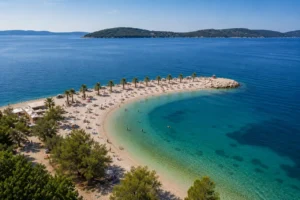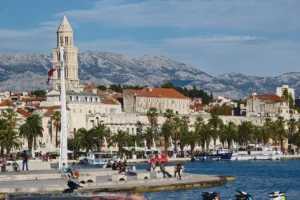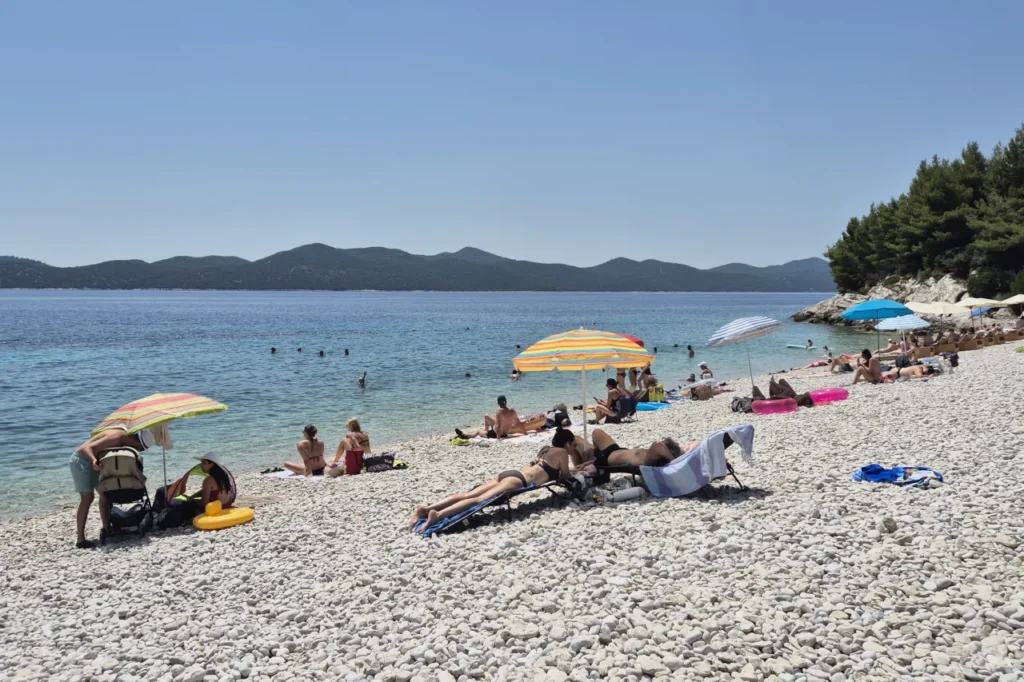
Featured image: Croatia beach water quality in July, Dubrovnik riviera, CU
The latest bathing water tests show that Croatia beach water quality in July was excellent at the vast majority of monitored beaches.
Testing is carried out at a total of 1,168 locations, including seaside beaches and lake bathing areas. The latest samples were taken in mid-July, although the exact testing date varies from beach to beach.
Croatia beach water quality in July
According to official data from the Institute of Oceanography and Fisheries, 1,130 beaches received an excellent rating. Water quality was rated good at 23 locations, while 15 beaches received a satisfactory rating.
None of the monitored beaches received an unsatisfactory rating.
The results therefore show that bathing water at almost all officially monitored Croatian beaches was of excellent or good quality in the latest round of testing.
The lowest rating in the latest round of testing, satisfactory water quality, was recorded at 15 locations:
- Šipanska Luka on the island of Šipan
- Brist on the Makarska Riviera
- Bilin žal in Lumbarda on Korčula
- Krvavica – resort area on the Makarska Riviera
- Hotel Brown Beach House in Trogir
- Duhanska stanica in Trogir
- Brigi in Trogir
- Starine in Pirovac
- Zrće Bay 2 in Novalja
- Padova Bay 1 on Rab
- Gušići on Rab
- Get in Trget, in the Raša area
- Galešnica in Grebaštica
- Ružićevo in Rijeka
- AC Medulin – Restaurant Financa in Medulin
Three of the locations are in Trogir: Hotel Brown Beach House, Duhanska stanica and Brigi.
A satisfactory rating does not mean that swimming is prohibited at these beaches. It indicates that the results were weaker than at locations rated good or excellent, which is why it is useful to follow the results of subsequent tests.
If pollution that could pose a risk to swimmers is detected, the relevant authorities may issue a warning or impose a temporary swimming ban.
How beach water quality is monitored in Croatia
Water quality is monitored at beaches where a large number of swimmers is expected during the bathing season. Results are regularly updated for each individual location.
Samples are tested for signs of possible microbiological pollution. Weather conditions, sea temperature and salinity are also recorded, along with any visible pollution on the surface or near the shore.
Heavy rainfall, drainage problems, increased boat traffic, sudden local pollution and other temporary circumstances can all affect the results. For that reason, a single result describes conditions at the time of sampling but does not necessarily reflect water quality throughout the entire season.
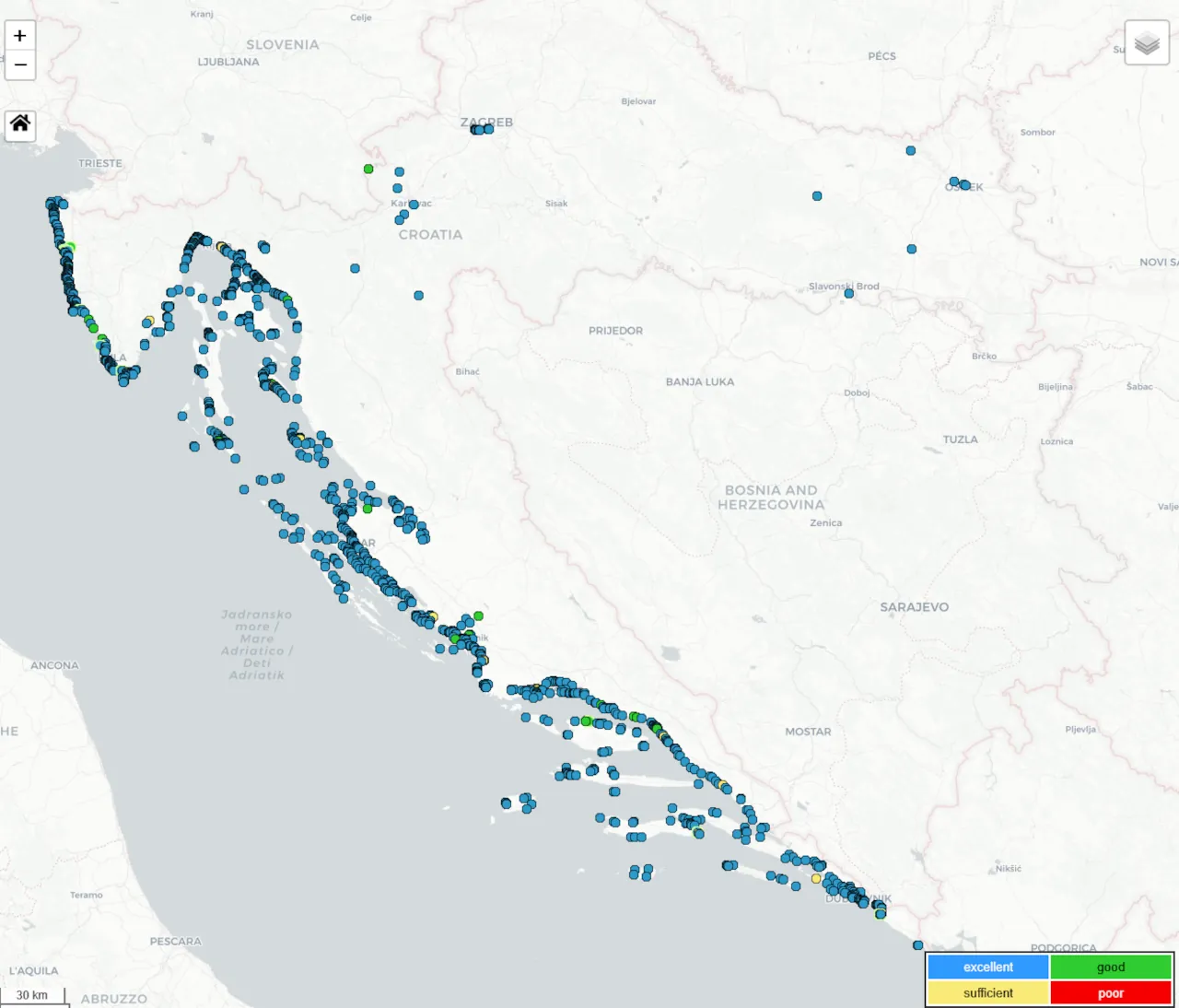
Map showing Croatia beach water quality in July 2026, IZORCheck the latest water quality rating for your beach
Sea water quality can change within a relatively short period. A beach that receives a lower rating in one round of testing may return to a good or excellent rating at the next sampling.
It is therefore useful to check the latest rating for a specific beach before visiting, especially after storms, heavy rainfall or a reported pollution incident.
Because samples are not taken at all locations on the same day, the official map may display results from different dates at the same time. Along with the rating, it is important to check when the sample was taken and whether a new warning has since been issued.
Despite a small number of locations with lower ratings, the overall results for mid-July remain very good. Almost all tested beaches in Croatia have excellent or good bathing water quality, while none were rated unsatisfactory.
If you are still planning your trip to Croatia and want to enjoy the beaches of its islands, choosing the right destination can be difficult. Our guide, Which Croatian Island Should You Visit First? A Simple Guide to Making the Right Choice, can help you find the island that best matches your plans.