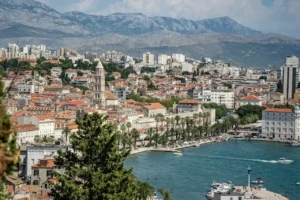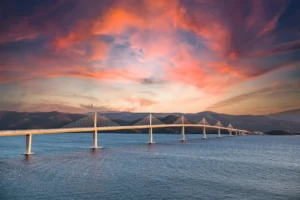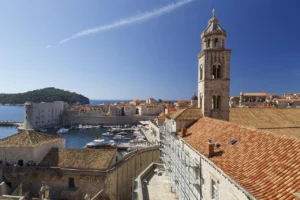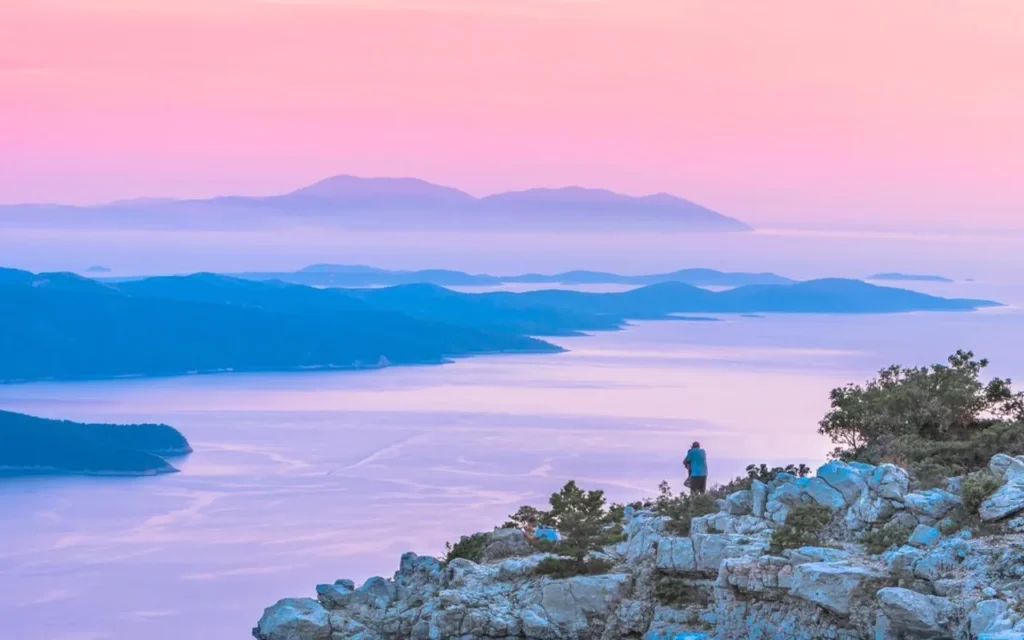
Croatia has more than a thousand islands, but no two are the same. If you’re planning to spend your summer holiday island hopping or staying on one island, it’s important to understand what each island actually offers, so you end up with the experience you’re looking for.
This local guide helps you quickly narrow down or choose which Croatian island to visit first based on how you really travel, not how destinations look in photos.
Don’t have time to read? Choose your island here
First trip → Brač
No car needed → Šolta
Nature & slow pace → Mljet
Remote & authentic → Vis
Easy family stay → Cres
Social & lively → Hvar
Nightlife → Pag
Still not sure? Local favourite → Korčula
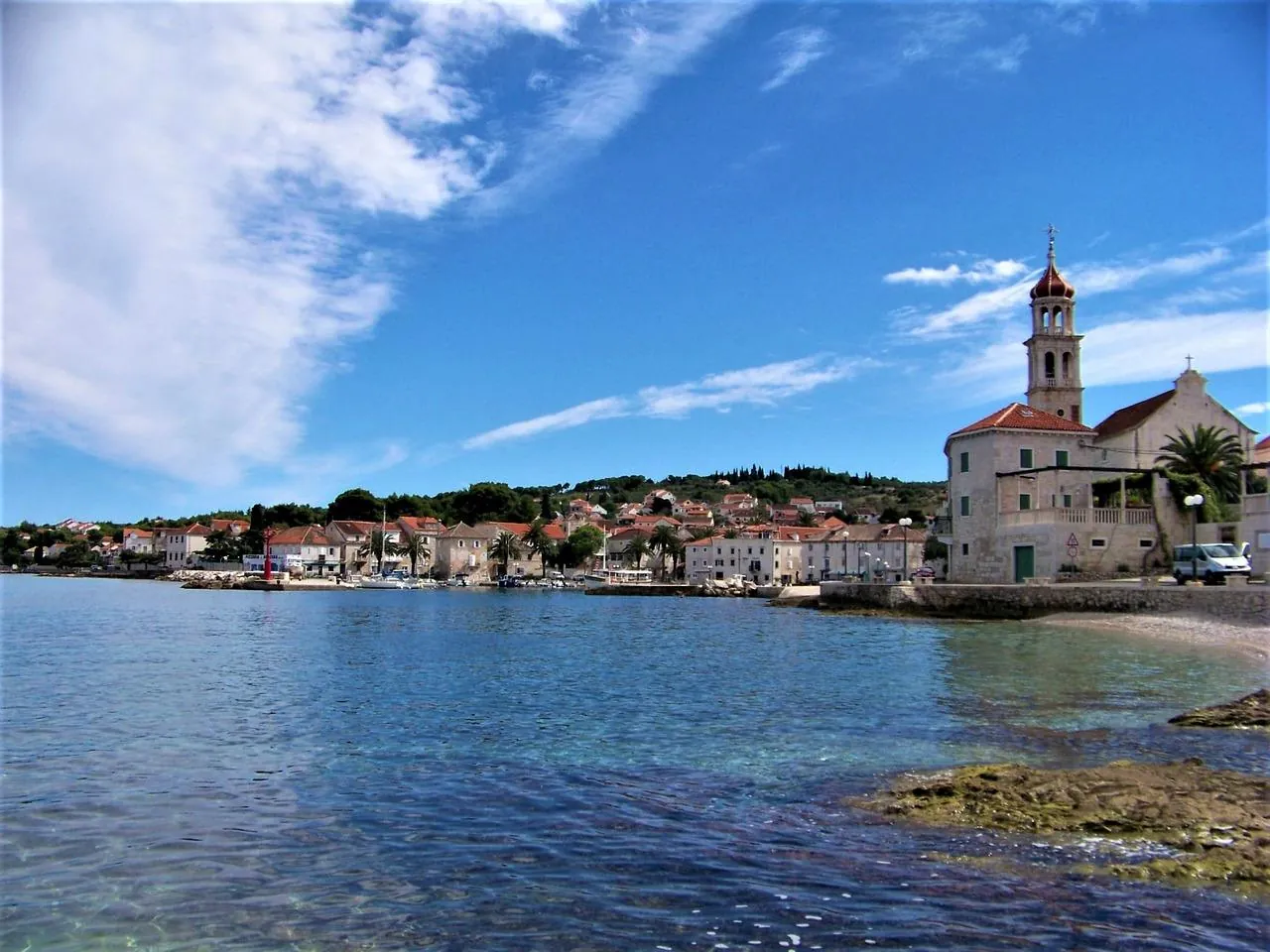
Brač
Brač is one of the most versatile Croatian islands. It offers a good balance of beaches, towns, infrastructure and transport connections. Roads are well developed, beaches are easy to reach, and ferry connections from Split are very frequent. It’s one of the few Croatian islands where you can stay in one place and still feel like you have plenty of choice.
During peak season, especially in July and August, popular spots like Bol and Zlatni Rat attract large numbers of visitors. If you’re looking for quiet evenings and empty coves without extra effort, this part of Brač may feel crowded.
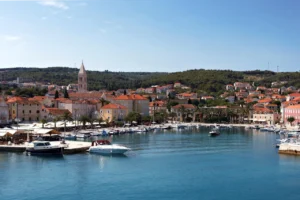
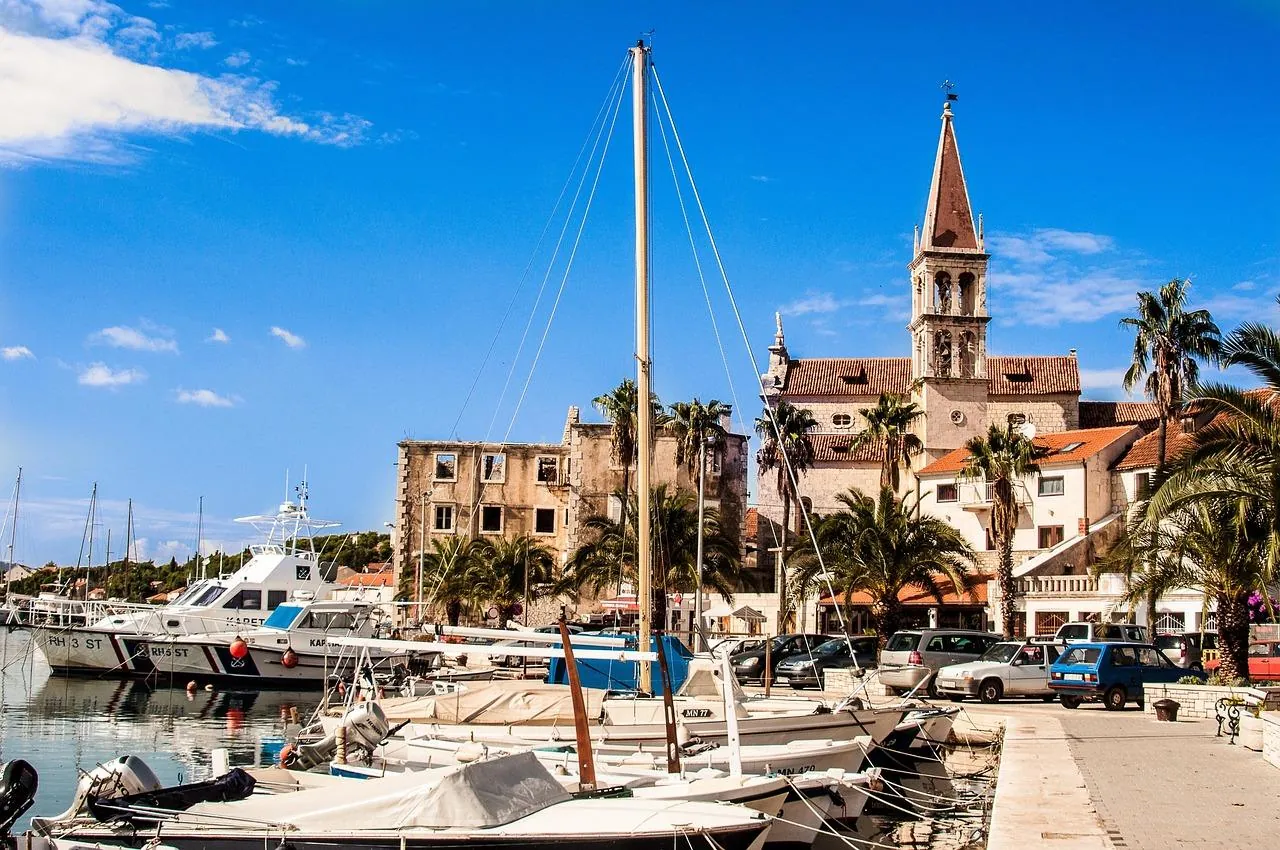
Fortunately, Brač is a relatively large island, so you can choose. Supetar, Postira or Bol offer plenty of tourist facilities and easy beach access. The small stone village of Škrip guarantees a more authentic island experience away from crowds, but you should expect to need a car to reach the beaches. For a mix of both, Milna, Pučišća or Sumartin are good options, smaller seaside towns right by the water.
What to do on Brač
Brač offers a wide range of experiences, from famous beaches like Zlatni Rat to spectacular views from Vidova Gora, the highest peak of the Adriatic islands. The island is also rich in historical sites such as Blaca Hermitage and Dragon’s Cave, while local culture can be explored at the Olive Oil Museum in Škrip and the stonemasonry school in Pučišća. Brač is well known for its wine, olive oil and water sports, all set among charming towns like Bol, Supetar and Milna. Don’t leave Brač without trying the famous lamb in Donji Humac or the traditional cake from Dol, and Brač olive oil is considered among the best in Croatia.
Best for
First-time visitors to Croatia, families with children, travellers without a car, and those who want flexibility without pressure.
How to get there
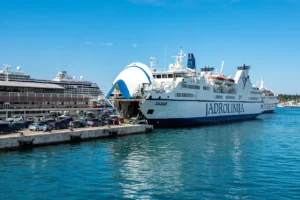
Frequent ferry connections run from Split to Supetar and from Makarska to Sumartin. Average ticket prices are around €6.50 per adult and €26–27 for cars. There is also a catamaran from Split to Bol, with average summer prices around €10. Brač is well connected by local bus lines, and there are specialised taxi vans that meet passengers at the ferry port and transfer them to popular locations. Always check the timetable before travelling.
Korčula
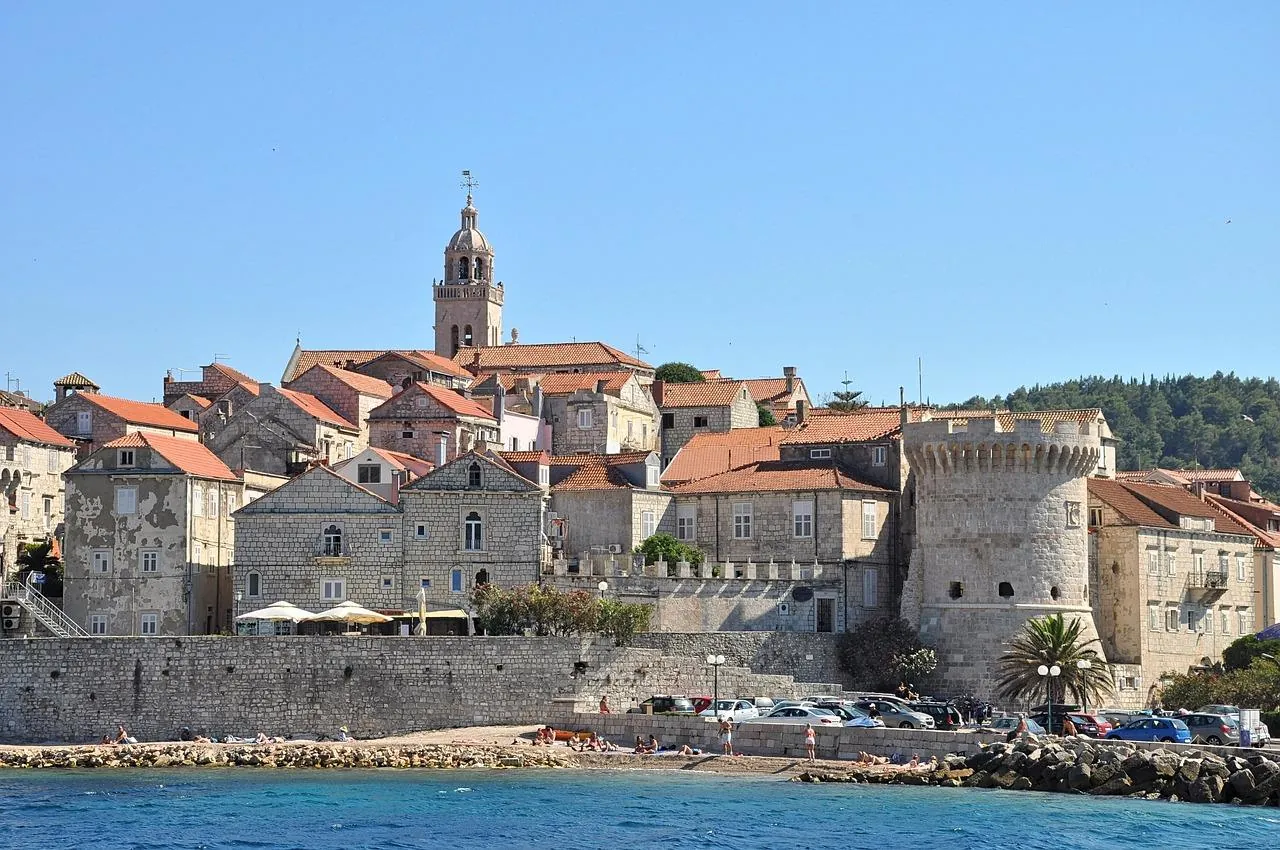
Korčula is one of the most balanced Croatian islands, successfully combining history, nature and solid infrastructure. It’s large enough to offer variety, but not so big that it feels chaotic or difficult to navigate. Roads are generally good, distances are reasonable, and most towns have good access to the sea. Beaches are mostly pebbly or rocky with very clean water, while sandy beaches are rarer and limited to specific areas.
During peak season, especially in July and August, the town of Korčula is the liveliest part of the island, with many visitors, day trips and evening strolls through the old town. Despite its popularity, it rarely feels chaotic, as tourism here is long established and well integrated. The rest of the island offers a much slower pace and often feels completely different.
Accommodation choice strongly affects the experience. Korčula Town is ideal for shorter stays without a car, with easy access to restaurants, sights and boat connections. Lumbarda is known for its sandy beaches and vineyards and is a popular choice for families and travellers who want a relaxed seaside stay. Vela Luka, on the western end of the island, is larger and more functional, with local life, good transport links and less tourist pressure. Smaller villages such as Žrnovo, Pupnat or Račišće offer a quieter stay, but usually require a car and come with limited services.
What to do on Korčula
Korčula offers activities that are easy to organise and don’t require heavy planning. Walking through Korčula’s old town, with St. Mark’s Cathedral and the city walls, provides clear historical context. Swimming and relaxing on beaches around Lumbarda or on the southern side of the island forms the core of most days, while wine roads, especially around Lumbarda, are a good option for discovering local grape varieties. Boat trips to nearby islets are common and easy to arrange.
Korčula is also known for the Moreška, a traditional sword dance performed in Korčula Town during the season, adding a cultural dimension to a stay. Cycling, light hiking routes and kayaking are popular among travellers looking for a more active holiday without extreme effort.
Gastronomically, Korčula is varied and reliable. The offer ranges from simple konobas to restaurants focused on fish, wine and local products, with generally consistent quality. It’s an island where it’s easy to eat well without much risk of disappointment.
Best for
Travellers looking for a balance of activities, nature and local life, without extreme crowds or isolation.
How to get there
Catamaran services connect Korčula with Split and Dubrovnik, while ferries operate from Orebić on the Pelješac Peninsula. Catamaran prices in season usually range from €20–30 per person, depending on the departure point. If travelling with a car, the Orebić–Dominče ferry is the most practical option.
Hvar
Hvar is one of the most developed and diverse Croatian islands, but also one of the most misunderstood as a single destination. In reality, the experience of Hvar depends heavily on where you stay. The island has good infrastructure, quality roads and numerous connections to the mainland, with a wider range of accommodation and services than most other islands. Beaches are mostly rocky or pebbly, often with clean water and good access, but rarely right next to accommodation.
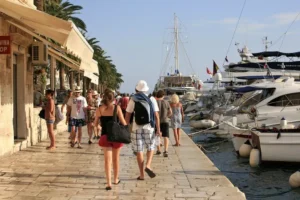
During peak season, especially in July and August, Hvar Town is very lively, with many visitors, yachts, daytime and nighttime events and an international crowd. This part of the island offers the largest selection of restaurants, bars and social life, but can feel intense and noisy. If you’re looking for a quieter stay, the rest of the island offers a completely different atmosphere.
Stari Grad is noticeably more relaxed, with a more local rhythm, good infrastructure and easier day-to-day logistics, often chosen by travellers staying longer and wanting to avoid Hvar Town crowds. Jelsa is popular with families and those seeking a balanced stay, with accessible beaches, promenades and calmer evenings. Vrboska is smaller and quieter, offering a more intimate feel, while Zavala, Ivan Dolac and Sveta Nedjelja on the southern side of the island are known for sunshine, vineyards and a peaceful atmosphere, though with more limited services and a need for a car.
What to do on Hvar
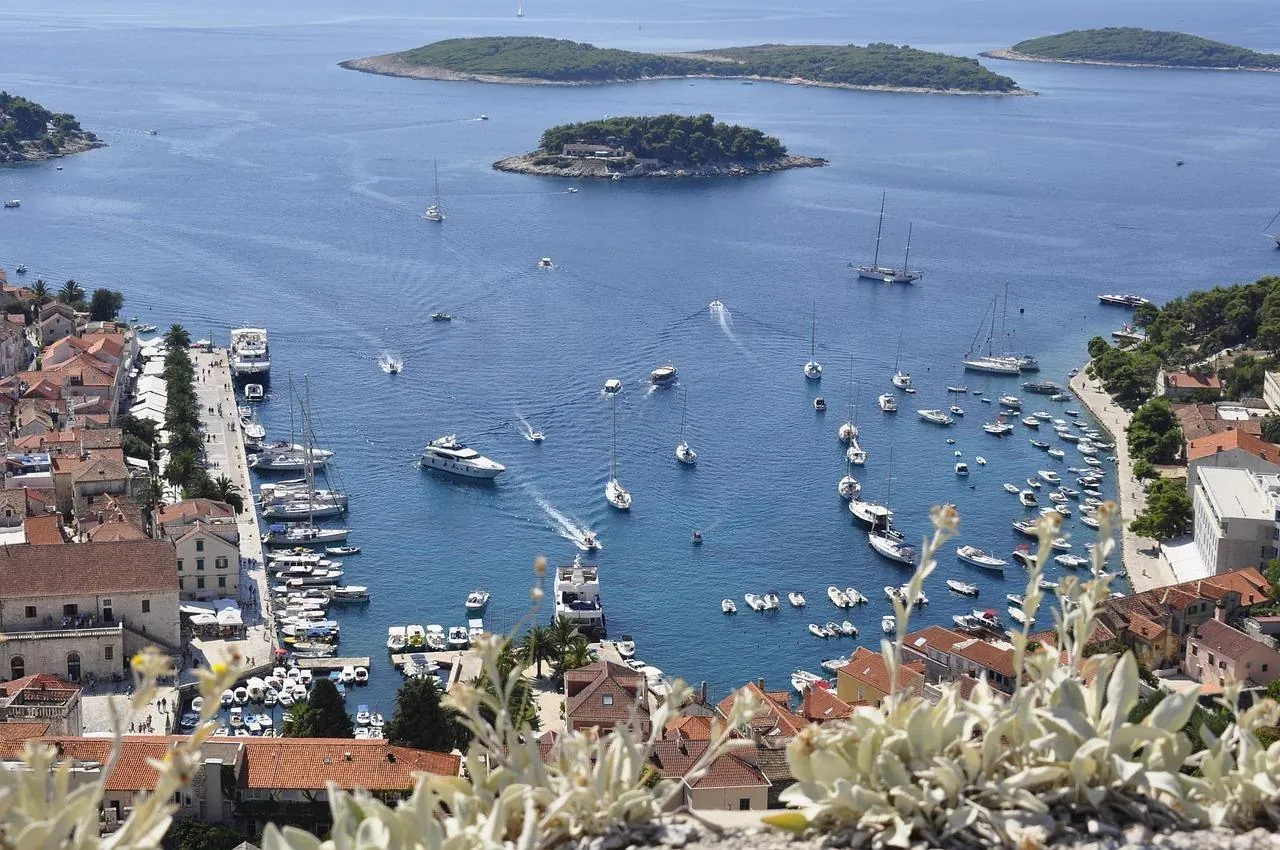
Hvar offers genuinely diverse experiences depending on interests. Visiting the Pakleni Islands is one of the most popular activities, either via organised boat trips or private rentals, combining swimming and time in secluded bays. Fortica (Španjola) above Hvar Town offers panoramic views and a short but rewarding walk. The Stari Grad Plain, a UNESCO World Heritage Site, provides a different experience through fields, stone walls and vineyards, while wine routes around Sveta Nedjelja and Jelsa appeal to those interested in local wine production.
Swimming and beach time shape most days, but Hvar also offers hiking trails, cycling routes inland and classic excursions such as the Blue and Green Caves nearby. Nightlife is concentrated almost entirely in Hvar Town, while other parts of the island remain quiet in the evenings.
Gastronomically, Hvar has a wide range of options, from simple konobas to higher-end restaurants. Local products such as olive oil, wine, lavender and fish appear across menus, though quality and prices vary by location. Hvar wines are an essential part of Croatian tradition, with native varieties like Plavac Mali and Bogdanuša worth trying. For adventure seekers, there’s also via ferrata on Hvar, kayaking or organised boat tours to the Pakleni Islands with snorkeling.
Best for
Travellers who want a wide choice of locations and activities, from lively social scenes to quieter, local areas.
How to get there
Very frequent catamaran services run from Split, with summer prices around €20 per person. The Split–Stari Grad ferry allows car access, but in summer requires arriving at the port very early. Ferries often sell out, so tickets should be purchased well in advance.
Vis
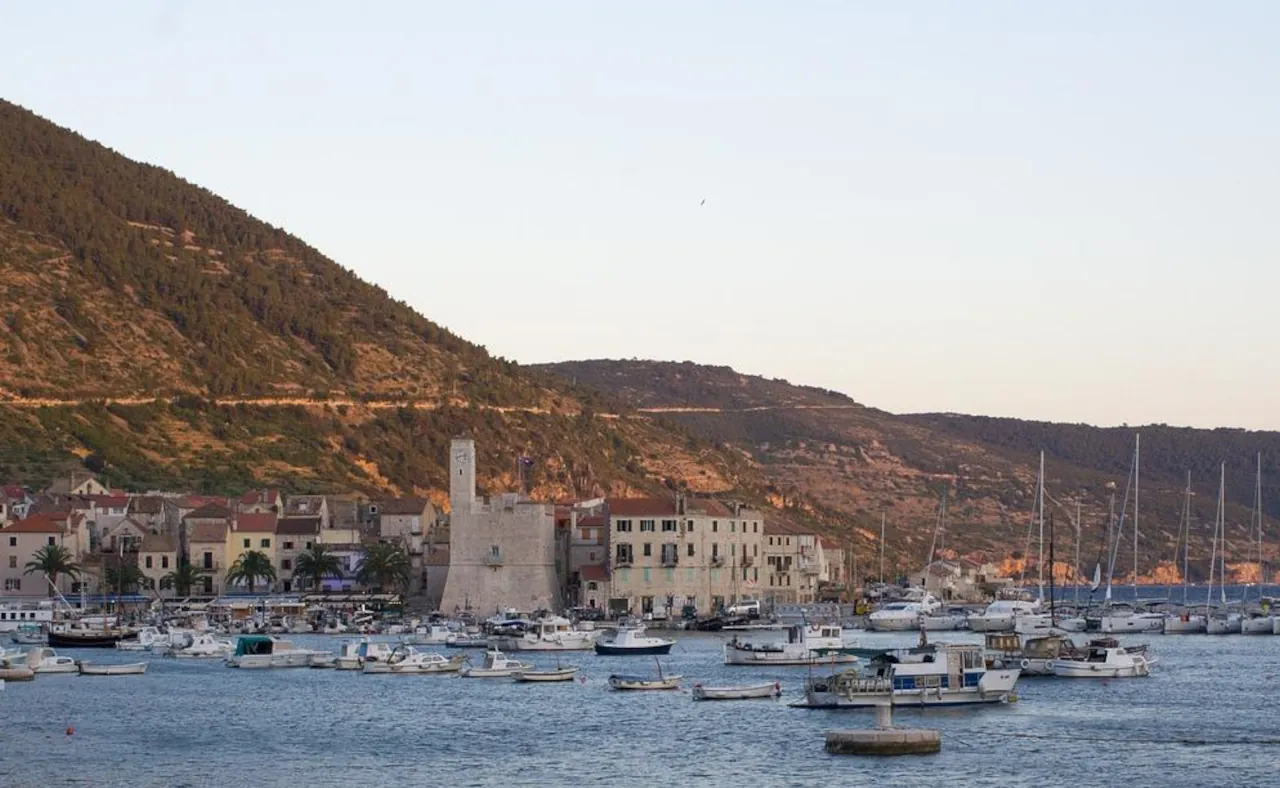
Vis is one of the most isolated and authentic Croatian islands, which strongly shapes the experience. It was closed to tourism for a long time and developed slowly, preserving a strong local character. The island is mid-sized, roads are decent but winding, and distances are longer than they appear. Beaches don’t come easily; most require driving, walking or arriving by boat. Vis asks for more effort but rewards visitors with peace and a true sense of escape.
During peak season, especially in July and August, Vis Town and Komiža are livelier, but still without the mass tourism seen on more popular islands. Evenings are pleasant, with restaurants and seaside walks, but without a strong nightlife scene. If you’re looking for clubs or late-night entertainment, Vis may feel too quiet. If you value a slower pace, clear separation between day and evening and genuine calm, Vis is a very good choice.
Accommodation choice strongly affects the stay. Vis Town is practical, with better transport links, more restaurants and easier access to the rest of the island. Komiža has stronger character and charm, with smaller nearby beaches and a very local atmosphere, but more limited road connections. Smaller villages and bays such as Rukavac, Plisko Polje or Podšpilje offer quiet stays, but require a car and come with very limited services.
What to do on Vis
Vis is not an island to rush through, but to experience slowly. Swimming at beaches like Stiniva, Srebrena or Tepluš often involves hiking or arriving by boat. Boat trips to the Blue Cave on Biševo are among the most popular activities, though queues and crowds should be expected in peak season. The island also offers many small bays accessible only from the sea, making boat rental or organised excursions very popular.
The interior of the island hides vineyards, old military sites and walking trails, while strolls through Komiža and Vis Town offer insight into everyday island life. Vis is closely tied to wine, particularly native varieties, and to simple local cuisine dominated by fish and traditional dishes like viška pogača.
Gastronomically, Vis is understated but high quality. The offer is not wide, but it is local and seasonal, without attempts to cater to mass tastes. This is an island where dinners are earlier, evenings are quiet, and everything moves at an unhurried pace.
Best for
Travellers seeking peace, authenticity and a sense of isolation, and who are comfortable with slower travel and extra planning.
How to get there
Ferries and catamarans run from Split, but travel time is longer than to Brač or Hvar, around 1.5 hours by catamaran and about 2.5 hours by ferry. Ticket prices are around €10 per person, with car transport around €50. Due to less frequent services, advance planning for arrival and departure is essential.
Pag
Pag is a large and diverse island offering very different experiences depending on where you stay. Visually, it is one of the most striking Croatian islands, with a stark, rocky landscape and strong contrasts between harsh terrain and clear sea. Infrastructure is well developed, roads are high quality and most places are easily accessible by car. Beaches are numerous and varied, from sandy bays to rocky stretches, often without natural shade.
In peak season, Pag clearly shows its range of options. Novalja and Zrće Beach function as a distinct party zone, with clubs, festivals and an international crowd drawn by music and nightlife. This part of the island is lively, loud and purpose-built for entertainment. But Pag doesn’t end there; just a few kilometres away, the atmosphere changes completely.
Pag Town offers a calmer, more local rhythm, with a historic centre, seaside walks and a strong identity tied to salt, cheese and tradition. Povljana is a popular choice for families thanks to sandy beaches, shallow water and a relaxed atmosphere. Metajna and Zubovići on the northeastern side offer accessible beaches and quieter stays, often with views of Mount Velebit and little sense of crowding even in high season. Šimuni works well for travellers who want proximity to beaches and campsites while staying well connected to the rest of the island. Smaller inland and western villages offer even more peace, but require driving to reach the sea.
What to do on Pag
Pag offers more variety than most northern Adriatic islands. Beach time is central, but much of the experience comes from the dramatic landscape and contrasts. Walking through rocky terrain, exploring smaller coves and spending time in different parts of the island creates a sense of change without long drives. Pag Town provides cultural and historical context, while Zrće offers a completely different, high-energy experience. The island is strongly associated with Pag cheese, lamb and salt, which are not just food products but part of local identity.
Gastronomically, Pag is bold and distinctive. Flavours are strong, local products have clear origins, and the offer ranges from simple konobas to restaurants focused on modern interpretations of island cuisine. For hiking enthusiasts, the Life on Mars trail is a standout experience, combining dramatic scenery with swimming opportunities, but bring plenty of water.
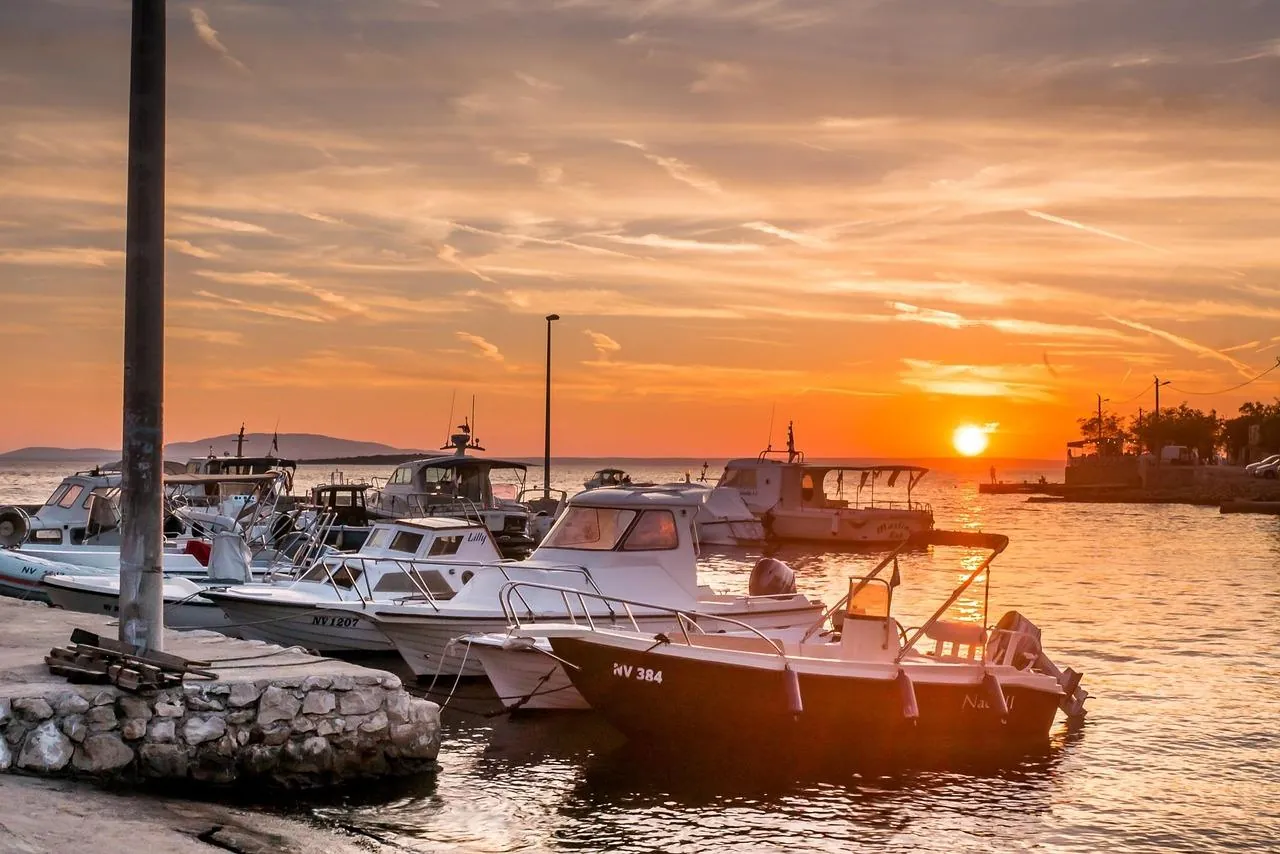
Best for
Travellers prioritising nightlife (Novalja and Zrće), lovers of unusual landscapes, food-focused travellers interested in cheese and local products, and those travelling with a car.
How to get there
Pag is connected to the mainland by a bridge, making it the easiest island to reach by car. There are also ferry connections (Prizna–Žigljen), but most travellers arrive by road. A car is almost essential for getting around the island.
Šolta
Šolta is a small, quiet island just off the coast of Split, often overlooked in favour of larger neighbours. This gives it a relaxed, low-key feel without mass tourism. The island is compact, roads are in good condition and distances are short, making it easy to navigate. Beaches are mostly pebbly or rocky, often without additional facilities, but with clean water and easy access.
In peak season, especially July and August, Maslinica can be busier due to day trips from Split and visiting yachts. However, crowds are localised and temporary, and the rest of the island maintains a calm rhythm. If you’re looking for nightlife, a wide restaurant scene or constant activity, Šolta may feel too quiet. If you want peaceful evenings and a slower pace while staying close to the mainland, it’s an excellent choice.
Accommodation options on Šolta are fairly straightforward. Maslinica is the most developed area, with the most services, nearby beaches and good transport connections. Grohote, the administrative centre, offers a more local feel and a central position for exploring the island, but without direct beach access. Smaller villages like Stomorska or Nečujam are suitable for quiet seaside stays, with limited services but a pleasant atmosphere.
What to do on Šolta
Šolta is about simple pleasures. Swimming in calm bays, short drives between beaches and walks through olive groves define the experience. Maslinica stands out for its restored castle and landscaped surroundings, while the island’s interior offers a glimpse into traditional island life without major attractions, but with genuine character. Šolta is known for its olive oil, honey and wine, with local products often more important than classic sightseeing.
Gastronomically, the offer is simple and local. Fish, olive oil and seasonal ingredients dominate menus, with modest variety but good quality. This is an island that doesn’t try to impress, but instead offers a calm, understated stay.
Best for
Short stays, quiet breaks and an easy escape from Split.
How to get there
Ferries and catamarans operate from Split. Travel time is around 30 minutes by catamaran and about an hour by ferry. Ticket prices are around €5–6 per person, with car transport available by ferry for about €24. Services are frequent, but buying tickets in advance is recommended.
Mljet
Mljet is one of the greenest and quietest Croatian islands, often chosen for nature, silence and a slower rhythm. A large part of the island is protected as a national park, which strongly shapes the experience. Infrastructure is basic, roads are decent, but accommodation options and larger settlements are limited. Beaches are natural, mostly rocky or pebbly, with exceptionally clean water. Mljet is not an island to rush through, but one to stay in and adapt to its pace.
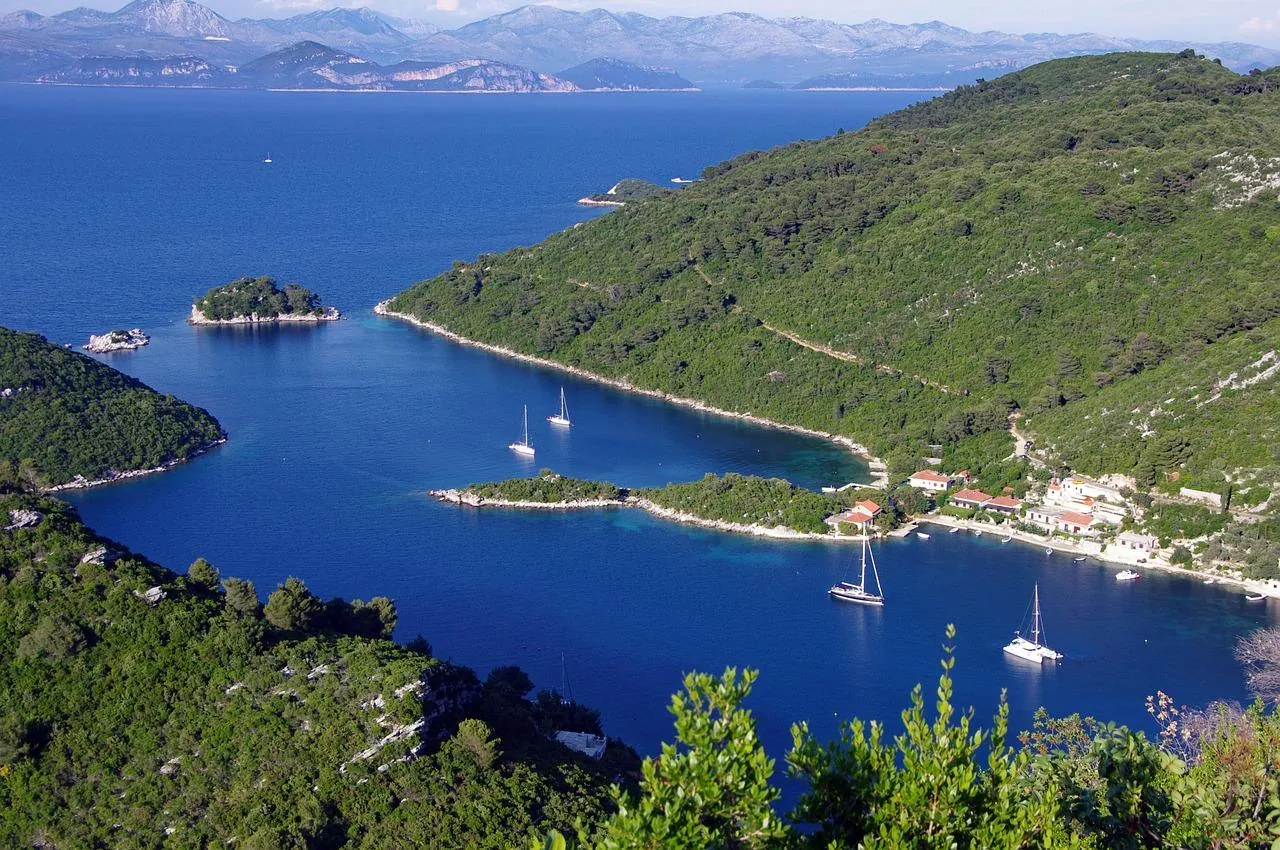
During peak season, especially July and August, the area around the national park, particularly Polače and Pomena, can be noticeably busier due to day trips. Once you move away from this area, Mljet quickly feels quiet and understated again. If you’re looking for nightlife, variety or constant activity, Mljet may feel too calm. If you value silence, nature and crowd-free evenings, this is where Mljet excels.
Accommodation choice strongly affects the experience. Pomena and Polače are the most practical for those wanting proximity to the national park, restaurants and boat connections. Sobra is the island’s main transport hub and a good option if arriving with a car. Smaller villages such as Babino Polje or Prožura offer a more authentic, quiet stay, but with very limited services and a need for a car. Mljet doesn’t offer many choices, but it offers a very clear character.
What to do on Mljet
Mljet is experienced through nature rather than a checklist of attractions. The centrepiece is Veliko and Malo Jezero within the national park, ideal for walking, cycling and calm swimming. The monastery on the islet of St Mary is one of the few cultural landmarks, more as part of the atmosphere than a classic sightseeing stop. The rest of the island invites walks, hidden coves and a slow pace without constant movement.
Gastronomically, Mljet is simple and seasonal. Fish, olive oil and local produce dominate, with limited variety but good quality. This is an island where you eat what’s available, without high expectations, but with a strong sense of place.
Best for
Nature lovers, slow travel and quiet holidays.
How to get there
Catamarans from Dubrovnik cost around €9 and usually run once daily. Ferries operate from Prapratno on the Pelješac Peninsula, with tickets around €6 per person and about €25 for cars. In season, there is also a fast boat from Split, taking around three hours, with tickets around €30. Tickets often sell out, so planning well in advance is essential.
Cres
Cres is one of the most distinctive Croatian islands and not for everyone, but that’s exactly where its strength lies. It’s a large, spacious island with a strong sense of wilderness, where nature often takes precedence over infrastructure and tourism. Roads exist and are in decent condition, but are winding and slow, and beaches are rarely right next to accommodation. Cres requires patience and planning, but rewards visitors with space, peace and a genuine feeling of getting away from it all.
In peak season, especially July and August, Cres Town and Martinšćica can be livelier, with more restaurants, promenades and evening activity. Even then, the island never feels as crowded as more popular southern islands.
Accommodation choice strongly shapes the experience. Cres Town offers the most services and daily convenience, while Martinšćica is a good option for a quieter seaside stay with basic infrastructure. Lubenice and Beli provide an authentic, almost archaic island atmosphere, with stone houses and memorable views, but require driving to reach beaches and come with very quiet evenings. If you want complete silence and minimal tourism, small inland villages offer that, at the cost of distance from the sea.
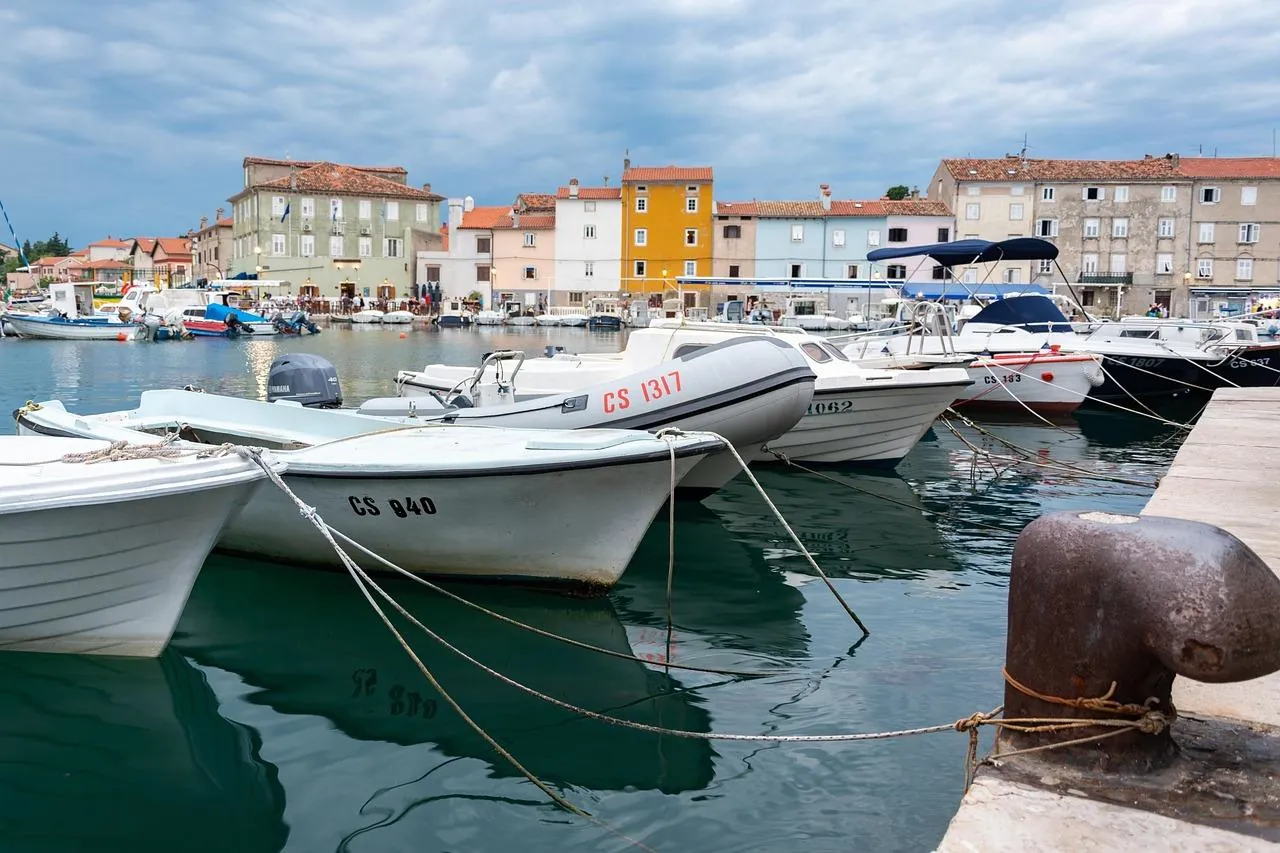
What to do on Cres
Cres doesn’t impress through headline attractions, but through the experience of staying there. Beaches like Lubenice and numerous hidden coves along the western coast require hiking or dirt roads, but reward visitors with exceptionally clean water and complete peace. The island’s interior hides centuries-old olive groves and dry-stone walls, while Lake Vrana, one of the largest freshwater lakes in Croatia, is a quiet reminder of how unique the island is. Beli is known for griffon vultures and its educational centre, while walks through historic town centres offer insight into a slower, traditional way of life.
Gastronomically, Cres is understated but high quality. Lamb is highly valued, olive oil has a strong character, and fish is simply prepared without unnecessary complexity.
Best for
Nature lovers and longer stays.
How to get there
Cres is reached by ferry from Brestova (Istria) to Porozina or from Valbiska (Krk Island) to Merag. Both routes operate frequently year-round, with crossing times of around 30–45 minutes. Adult tickets are around €4–5, while car prices typically range from €20–30 depending on season and vehicle length. Cres has no direct ferry or catamaran connections from Split or southern Dalmatia. Local bus services exist but are infrequent, so a car is almost essential for reaching beaches and moving around the island. Always check timetables before travelling.
If you already know your travel style and want a deeper breakdown of Croatian islands beyond first-time recommendations, see our main guide Croatian Islands Explained: Which One Fits Your Travel Style?. For a detailed explanation of maritime transport, the differences between ferries and catamarans and boarding rules, see our guide Croatian Ferry System Explained: Cars, Catamarans, Tickets and Boarding.