Croatia’s annual inflation rate slowed to 5.2% in May 2026, according to the first estimate released by the Croatian Bureau of Statistics. This marks a decrease from April, when annual inflation stood at 5.8%.
On a monthly basis, consumer prices fell by 0.2% compared with April, suggesting a gradual easing of inflationary pressures after several years of strong price growth.
Inflation eases, but Croatia remains among the EU’s highest
Commenting on the latest figures, Prime Minister Andrej Plenković said Croatia was among the few eurozone countries where inflation slowed in May.
“Inflation accelerated in 13 eurozone countries in May, while Croatia, alongside Luxembourg, was among the countries where a decline was recorded,” Plenković said.
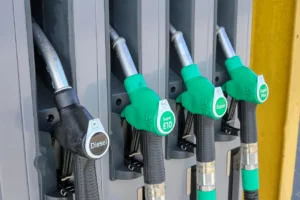
He added that government measures aimed at limiting increases in fuel prices had also contributed to easing inflationary pressures.
Despite the slowdown, Croatia continues to record one of the higher inflation rates within the European Union.
Prices for many goods and services remain significantly higher than they were a few years ago and the rising cost of living continues to be one of the country’s main economic challenges.
Government points to anti-inflation measures
The government has meanwhile introduced a new package of anti-inflation measures, including a range of tax and fiscal adjustments. Finance Minister Tomislav Ćorić said economic and tax policy must take into account the interests of the entire population while preserving macroeconomic stability.
Speaking about inflation, Ćorić called on all participants in the Croatian economy to act responsibly in helping curb price growth.
“No government is able to influence every segment of the economy,” the minister said, adding that reducing inflationary pressures requires time, commitment and responsibility from all market participants.
Ćorić stressed that the government’s anti-inflation package is intended to ease pressure on households and businesses, but that achieving a lasting reduction in inflation will require a joint effort from the state, entrepreneurs and other economic stakeholders.
Although inflation is now significantly lower than during the peak of the inflation crisis in 2022, when it exceeded 13%, bringing it down further will remain one of the key challenges facing the Croatian economy in the months ahead.
The cost of living remains high
While inflation has slowed compared with previous years, many Croatians continue to feel the impact of higher prices in everyday life.
A weekly grocery shop costs considerably more than it did just a few years ago, while restaurant meals, coffee, housing costs and various household services have all become noticeably more expensive. In many cities, a simple coffee that once cost around €1.50 now often costs €2 or more, while eating out has become increasingly expensive for families.
For many households, wages have increased, but so have everyday expenses, meaning the cost of living remains a major concern despite signs that overall inflation is easing.