For many travellers, cost is not a secondary concern but a deciding factor. If a destination feels too expensive, it is often crossed off the list entirely. In recent years, Croatia has frequently been mentioned in the context of rising prices, which has led many people to question whether visiting is still worth it.
The answer to “is Croatia expensive” is not simple: it can be, but it can also offer very good value for money.
Croatia is not a cheap destination, but it is also not as expensive as it can seem at first glance.
This guide reflects current travel costs and conditions in 2026 across Croatia as a whole, not just popular destinations like Dubrovnik or Split. For a detailed breakdown of prices in Dubrovnik, see our guide Is Dubrovnik Expensive.
Is Croatia expensive in 2026?
Croatia is more expensive in 2026 than in previous years, especially along the coast during peak summer. Compared to other Mediterranean destinations, it generally falls in the mid-range, though prices can feel higher in popular coastal towns.
How much you spend depends on where you stay and how you travel, but most visitors can expect to spend around €80–150 per day. However, it is still possible to travel for less with careful planning.
Typical travel costs in Croatia (quick overview)
- Private accommodation: from €80 / night
- Hotels: from €150 / night
- Meals: €10–20 per person (simple to mid-range)
- Coffee: €1.50–2.50
- Local transport: ~ €2
- Ferry tickets: €4+
- Catamarans €10+
These are typical prices on the coast. Prices inland are usually lower, especially outside major tourist areas.
What does it actually mean when a destination is “expensive”
When someone says Croatia is expensive, they rarely mean the same thing. For a backpacker looking for basic accommodation, “expensive” means something very different than it does for a couple planning a few nights in a historic old town or for a family travelling during peak season.
That is why it is common in Croatia for two people who visited the same place at the same time to return home with completely opposite impressions.
When Croatia really does feel expensive and why
Croatia most often feels expensive in summer, especially in July and August. During this period, prices, particularly in coastal and highly popular tourist destinations, increase by as much as 30 percent.
It is the peak of the season, demand is high and capacity is limited. In simple terms, supply and demand are at work.
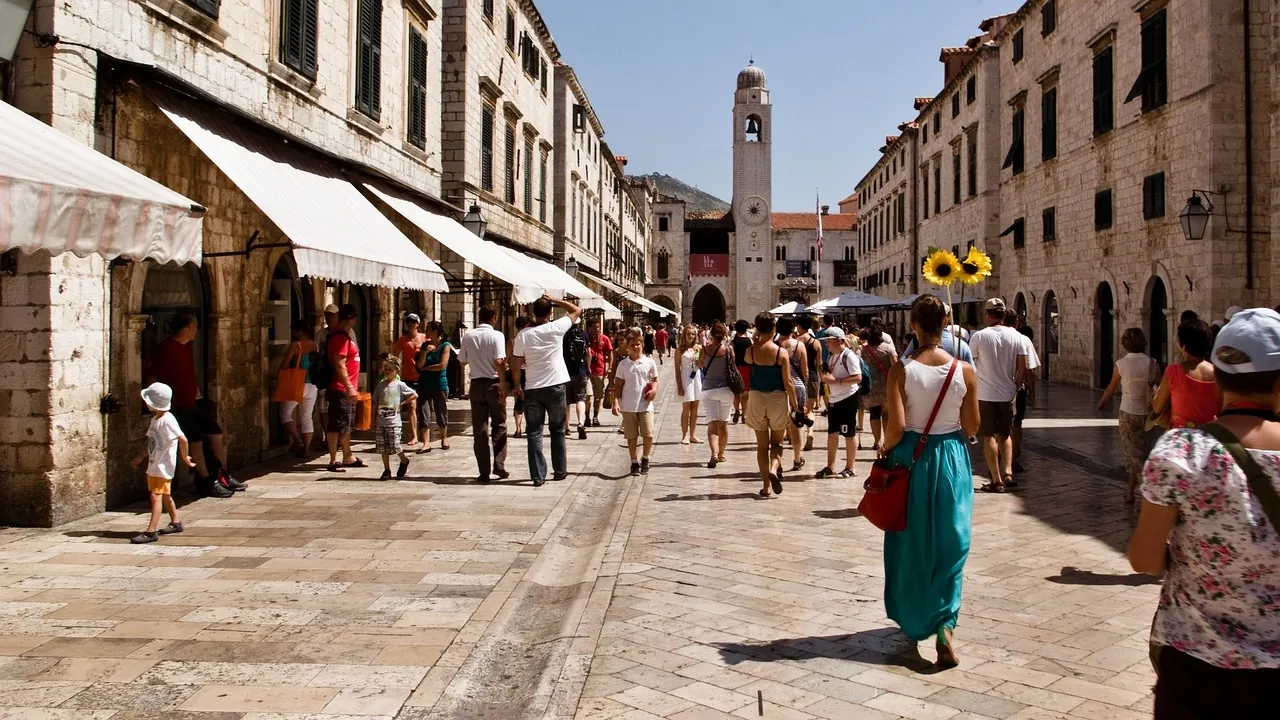
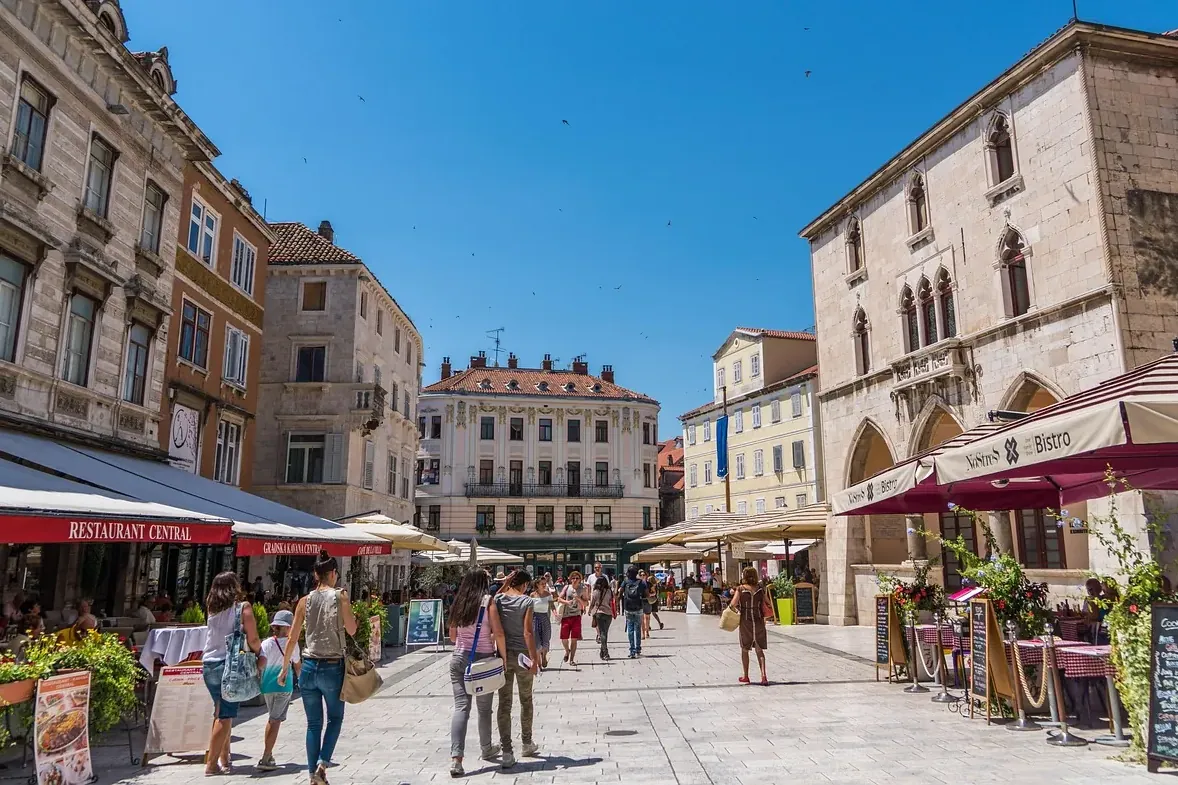
Location also plays a major role. Accommodation, restaurants and services in historic old towns and prime seaside areas are noticeably more expensive than just a few streets away. You are paying for the location, as in any major tourist destination.
The biggest impact, however, comes from travelling without a plan. Last-minute bookings, poor transport choices or staying right next to major attractions almost always lead to overpaying. This is not unique to Croatia, but it is where most visitors feel it the most.
When Croatia is not expensive at all
Outside peak season, Croatia feels like a completely different destination. The weather is pleasant, crowds are smaller and prices for accommodation and services are significantly lower.
Still, many places that feel overpriced in summer become relaxed and accessible during these months.
The same applies to the way you travel. Those who move like locals, use ferries instead of fast and expensive excursions, eat in neighbourhood restaurants and do not try to see everything in a single day often spend less and enjoy more.
Is Croatia expensive for locals too?
It is important to be completely honest. Croatia today is an expensive country for its own residents. Food prices in supermarkets are high, even for basic groceries, especially when compared to average local incomes. Although inflation began to slow in 2026, the reality is that the cost of living remains high.
For that reason, it would not be fair to suggest that tourists can travel very cheaply simply by being “smart”.
Travelling more wisely is possible, but Croatia is no longer a low-cost destination, either for visitors or for those who live here.
Typical travel costs in Croatia (2026 overview)
The following price overview is meant as context and orientation, not as a detailed budgeting tool. Prices vary by region, season and travel style, but they help illustrate everyday costs.
The average monthly rent for a one-bedroom apartment is around €400, while in larger cities it is typically at least €500. Utilities for a three- or four-person household are rarely below €100 per month.
Buying groceries for a single home-cooked lunch for a family of four is difficult to do for under €20 if the meal includes meat, vegetables and salad. The average monthly grocery spend for one person is around €200, rising closer to €300 in larger cities during summer.
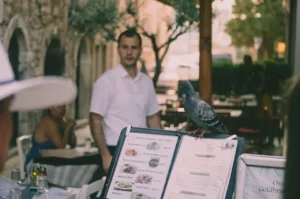
Coffee in a café typically costs between €1.50 and €2.50, depending on location. A meal in an inexpensive restaurant costs around €10 per person, while a three-course meal for two in a mid-range restaurant is around €40.
Travelling by car brings additional costs. Petrol costs around €1.60 per litre on average, and highway tolls range from a few euros upwards.
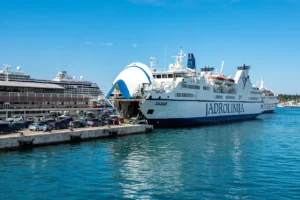
A local bus ticket is usually around €2. Ferry tickets for foot passengers often start at around €5, while catamarans are significantly more expensive, typically €10 or more depending on the route. Intercity buses usually cost around €20.
Typical prices in Croatia (2026 overview)
| CATEGORY | TYPICAL PRICE |
|---|---|
| Coffee | €1.5 – 2.5 |
| Meal (mid-range) | ~€10-20 per person |
| Apartment (private) | ~€100 per night |
| Hotels | ~€150 per night |
| Local bus | ~€2 |
| Ferry / Catamaran | ~€5 / ~€10 |
| Intercity bus | ~€20 |
| Petrol | ~€1.6 per liter |
| Monthly living cost | ~€900-1200 |
Accommodation in tourist destinations between June and September often costs around €100 per night for two people, while staying closer to the centre or the sea pushes prices to €150 or more, depending on comfort level.
Hostels commonly start around €80 per person, while hotels are usually €150 and above, depending on location and season.
On average, travellers spend around €80–150 per day in Croatia, depending on travel style, location and season.
Prices can be up to 30 percent lower in areas just a few kilometres outside the main tourist centres.
Local public transport in most cities is well connected and inexpensive, allowing travellers to reduce costs without significantly affecting the quality of their trip.
Croatia compared to Italy and Spain
Compared to Italy, Croatia has more pronounced seasonal price fluctuations. While Italian cities and popular regions tend to be expensive year-round, Croatia experiences a shorter period of very high prices, with the rest of the year being noticeably more affordable.
Spain often offers lower everyday costs, especially when it comes to food, although regional differences are significant.
Croatia sits somewhere in between. It can feel more expensive than expected if you visit during peak season expecting a cheap destination, but under the right circumstances it often offers a better balance of cost and experience than many Mediterranean destinations.
How to travel Croatia wisely, not cheaply
The key to a good trip to Croatia is not finding the cheapest option, but planning wisely. This means choosing the right time to visit, booking in advance, understanding distances and accepting that it is not possible to see everything in just a few days.
Travelling wisely does not mean deprivation, but adaptation. Those who embrace this approach often spend less, enjoy more and return home feeling that Croatia was worth every euro.
For practical advice on how to travel with a smaller budget without sacrificing quality, we cover this in detail in our guide Travelling Croatia on a Budget: A Real Look at Prices, Seasons and Smart Timing.
Why Croatia is still worth the cost
Croatia is not a destination where you pay for luxury, but for preserved value. The sea is clean, many beaches remain natural and the food is high-quality if you avoid tourist traps that resemble fast food more than real restaurants.
Croatia is also an exceptionally safe country, with very low levels of serious crime, allowing travellers to relax and enjoy their stay without constantly worrying about personal safety or belongings.
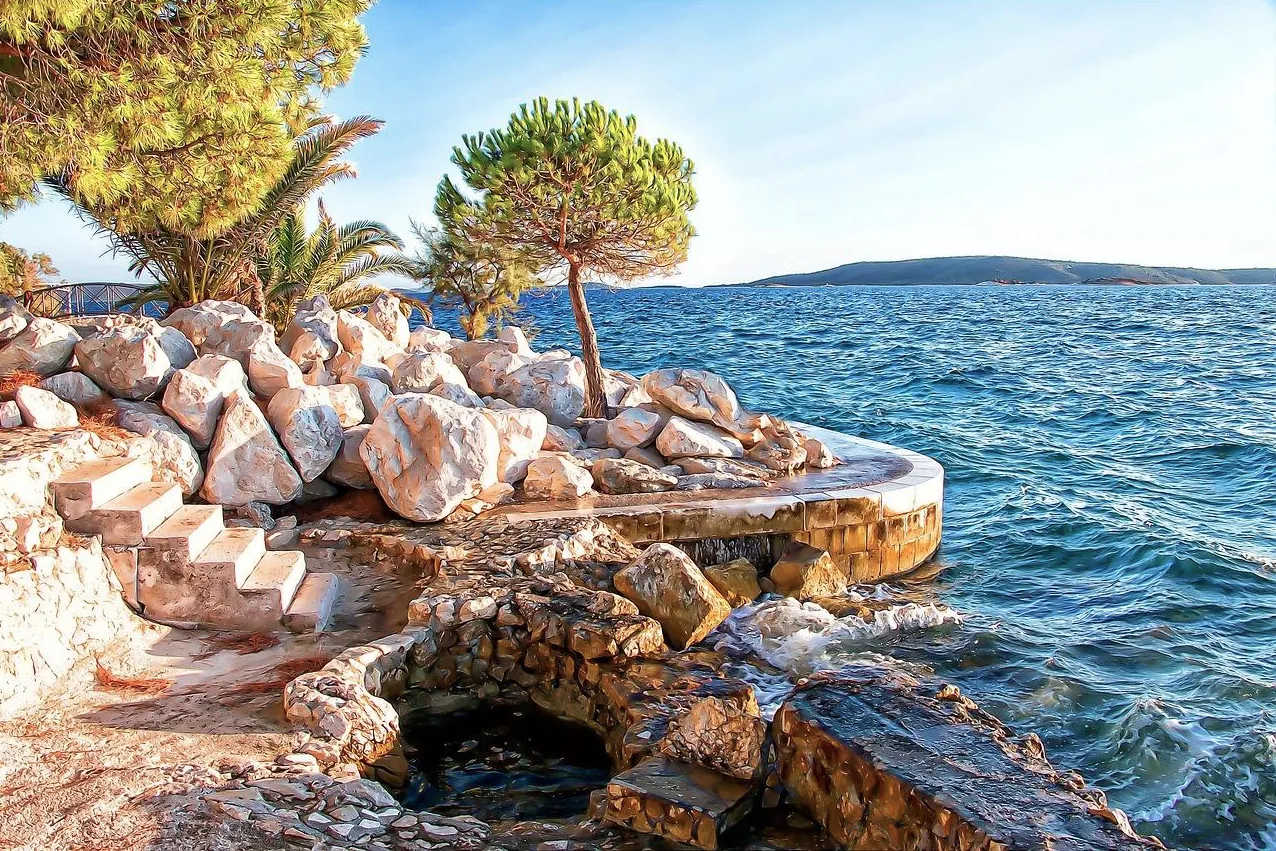
Croatia also has a rich history and archaeological heritage that is difficult to find elsewhere. Maintaining cultural heritage and natural resources requires continuous investment.
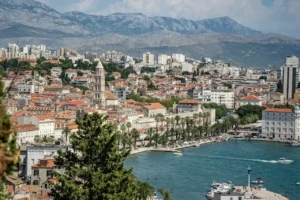
For visitors to walk freely through Diocletian’s Palace in Split, built in the 4th century, enormous effort is required by the local community to preserve, restore and present this heritage. The same applies to natural sites.
If everything in Croatia were offered cheaply and without limits, its nature and historic sites would not survive the pressure of mass tourism for long. This is why Croatia increasingly aims for a more expensive, but more sustainable form of tourism, with fewer crowds and greater respect for space.
Many of the mixed reactions visitors have come from expectations formed before arrival, which we explore in Croatia Tourist Expectations vs Reality: Common Travel Myths Explained. When expectations are realistic, Croatia rarely disappoints.
For more practical details, see our Croatia Travel FAQ.