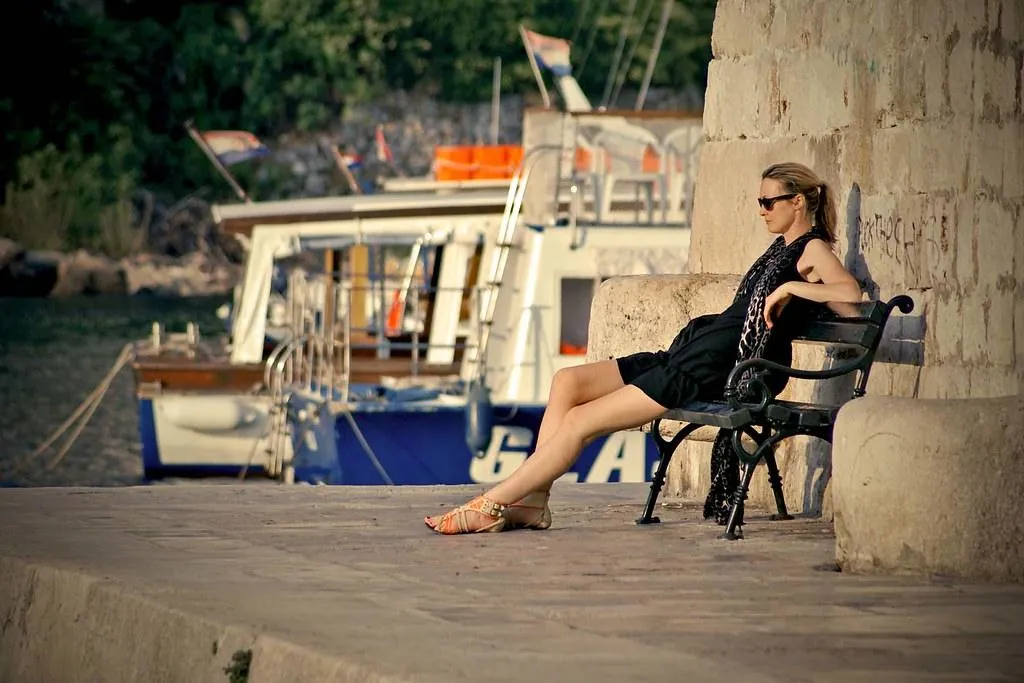
Croatia is often described as an easy destination: small, beautiful, safe and well connected. To a large extent, that description is accurate. Yet many first-time visitors leave feeling rushed, exhausted or slightly disappointed, not because Croatia failed them, but because expectations did not fully match reality.
Most common mistakes tourists make in Croatia have little to do with bad planning. They come from misunderstanding rhythm, scale and everyday life. On a map, Croatia looks simple. In photos, it looks familiar. In real time, it often feels different.
This is not a list of rules. It is an attempt to explain why some trips here feel effortless and memorable, while others feel unnecessarily tiring.
Trying to see too much in too little time
Croatia is a small country. When you look at it on Google Maps, it appears compact and distances between cities and islands seem almost negligible. This impression is reinforced by how the coast is often promoted: as a collection of historic towns and an ideal island-hopping destination.
As a result, many visitors begin treating the coastline as a checklist. It is not unusual to see itineraries trying to squeeze Split, Dubrovnik, two or three islands, several national parks and an extra day trip into just a few days. In reality, that kind of plan usually requires at least a full week.
Moving around Croatia takes time. Ferries run on fixed schedules that do not adapt to personal itineraries. Coastal roads are stunning, but slow. And then there are the distractions along the way: hidden coves, old fortresses, small historic towns. What looks like a two-hour drive on paper easily turns into five.
Overpacked plans often end with long transfers, constant clock watching and the feeling that you were always arriving or leaving, but never really staying anywhere.
For most first-time visitors, choosing one base and adding day trips is far more realistic than changing accommodation every two nights.
Choosing destinations based on photos, not reality
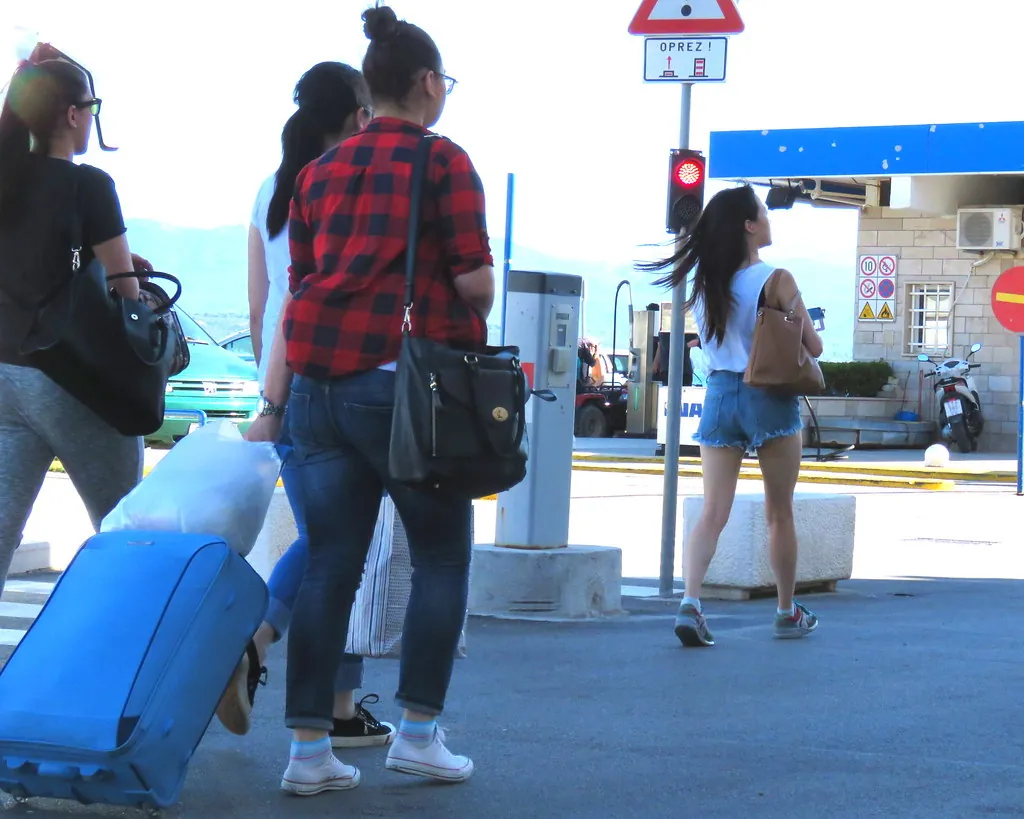
Almost every place in Croatia looks beautiful in photos. A single cove, a narrow stone street or a sunset over the sea can look perfect. But one image tells you nothing about crowds, noise, logistics, prices or the everyday rhythm of a place.
Some destinations are stunning but extremely busy. Others are quieter but offer fewer services. Some come alive at night, while others fall silent early in the evening. None of that appears in a photo or shows up on Instagram.
The mistake tourists often make in Croatia is not wanting beautiful places. It is assuming that beauty automatically comes with the atmosphere you imagine. Two islands can look nearly identical in photos and offer completely different experiences in real life. If you are unsure how to tell the difference, our guide Croatian Islands Explained: Which One Fits Your Travel Style? breaks down how Croatian islands actually function beyond the photos.
Understanding the difference between appearance and everyday reality makes choosing destinations far more satisfying.
Before booking, it helps to look beyond images and ask simple questions: How busy is this place in July? Does it quiet down at night? How easy is it to move around without a car?
Underestimating summer heat and crowds
Summer heat on the Croatian coast is not a minor detail. It shapes daily life, both for locals and visitors. In July and August, temperatures regularly reach levels that make full-day sightseeing exhausting and, at times, genuinely uncomfortable.
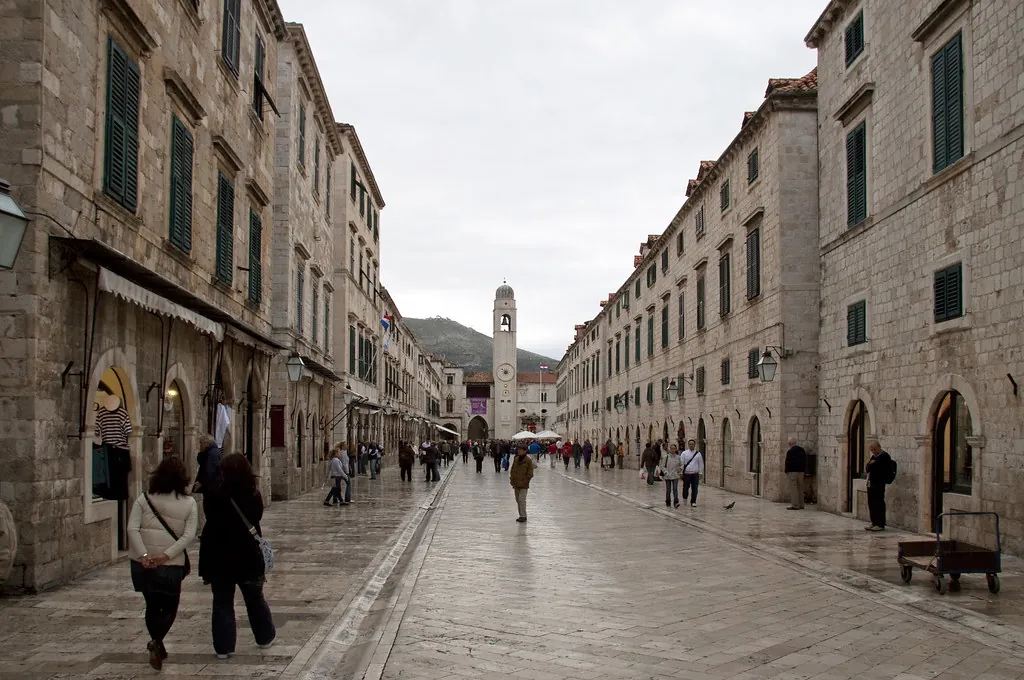
Many visitors plan their days as if they were in a cooler climate, walking for hours, hopping between sights and expecting to stay active from morning until evening. But walking Dubrovnik’s Stradun at noon, under direct sun and 35°C heat, feels very different from walking the same street in the evening, when the pace slows and the air becomes breathable again.
Shifting your sightseeing to early mornings and evenings often changes the entire experience.
Not understanding how transport in Croatia actually works
Traveling along the Croatian coast, especially in Dalmatia, depends heavily on buses, ferries and boats. Renting a car can help, but many visitors quickly realise it can become more tiring than enjoyable.
If you are considering travelling Croatia without a car, our guide Travelling Without a Car in Croatia explains when this approach works well and when it creates more stress than it saves.
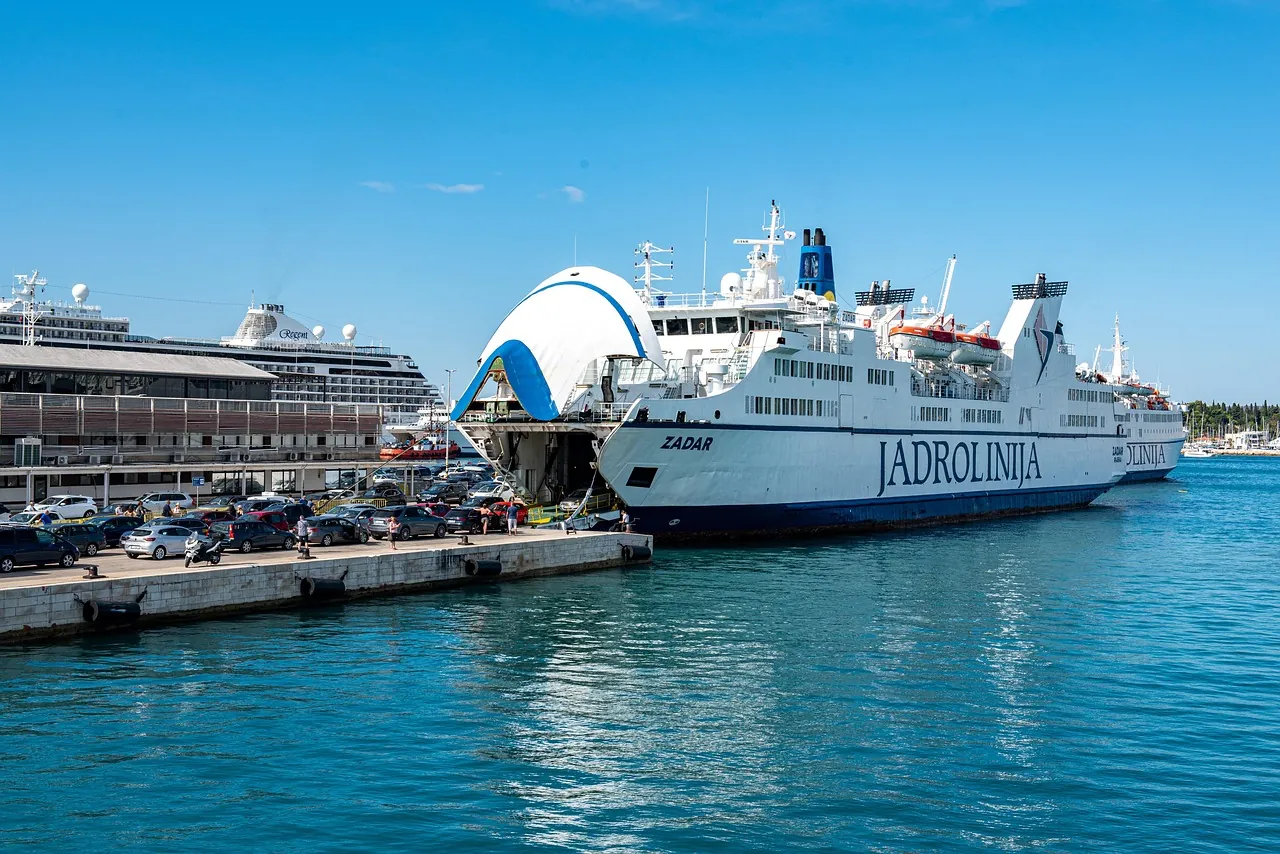
Problems usually arise when visitors do not understand how transport actually works. Much of the coast is well connected, but there are nuances that are hard to grasp if you are not local. An island, for example, may be connected by ferry, catamaran and speedboat, but not every day and not at every time.
When visitors see all these options listed, they often overlook schedules and find themselves stranded, searching for last-minute accommodation on the mainland because transport was not checked or booked in time.
It is important to know that ferry, bus and train schedules change seasonally. Some routes run once a day. Others only a few times a week. Some operate exclusively in summer. Capacity is limited, especially for vehicles. Many itineraries fall apart because ferries are treated as flexible transport rather than fixed infrastructure.
The logic behind ferry routes, schedules and capacity limits is explained in detail in our guide Croatian Ferry System Explained: Cars, Catamarans, Tickets and Boarding.
Keep in mind that tens of millions of people visit Croatia during summer. If you need to travel on a specific day by bus, train or ferry, tickets often need to be booked weeks in advance. With more flexibility, options usually appear a day or two before. What you should never expect is to arrive thirty minutes before departure and easily get a ticket.
Understanding these details early in the planning process saves time, money and nerves, so if public transport is part of your plan, checking schedules should be the first step, not the last.
Expecting sandy and private beaches everywhere
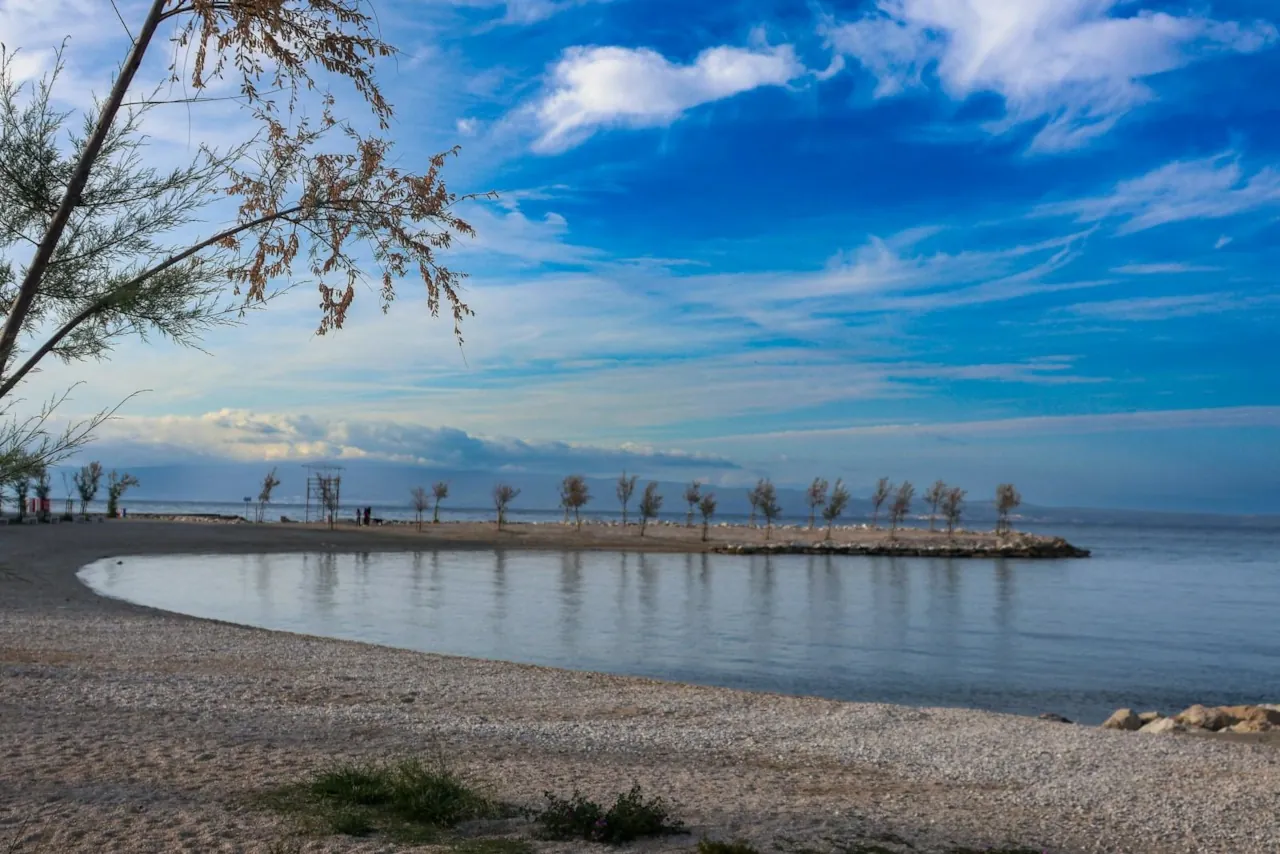
Croatia is famous for its crystal-clear sea, highly indented coastline and countless natural beaches and coves. Because they are natural, most beaches are pebble or rocky rather than sandy.
Croatia’s karst landscape shapes its coastline, creating islands, coves, cliffs and pebble beaches. You will occasionally find natural sandy beaches, but artificial ones are extremely rare. The country places strong emphasis on preserving natural coastlines, and beach “construction” is widely seen as environmental damage.
So before feeling disappointed by the lack of fine sand, it helps to remember that you are standing in a landscape shaped over millions of years, one you can now enjoy in its natural state. Pebbles, rocks and strict environmental protection are exactly why the sea here remains so clean.
Another common misunderstanding is the expectation of private beaches. After years of local resistance against overdevelopment and privatization, Croatian law protects the coastline as public good. Beaches cannot be privately owned.
Once this is understood, the entire experience shifts. You begin to appreciate the coastline as locals do: shared, open and preserved.
Misunderstanding local service culture
One of the most common sources of confusion locals hear about is with service speed and hospitality culture.
Meals take longer. The bill does not arrive unless you ask for it. Tables are not turned quickly. And if you try to rush a waiter, you may be met with a calm, slightly puzzled look.
This is not inefficiency, laziness or rudeness. It’s the normal rhythm of coastal life. Dining out is social time, not a transaction to be completed as quickly as possible. Leaving guests alone at the table is considered respectful, not neglectful.
Visitors who expect constant attention or fast service often feel ignored. Those who relax into the pace usually experience warm, personal and generous hospitality. Understanding this difference removes unnecessary frustration and turns meals into one of the most enjoyable parts of the trip.
Treating towns as theme parks instead of real communities
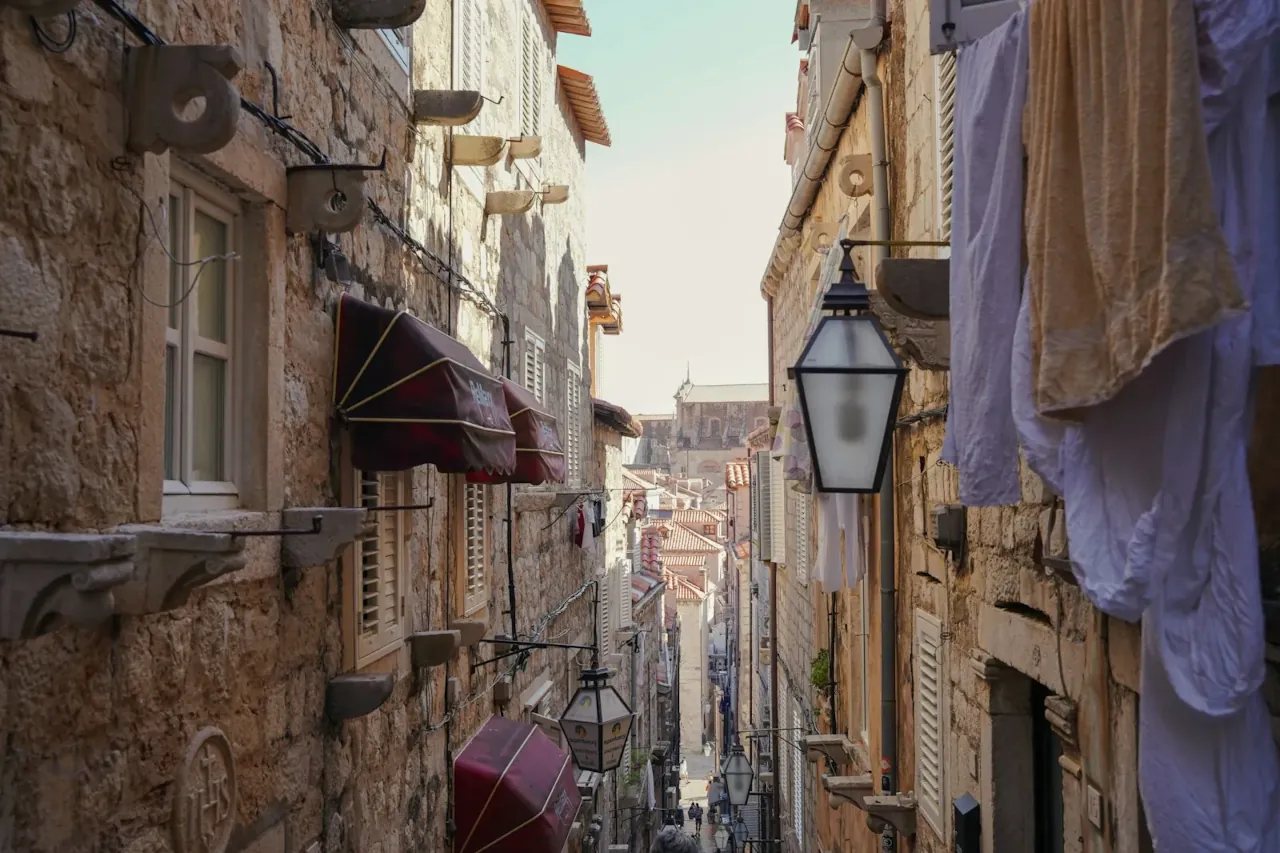
Croatian coastal towns were not built as tourist destinations. They may look like film sets (and many have been used as such), but everything you see has existed for centuries. These places were not created to attract visitors. They are living towns with families, schools, early work mornings and everyday routines that continue through summer.
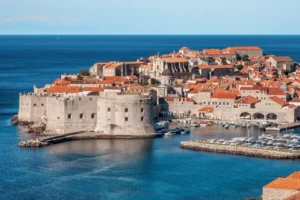
There is a well-known anecdote from Dubrovnik. After a guided walk along the city walls, a visitor once asked whether the walls were dismantled and stored away once tourists left. Considering the walls are stone structures built between the 13th and 17th centuries, almost two kilometers long and up to 25 meters high, you can understand why locals find this comical. But it reveals how some visitors experience places whose cultures are unfamiliar to them.
Another sign of this misunderstanding is a lack of respect for shared space. Popular towns regularly struggle with loud nights, public intoxication and damage to historic areas. This behaviour often comes from visitors who forget that they are in cities where people live, work and raise families, many of whom have nothing to do with tourism at all.
Visitors who approach towns as someone’s home rather than a backdrop are almost always met with openness and warmth in return.
When you stop rushing, Croatia makes sense
Most mistakes tourists make in Croatia come down to one thing: trying to impose an imagined travel style on a country with its own rhythm.
Croatian destinations are best experienced with patience and curiosity. With loosely planned days. With space to actually discover a place while being there, rather than following a rigid plan built on photos and assumptions.
Travel slower. Choose fewer places. Adapt to local timing and habits. Let the country set the pace instead of fighting it.
Those who do usually leave with something more valuable than a checklist. They leave with the sense that they did not just visit Croatia, but genuinely got to know it, at least a little.
If you still have practical questions while planning, our Croatia Travel FAQ covers the most common everyday concerns visitors ask before arriving.