Planning any trip is exciting. Flights are booked, destinations explored, the perfect accommodation is chosen, and beaches that should not be missed are marked on the map. But alongside all these big decisions, travelers often forget the small, everyday things that matter just as much. These details can make the difference between a relaxed, enjoyable stay and a trip filled with small stresses and unnecessary questions.
This guide covers practical travel tips for Croatia worth knowing before arrival, based on local experience.
Is tap water in Croatia safe to drink?
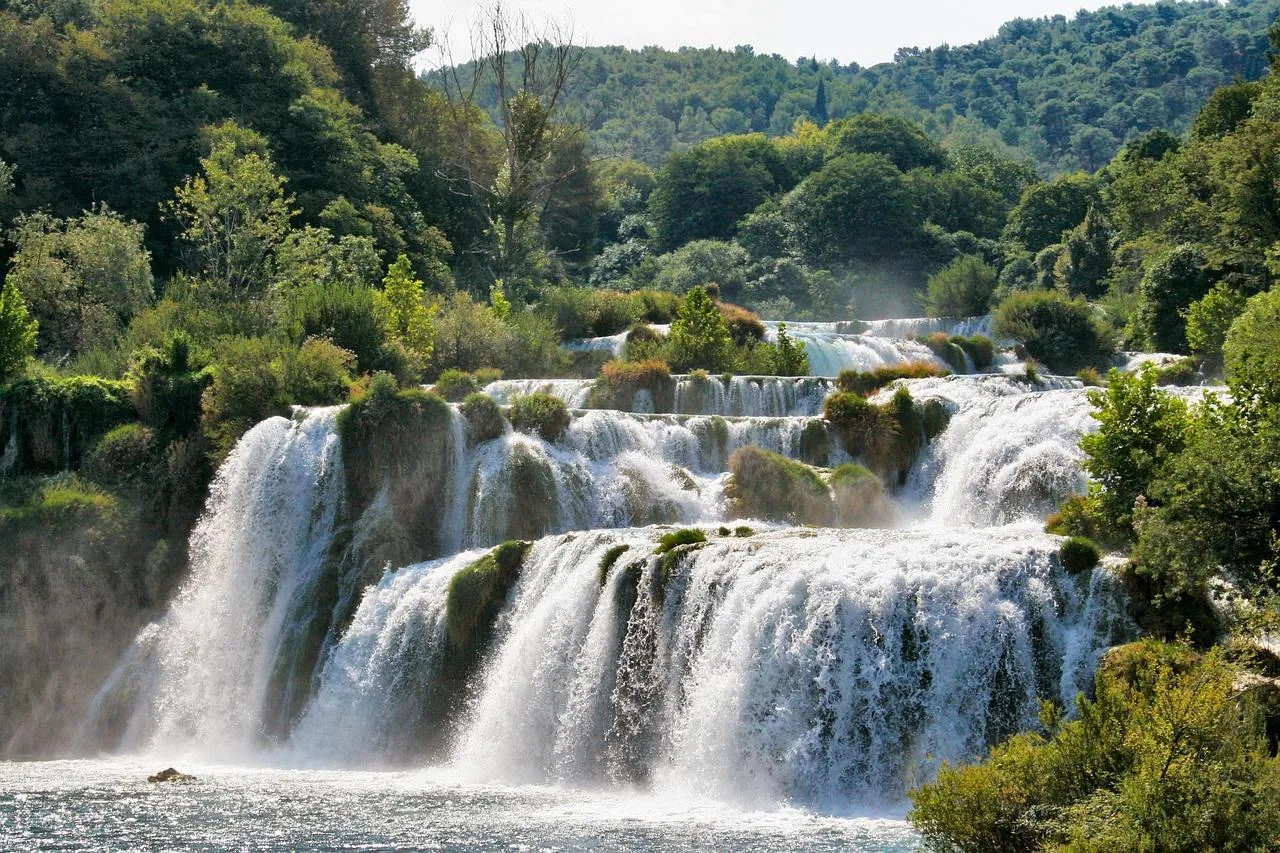
Water in Croatia is one of the country’s national treasures. The country is rich in water resources thanks to a dense network of rivers flowing toward the Black Sea and the Adriatic, complemented by unique underground rivers typical of the region. Beneath Croatia’s karst landscape lies an extensive underground reservoir of high-quality drinking water, which makes tap water in cities, towns and villages safe and perfectly drinkable. Locals drink tap water daily, and bottled water is more a matter of habit than necessity.
In restaurants, you can ask for tap water, and refillable bottles are completely normal. It is common and not considered rude.
During summer, especially on islands, water pressure can occasionally be lower, but the quality remains safe. In rare cases when heavy rainfall clouds the source of a river supplying a city with water, this is announced through national media. Such situations, however, almost never happen in summer.
What language is spoken in Croatia?
The official language in Croatia is Croatian. Most people, especially in tourist areas, speak English, and many also speak German or Italian.
English is widely spoken in hotels, restaurants and tourist services and younger generations generally speak it very well. In smaller towns or among older people, English may be more basic, but communication is rarely a problem.
Although English is widely spoken in Croatia, knowing a few basic Croatian words can still make everyday interactions easier and more personal. See our guide Basic Croatian Words for Travellers for useful phrases, pronunciation help and common expressions that can help in restaurants and everyday communication with locals.
Money in Croatia: Cash or card?
Croatia has used the euro since 2023. Cards and contactless payments are accepted almost everywhere, including hotels, restaurants, supermarkets and many beach bars. Still, it is useful to carry some cash, especially if you are traveling on a budget. Smaller cafés, bakeries, markets, taxis and public toilets may prefer cash, especially outside larger cities. There is no need to exchange large amounts in advance.
ATMs are widely available, but be cautious of high exchange rates offered by private machines. Bank-operated ATMs are usually the better option.
For a wider look at everyday travel costs in Croatia, our guide Is Croatia Expensive? Real Travel Costs, Explained by a Local breaks it down in detail.
SIM cards and internet access in Croatia
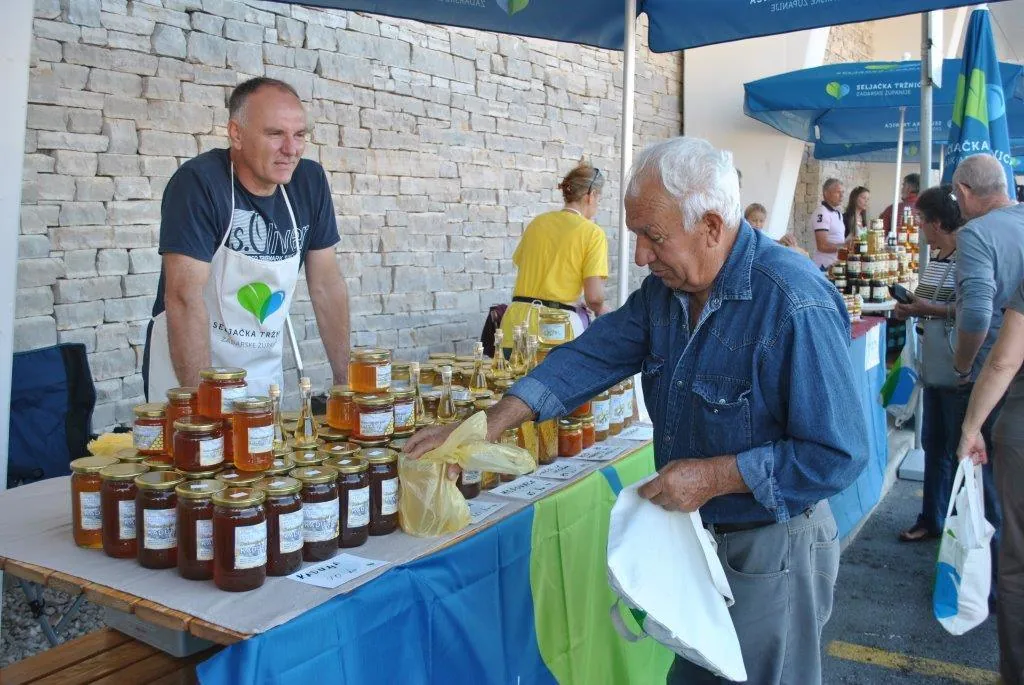
Croatia has very good mobile coverage and fast internet. Prepaid SIM cards can be purchased at airports, kiosks, mobile operator shops or supermarkets. Data packages are affordable and easy to activate. Many travelers also use eSIM options, which work very reliably in Croatia. Free WiFi is common in hotels, cafés and apartments, and many cities offer free public WiFi in main streets and squares.
On islands and when you are on the move, mobile internet is often faster and more reliable. If you are coming to Croatia from an EU country, you can use mobile internet without additional roaming charges under the “roam like at home” rules. This means your data, calls and messages are valid in Croatia as well, with possible data limits depending on your provider.
Power outlets and electricity
Croatia uses standard European power outlets, types C and F, with 230V voltage. Travelers from most European countries do not need an adapter. Visitors from the US, the UK or other regions will need a plug adapter, but not a voltage converter for most modern devices.
During the tourist season, adapters can be purchased at gas stations, shops and specialized electronics stores. However, before buying one, it is worth asking your host, as most hotels and private accommodation owners have adapters available for guests if needed.
Tipping in Croatia
Tipping in Croatia is not mandatory, but it is customary. Locals usually round up the bill or leave around 10 percent in restaurants if the service was good. In cafés, people often leave small change. Taxi drivers do not expect a tip, but rounding up the fare is common. Tipping is always voluntary and never assumed.
Shop opening hours and Sundays
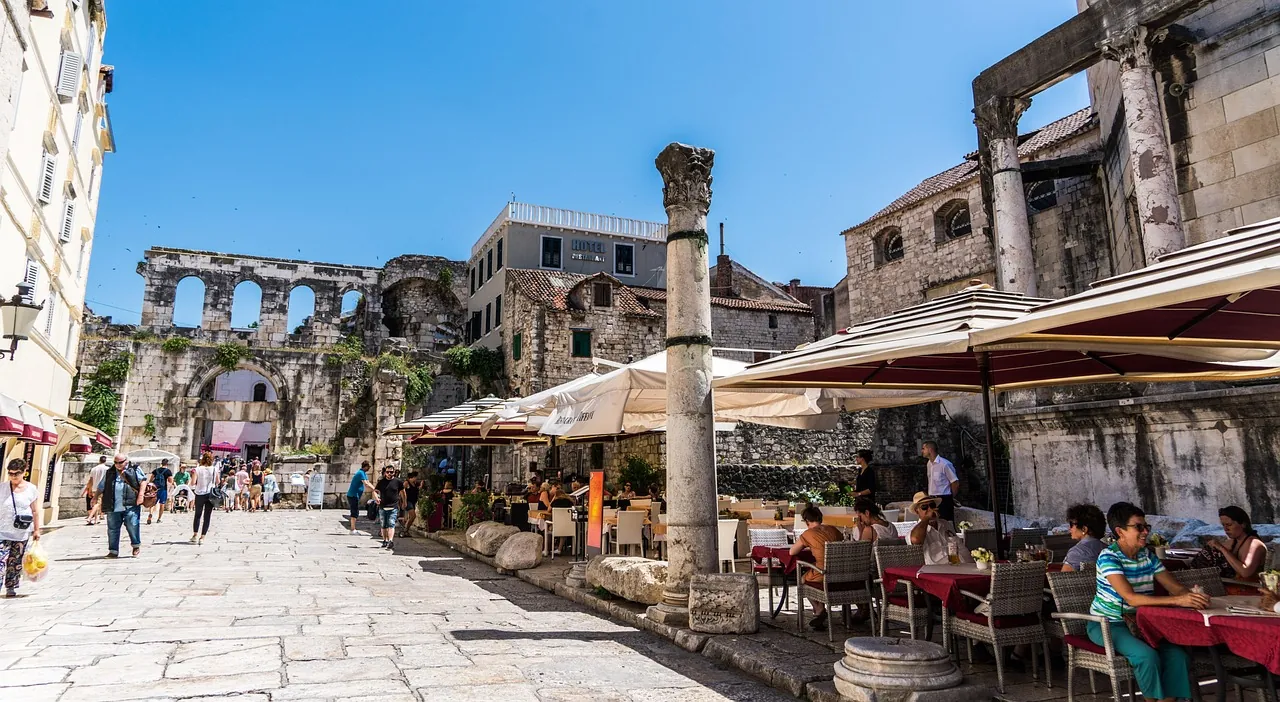
Most shops are open from morning until evening, with longer opening hours during the summer season. In tourist areas, many shops stay open late into the night, though rules can vary by location and season.
Sundays in Croatia are generally non-working days, but each retail chain has designated stores that remain open with regular hours. Their opening times can be found on official websites, or more easily by asking locals which shop is open that Sunday. Bakeries, cafés and restaurants are usually open on Sundays, especially during the tourist season.
Healthcare and emergency numbers in Croatia
Croatia has a high-quality healthcare system. Tourists from the EU can use the European Health Insurance Card, while travel insurance is recommended for others. Pharmacies are easy to find, and pharmacists are helpful and well educated.
The general emergency number is 112 and works nationwide for police, ambulance and fire services. It can be called even from a mobile phone without a SIM card or network signal.
Public toilets in Croatia
Public toilets in Croatia are available in cities, bus stations, ferry ports and tourist areas, but they often charge a fee of around 1 euro, so carrying coins is useful. At rest stops and gas stations, buying a coffee or something small usually gives you a code for the restroom.
In cafés and restaurants, toilets are generally reserved for customers, so ordering a drink is often the easiest solution.
Smoking in Croatia
Smoking is still relatively common in Croatia, especially on outdoor terraces. Smoking indoors is legally restricted, but some bars and cafés have designated smoking areas. Rules are generally more relaxed than in some other European countries, and signage is clearly displayed. No-smoking signs apply equally to cigarettes and vapes.
Cigarettes in Croatia cost between 2 and 5.50 euros per pack of 20, and prices increase year by year.
Driving in Croatia: Highways, tolls and parking
Driving in Croatia is straightforward. Roads are well maintained, and highways are modern. Speed limits are clearly marked, and highways are paid at toll booths when exiting, either in cash or by card. It is possible to purchase an ENC device, a prepaid electronic toll system that automatically deducts the toll and allows faster passage. However, keep in mind that even with ENC, you must slow down and briefly stop at the ramp, as reading the device and lifting the barrier takes a few seconds.
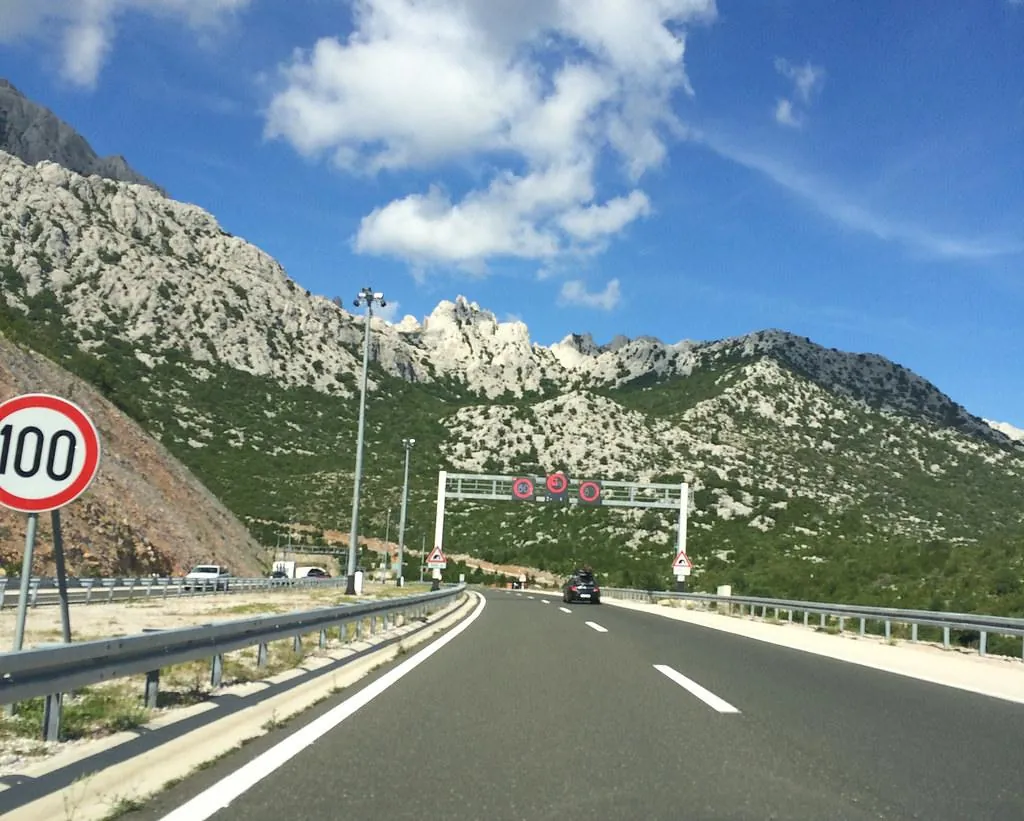
During summer, traffic can be heavy, especially on weekends at highway exits and entrances and near the coast.
Parking in historic town centers is limited, so public parking zones are common. Parking in popular tourist areas ranges from 1 to 15 euros per hour, depending on location, while a full-day parking ticket in places like Dubrovnik can cost between 25 and 100 euros, depending on proximity to the center.
Travelling Croatia without a car is possible, but it requires a different approach. Public transport works well in some situations and very poorly in others. Our guide Travelling Without a Car in Croatia explains what works in practice and what doesn’t.
Summer heat and sun protection in Croatia
Summers in Croatia can be very hot, especially along the coast. Temperatures often reach up to 35 degrees Celsius, with a real feel of over 40 degrees in direct sun. Sunscreen, hats and water are essential.
Locals avoid being outdoors during the hottest part of the day, usually in the early afternoon. The period between 2 pm and 5 pm is still considered a time of daytime rest in many coastal towns. Planning sightseeing early in the morning or later in the evening makes a big difference.
Is Croatia easy for first-time visitors?
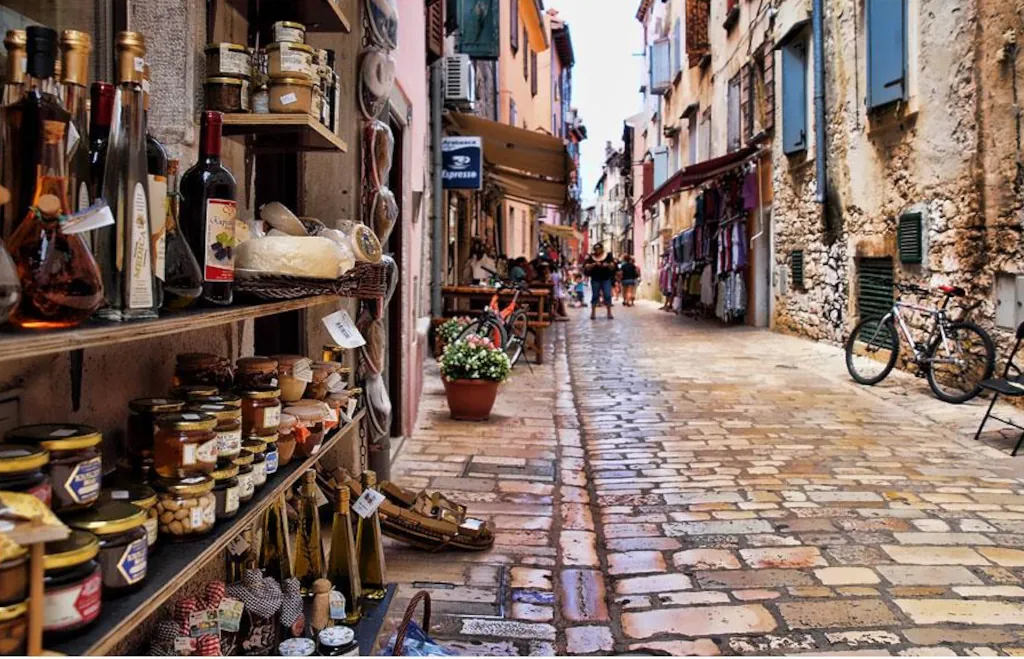
Yes. Croatia is considered one of the safest countries in Europe, with violent crime being extremely rare and petty crime relatively low. It is easy to navigate and tourist-friendly, whether you are traveling solo, as a couple or with children. Public transport is reliable, signage is clear, and locals, most of whom speak English, are welcoming and used to visitors, even in smaller towns and less-visited areas. That said, there are also a few things locals wish visitors understood better.
Once the basic everyday things are understood, traveling around Croatia feels relaxed and natural.
For additional practical information, see Croatia Travel FAQ.