People travelling to Croatia often wonder what and where locals actually eat when they go out to a restaurant. There is a widespread belief that locals keep a hidden list of authentic places, carefully guarded from visitors. In reality, the difference between where locals eat in Croatia and where tourists usually end up has far less to do with secrets and much more to do with habit and everyday routine.
That is why locals often struggle to recommend a “good place to eat” in the way visitors expect. Without clear context, they tend to mention well known, popular places that are easy to explain and that they assume will be convenient for you. But the way you ask makes a big difference. If you ask where they would eat a specific dish, the answer is almost always more thoughtful and more concrete.
If you are not familiar with Croatian food at all, it can be useful to ask which local dish someone would choose to eat outside their own kitchen and where they would go for it. Questions like these often lead to more meaningful recommendations and can save you from leaving Croatia with the feeling that you somehow missed the “real” food scene.
For a clearer overview of what you’ll actually find on menus along the Dalmatian coast, see our guide What to Order in Croatia: Local Food on the Dalmatian Coast.
To understand where locals eat and what is considered good food in Croatia, it helps to first understand the culture of eating out.
Eating out is occasional, not everyday life
For most people living in Croatia, eating in restaurants is not part of everyday routine. Regular meals are eaten at home, shaped by work schedules, family life and habits that rarely change. Going to a restaurant usually happens occasionally and almost always for a reason: dinner with friends, a date, a birthday, a family celebration. Restaurants are chosen not to try something new, but because they allow people to spend time together without cooking, washing dishes or cleaning up.
Casual meals and planned dinners
When locals decide to eat out spontaneously, without a particular occasion, expectations are modest. This usually means a familiar pizzeria, a grill place or a simple spot where you know what you will get. The goal is not a culinary experience, but a meal that arrives quickly and tastes decent.
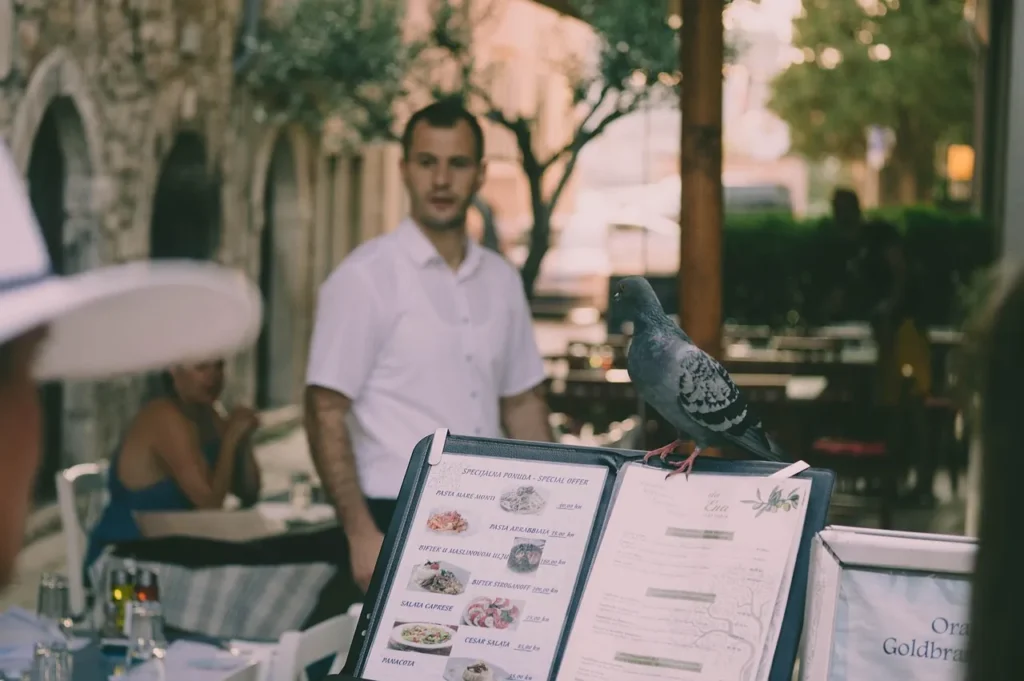
That is why these casual dinners rarely happen in restaurants with long, illustrated menus or staff standing outside inviting people in. If a restaurant needs to explain itself before you even sit down, it is very likely not a place locals visit without planning.
When longer sitting, conversation or “proper” food is planned, which usually means cooked dishes, many will choose a konoba. Not because it promises authenticity as a concept, but because it suits the occasion.
Konobas are associated with a slower pace, fewer distractions and food that feels grounded rather than performative. They are chosen for their atmosphere and reliability, not for variety or visual impact.
A konoba locals go to usually has a short menu, little need for explanations and no ambition to please everyone. If every dish on the menu sounds like it needs extra explanation, there is a good chance the restaurant is not focused on local guests.
Restaurants locals would not recommend to their guests
Restaurants aimed primarily at tourists operate by a very different logic. They rely on short stays, constant guest turnover and menus designed to appeal to as many people as possible in the shortest amount of time. These places often work seasonally, focus on speed and have long menus full of familiar, “safe” options. Food is frequently prepared in advance, frozen and finished quickly on the grill or in a fryer.
There is a simple visual sign locals notice immediately. If identical plates of fried food are coming out of the kitchen every few minutes to multiple tables, the restaurant is often relying on frozen ingredients. The smell of overheated oil and repetitive dishes are signs of places built for volume, not for cooking well.
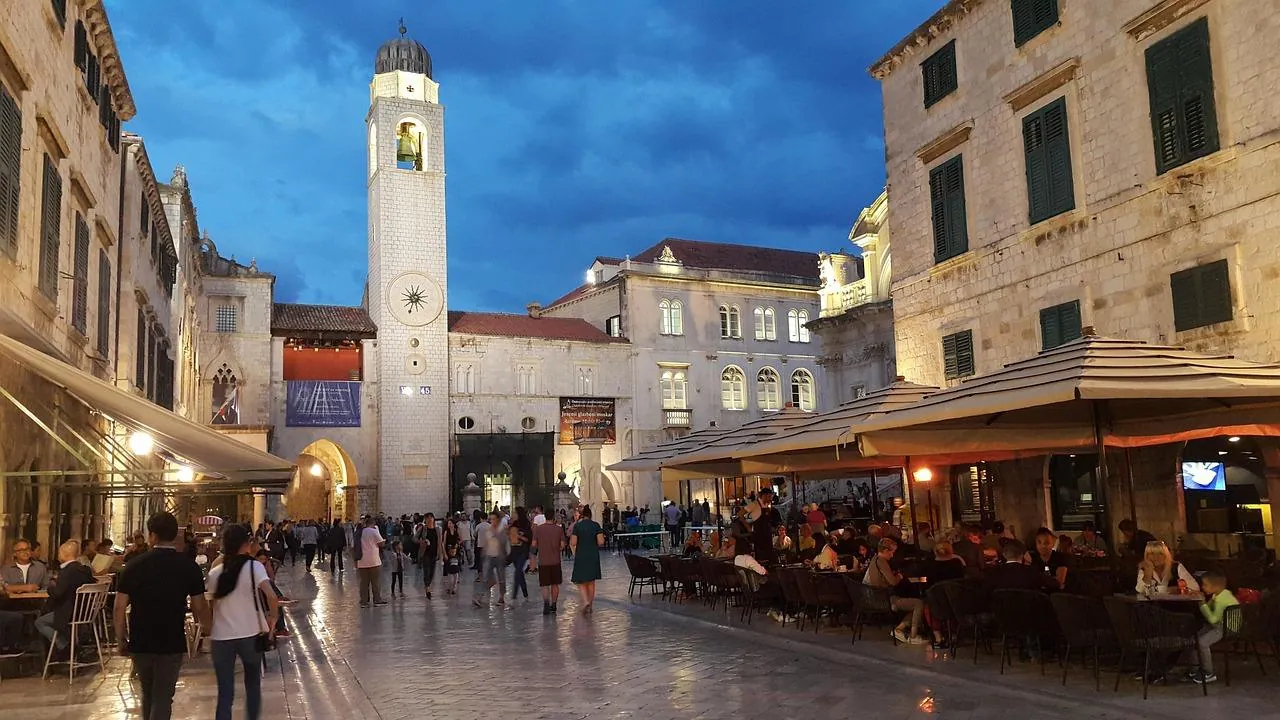
Such restaurants rarely operate year round and locals almost never recommend them. This is why many people hesitate to give food advice in the busiest historic centres. In cities like Dubrovnik or Split, location often carries more weight than the kitchen itself. That does not mean you cannot eat well there, but good food is the exception rather than the rule. In these areas, having lunch earlier in the day or dinner away from the main streets is often a safer choice.
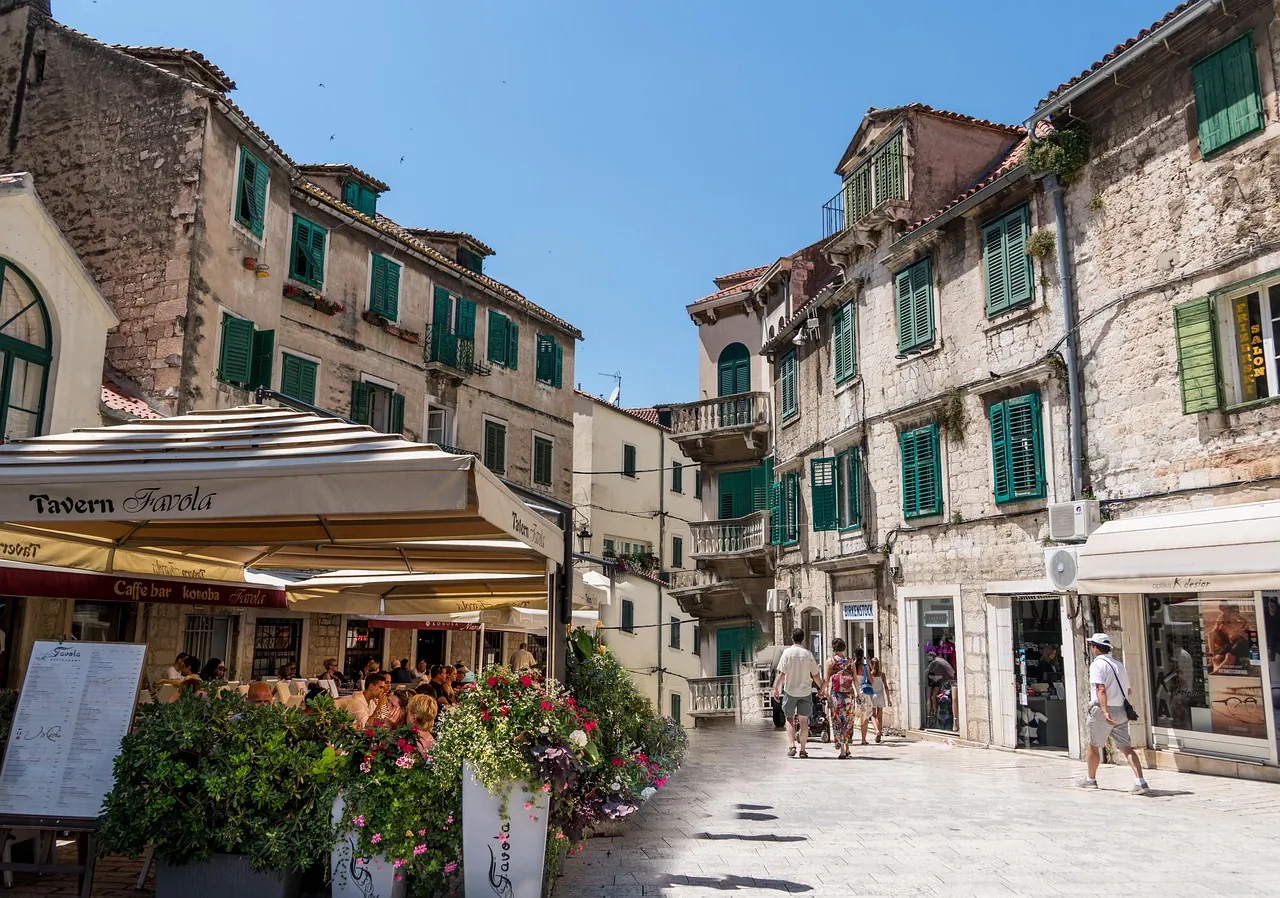
In practice, it often looks like this: it is evening, you are hungry and you find yourself in the old town, for example in Split or Dubrovnik. Everything looks similar, menus are long and someone is trying to pull you in from the entrance. At that moment, it makes sense to slow down, check whether there is a daily offer or simply walk a few minutes away from the main streets. Often, that small shift is enough for both the atmosphere and the food to change noticeably.
That said, tourist focused restaurants are not the rule along the entire coast. There are still many places that, despite large numbers of guests, respect a slower rhythm, do not rush diners and allow people to sit down just for a drink. These are the restaurants locals tend to return to.
Understanding Croatian food
Understanding Croatian food starts with understanding what is considered home style food. This rarely means something spectacular or clearly labelled as “traditional”. Authentic food is what is eaten at home, in season, without much explanation. It is closely tied to the time of year, family habits and region.
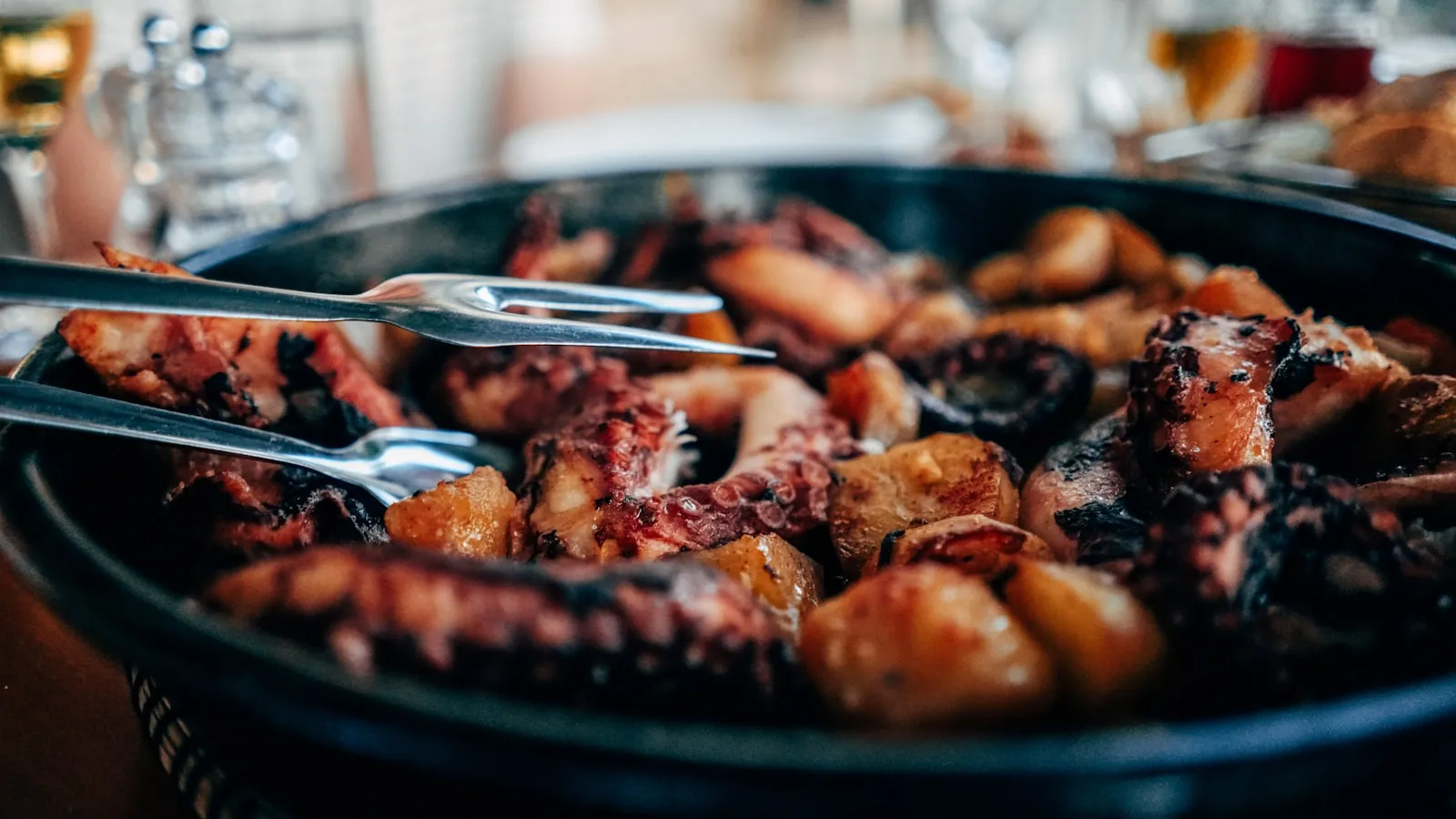
Dishes like pašticada, sarma or peka have their place in winter gatherings, holidays and special occasions, but are rarely eaten throughout the year. They require time and planning and depend heavily on seasonal ingredients. Cabbage, for example, is a winter ingredient, which is why dishes like sarma or sauerkraut based meals belong to colder months.
By contrast, brudet, buzara or simple combinations of fish, chard and potatoes belong to warmer parts of the year. Croatian cuisine is strongly shaped by seasonality and availability rather than fixed menus. In practice, this means the same dishes do not make sense year round, even if they are always listed on the menu.
How to avoid disappointment
There is a truth that is rarely said out loud. Restaurant food almost never looks or tastes like the meals cooked by grandmothers at home. That kind of cooking happens in private homes, for specific moments, not daily and not on a large scale. This is not unique to Croatia. It applies almost everywhere.
The value of restaurants is not in perfectly imitating home cooking, but in how they work with local ingredients, flavours and atmosphere. If a restaurant tries too hard to play the role of “grandma’s kitchen”, disappointment is likely. When food is cooked simply, without the need for constant explanation, it often hits the right note.
If you are trying to decide where to eat on a given evening, context matters more than reputation. Fish makes sense by the sea and on the islands. Slow cooked meat dishes more often make sense inland or away from the busiest promenades. Ignoring that logic often results in an expensive meal locals would never order in that location.
A short menu is almost always a good sign. Fewer dishes usually mean better sourcing and more attention in the kitchen. Eating well in Croatia is not about finding hidden places, but about understanding how food fits into everyday life.
A quick checklist before you sit down in a restaurant in Croatia
How to order without going wrong – if there is a daily menu or a recommendation from the staff, start there; ask what is good today or what people usually order
What is worth trying at least once – fish dishes and simple starters by the sea, pašticada or peka as one dedicated meal, local wines and olive oil
What is good to know – lunch usually starts around 1 pm and by 3 or 4 pm many konobas stop serving their daily menu
What prices to expect – in local konobas, main dishes are usually around 10–15 €, while mid range restaurants charge 15–25 €. A meal with a starter and main dish is typically 25–40 € per person, while dinner with dessert and wine often reaches 40–50 €. Prices in tourist zones are higher, which rarely means better food.
What often leads to disappointment – long menus in the busiest areas, chasing “authentic” without context, expecting every meal to be a special experience