
Travelling to Croatia with a dog is generally very safe, and most owners complete their trip without any problems. However, there are a few dangers for dogs in Croatia that are worth knowing about before you arrive, especially if you’re visiting during the hot summer months or planning to spend time outdoors.
If you’re still planning your trip, start with our guide Planning a Trip to Croatia With a Dog, which covers entry requirements, documents, vaccinations and pet travel rules.
Don’t underestimate Croatia’s summer heat
One of the biggest dangers for dogs in Croatia is the extreme summer heat. During summer, pavements, roads and stone surfaces can become hot enough to cause serious burns to your dog’s paw pads. A simple rule applies: if it’s too hot for the back of your hand, it’s probably too hot for your dog to walk on.
Historic Dalmatian towns also have countless stone steps, narrow alleyways and polished limestone streets, which can be difficult for older dogs, dogs with joint problems or those that aren’t used to long walks.
Fireworks are another thing to be aware of. During summer, many coastal towns hold local festivals, concerts and weddings where fireworks are common. If your dog is frightened by loud noises, it’s worth keeping this in mind when planning evening walks.
Large tourist crowds can also be stressful for many dogs. Places such as Dubrovnik’s Stradun or the busy waterfront promenades in Split and Hvar are often crowded, noisy and extremely hot during the middle of the day, making them far from ideal environments for pets.
Dangers in Croatian nature and mountains
If you’re planning to explore Croatia’s national parks, mountains or more remote countryside with your dog, there are a few additional risks worth knowing about. Croatia is generally a safe country for travelling with pets, but its rugged terrain and wildlife can be more challenging than many visitors expect.
Venomous snakes and wild animals
Croatia’s best-known venomous snake is the nose-horned viper (Vipera ammodytes), which is commonly found in rocky, sunny habitats, particularly in parts of Dalmatia, the Velebit mountains and other karst landscapes.
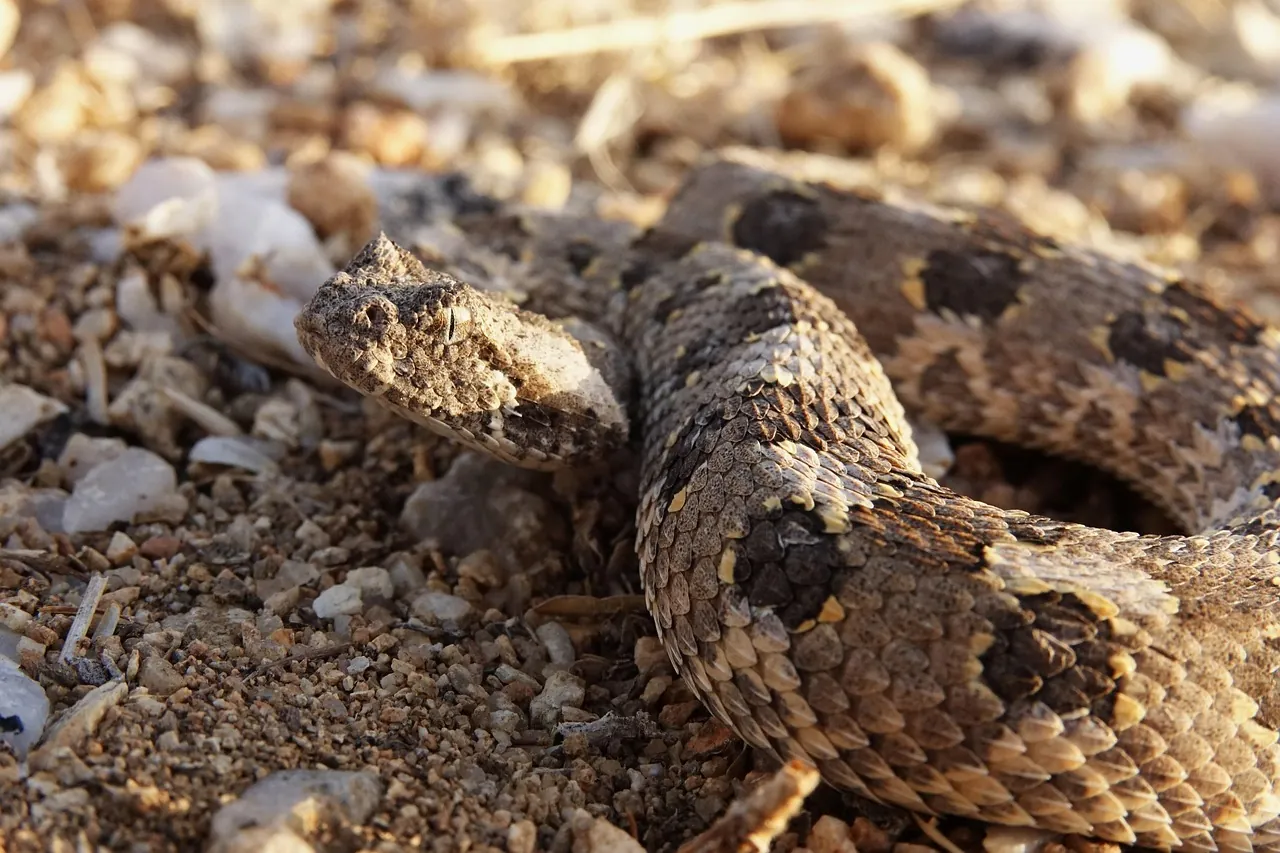
Encounters are uncommon, but it’s still a good idea to keep your dog on marked trails and avoid letting them run through tall grass or rocky scrub during the warmer months.
Croatia is also home to animals such as badgers, golden jackals and wild boar, while wolves and brown bears inhabit some mountainous regions, particularly around Velebit and Gorski Kotar.
For this reason, keeping your dog on a leash is recommended, even if they are well trained.
Pine processionary caterpillars and parasites
One of the lesser-known but potentially dangerous hazards for dogs is the pine processionary caterpillar. These caterpillars nest in pine trees before descending to the ground in long lines.
If a dog sniffs, licks or swallows one, it can suffer severe reactions, including swelling of the tongue, breathing difficulties and tissue damage. If you suspect your dog has come into contact with one, seek veterinary help immediately.

Ticks are very common throughout Croatia, especially during spring and early summer. If you plan to spend time in nature or walk through long grass, reliable tick protection is strongly recommended. After every walk, check your dog carefully, paying particular attention to the ears, neck, paws and underbelly.
Sandflies are another parasite to be aware of, particularly along the Croatian coast. They can transmit leishmaniasis, so it’s important to make sure your dog’s parasite protection also covers sandflies.
Rugged terrain
Although Croatia’s mountains and natural landscapes often look gentle in photographs, the terrain is frequently rocky, sharp and demanding. Dogs can easily suffer cuts to their paws, exhaustion or even falls, particularly during hot weather.
Before setting off, consider whether a trail is suitable for your dog’s fitness level, carry plenty of water for both of you, and don’t hesitate to ask locals about trail conditions.
At the beach and in the sea
If you’re planning to take your dog to the beach, there are a few things many owners don’t think about until they happen.

Sea urchins: harmless, but painful
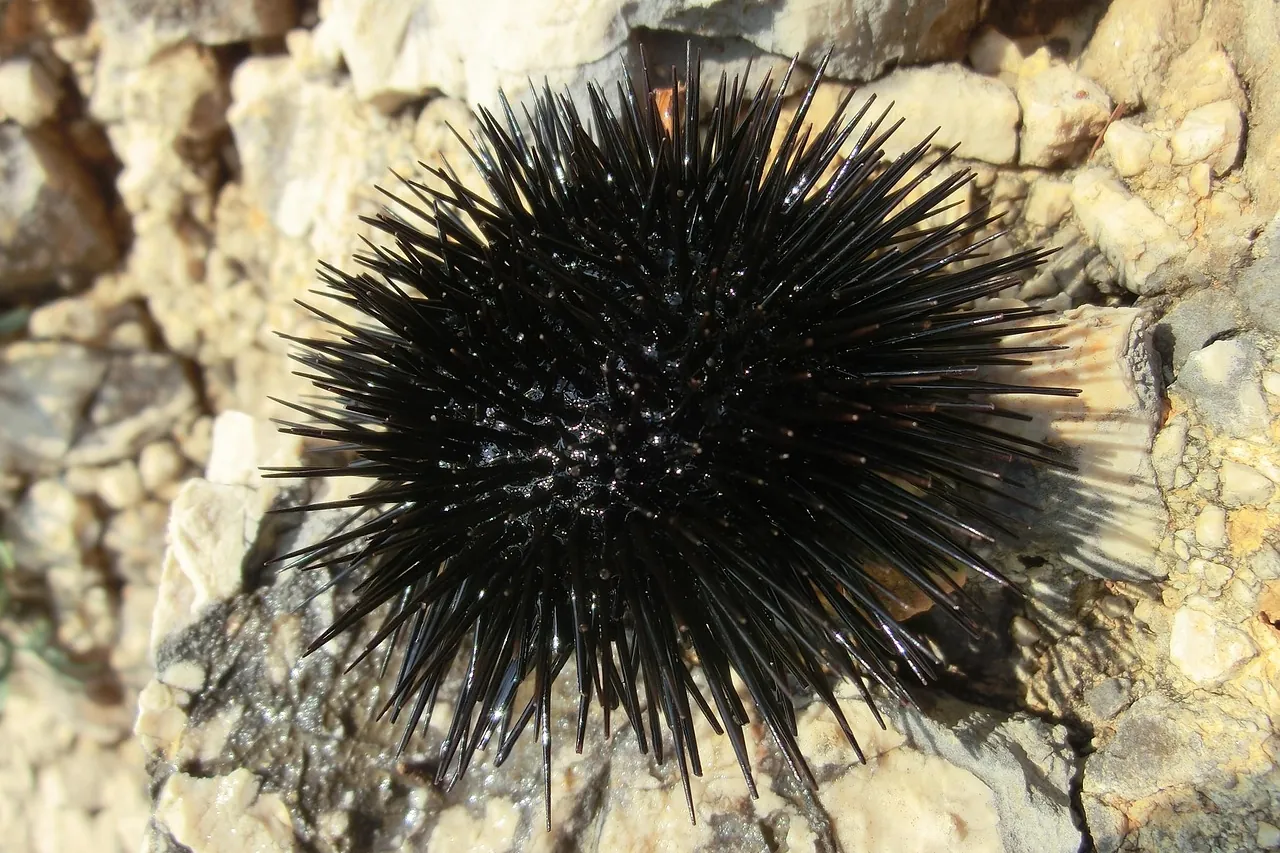
Sea urchins are very common in Croatia’s shallow coastal waters, particularly around rocky beaches. Although they are not venomous, stepping on one can be painful for both people and dogs.
If you notice large numbers of sea urchins in the shallows, it may be worth finding another place to swim.
Dehydration and heatstroke
Many owners don’t realise how much seawater their dogs swallow while swimming and playing. Drinking too much salt water can lead to vomiting, diarrhoea, dehydration and stomach problems, especially on very hot days. Take regular breaks, offer fresh drinking water and give your dog time to cool down in the shade.
Heatstroke is one of the most serious risks for dogs on the Croatian coast during summer. Air temperatures regularly exceed 35°C (95°F), while stone pavements and concrete surfaces exposed to direct sunlight can become considerably hotter.
Spending long periods lying or walking in direct sun can also cause severe skin burns, particularly in white dogs or breeds with light or thin coats.
For this reason, it’s best to visit the beach early in the morning or later in the evening. During the height of summer, the period between roughly 10 a.m. and 6 p.m. is often uncomfortable even for people, let alone dogs.
Many owners underestimate how quickly heat-related problems can develop, but it doesn’t take long for a pleasant day at the beach to become a medical emergency.
Hopefully you’ll never need it, but if your dog becomes ill or injured during your trip, our guide to emergency veterinary clinics in Croatia will help you quickly find the nearest emergency vet when every minute counts.