If you’re visiting Croatia, it’s worth knowing when Croatian public holidays fall, especially if you’re travelling outside the main summer season.
While many tourist destinations continue operating almost normally during holidays, smaller towns and less tourist-oriented areas may have different opening hours.
Croatia has 14 official public holidays, combining national holidays with major Catholic religious holidays. Besides affecting opening hours, many of these dates are also marked by local festivals, religious celebrations, concerts and community events, offering visitors a chance to experience Croatian traditions and culture.
In the UK these dates are often referred to as bank holidays, but in Croatia the official term is public holidays.
The official public holidays in Croatia
- 1 January – New Year’s Day
- 6 January – Epiphany
- 5 April 2026 – Easter Sunday
- 6 April 2026 – Easter Monday
- 1 May – Labour Day
- 30 May – Statehood Day
- 4 June 2026 – Corpus Christi
- 22 June – Anti-Fascist Struggle Day
- 5 August – Victory and Homeland Thanksgiving Day and Croatian Veterans Day
- 15 August – Assumption Day
- 1 November – All Saints’ Day
- 18 November – Remembrance Day for the Victims of the Homeland War and the Victims of Vukovar and Škabrnja
- 25 December – Christmas Day
- 26 December – St Stephen’s Day
What visitors should expect on Croatian public holidays
In popular tourist destinations, particularly during the summer months, you’ll usually notice very little difference on public holidays. Restaurants, cafés, attractions and many shops continue operating as usual to serve visitors. Museums and cultural attractions may have special opening hours, so it’s worth checking in advance.
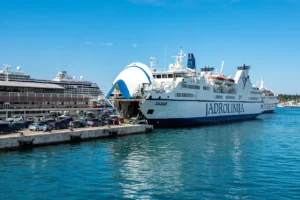
However, if you’re travelling outside the peak tourist season or visiting smaller towns and inland destinations, some supermarkets, shopping centres and other businesses may operate shorter hours or remain closed, similar to Sundays. Public transport timetables may also be reduced, with fewer bus, train and ferry departures than on regular weekdays.
If you’re planning a longer journey or visiting attractions on a Croatian public holiday, it’s always a good idea to check opening hours and transport schedules in advance.
What is usually open on Croatian public holidays?
| Usually open | May have reduced hours or be closed |
| Restaurants and cafés in tourist areas | Supermarkets (especially outside tourist areas) |
| Hotels | Shopping centres |
| Tourist attractions (many, but not all) | Banks |
| Petrol stations | Post offices |
| Pharmacies (selected duty pharmacies remain open) | Government offices |
It’s also worth remembering that many shops in Croatia are closed on Sundays due to trading regulations. If a public holiday falls on a Sunday, visitors should expect even fewer shopping options in some areas.
Public holidays can be busy
Public holidays often coincide with increased domestic travel, especially when they create long weekends.
Popular beaches, national parks, ferry routes and motorways can be busier than usual, so it’s worth booking accommodation and transport in advance if you’re travelling during these periods.
Croatian public holidays explained
While holidays such as New Year’s Day, Easter, Labour Day and Christmas are celebrated in many countries, several Croatian public holidays are closely linked to the country’s history and traditions.
Statehood Day (30 May)
Commemorates the constituting of Croatia’s first democratically elected multi-party Parliament in 1990 and celebrates the country’s modern statehood.
Anti-Fascist Struggle Day (22 June)
Commemorates the establishment of one of the first anti-fascist resistance units in occupied Europe during the Second World War.
Victory and Homeland Thanksgiving Day and Croatian Veterans Day (5 August)
One of most significant Croatian public holidays. It marks the anniversary of Operation Storm in 1995, a key military operation in the Homeland War, and honours Croatian war veterans. Celebrations include official ceremonies, concerts and public events across the country, particularly in Knin.
Remembrance Day for the Victims of the Homeland War and the Victims of Vukovar and Škabrnja (18 November)
Honours those who lost their lives during the Homeland War, with commemorative events taking place across Croatia, especially in Vukovar and Škabrnja.
Among the religious holidays, Corpus Christi and Assumption Day (15 August) are widely respected in Croatia. Many towns organise church services and traditional processions, while Assumption Day is especially important at pilgrimage sites such as Marija Bistrica and Sinj.
Plan ahead
Planning ahead is the best way to make the most of Croatia’s public holidays. While they may affect opening hours and transport in some areas, they also offer visitors a chance to experience local traditions, religious celebrations and national commemorations that are an important part of Croatian culture.
If this is your first trip to Croatia, our guide Practical Local Travel Tips for Croatia (Water, Money, Internet & Everyday Basics) covers everything from drinking water and payments to mobile internet and other useful local tips.