Dubrovnik is the most expensive city in Croatia, but it does not come close to Europe’s highest-cost destinations. Travel cost data consistently places cities like Zurich, Reykjavik and Oslo well above it in terms of daily visitor expenses. In fact, compared to these cities, overall costs in Dubrovnik can often be 20–40% lower, depending on how you travel.
However, this does not mean Dubrovnik is cheap, but it can be quite manageable if you understand what you are paying for and where travellers most often overspend.
For a realistic example, see our guide 3 Days in Dubrovnik in High Season for €500? A Full Budget Breakdown.
Jump to a section
Not all of Dubrovnik is expensive for tourists
When is Dubrovnik cheapest to visit?
COST OVERVIEW: What Dubrovnik prices actually look like in 2026
Why is Dubrovnik expensive?
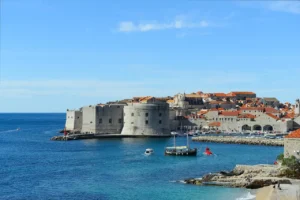
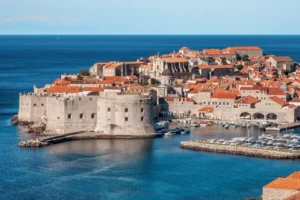
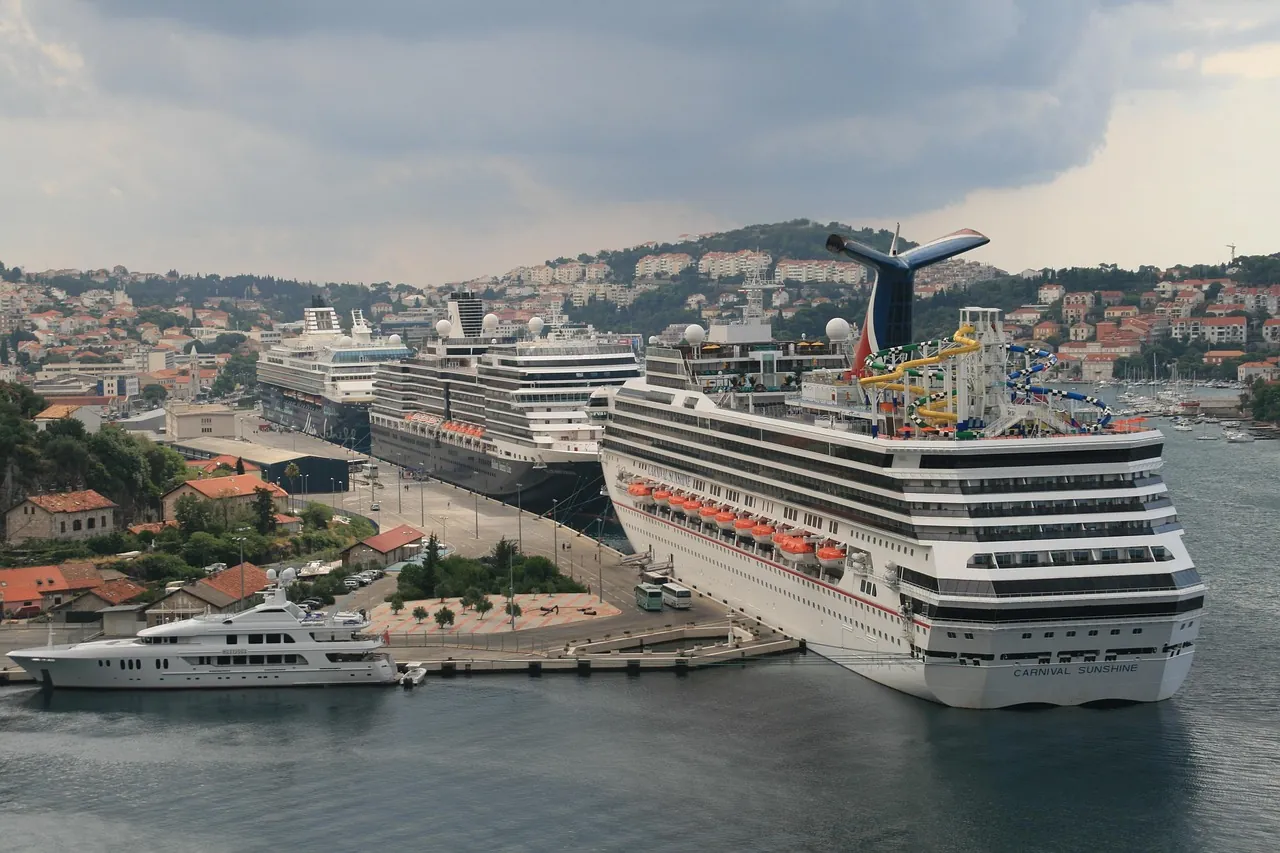
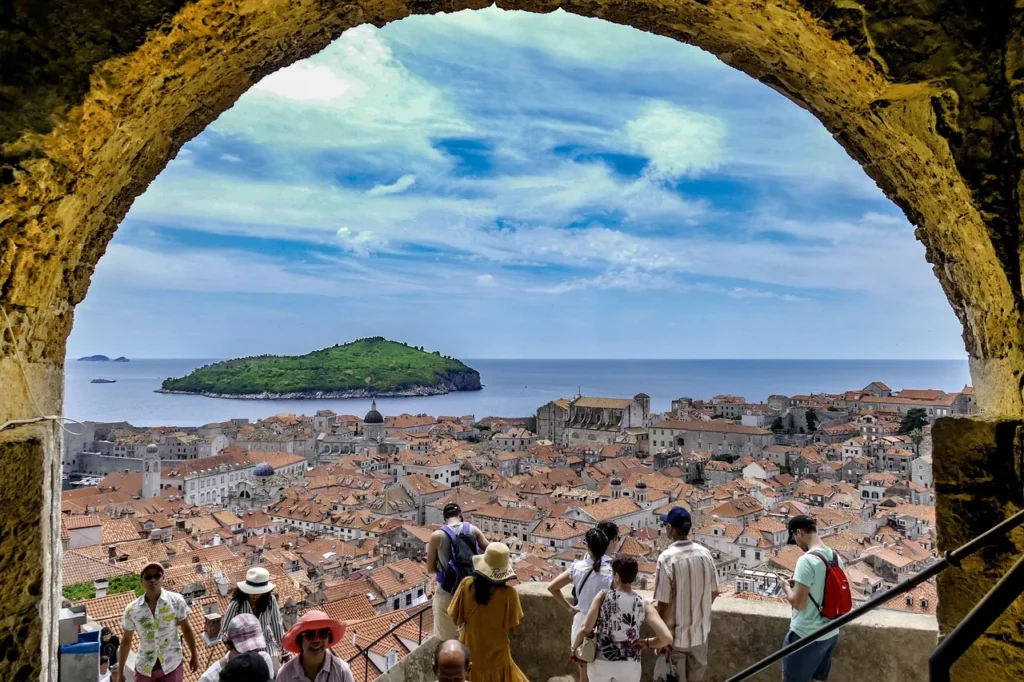
Dubrovnik is a small city with just over 40,000 residents, yet several million people arrive here every year. Most tourists gravitate toward the Old Town surrounded by city walls, which, in addition to overnight guests, is also visited daily by several thousand cruise ship passengers.
This combination creates constant pressure on the supply within the Old Town, especially during peak season, which causes accommodation prices, hospitality venues and services inside the walls to rise year after year. It is a simple law of supply and demand: space is limited and demand is high. In other words: location, location, location.
Not all of Dubrovnik is expensive for tourists
What many visitors do not realise until they arrive is that Dubrovnik is not just the Old Town. The Old Town is only one neighbourhood out of eight and there are also 17 local districts that administratively belong to the city of Dubrovnik. If you want to understand how Dubrovnik is structured beyond the Old Town and how that affects prices, see our detailed Dubrovnik Travel Guide 2026: What to See, Where to Stay, Budget and Insider Tips.
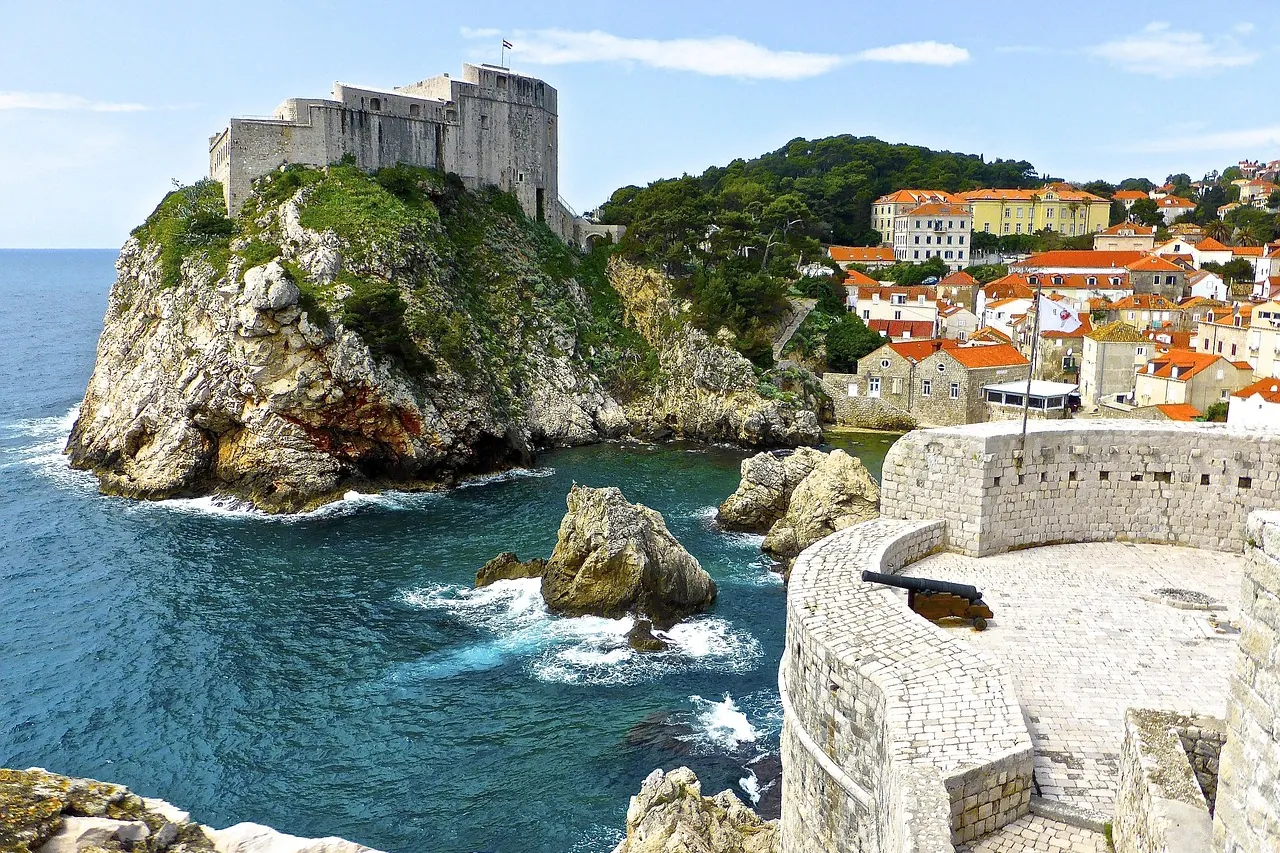
Just a short distance outside the Old Town, prices drop noticeably, without compromising quality, comfort or access to tourist services and attractions. If you choose to stay in Gruž, you will be well connected by buses and boats to all parts of Dubrovnik, nearby islands and surrounding areas. Staying in Lapad or Babin Kuk means proximity to beaches and only a few minutes by bus to the Old Town.
If you choose accommodation in any Dubrovnik neighbourhood outside the centre, prices drop by at least 20 percent. Dubrovnik is such a small city that you can reach almost anywhere within 15–20 minutes on foot or 5–10 minutes by bus.
Food prices also change once you move away from the centre. Restaurants and shops just a few streets outside the Old Town usually offer better value and a calmer atmosphere.
When is Dubrovnik cheapest to visit?
Dubrovnik is cheapest to visit in the low and shoulder seasons, especially from November to March and in April, May, late September and October. If you are deciding whether spring is a good time to visit, our guide Is Dubrovnik Worth Visiting in Spring breaks down weather, crowds and prices month by month.
From June to September, prices are at their highest and crowds are at their peak. If you have not booked everything in advance, last-minute reservation are almost unheard of in Dubrovnik, regardless of what type of service. These months largely shape Dubrovnik’s reputation as an expensive destination.
Outside the peak summer period, the picture changes. April, May, late September and October offer more pleasant weather, fewer visitors and noticeably better value for money.
For a broader look at how seasonality affects prices across the country, see our full guide on Croatia travel costs Is Croatia Expensive? Real Travel Costs, Explained by a Local.
Is Dubrovnik worth the cost?
Dubrovnik is not a destination for spontaneous and very cheap travel. Visitors who expect low prices in the very heart of the historic Old Town are likely to be disappointed. However, those who understand what they are actually paying for usually leave with a very different impression.
Dubrovnik is not just a beautiful setting, but a city shaped by centuries of independence, trade and strong civic identity. As the former Republic of Ragusa, it built its wealth through diplomacy and maritime commerce, while developing a culture that valued education, order and long-term stability. This history still influences how the city functions today and how it understands its own value.
Walking through Dubrovnik is not just sightseeing, but moving through a city that has maintained its structure, walls and public spaces for centuries, despite wars and destruction.
It is also worth mentioning that Dubrovnik’s beaches consistently rank among the most beautiful in Europe, while much of the surrounding nature remains largely unspoiled and accessible within minutes of the historic centre.
Ultimately, the value of Dubrovnik is not measured only in prices, but in the overall experience it offers. For many visitors, that is what makes it worth the cost.
What Dubrovnik prices actually look like in 2026
To give you a realistic picture of Dubrovnik prices in 2026, we looked at the services that matter most to travellers. The focus is on peak season (July and August) and key areas such as the Old Town and Gruž, with practical ways to save without lowering quality. These are real peak-season prices, not the lowest possible ones.
Accomodation and food prices
Accommodation for two people in the centre of the Old Town costs 150–200 euros per night in private accommodation, while in Gruž it is around 100–130 euros. In Gruž, choosing accommodation in a family house usually offers a better value-for-money ratio. A sea view is typically charged at least 20 percent extra.
Hotels start from 550 euros per night and above, while hostels cost around 150–200 euros per person in high season.
A typical lunch for two in a mid-range restaurant: Old Town: 50–60 euros for a main dish and drinks for two people. Choose restaurants in side streets with a long-standing tradition, as this usually guarantees better food quality.
Gruž: 35–50 euros for a main dish and drinks for two people. Many small family-run restaurants near the port of Gruž won’t disappoint in terms of food quality.
Getting around
A bus ticket from Gruž to the Old Town (or any route inside town) costs 2.50 euros. If you buy the ticket at a newspaper kiosk or a Libertas ticket kiosk, the same ticket costs 1.73 euros.
A tourist boat trip to three Elaphiti Islands costs 60–70 euros per person. Local Jadrolinija ferries are significantly cheaper. A one-way ticket to the first island (for example Dubrovnik–Koločep) costs 5.50 euros per person, then 4 euros for each subsequent island (for example Koločep–Lopud). The return ticket costs 5.50 euros per person. Instead of rushing from island to island with a tourist agency, you can choose one or two islands and spend the day at your own pace for 11–15 euros per person.
The cable car to the top of Mount Srđ and back costs 30 euros per person. Considering the panoramic views and the overall experience, the price can be worth it, but there are other options. You can reach the top of Mount Srđ by car, Uber or on foot, depending on how you prefer to travel.
A boat trip to Lokrum costs around 30–35 euros, depending on which boat you choose. The price includes a return boat ticket and entrance to the Lokrum nature reserve. The cheapest option is to use the reserve’s official boat, which departs several times a day from the Old Town harbour.
Attractions and souvenirs
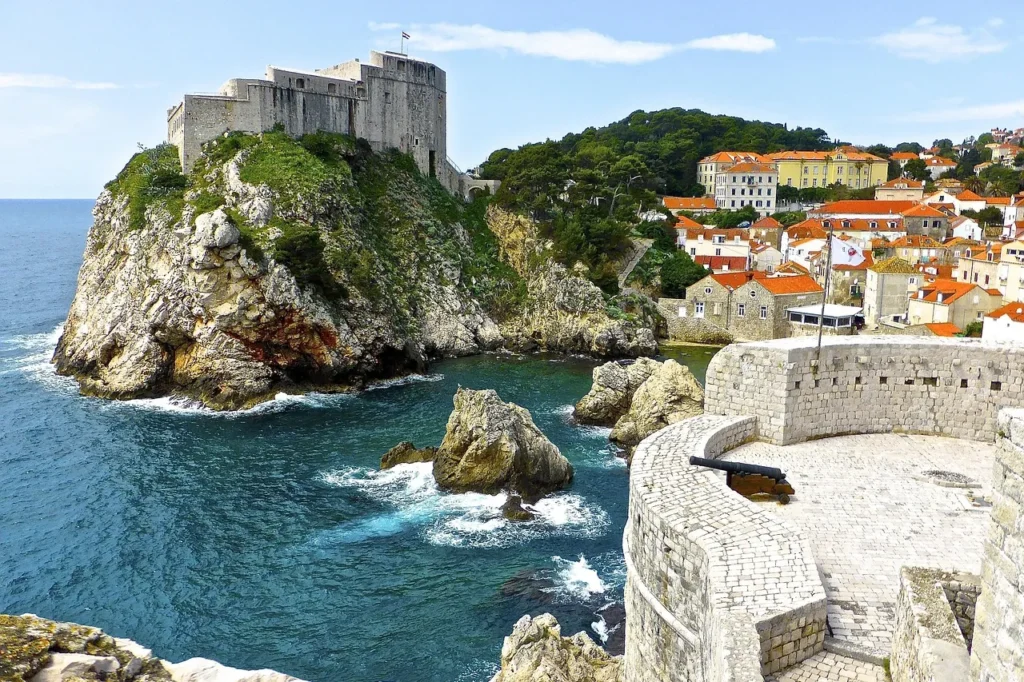
A visit to the Dubrovnik city walls costs 40 euros per person. The Dubrovnik Pass is often better value. For the same price of 40 euros, you get entry to the city walls and Fort Lovrijenac, a day bus ticket, free access to all museums and institutions and discounts on numerous restaurants, tours and other services.
Small souvenirs in the Old Town (magnets, keychains, etc.) start from around 5 euros. In Gruž, prices start from around 3 euros. Be creative. Your family and friends will likely appreciate a bottle of high-quality olive oil, local sweets or homemade rakija more, all of which can be found at markets in Gruž or Lapad. The market in the Old Town tends to be slightly more expensive.
Local tips to save money without lowering quality
If you choose apartment accommodation, make sure it has a kitchen. Cooking your own meals can lead to significant savings. Ask locals for simple recipes. And in addition to eating healthier, you will take home valuable knowledge of Croatian cuisine, along with recipes you would be unlikely to come across by chance.
If you are buying larger quantities of groceries or other supplies, avoid small neighbourhood shops, which can be up to 30 percent more expensive. Shop in larger supermarkets or hypermarkets, which are available in every neighbourhood.
Occasionally have breakfast at a bakery. In restaurants, breakfast is rarely under 10 euros per person, even if you only order scrambled eggs. Dubrovnik bakeries, on the other hand, offer excellent and tasty options. A sausage roll costs around 1.50 euros, while burek or a sandwich costs about 2–3 euros. Portions are usually generous and often enough to keep you full until lunch.
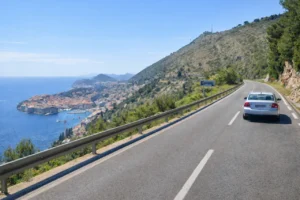
Forget about using a car. Getting around Dubrovnik by car is difficult, parking is limited and prices are high. Use buses and boats instead. Public transport is well connected and frequent and if you buy tickets at official kiosks or through the official websites of transport providers, you will pay less than through agencies. Just make sure to buy tickets on time, as everything sells out quickly.
The same principle applies before you even arrive. Choosing the right transport option and booking it on time often makes a noticeable difference to the overall cost of your trip. Our guide Split to Dubrovnik: Complete Summer 2026 Transport Guide explains all available options, typical prices and what to expect in peak season.
For additional practical information, see Croatia Travel FAQ.