The Croatian Government has presented further details of an anti-inflation package first announced in May, with the proposed tax changes in Croatia covering flat-rate businesses, short-term tourist rentals, excessive corporate profit margins and income tax on pensions.
According to the Government, the proposed tax changes in Croatia are intended to ease pressure on the economy and help slow inflation. The proposals are expected to enter public consultation before being finalised, with the measures currently planned to take effect on 1 January 2027.
The package also includes a continuation of energy support for households and businesses, measures aimed at strengthening budget discipline and a moratorium on administrative prices determined by the state and state-owned companies.
Proposed tax changes in Croatia from 2027
Under the revised Government proposal, the tax and contribution burden would remain unchanged for flat-rate businesses with annual revenue of up to €40,000.
Earlier announcements indicated that only the first three tax brackets, covering annual revenue of up to €19,900, would be protected from an increase. The latest proposal extends that protection to the next two brackets.
According to an estimate by the Ministry of Finance, around 83.4 per cent of all flat-rate businesses fall within the brackets that would remain unchanged.
Businesses in the sixth tax bracket would face a higher annual tax and contribution bill. The total would rise by €1,336, or 30 per cent, to €5,728.
For the highest bracket, covering annual revenue from €50,000.01 to €60,000, the annual burden would increase by €3,033, or 66 per cent, to €7,605.
Finance Minister Tomislav Ćorić said the Government was seeking to reduce the difference between the tax burden imposed on flat-rate businesses and the taxes and contributions paid for employees.
According to Ćorić, the number of flat-rate businesses has grown continuously, while the Government believes that some may represent disguised employment relationships rather than genuinely independent business activity.
He said the original purpose of the flat-rate model was to simplify business operations, not to make one form of work substantially more favourable than others.
The proposed tax changes in Croatia, he added, were intended to improve fairness within the tax system. Businesses that considered the recognised deductions insufficient would still have the option of keeping full business records and reporting their actual expenses.
Ćorić also thanked the Croatian Chamber of Trades and Crafts for its proposals and arguments, some of which were incorporated into the revised plan.
New tax proposed for excessive corporate profit margins
The Government has also proposed a tax on excessive gross profit margins for around 1,800 large and medium-sized companies in Croatia.
Companies earning more than 50 per cent of their revenue outside Croatia would be exempt, with the aim of protecting export-oriented businesses.
Under the proposal, a company’s profit in 2026 would be compared with its average profit in 2023, 2024 and 2025.
An increase of up to 15 per cent above that average would be allowed to account for improvements in productivity. Any profit margin considered excessive beyond the permitted threshold would be taxed at a rate of 50 per cent.
Ćorić described the proposed measure as preventive because it would apply to profits earned during 2026. Companies that recorded excessive margins during the first five months of the year would therefore still have time to reduce them before the end of the year and avoid the additional tax.
The Government says the calculation would also take account of justified factors affecting a company’s tax base. These could include income or profit from the sale of long-term assets, gains or losses from the sale of shares, dividend income and depreciation expenses.
According to Ćorić, the proposal was prepared following consultations with the Croatian Employers’ Association and would soon be submitted to public consultation.
Higher minimum tax for some holiday rentals
The proposed tax changes in Croatia also cover private short-term rentals, although the Government has not altered its previously announced plan for this sector.
In the first category, covering Croatia’s most developed tourist destinations, the minimum annual flat-rate tax would rise from €100 to €150 per bed.
In the second category, the minimum would increase from €70 to €100 per bed.
The actual amount paid by hosts may still depend on decisions adopted by local authorities within the limits set by law.
Responding to criticism, Ćorić stressed that these were annual amounts. He contrasted them with nightly apartment prices in Croatia’s most popular destinations, where accommodation can cost €150, €200 or €250 per night.
Income tax on pensions to be abolished
Another element of the proposed tax changes in Croatia is the abolition of income tax on pensions.
According to the figures presented by Ćorić, the measure would apply to around 541,000 pensioners and leave them with a combined additional amount of almost €180 million.
Because income tax revenue belongs to local government units, the Government plans to work on compensating them for most of the lost revenue during 2027.
Government expects inflation to continue slowing
Ćorić also said he expected inflation to slow further in July, although renewed conflict in the Middle East and higher fuel prices could create additional pressure.
The Government’s stated aim is for inflation in Croatia to fall to the eurozone average by the first quarter of 2027.
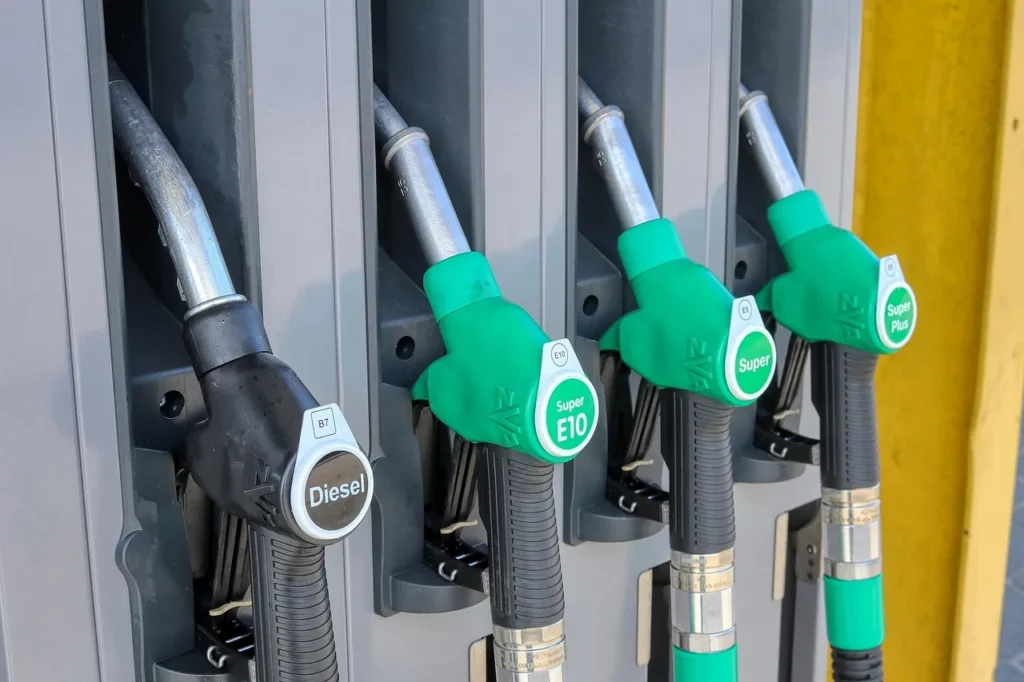
The Government also set maximum retail fuel prices for the following two weeks. The price of standard petrol was increased by eight cents to €1.62 per litre, while diesel rose by 16 cents to €1.75 and blue diesel by 19 cents to €1.21.
Ćorić said he understood that higher energy costs could lead to increases in the prices of goods and services. However, he questioned whether broad price increases could be justified by a fuel price shock lasting only one or two weeks.
He added that oil and petroleum product prices were already falling on international markets and said he expected lower regulated fuel prices in Croatia after the next two-week period, provided geopolitical tensions eased.
The Government is not currently considering a variable VAT rate on fuel. Ćorić said there was no further room to reduce Croatia’s national excise duty on diesel, while several cents remained available for petrol.
From August, Croatia is also expected to gain temporary permission to reduce the European component of fuel excise duties for six months. This could provide room for a reduction of around 20 cents per fuel product, although the Government says it would use that option only if necessary.