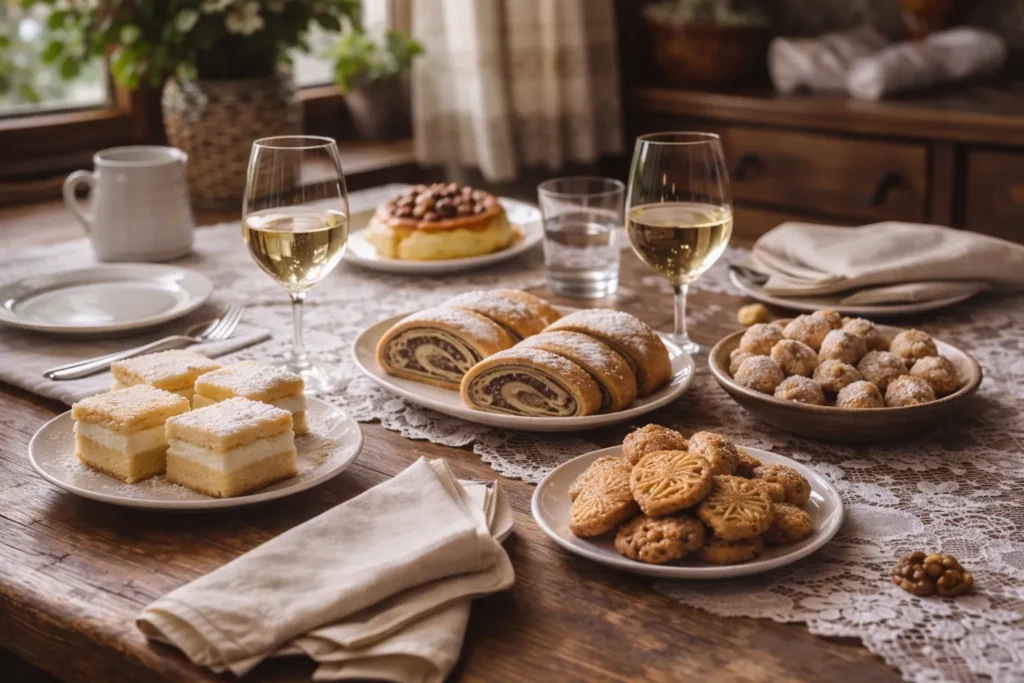
To most visitors, Croatian sweets seem simple at first: fritule on a plate, a slice of rožata after dinner or tray of holiday cookies at a market. Tasty and familiar. But these desserts carry far more than what you see. Each one comes from a tradition or a local ritual that shaped it long before it ever appeared on a menu. Without that context, travelers often taste only half the story.
Traditional Croatian sweets are rarely elaborate. They are handmade, a little rustic and often guided by instinct rather than measurements. Many appear only at certain times of year and exist because someone’s grandmother insisted the recipe stay exactly as it always was. This guide brings those stories forward.
Why traditional Croatian sweets look simple but mean more
Visitors often expect desserts to be decorative or elaborate. Croatian sweets are the opposite. They come from a time when ingredients were modest, kitchens were small and food was made to last through seasons, feasts or long days of work in the fields.
Sweets were never meant to impress visually. They were meant to gather people at the table and make them happy, especially the youngest members of the family. Understanding this makes every bite feel different. You’re not tasting a dish, but a moment in Croatian life and culture.
Fritule: the little fried sweets that carry big memories
Fritule are often the first Croatian sweet visitors encounter. Small, warm, citrus-scented fried dough balls appear everywhere along the coast. But fritule are more than a snack. They are a social ritual.
They appear in homes when guests arrive, during Christmas Eve, at festas on the riva and whenever there is little time but big company. Every family has its own version. Some add rakija, some prošek, some yogurt. Some shape them with spoons, others with hands. No one measures anything precisely. And most of them disappear long before they ever make it to the table. Fritule taste like childhood and togetherness, which is why locals are so attached to them.
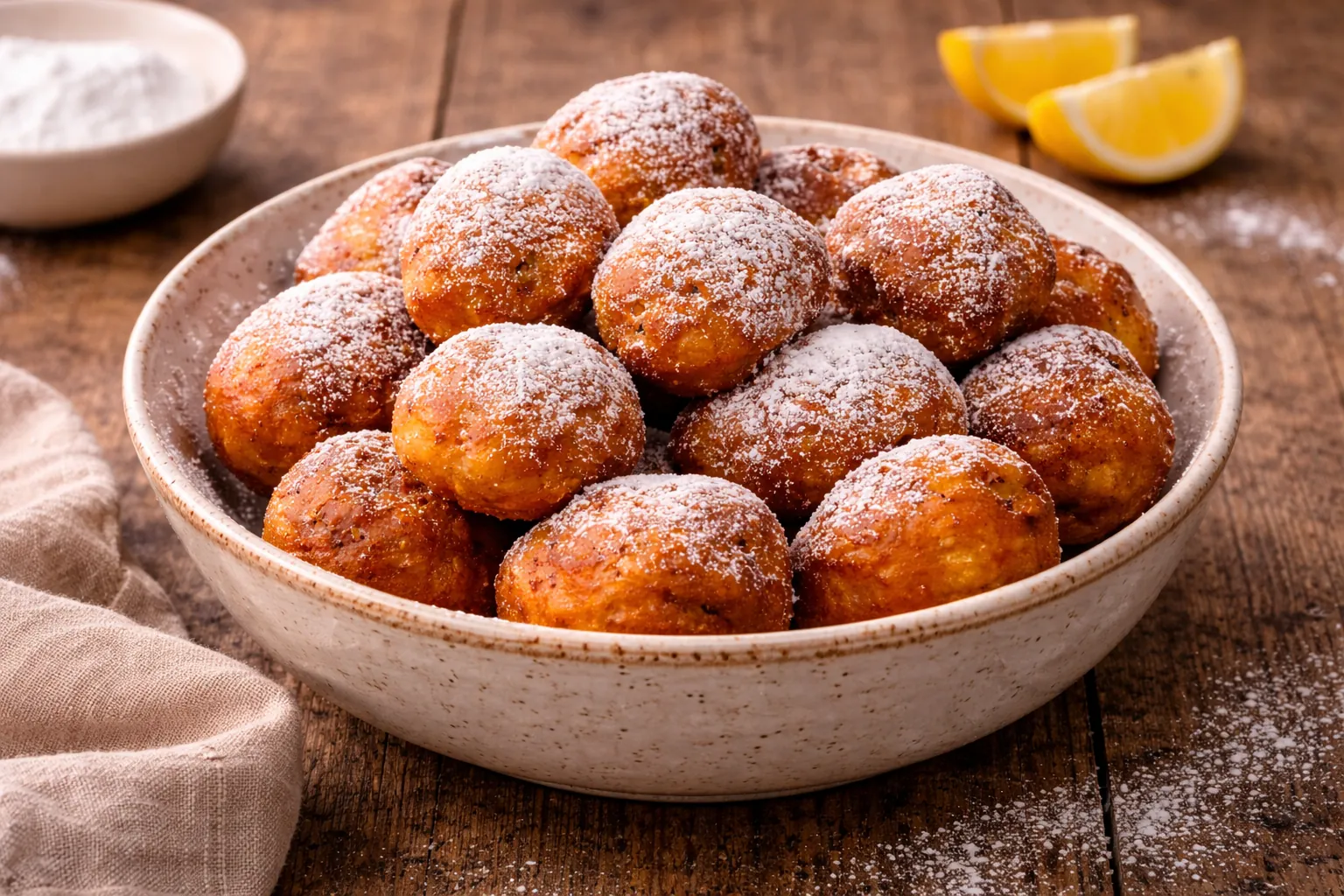
Where to try: Look for small family-run bakeries or konobas in Dalmatia that fry them fresh in the morning or during local festas. In Split and Šibenik, many cafés prepare fritule daily in summer, but the best ones are usually sold at small street stands run by locals.
Rožata: Dubrovnik’s elegant, old-world dessert
Rožata may resemble crème caramel, but its distinctive flavour comes from rozulin, a homemade rose liqueur used for centuries in Dubrovnik households. It reflects the city’s old merchant culture, perfumed gardens and love for subtle flavours.
Families take pride in their rožata. Everyone claims theirs is “the one made the way it used to be”. It is served at weddings, baptisms and family gatherings, often with citrus peel or a hint of prošek. To taste a real, homemade rožata is to taste Dubrovnik’s past.
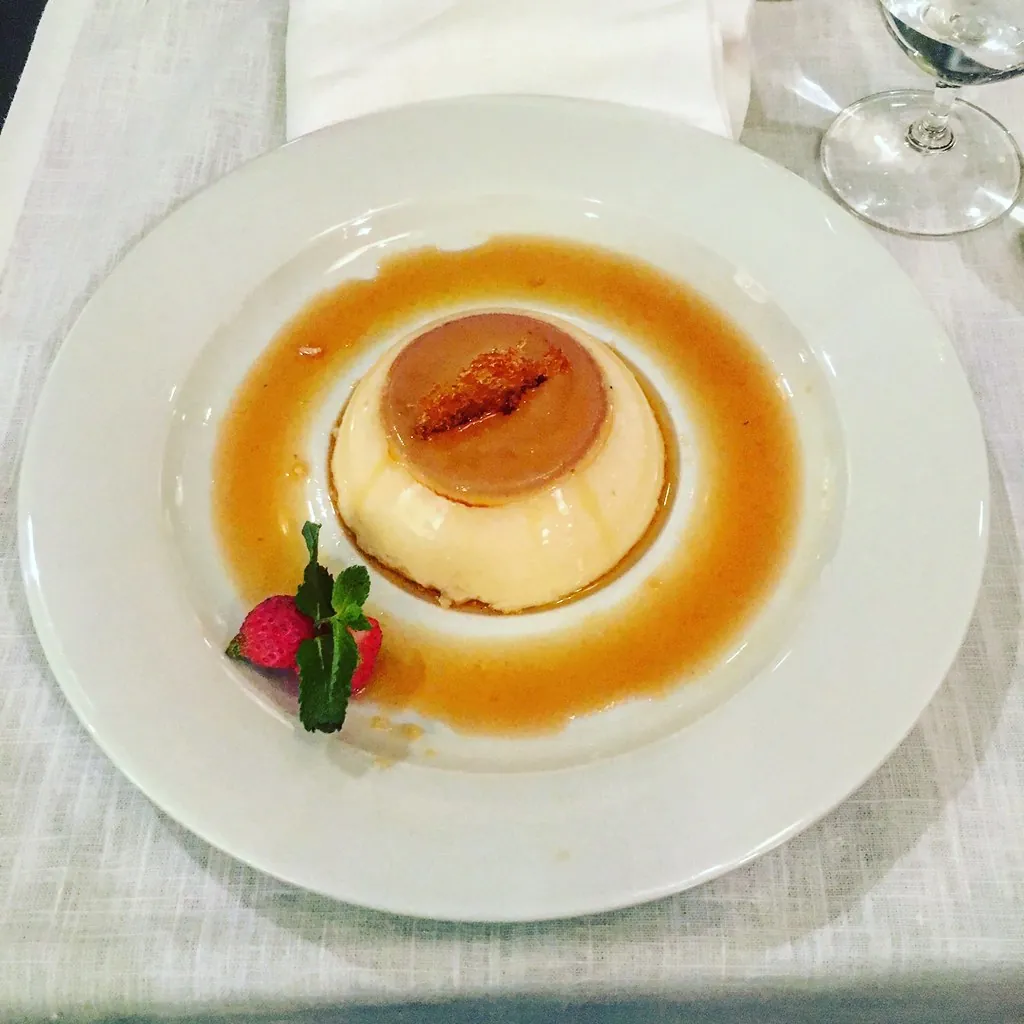
Where to try: Seek out traditional konobas outside the city walls or family-run restaurants on Lopud and Šipan. Rožata made in small batches is far superior to any mass-produced version served in busy tourist areas.
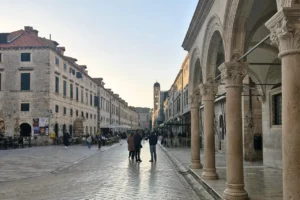
Rožata is just one small part of Dubrovnik’s layered past, the same history you encounter while walking its streets and quieter corners, explored in Dubrovnik’s Five Must-See Attractions (and 5 Popular Spots to Skip).
Kroštule: the crispy celebration ribbons
Kroštule are thin, twisted ribbons of dough fried until crisp and dusted with powdered sugar. Festive and light, they appear at weddings, Easter gatherings and during carnival season. Their charm is simple: crispy, sweet and impossible to eat just one.
But their meaning is in the making. In many households, especially those with children, preparing kroštule is still an event. Everyone gathers around the person frying them, waiting for the first batch to land on the plate. Technically they are meant to be eaten cold, but in homes with kids they never survive long enough to cool.
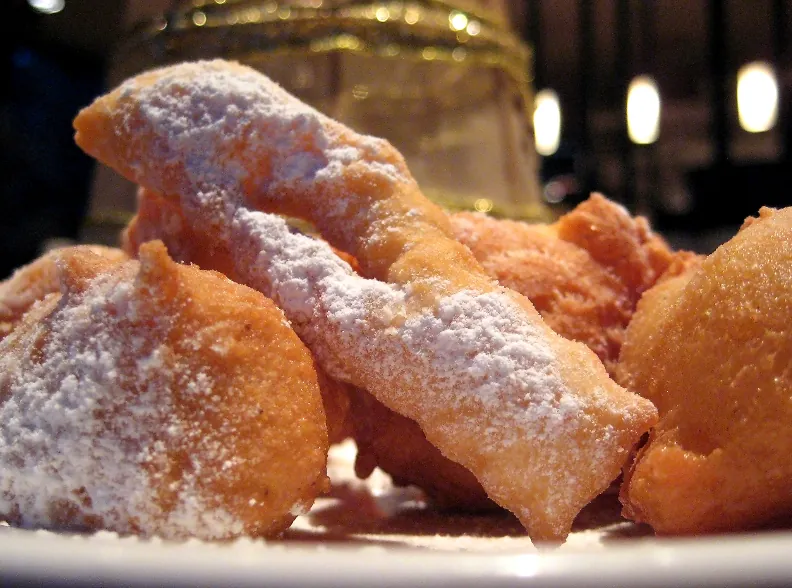
Where to try: The best kroštule are homemade. But you can often find excellent versions in Dalmatian pastry shops, especially in Zadar, Split and smaller coastal towns during holidays.
Paprenjaci: cookies with pepper, honey and history
Paprenjaci date back to Renaissance Croatia. You can taste the history in every bite: honey, nuts, spices and black pepper, which arrived through old maritime trade routes.
Their symbolism is in the ingredients: honey for health, nuts for strength, spices for curiosity and adventure, pepper for protection and prosperity.
They’re most common around Christmas, but inland regions make them all year.
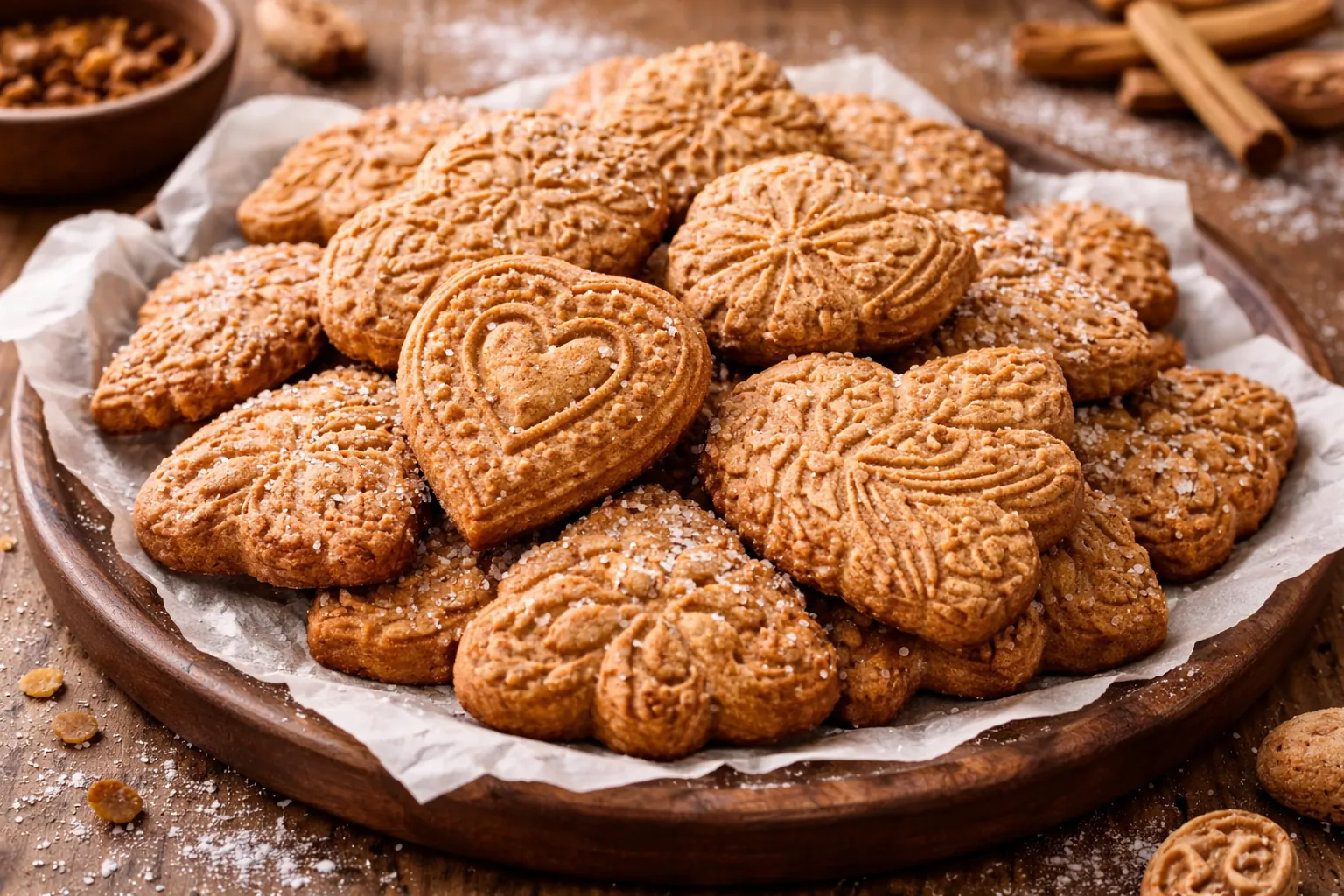
Where to try: Look for small artisan producers or family bakeries in Zagreb, Samobor or Varaždin. Many farmers’ markets sell excellent handmade versions.
Makovnjača and orehnjača: the holiday rolls that feel like home
These soft, rolled cakes filled with walnuts or poppy seeds appear at Christmas, Easter and almost every family celebration. They symbolise abundance, comfort and togetherness.
Cutting into them reveals a swirl that represents continuity, a reminder that recipes and traditions move from one generation to the next. Makovnjača and orehnjača are must-haves on every festive table.
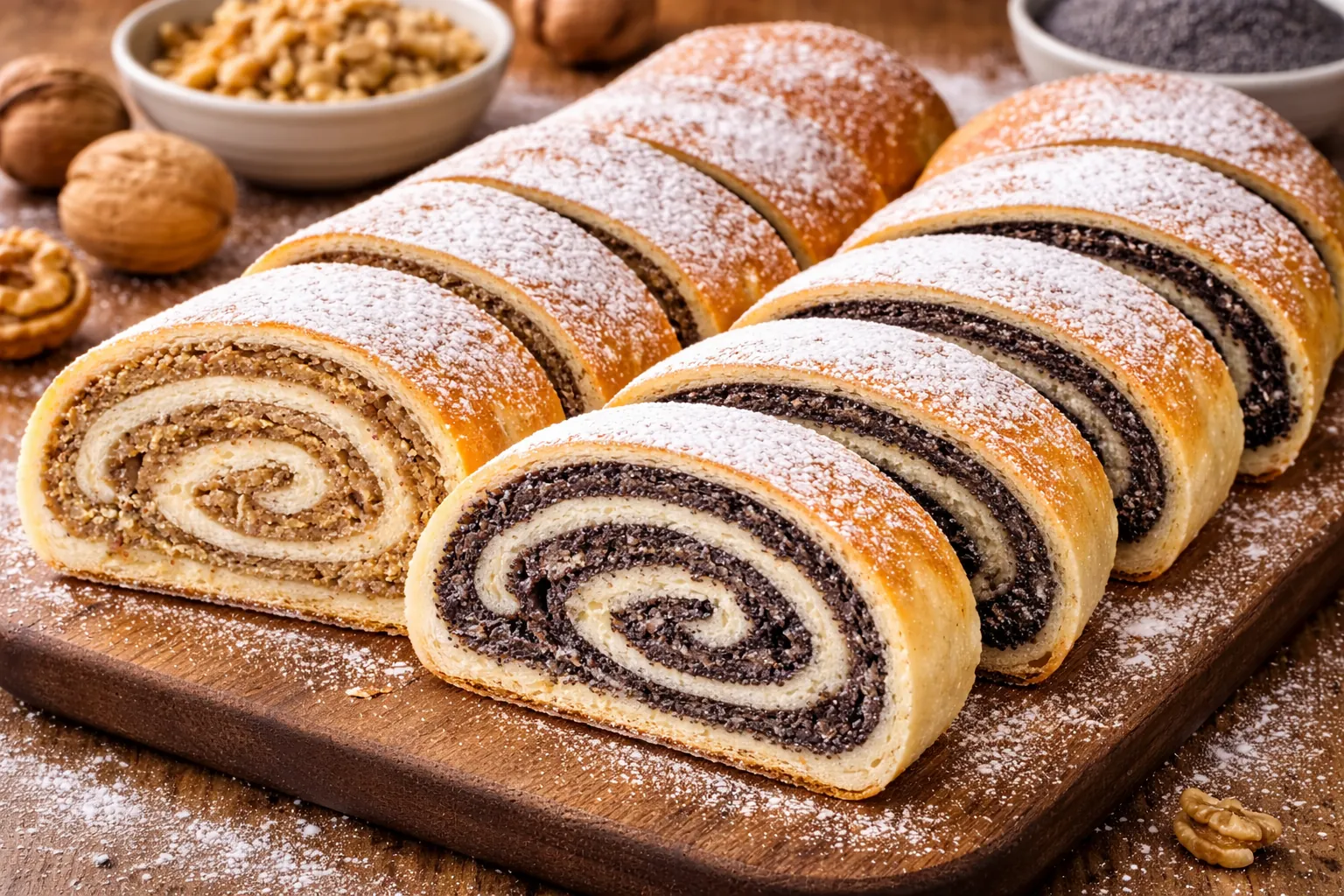
Where to try: Family-run bakeries in Zagreb, Slavonia and Zagorje make some of the best versions. During holidays, nearly every pekarnica in the country offers them fresh.
Arancini, limuncini and suhe smokve: sweets made by the sun
Arancini and limuncini (candied orange and lemon peels) and dried figs are coastal essentials. They come from the ancient practice of using the sun to preserve fruit.
Arancini appear in small bowls after meals, often served with prošek or rakija. Dried figs are tied into strings, sometimes with almonds or bay leaves. Together, they tell a story of a time before refrigerators, when sweetness relied on patience and sunlight.
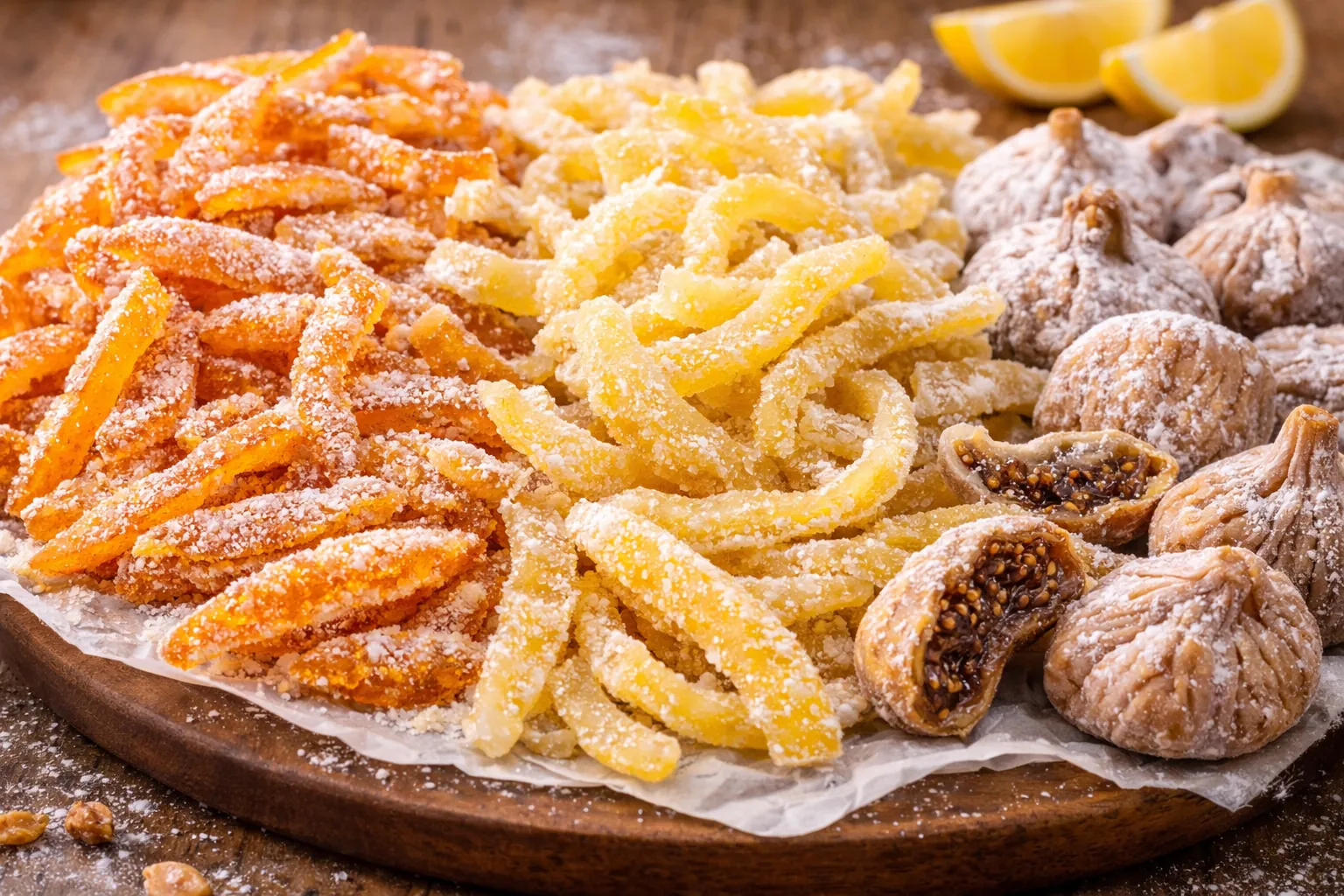
Where to try: Visit island markets on Hvar, Brač, Korčula or Vis. Many families sell their own arancini and figs, often made from fruit grown steps from their home.
Austro-Hungarian cakes and northern influences
Northern Croatia has an entirely different dessert identity, shaped by Vienna, Budapest and old imperial traditions. Here you’ll find kremšnite, mađarice, breskvice and layered cakes with rich fillings.
Coastal sweets lean on citrus, olive oil and almonds, while inland sweets rely on butter, chocolate, walnuts and precise pastry skills. This variety shows the richness of Croatian food culture: one country, many dessert traditions.
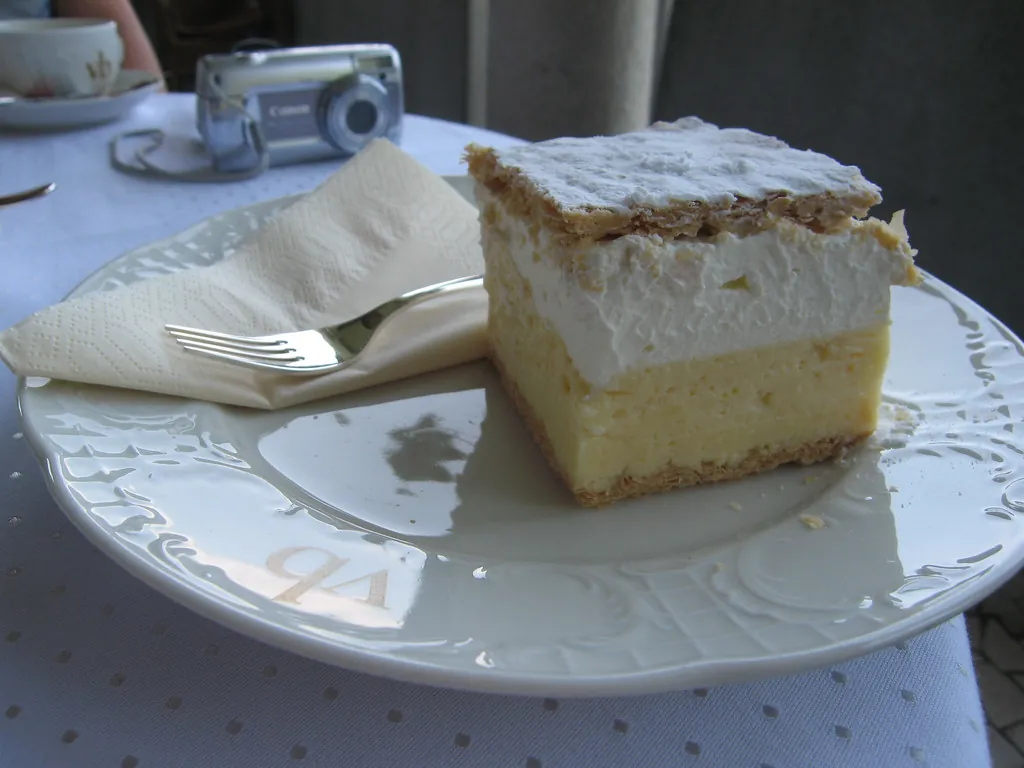
Where to try: Zagreb’s pastry shops and Samobor’s slastičarnice are the best places for Austro-Hungarian style cakes. Kremšnita in Samobor is a classic.
Why travelers should pay attention to sweets
Traditional Croatian sweets aren’t just something you order after dinner. They reveal how people celebrate, how families pass down memories and how each region expresses its own identity. They show how food ties communities together and how geography shapes the ingredients that end up in every recipe.
When you taste these desserts with their stories in mind, you experience Croatia more deeply. You taste a way of life, not just a flavour.