Croatia still gets talked about as a budget destination. The kind of place where you can arrive without a plan, follow the coast, eat well and somehow not spend much. That idea isn’t completely false, but it hasn’t been fully true for a while either. Prices have shifted, especially along the coast and the gap between expectation and reality can be uncomfortable if you arrive unprepared, particularly for travellers who still picture Croatia as a low-cost Mediterranean destination.
Some things are genuinely still affordable, others not so much and the difference often has less to do with how much you spend than with when you’re here and where you choose to be.
This piece looks at what “travelling Croatia on a budget” really means today and why timing and location matter more than any clever saving.
Can Croatia still be done on a budget?
Travelling Croatia on a budget is still possible, but it no longer happens simply by arriving in summer and moving along the coast. July and August are now firmly premium months. In many coastal towns, prices during peak season are 30–60% higher than in late spring or early autumn, even when the quality stays the same.
What makes the difference today isn’t extreme frugality, but understanding how seasonality works. Travellers who choose the right timing and base often spend less overall while seeing more, simply because everyday costs stay under control.
In Croatia, budget travel isn’t about doing less. It’s about doing things in the right order.
The biggest money saver is choosing the right place, not cutting corners
Along the coast, prices change more by postcode than by quality. Two towns 15 minutes apart can have very different daily costs.
For example, a simple lunch in a central old town location can easily reach 18–25 € while the same meal a few streets inland or in a neighbouring town is often 10–14 €.
Staying just outside saturated hotspots reduces costs across the board: accommodation, food, drinks and even beach access. This is where many travellers save money without feeling like they’re budgeting at all.
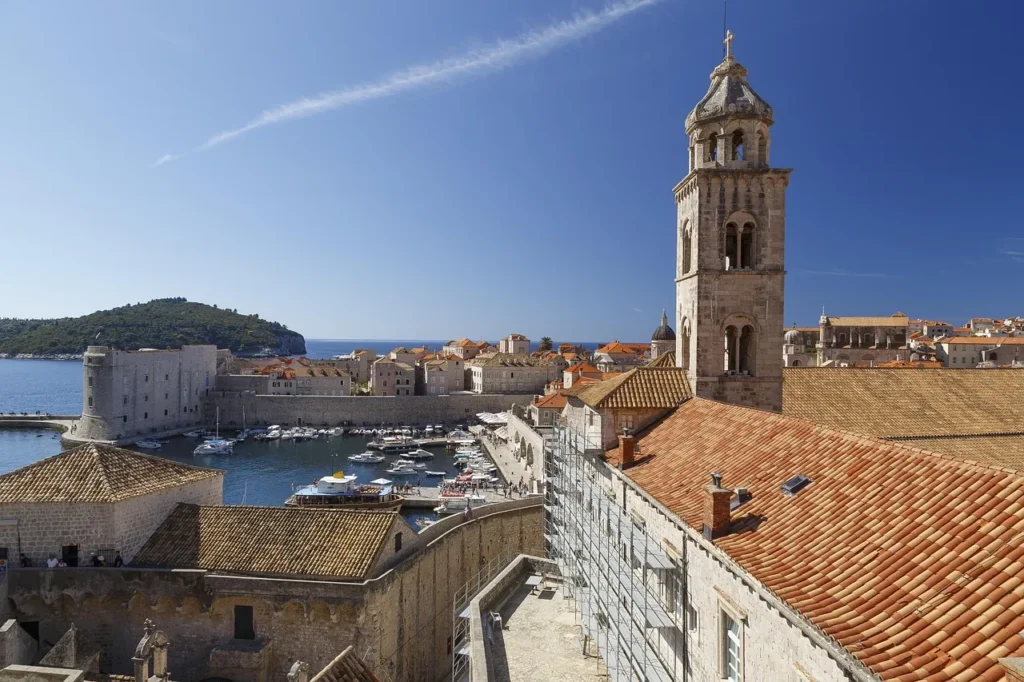
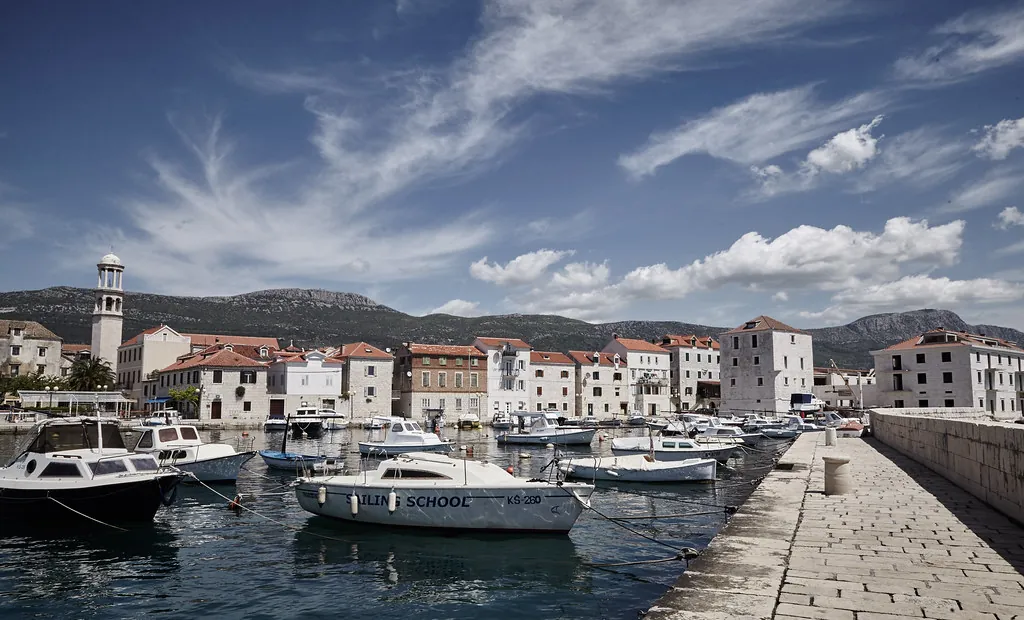
Areas like Kaštela instead of central Split, Lapad or Gruž instead of Dubrovnik Old Town or smaller island villages rather than main ports allow you to experience the same coastline with noticeably lower daily spending.
Timing matters, but you don’t need to travel in winter to save
Saving money in Croatia doesn’t require visiting in January or avoiding the coast altogether. Late May, early June and most of September still offer swimming weather, open restaurants and ferry connections, but with lower accommodation rates and less pressure on services. In these periods, nightly prices often drop by 20–40%, while restaurants return to local pricing rather than peak tourist menus.
Even within the same month, timing matters. Midweek arrivals are often cheaper than weekends, stays of five to seven nights reduce nightly rates and avoiding major festivals and national holidays keeps prices predictable.
Outside the coast, especially in continental Croatia, everyday costs are lower year-round. Meals, accommodation and transport remain affordable even in summer, making inland regions a strong option for travellers who don’t need the sea every day.
Accommodation is where smart planning makes the biggest difference
Accommodation absorbs the largest part of most travel budgets. In peak summer, Split Old Town, Hvar Town or Dubrovnik Old Town regularly exceed 180–300 € per night for average apartments but staying 10–20 minutes away often drops prices to 80–140 € for comparable quality.
Areas like Stobreč, Solin or Kaštela near Split, Lapad and Gruž in Dubrovnik or villages such as Vrboska instead of Hvar Town offer better value while keeping access to transport and beaches.
Longer stays matter. Weekly bookings frequently reduce nightly rates, especially outside peak Saturdays. Apartments consistently offer better value than hotels, particularly when travelling for more than three nights.
In Croatia, accommodation rewards travellers who slow down and choose bases designed for everyday life, not short summer turnovers.
Eating well without paying tourist prices is still very possible
Food is one of the easiest places to overspend, but also one of the simplest to manage. In coastal tourist centres main dishes in prominent locations often cost 22–30 € while the same type of food elsewhere is commonly 12–18 €
Restaurants on main promenades and old town squares price for location first. Walking just a few streets inland often changes both the menu and the bill.
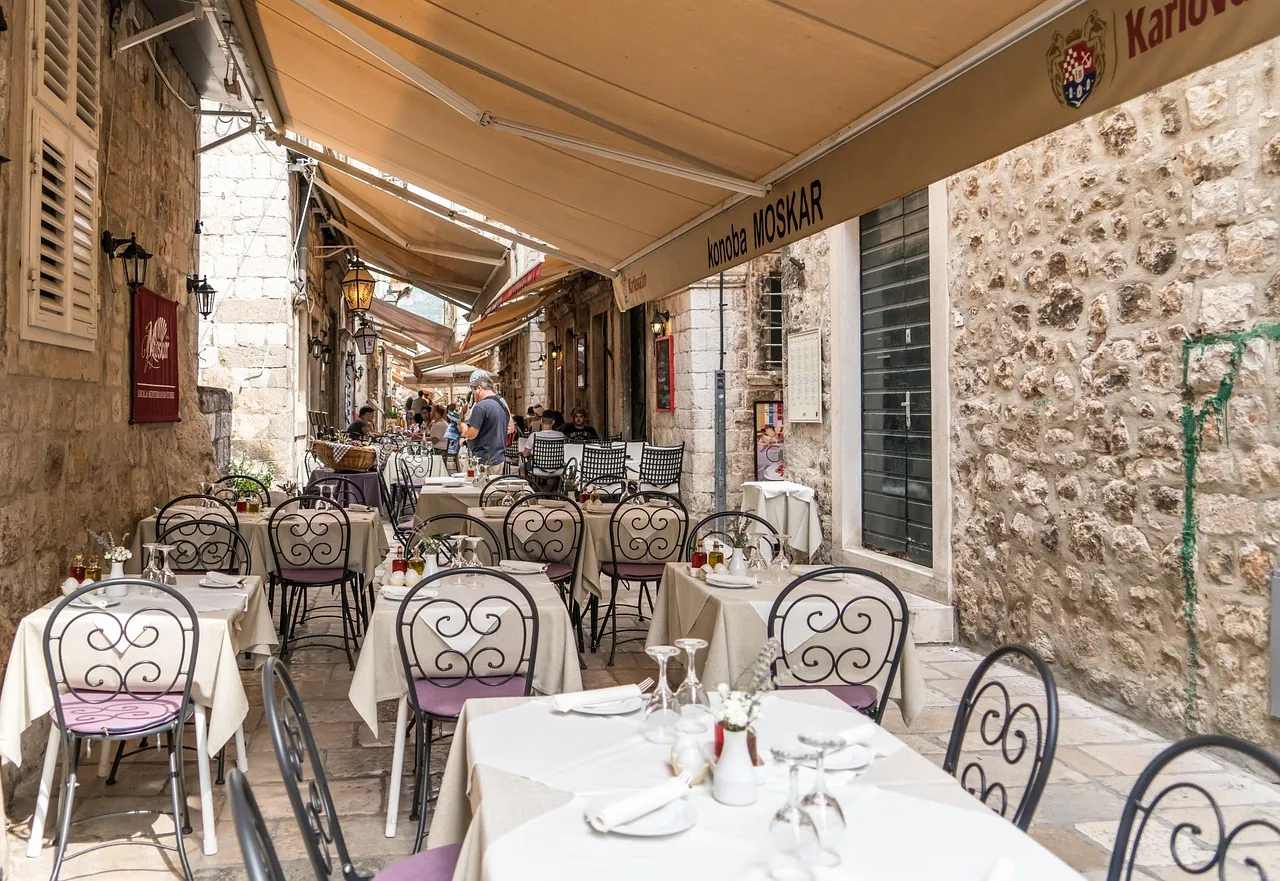
Neighbourhood konobas, bakeries, grill spots and small pizzerias used by locals during the workweek offer better value. In Split, areas like Manuš, Lokve and Plokite are consistently cheaper than the Riva. In Dubrovnik, Lapad and Gruž are far more affordable than Old Town. On islands, village restaurants away from ferry ports usually offer better pricing and calmer service.
A simple strategy that works: bakery or market for breakfast (3–6 €), daily menu or lunch special (10–15 €) and one solid restaurant dinner when it makes sense. This keeps food costs reasonable without feeling restricted.
Transport costs drop fast when you stop treating the coast like a checklist
Transport becomes expensive when movement is constant. Ferries, buses and transfers add up quickly when hopping between Split, Hvar, Dubrovnik and multiple islands. A few short ferry rides can quietly rival accommodation costs.
Staying longer in one area immediately lowers the budget. Choosing one island instead of three or using a mainland base with good ferry connections, reduces both ticket costs and planning stress.
In Croatia, transport becomes affordable when movement is intentional, not driven by fear of missing out.
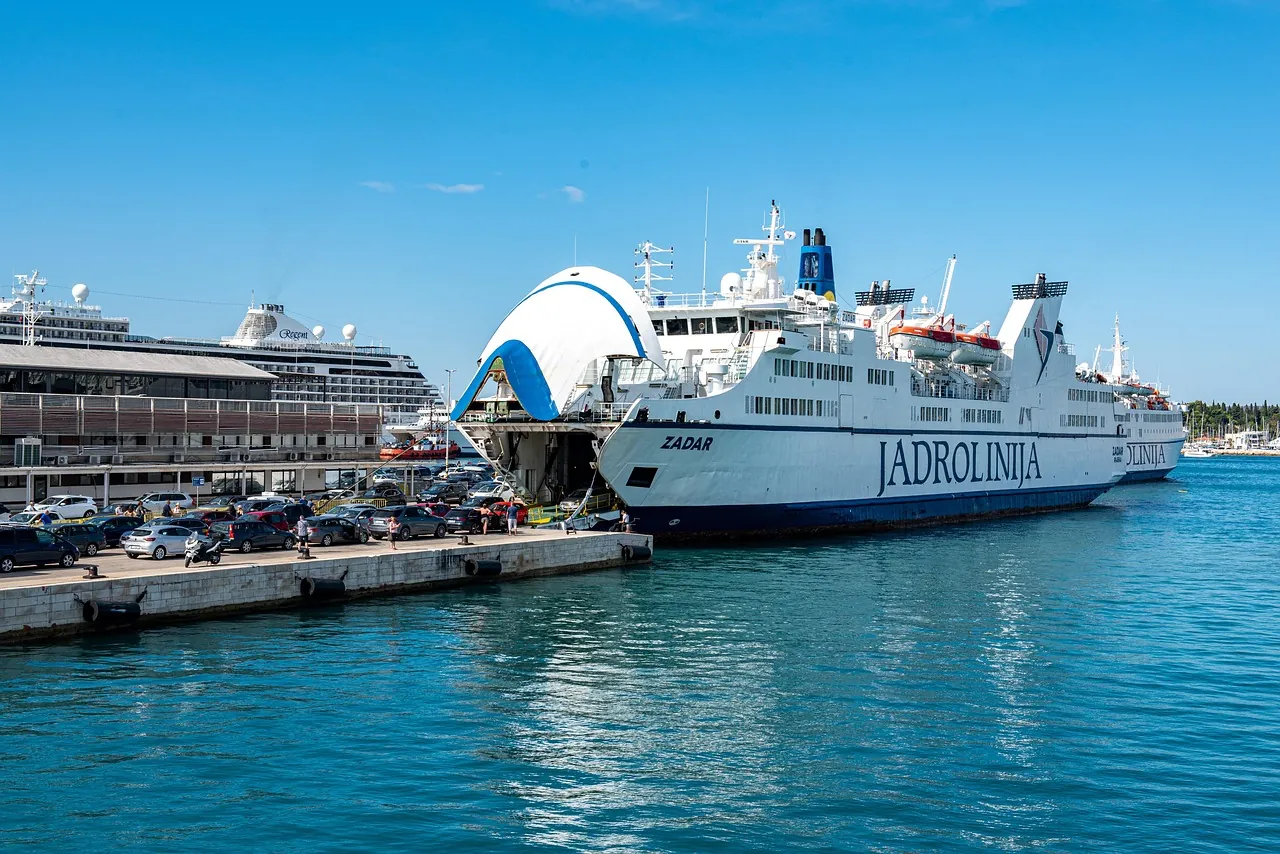
Local tip: how transport savings actually work
Island travel is significantly cheaper when using large public ferry operators like Jadrolinija. Public ferries cost a fraction of private speedboats and run reliably even in busy periods.
On land, motorway buses are usually faster and cheaper than local routes stopping in every village. They’re also far better value than private transfers.
From airports in cities like Split and Dubrovnik, official shuttle buses typically cost 6–10 €, compared to taxi rides that often exceed 40–60 € in peak season. If a car ride is needed, Uber is generally more predictable than traditional taxis, which remain among the most expensive transport options in Croatia.
A smarter way to think about travelling Croatia on a budget
Travelling Croatia on a budget is no longer about shortcuts. It’s about understanding how prices shift by place and season and making choices that work with that reality.
With the right timing, a well-chosen base and a slower approach to moving around, it’s still possible to experience the coast fully without constant financial friction. The savings come not from doing less, but from letting the country set the rhythm instead of trying to outpace it.
Budget hacks for travelling Croatia smarter
Use large public ferry operators like Jadrolinija whenever possible. They’re slower than private speedboats, but dramatically cheaper and reliable, especially on popular island routes.
Avoid island hopping just because distances look short on the map. Staying on one island or using a mainland base almost always costs less than moving every two or three nights.
When travelling by bus, choose routes that use the motorway. They’re usually faster, cheaper and more comfortable than buses stopping in every village. And far better value than private transfers.
From airports in cities like Split and Dubrovnik, take the official shuttle bus into town. It’s simple, frequent and often ten times cheaper than taxis or ride-hailing during peak season.
If you do need a car ride, Uber is generally more predictable than traditional taxis, which are among the most expensive transport options in Croatia.
Book accommodation for slightly longer stays. Weekly rates are often noticeably lower than short stays, especially outside peak Saturdays.
Eat your main meal earlier in the day. Bakeries, markets and daily menus offer good food at local prices, while dinner can be kept simple or occasional.
Stay just outside historic centres. Being a 15-minute walk away usually cuts accommodation and food costs without changing how much you actually see or do.