Wildfires in Croatia regularly make headlines during the summer season. If you’re planning to visit the Adriatic coast, it’s natural to wonder how common they are, whether they affect holidays and what to do if a wildfire breaks out nearby.
For the latest information on active fires and recent incidents in Croatia, see our regularly updated report.
How common are wildfires in Croatia and why do they occur?
Croatia recorded 7,340 open-space fires in 2025, up from 6,672 in 2024. The number and severity of these incidents vary considerably from year to year, depending largely on rainfall, temperatures and wind conditions.
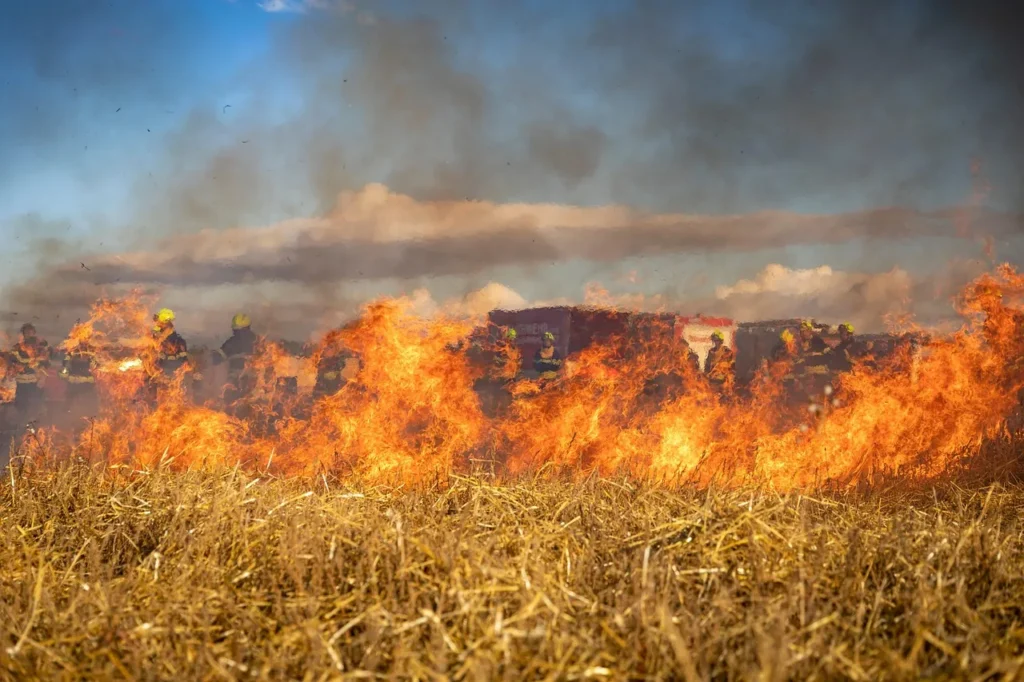
During summer, vegetation along the coast often becomes completely dry after weeks without rain. High temperatures and strong winds allow fires to spread very quickly, especially through the pine forests and Mediterranean scrub typical of the Croatian coast.
However, the most common cause of wildfires is human activity, whether through carelessness, discarded cigarette butts, open flames or other activities.
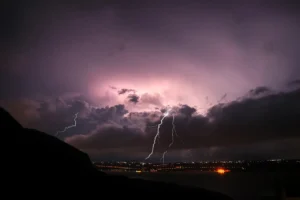
Wildfires can occasionally also be caused by natural factors. Heatwaves are often followed by powerful thunderstorms, during which lightning strikes can ignite dry vegetation, as has happened during some summer storms along the Adriatic.
When is the risk of wildfires highest?
Croatia’s wildfire season generally lasts from the beginning of June until the end of September, with the highest risk occurring during July and August, when temperatures are at their highest and rainfall is rare.
During heatwaves, Croatian authorities often issue warnings of a very high or extreme wildfire risk, particularly along the coast and on the islands.
How does Croatia respond to wildfires?
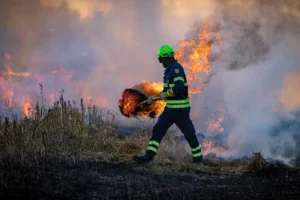
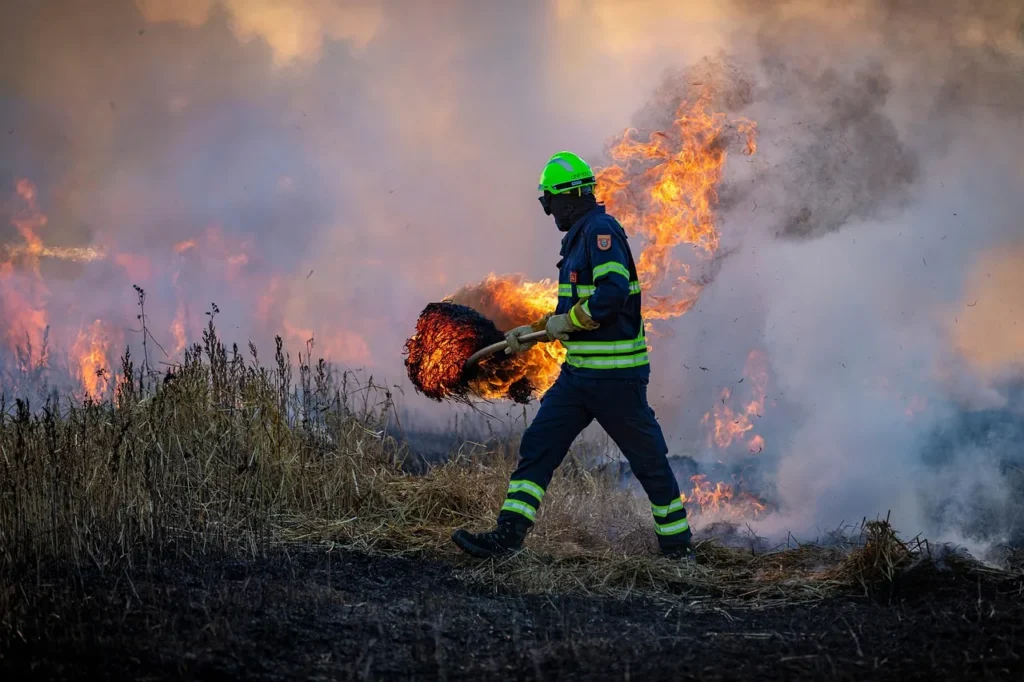
Croatia maintains an extensive wildfire response system, with professional and volunteer firefighters supported by specialised ground and aerial firefighting units.
The Croatian fire service includes more than 151,000 members of firefighting organisations and operates over 5,200 firefighting vehicles, 10 boats and 46 drones.
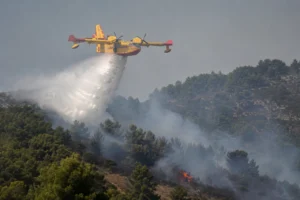
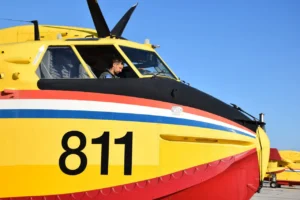
Aerial firefighting is another key part of Croatia’s wildfire response. Depending on operational availability, firefighting forces can deploy up to six Canadair CL-415 water bombers, up to six Air Tractor AT-802A/F aircraft, a Mi-171-Sh helicopter, a Pilatus PC-9M reconnaissance aircraft and the Orbiter 3 unmanned aerial system for aerial surveillance.
This combination of ground crews and aerial support allows firefighters to respond quickly, and many wildfires are contained before they reach populated or tourist areas. Large fires can, however, occasionally require road closures or evacuations.
Which parts of Croatia are most affected by wildfires?
Wildfires in Croatia are most common along the Adriatic coast, particularly in Dalmatia, on the islands and in the coastal hinterland, where pine forests, low-growing scrub and dry vegetation are widespread.
This does not mean that a wildfire will affect tourist destinations. Most fires break out outside populated areas, and firefighting services remain on duty 24 hours a day during summer precisely to ensure a rapid response.
Should tourists be concerned?
In most cases, no. Although wildfires in Croatia can look dramatic in photographs and television footage, the vast majority of tourists will never be directly affected by one during their stay.
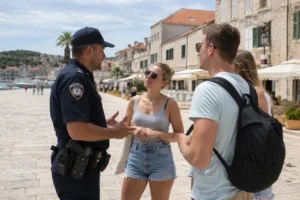
If a wildfire does break out near the place where you are staying, it is important to follow the instructions of local authorities, the police and firefighters. Any temporary road closures or evacuations are carried out to protect residents and visitors.
What should you do if you notice a wildfire?
If you notice a wildfire in a natural area, do not approach it to take photographs or videos.
Move to a safe location immediately and call 112, the single European emergency number, if the fire has not already been reported.
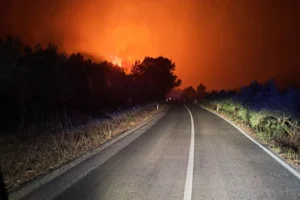
If you are travelling by car, do not stop on the road to watch the fire, and always allow firefighters, police and emergency vehicles to pass.
Can wildfires in Croatia affect travel?
Sometimes they can. If a wildfire approaches a road, some roads may be temporarily closed while firefighting operations are underway. In rare cases, there may also be minor changes to bus services or other forms of transport, depending on how the situation develops.
Such measures are generally temporary and are introduced for safety reasons.
How can visitors help prevent wildfires in Croatia?
The most important thing is to follow local rules and warnings.
Never discard cigarette butts in nature or throw them from a car window. Do not light fires outside designated areas or use barbecues in places where they are prohibited.
Avoid parking your car on dry grass, as hot vehicle components can ignite dry vegetation.
If you notice smoke or fire during your stay, do not assume that someone else has already alerted the emergency services. Calling 112 may help firefighters arrive as quickly as possible.
This Croatian Firefighting Association video explains how visitors can help prevent vegetation fires and what to do if one breaks out nearby.
Wildfires in Croatia rarely affect most trips
Summer wildfires are not unusual in Mediterranean countries, including Croatia. Although they can occasionally cause local disruption, most tourist destinations continue to operate normally throughout the summer.
Follow official warnings, respect the instructions of the relevant authorities and behave responsibly in nature. By doing so, you will help protect the Croatian coast and enjoy a safer holiday.