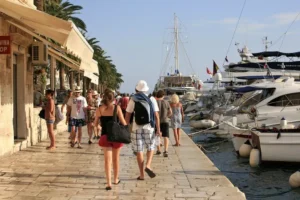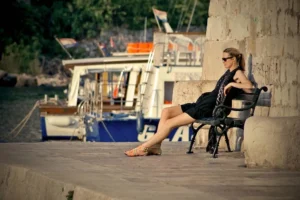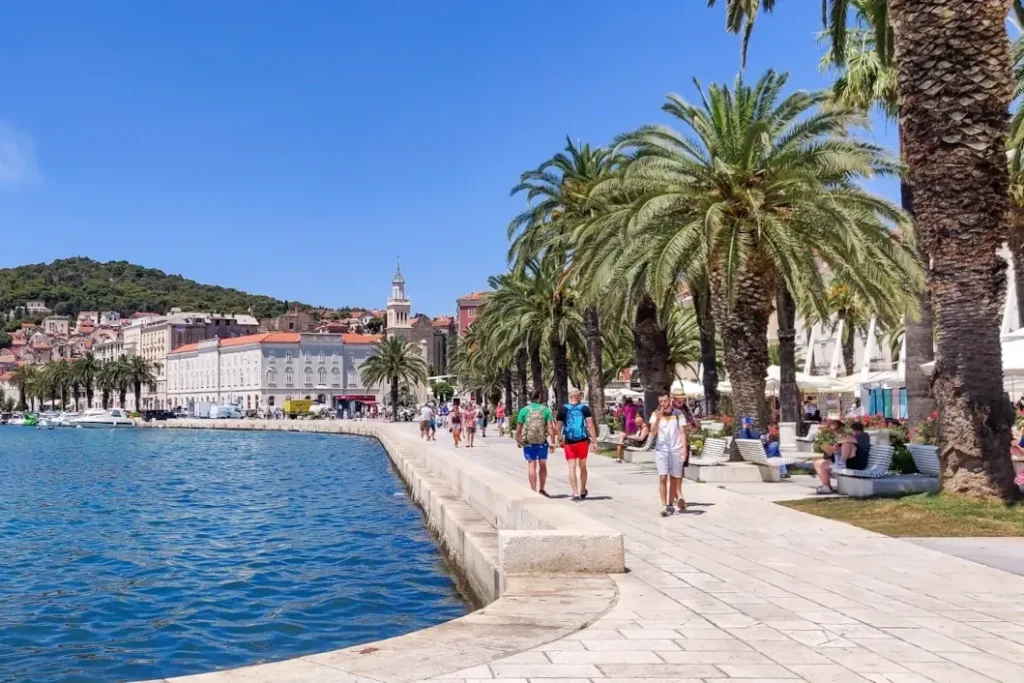
Visitors are drawn to Croatia for its coastline, long summer evenings and sense of freedom. But for the people who live here year-round, these places are not a backdrop for a holiday. They are home. Daily life continues whether it is July or January, whether visitors arrive or not.
Most travelers understand this instinctively and fit in without effort. Problems arise only when a small number of visitors forget that behind the scenery are real communities, routines and relationships. When that balance is respected, Croatia is warm, welcoming and generous. When it is not, things unravel quickly.
These are the things to know before visiting Croatia that locals genuinely wish visitors understood, not as rules, but as context.
For practical things like language, currency, tap water and everyday travel basics, read our guide Practical Local Travel Tips for Croatia.
Party tourism has limits
Croatians are not against fun, music or nightlife. Many towns thrive on social life and summer energy. What causes frustration is behavior that ignores where it takes place.
Shouting through residential streets at night, excessive drinking under bedroom windows or treating historic towns as open-air party zones affects people who need to wake up early, go to work and live normal lives. Families, older residents and workers feel this most.
Enjoying nightlife is part of summer, but knowing where it belongs and when it ends is what keeps the balance. Visitors who read the atmosphere and adjust accordingly are rarely an issue.
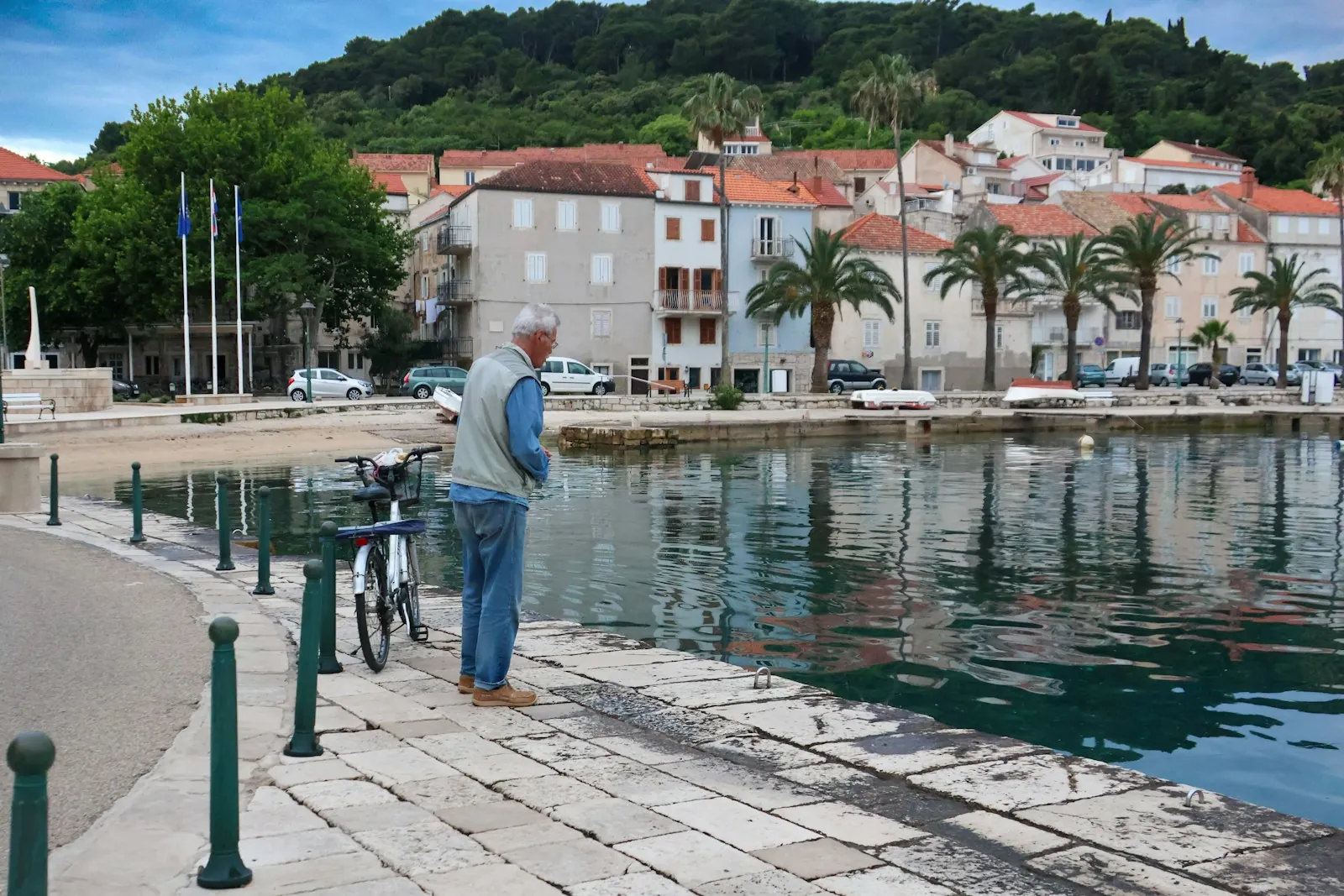
Public behavior in Croatia matters more than visitors expect
Croatian public spaces rely heavily on unspoken rules of respect. Being considerate in shared spaces is assumed rather than explained. Loud behavior late at night, leaving trash behind, walking shirtless through town centers or speaking rudely to service staff stands out immediately.
Locals tend to be direct. If someone behaves disrespectfully, they may be called out, not out of aggression, but out of a strong sense of fairness. At the same time, visitors who are polite, patient and friendly are often treated with exceptional warmth.
Respect works both ways, and when it is present, interactions feel easy and natural.
Personal boundaries are taken seriously
Croatia may feel relaxed and open, but that does not mean boundaries disappear. Local women, especially during peak season, often deal with unwanted attention from intoxicated visitors who mistake friendliness for invitation.
Calling after women, touching without consent or persistent drunken flirting is not part of local culture and is not tolerated. Ignoring such behavior is not arrogance, it is self-protection.
Visitors who treat people with basic respect and awareness will never run into problems here. Those who do not may quickly discover that Mediterranean warmth has clear limits.
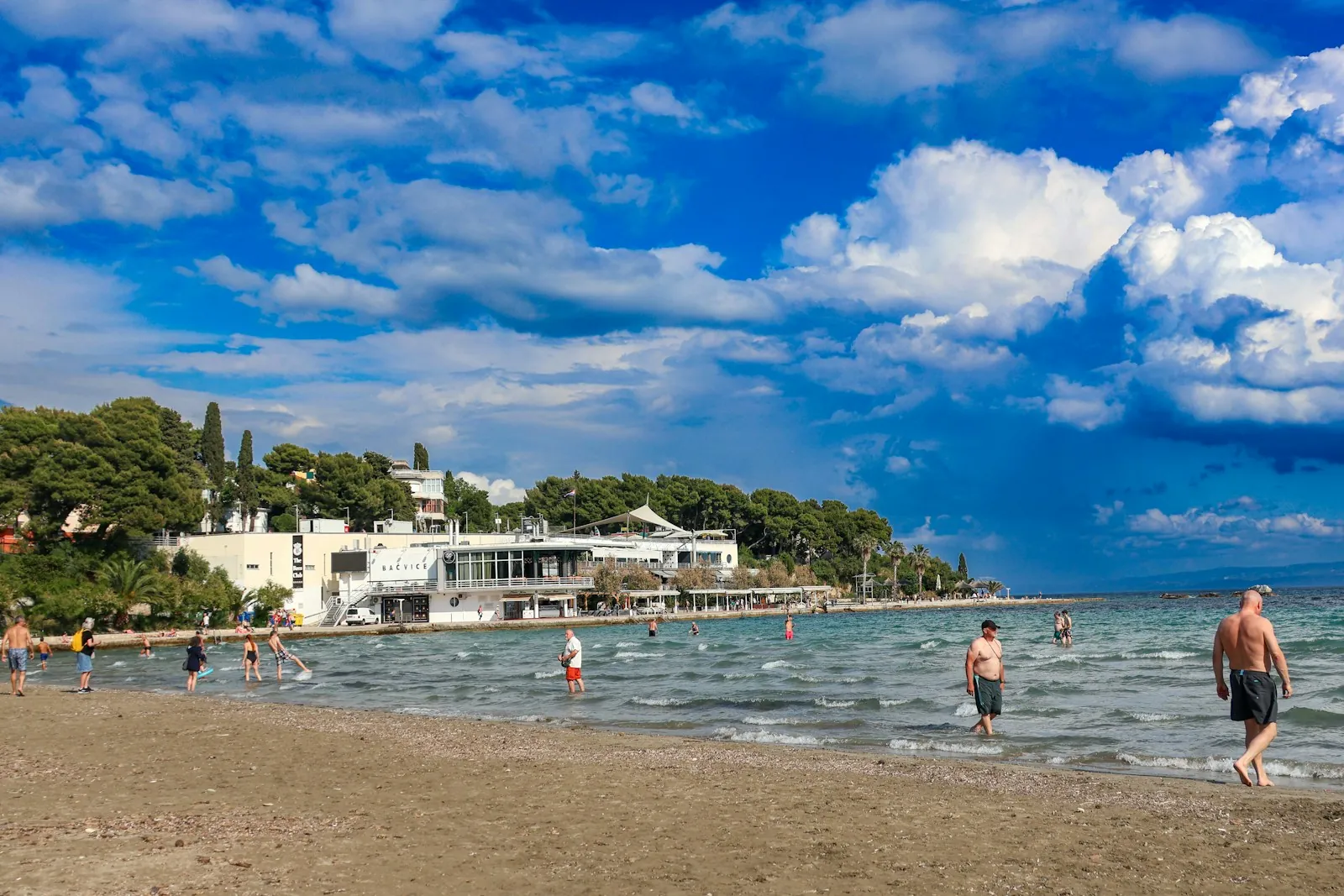
Beaches are shared spaces, not personal territory
All beaches in Croatia are public, which is something locals value deeply. Shared access also means shared responsibility.
Playing loud music, leaving trash behind or claiming large areas of shade for hours goes against local norms and, in some cases, local laws. Beach culture here is calm, social and collective. Everyone finds their place when people stay mindful of those around them.
Adapting to that rhythm is part of the experience, not a restriction.
Nature in Croatia is protected for a reason
Croatia’s landscapes are not just scenic, they are a source of identity and pride. National parks, rivers, forests and coastal areas are protected not only by regulations, but by everyday care.
Locals notice when visitors leave trash on trails, remove plants, disturb wildlife or ignore posted rules around water sources. Clean seas and preserved nature are not accidental, they are actively maintained.
Visitors who respect nature are genuinely appreciated. Those who do not stand out immediately.
Mountains require real preparation
Croatia has beautiful mountains and hiking trails, especially in regions like Velebit, Biokovo, Gorski kotar and the islands with steep coastal climbs. Many are easily accessible but conditions can change quickly. Unfortunately, some visitors underestimate the terrain and go hiking in sandals, without water or without checking the weather.
Mountain rescue teams regularly respond to avoidable emergencies. Proper shoes, plenty of water, checking the forecast and respecting trail difficulty are basic expectations. Nature here is beautiful but it’s not a playground without risks.
Summer and winter are worlds apart
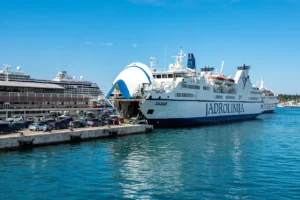
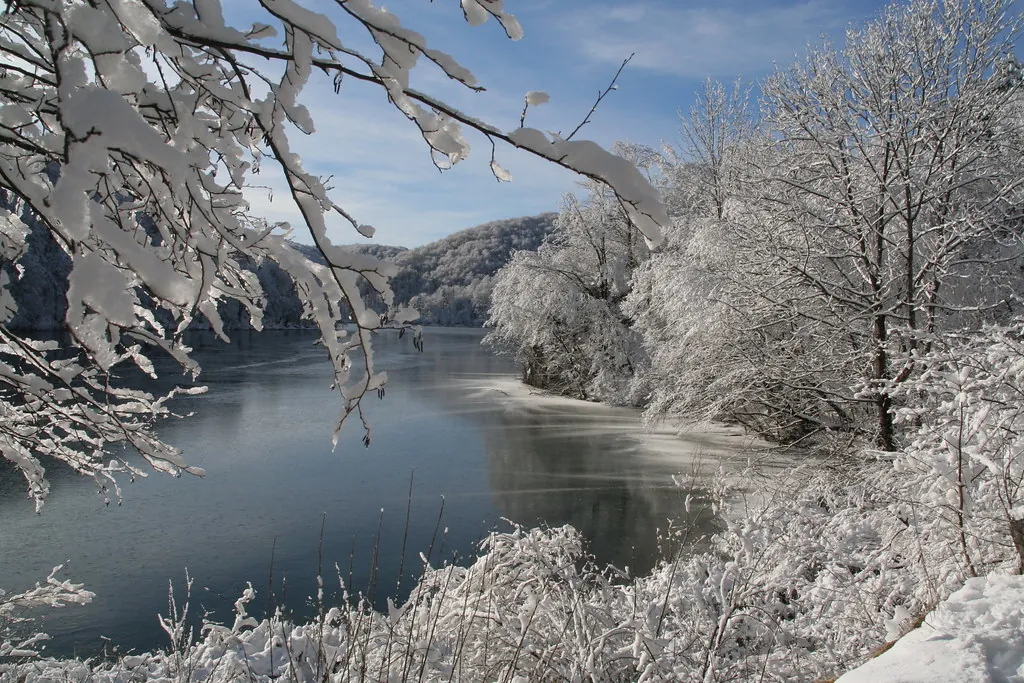
Visitors often see only the summer version of Croatia which is crowded, lively and energetic.Winter tells a different story. Coastal communities quiet down, many businesses close and ferry schedules reduce. Life turns inward.
Understanding this contrast helps visitors appreciate how intense the summer season is for locals and how much adjustment it requires. What feels like a holiday peak for visitors is often the most demanding part of the year for residents.
Respect leads to better experiences
Everyday life in Croatia runs on small acts of courtesy. Offering seats on public transport to those who need them, being patient on narrow roads, greeting people when entering shops or cafes, these gestures are quietly expected.
Service culture may feel slower or less transactional than some visitors are used to. Meals are not rushed. Bills are not brought unless requested. Space is given rather than filled. Hospitality, especially in family-run places, is sincere, personal and generous.
All of this reflects one simple idea: Croatia is built on strong community values. Visitors who approach it with awareness, kindness and curiosity almost always experience the country at its best. Croatians are excellent hosts when they feel respected, but no place opens itself to those who treat it carelessly.