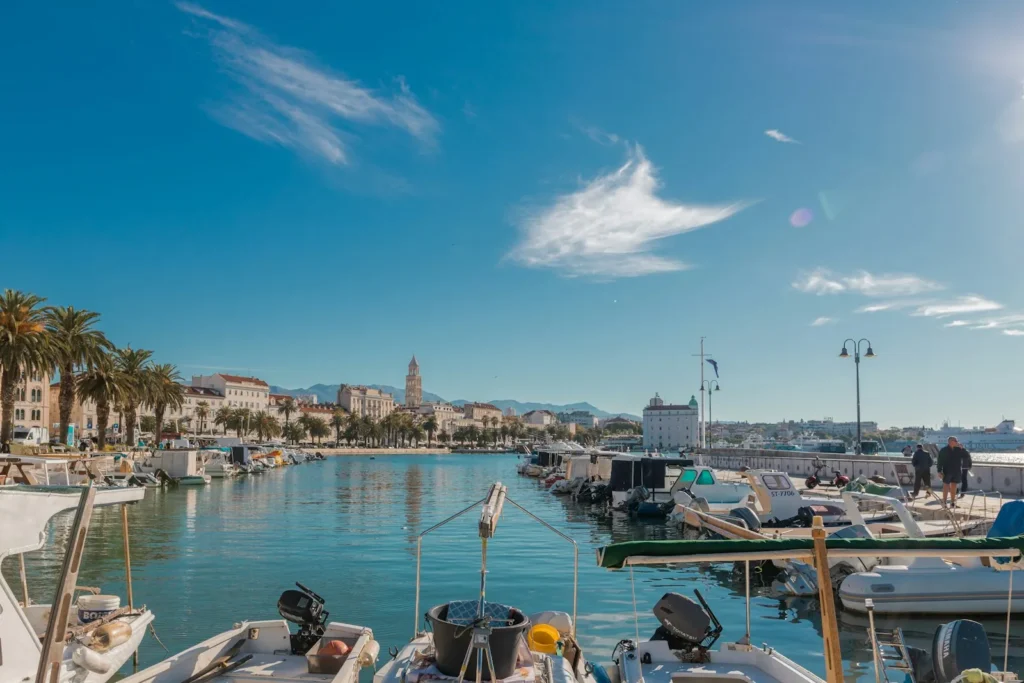
Three days in Split are not enough, let’s say that right from the start. How much time you need depends on how deeply you want to understand this historic Adriatic city and the people who live here.
Ask anyone from Split how long it takes to truly know the city and they’ll probably laugh and say “a lifetime.” Not out of arrogance, but because Split is layered: part living museum, part Mediterranean city, and part gateway to islands, mountains and ancient villages.
Too many guides are written by people who spent only a few rushed days on the coast, and Croatian towns end up presented like tidy tourist theme parks with a short list of highlights. The everyday life stays hidden. This three days in Split itinerary does the opposite. It moves beyond the checklist and shows you a version of the city that feels real.
Getting from Split Airport to Split city centre is one of the first practical decisions many travellers face after landing. If you are arriving by plane, see our guide How to Get from Split Airport to Split Centre: Bus, Taxi or Private Transfer.
This article contains affiliate links. We may earn a commission if you make a purchase, at no extra cost to you
JUMP TO A SECTION
Day 1 – Old Town and First Impressions
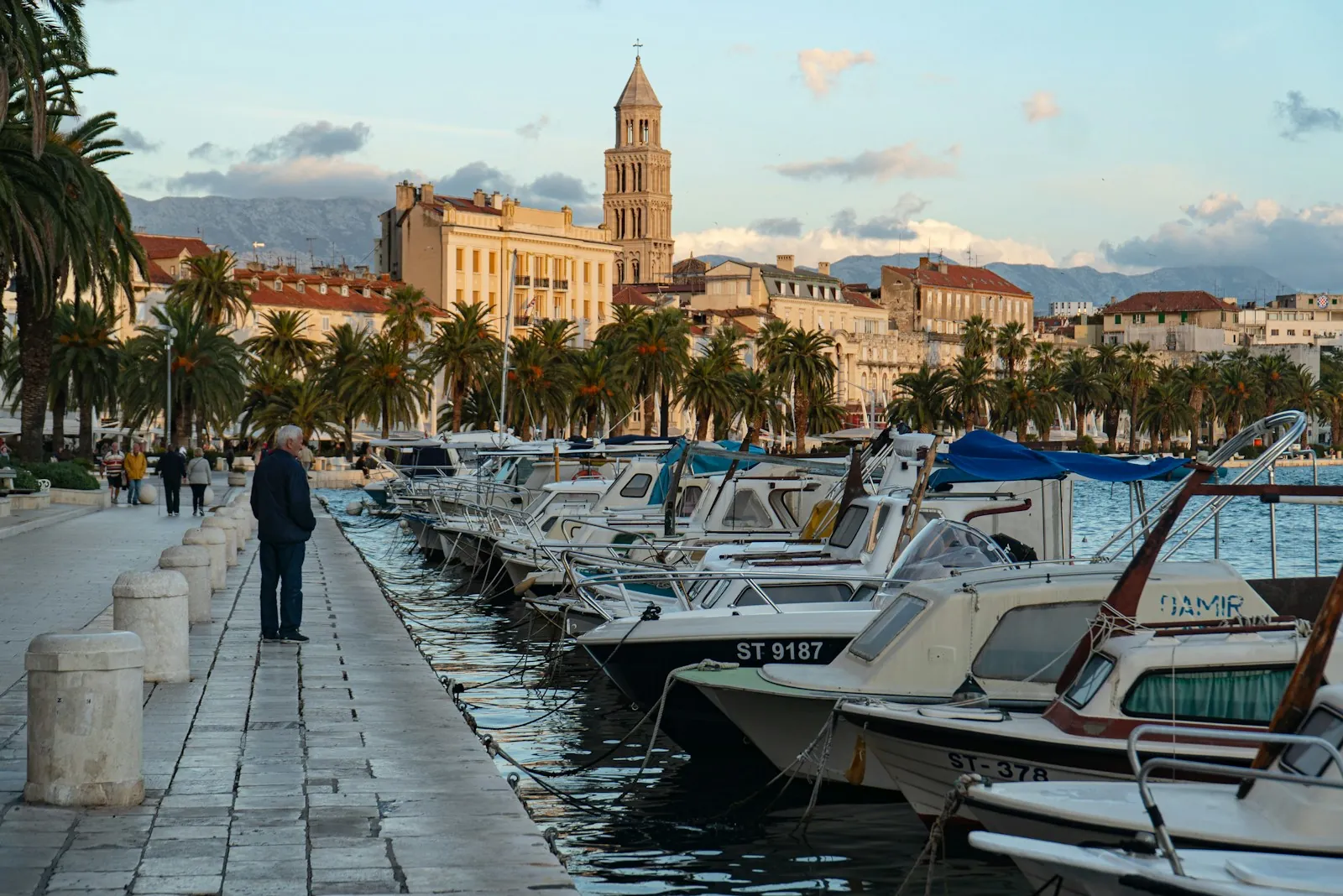
DAY 1 Get to know Split like a local
Your first morning in Split should begin early, not to “beat the crowds,” but to experience the city before it fully wakes up. Before 8 AM, Split feels different. Fewer people, less noise and no rush yet.
Most paths eventually lead toward Diocletian’s Palace, the heart of the Old Town. But before stepping into its stone maze, there’s one stop you shouldn’t skip.
A detour into the Peškarija where Split’s day really begins
If your route takes you down Marmontova Street, head toward the covered building just before Riva: the Peškarija, Split’s iconic fish market. Even if you don’t plan to buy anything, step inside. This is where the city’s real morning starts.
Vendors call out prices, locals move quickly from stall to stall, checking freshness with practiced eyes, grabbing bags of squid or small fish for lunch. There’s laughter, teasing, short conversations that feel half business, half ritual. It’s organised chaos in the best Mediterranean way. The contrast between the calm streets outside and the noise of the market makes the experience even stronger.
Be careful though, it’s easy to lose track of time here.
Once you pull yourself away, head toward the Old Town.
Into Diocletian’s palace, the stone maze locals walk every day
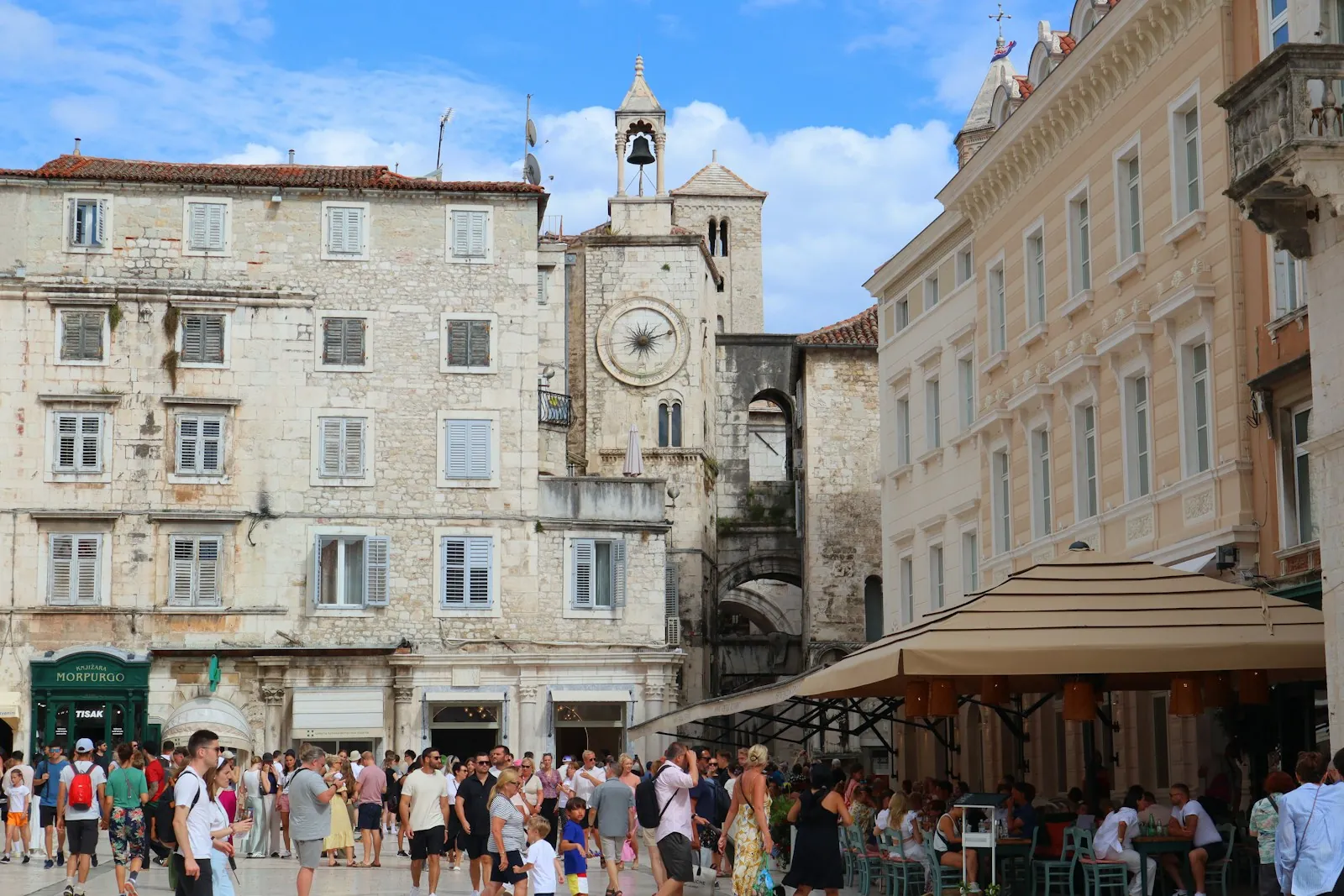
Entering the Palace feels less like visiting a monument and more like stepping into a living neighbourhood. People actually live here. Laundry hangs above 1,700-year-old walls, cats nap under Roman arches, and everyday life unfolds inside what was once an imperial residence.
Don’t follow a strict route. Put the map away and let the narrow stone alleys lead you. That’s how locals move through this space, naturally, without thinking about history at every corner.
From the fish market, you’ll reach the Palace area by crossing Pjaca, one of Split’s main squares. No matter the time of day, you’ll see locals sitting at café terraces, drinking their first coffee and loudly discussing football, politics or simply complaining about the weather, even when it looks perfect to outsiders.
Peristil and the cathedral: History you can step into
Walk up from Pjaca, pass under the old town clock through the Iron Gates, and you’ll soon find yourself at Peristil, the central courtyard of Diocletian’s Palace. The Cathedral of Saint Domnius towers above the square. Originally built as Diocletian’s mausoleum, it is now an active church where regular masses, baptisms and weddings still take place. For a small fee, you can climb the bell tower. The view over the rooftops, the sea and the nearby islands makes the narrow staircase worth every step.
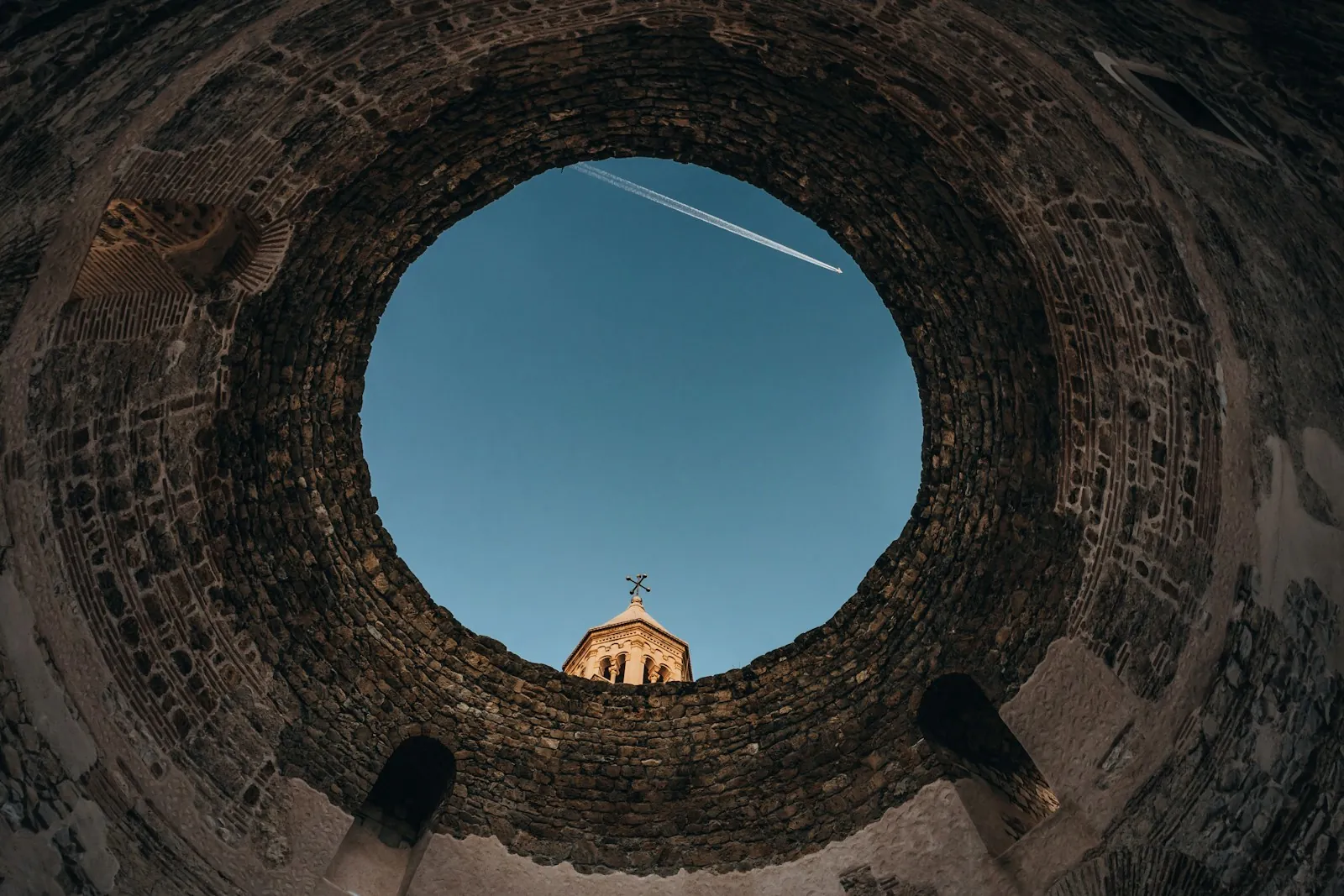
After visiting the cathedral, take the stairs above the entrance to Diocletian’s Cellars and step into the Vestibule. Its circular shape creates a natural echo chamber. Don’t hesitate to sing a note or two, locals often do. And if you’re lucky, you might hear an impromptu a cappella performance by residents of different generations, turning ancient stone into a living stage.
Jupiter’s temple and “Pusti me proć”: Split’s quirky corners
From here you could head down to the Cellars and exit toward Riva, but instead take the small street opposite the Cathedral. Within a few steps, you’ll be standing in front of Jupiter’s Temple. It’s one of the best-preserved Roman temples inside the Palace. Inside, you’ll find a remarkably preserved Roman statue and original carvings. The space is compact and unexpectedly intimate.
Right next to the temple is the narrowest street in Split, known locally as “Pusti me proć” (“Let me pass”). Walk through it if you can, then continue toward Voćni trg.
The name of the square means Fruit Square, but you won’t find fruit here. Instead, there are small shops, cafés and the monument to Marko Marulić, the father of Croatian literature. Sit down on a low wall or at a café terrace and let people-watching become your pastime. That’s exactly what locals do.
Riva: the city’s front living room
From Voćni trg, continue toward the waterfront promenade, Riva. This is where Split gathers. Families meet here, friends stop for coffee, and people heading to work cross paths with those who have nowhere particular to go.
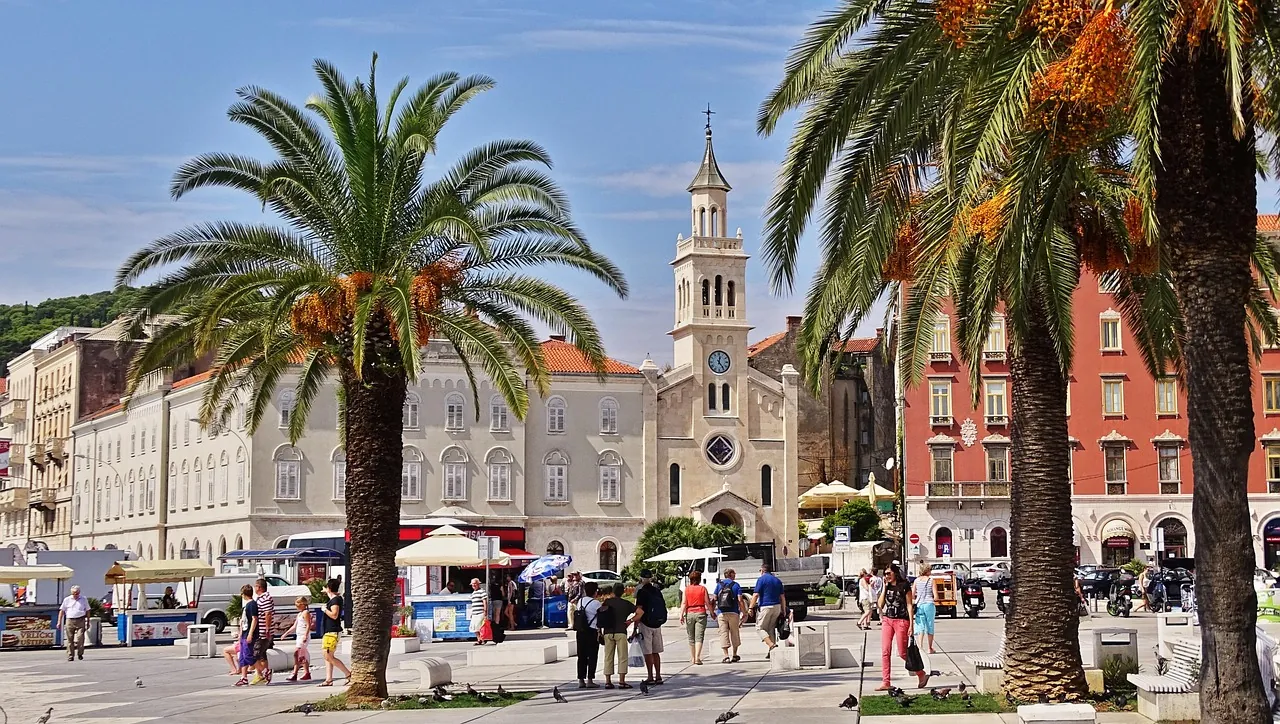
In summer, it can feel overcrowded. Still, Riva reflects the city as it truly is. You’ll see elderly couples on benches, groups sitting along the sea wall with takeaway coffee, children running around while parents watch from café terraces. Some people dress as if they are heading to an event, others are simply passing through on their way to buy groceries or walk the dog.
They don’t call it the living room of Split for nothing. Sit down for a moment and you may find that time slips by without you noticing.
Matejuška: Where the Day Unwinds
All that walking has probably made you hungry. From Riva, pass through Matejuška, the old fishermen’s harbour, and continue toward Varoš. There you’ll find small family-run konobas serving good traditional Dalmatian food.
After lunch, if you still have energy, take the stairs from Matejuška up to the first viewpoint on Marjan Hill. The view over Split and the bay at sunset is worth the climb.
Keep in mind that locals rarely go beyond the first viewpoint at night. It’s best to follow that rule.
Exploring Split with a local guide
As locals, we believe Split is best explored freely, without a fixed plan. Still, we have to admit that there are some genuinely interesting tours that can show you the city in a way you might not experience without a local guide.
They’re also a good option if you don’t have much time but want to see a lot.
Some that stand out include a food tasting tour with a visit to the local market and a history and heritage tour.
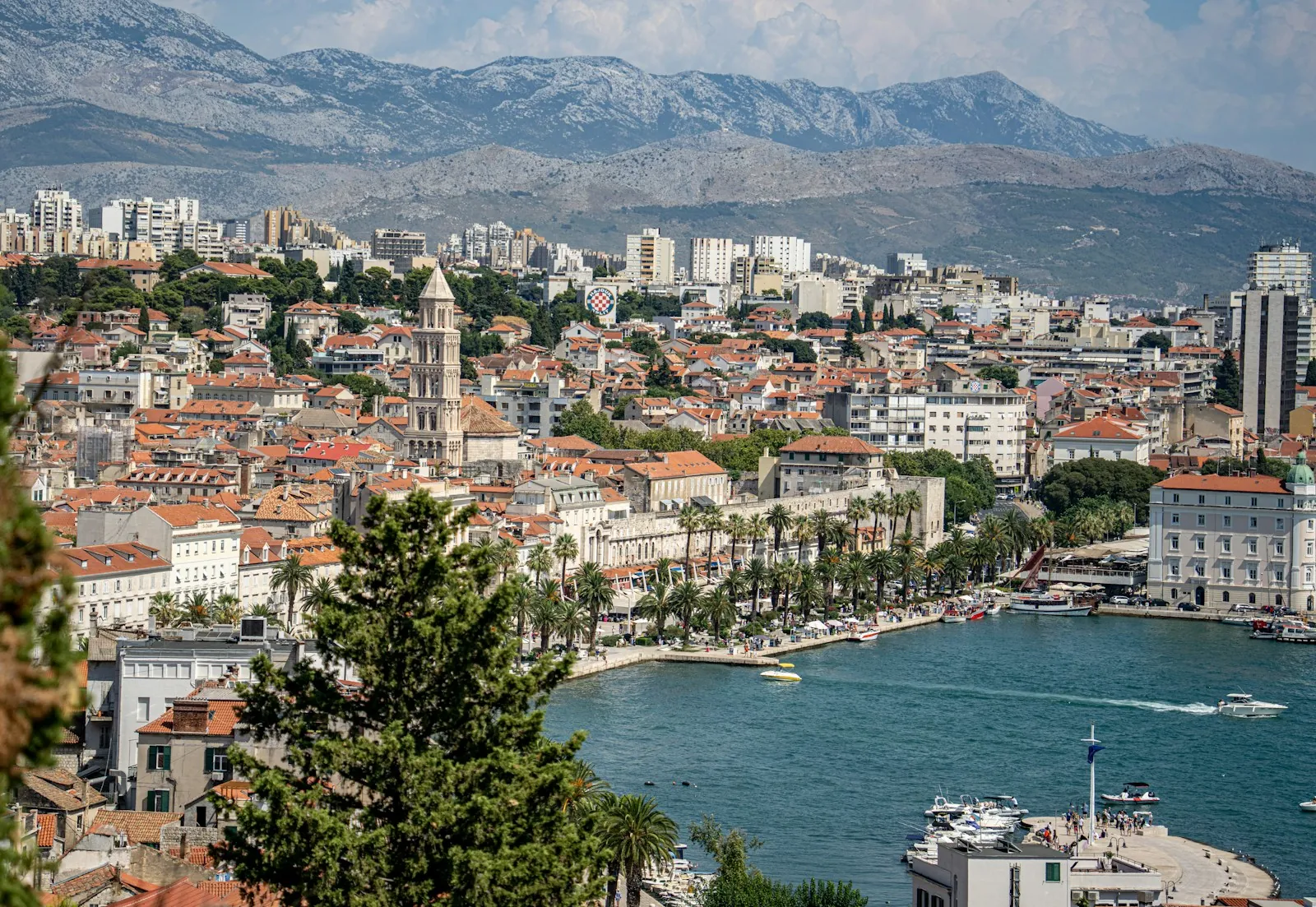
DAY 2 – From Bačvice to Marjan the Local Way
When locals aren’t working or running errands, they spend summer days on the beach. Split is a half-peninsula with a long coastline, and most of it is beaches. To enjoy them properly, it helps to know which spots are quiet, which are family-friendly and which are the busy, tourist-heavy ones.
Bačvice – the cultural heart, not the prettiest beach
If you want to understand what the beach truly means to people here, start at Bačvice.
Locals don’t come here because the beach is beautiful, they come because it’s a world of its own.
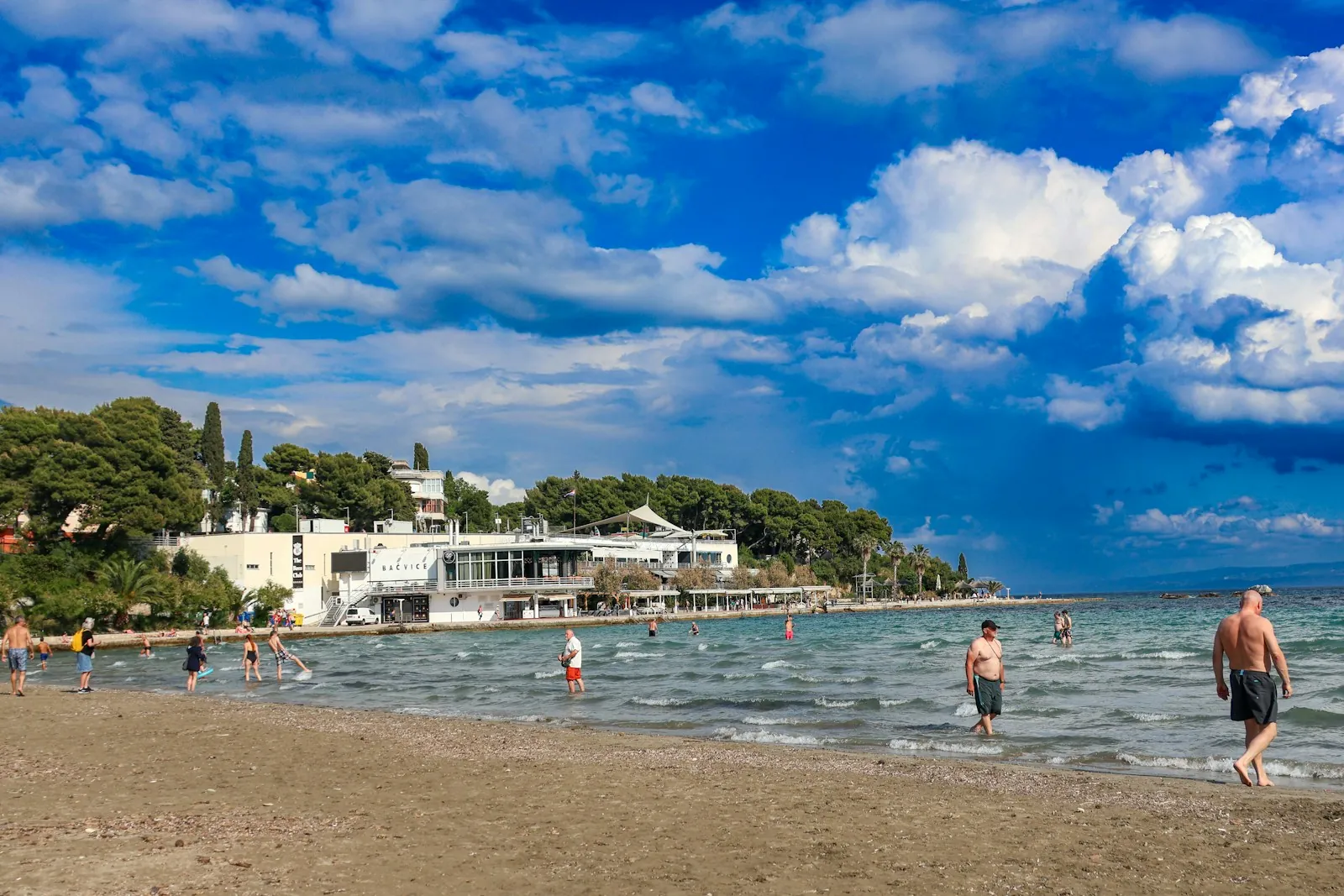
You’ll see people of all ages playing picigin, hear laughter and shouts from the shallows and feel a kind of energy that doesn’t exist anywhere else. Stop for a coffee at Žbirac, the iconic Bačvice café.
But keep in mind Bačvice is not ideal for swimming. Even after a long walk into the sea, the water stays knee-deep.
Ovčice and Firule – where locals actually swim
For swimming and sunbathing, head a little further east to Ovčice Beach. It’s pebble and stone beach with crystal-clear water that locals love. Further on is Firule beach, which can be described as quitter and calmer version of Bačvice. Morning dog walkers, parents with kids, tennis courts, old men reading newspapers in the sun – this is everyday Split in the summer.
Lunch in Zenta – good food and real atmosphere
When hunger hits (and with sea and sun it always does), walk along the marina in Zenta, where you’ll find taverns and restaurants serving traditional Mediterranean dishes. They may not be famous, but the food is better and the atmosphere more relaxed than in the old part of town. Eating domestic dishes here, with the smell of the sea and tamarisks, is one of those experiences visitors rarely discover on their own.
Marjan: Split’s green sanctuary
If you want to continue your afternoon away from the city streets, head to Marjan. This forested hill rises above Split and has always been the city’s escape. Locals come here to walk, swim, cycle, think, train, or simply sit in the shade. Marjan isn’t a tourist attraction in the classic sense. It’s part of everyday life.
There are two very different ways to experience it.
Option 1 – The Sea Route (Spinut Side)
If you’re still in the mood for swimming and a slower pace, start from Spinut, along Marjanski put. The path is shaded and comfortable, and it gradually leads you past small natural coves under pine trees. These spots are popular with older locals and families who prefer quieter swimming away from the main beaches.
You can move between sea and shade all afternoon. Swim, dry off under the pines, listen to the crickets, and repeat. It’s simple, but it’s one of those very Split experiences that doesn’t need much explanation.
Option 2 – The Viewpoint Route (From Matejuška)
If you’ve had enough of the sea, take the route that starts from Matejuška and climb toward the viewpoints. The first viewpoint is familiar from Day 1, but the path continues upward to the second viewpoint and the small stone church of St. Nicholas, overlooking the bay and nearby islands.
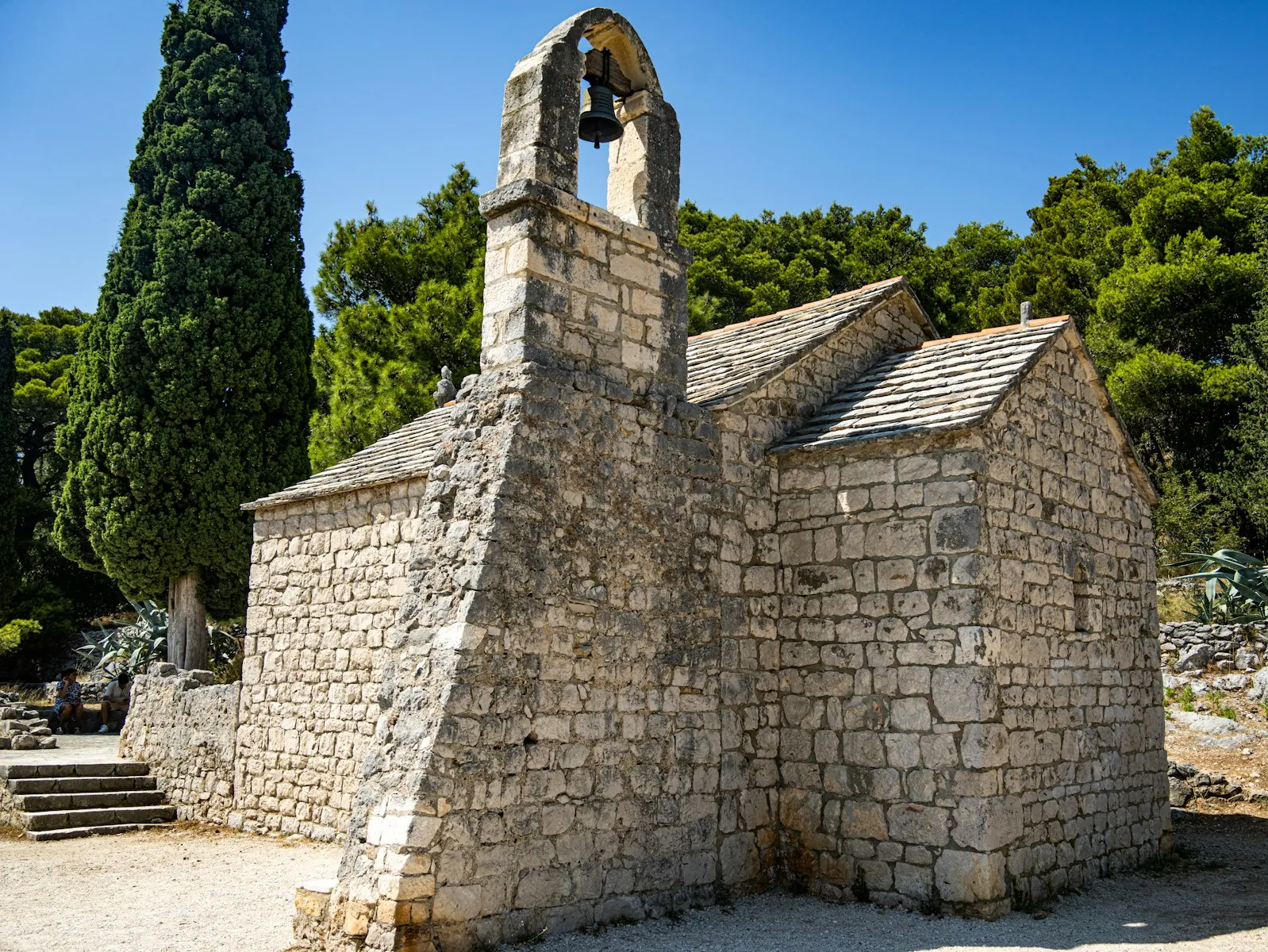
From there, a short staircase or a longer scenic trail leads to the third viewpoint, a local favourite. On weekends especially, this area feels like an open-air living room. Some people come for a quiet walk, others for exercise. Children build small camps in the woods, runners pass by, and groups sit on benches talking for hours.
You’ll also find a small zoo nearby. It mainly keeps domestic Croatian animals and is a brief, optional stop rather than a highlight.
Wrap the Day in Spinut and Varoš with great sefood and walk
After enjoying the tranquility of the Marjan Forest, you can descend toward Spinut marina where you can sit in one of the seaside restaurants and taste very good seafood. From there, walk back to the centre along the sea and through Varoš, one of Split’s oldest neighbourhoods.
Local tip: Don’t go to Marjan in sandals or heels. Wear comfortable shoes. Most of the paths are natural dirt and stone, and you’ll end up walking more than you expect.
If you decide to spend a day on the western side of the Split peninsula, Kašjuni Beach is one of the locals’ favourite places to swim.
DAY 3 – Skip the Island Rush: Visit Salona and Trogir Instead
Many visitors with only a few days in Split are tempted by island day trips. It sounds ideal on paper, but in reality it often means long queues, tight schedules, heat and very little time on each stop. You come back tired, without really experiencing the islands.
Islands deserve time, ideally a full day or more, and squeezing them into a rushed excursion rarely does them justice.
Morning: Head to Salona, the Roman Capital of Dalmatia
You’ll make far better use of your time if you wake up a bit earlier and take a bus or Uber to Salona, the ancient Roman city that once served as the capital of the entire province of Dalmatia.
Salona was once the capital of Roman Dalmatia and one of the largest cities on the Adriatic. Amphitheatres, baths, basilicas and long stone walls still stand scattered across open fields. The scale of the ruins often surprises visitors. Few expect something this vast just minutes from modern Split.
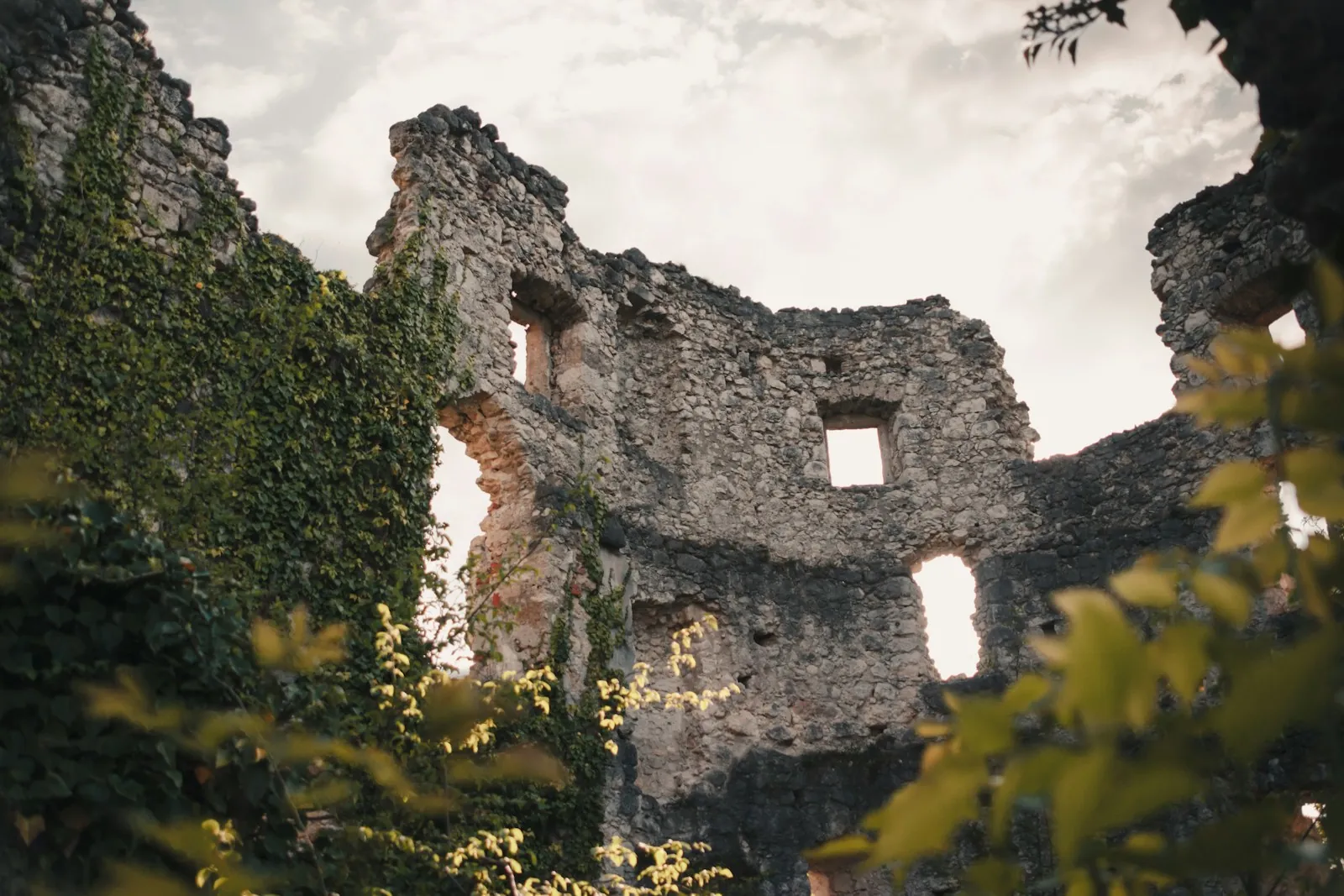
Explore the Ruins Like Locals Do
You don’t need an organised tour. Many locals come here for long walks. The wide meadows between the ruins are used by families, dog walkers and, on weekends, even small birthday gatherings. Bring water, maybe a snack, and allow yourself time to wander through the ruins at your own pace.
After Salona, take a bus or Uber to Trogir. Be prepared for slow traffic. Jams are common in summer and since the airport is on the same route, everything moves a bit slower.
A Slow Afternoon in Trogir and Čiovo
Once you arrive, you’ll understand why it’s worth the trip. Trogir’s Old Town, protected UNESCO heritage, is a compact maze of stone alleys, small bridges and quiet courtyards. The waterfront is lively, the market full of local produce, and cafés spill onto small squares. It’s easy to spend hours here without a plan.
For food, choose places slightly away from the main promenade. If a restaurant displays large photo menus and you can smell burnt oil from the street, keep walking.
Trogir also has several small beaches in the town area, but keep in mind that this whole part of the coast lies in a sheltered wetland bay with shallower, often less clear water. For proper open sea swimming, cross the bridge to Čiovo. That’s where many locals spend their beach days.
Local tip: Renting a car for this day trip will only create problems – parking is scarce everywhere, especially in a small town like Trogir. Use public transportation or Uber whenever you can.
If you’d rather not think about transport and explore Salona and Trogir with a guide, these tours are one of the simplest ways to do it. Check availability and prices for the Salona and Klis tour or the Trogir tour.
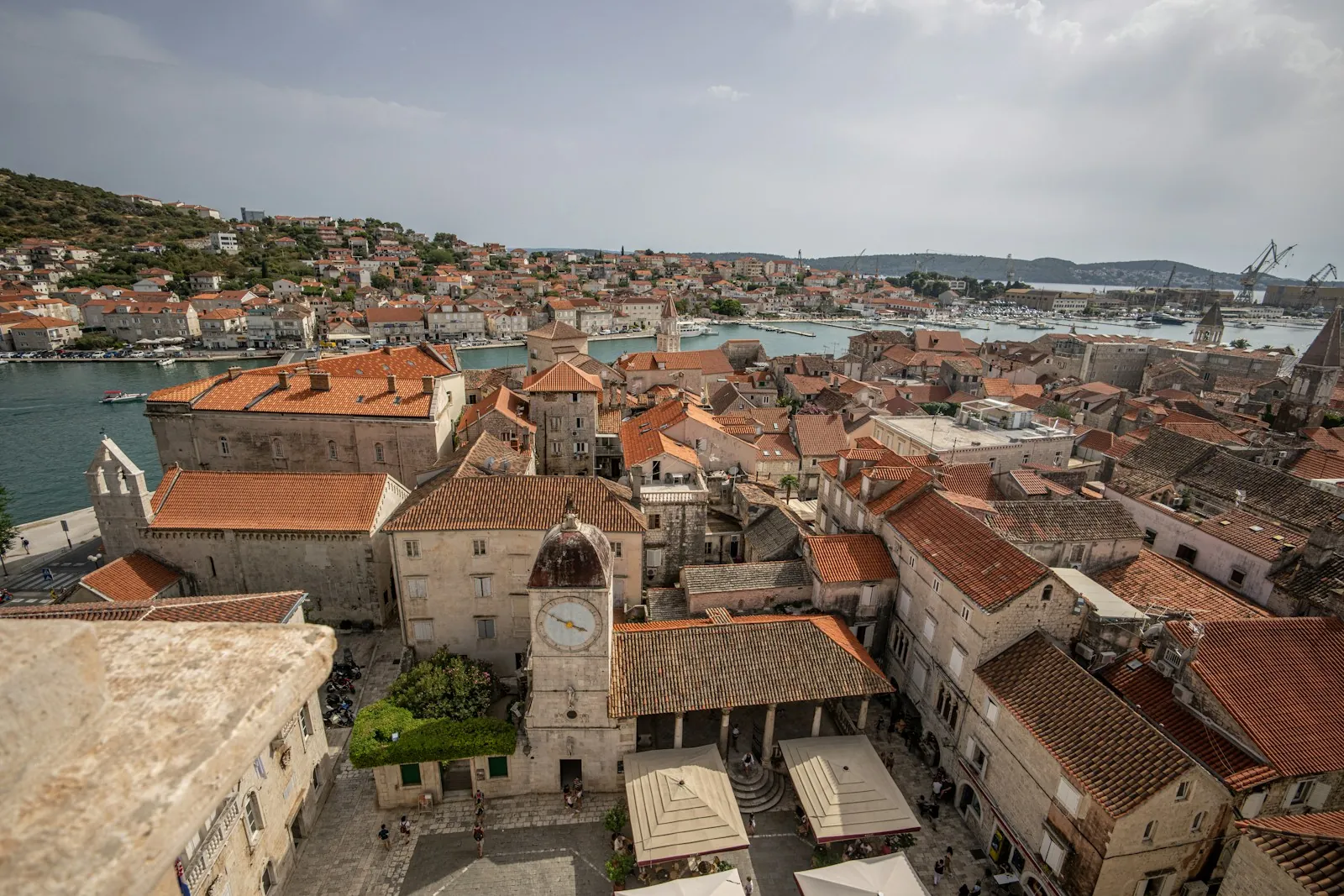
Three days in Split won’t show you everything, but they are enough to see how the city actually functions. Mornings in the Old Town, afternoons by the sea, walks on Marjan and nearby towns like Salona and Trogir are all part of everyday life here.
If you have more time, explore places beyond the obvious routes. You’ll find more ideas and practical details in our Croatia Travel FAQ.