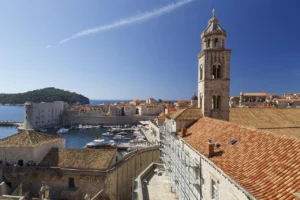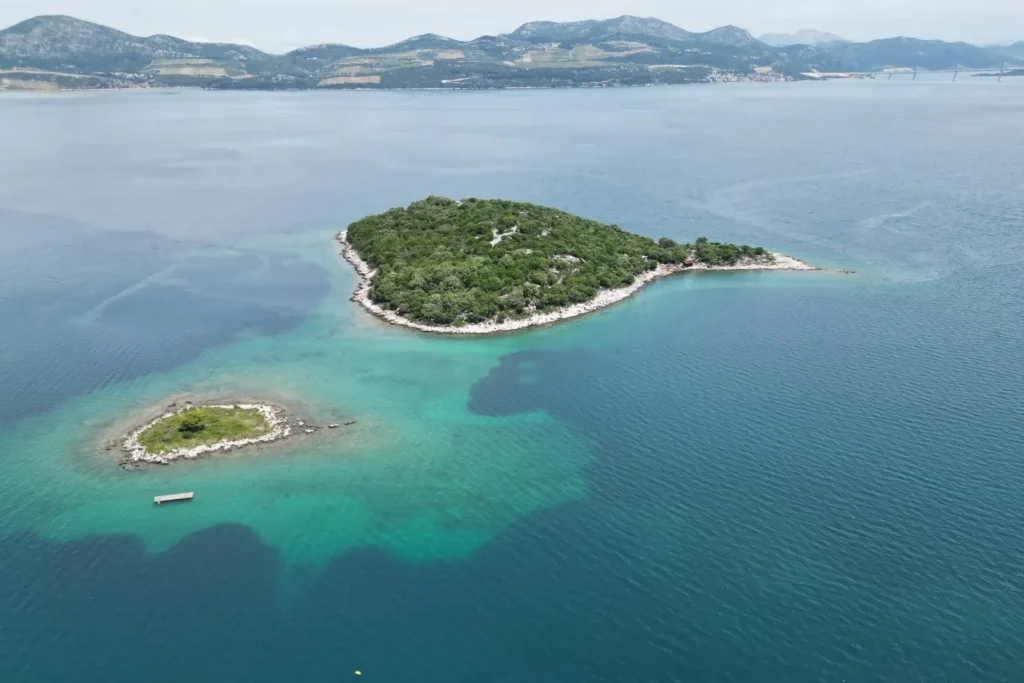
To someone planning a trip, Croatian islands can seem confusingly similar. There are 1,244 islands scattered along the coast, many offering the same first impression: stunning scenery, blue coves, stone villages, local wine and crystal clear sea. From the outside, it often looks like you could pick any island and have the same experience. That is rarely true in practice.
Each island has its own rhythm, personality and way of life. Pick the wrong one and you might end up somewhere far too busy, far too quiet or simply not the atmosphere you imagined when you booked your trip. To understand how locals actually live beyond the postcard image, see The Real Croatian Coast: How Locals Eat, Relax and Live Through Summer Days.
Some are compact and easy to navigate without planning. Others are large, spread out and require a car to truly enjoy. Some stay lively late into the night, while others slow down completely after dinner. Choosing the wrong island can leave you feeling out of place, rushed or disappointed, even if everything looks beautiful.
This guide strips the choice down to what actually matters when you are planning. Instead of repeating the same top 10 lists, it helps you match an island to how you travel, how much time you have and what kind of days you imagine once you arrive.
If you want an island that fits your travel style rather than your Instagram feed, start here.
If you’re visiting Croatia for the first time and want a quick recommendation rather than a full comparison, our guide Which Croatian Island Should You Visit First? will help you decide faster.
Before you choose an island: the two questions that matter
The first question is how you like to move through a place. Do you enjoy staying in one town and settling into a routine, or do you prefer exploring different corners every day? Are evenings about quiet dinners or social energy? Do you feel comfortable renting a car, or do you want everything within walking distance?
In Croatia, these preferences matter more than people expect. Some islands work beautifully with one base and no car. Others feel limiting unless you drive. Some towns are lively hubs, while nearby villages offer a completely different experience.
The second question is time. Three days, five days and seven days create very different possibilities. With limited time, ferry connections and boarding schedules shape your trip more than distance on a map. A short stay works best close to the mainland. Longer stays allow flexibility, but only if ferry routes actually connect the islands you choose.
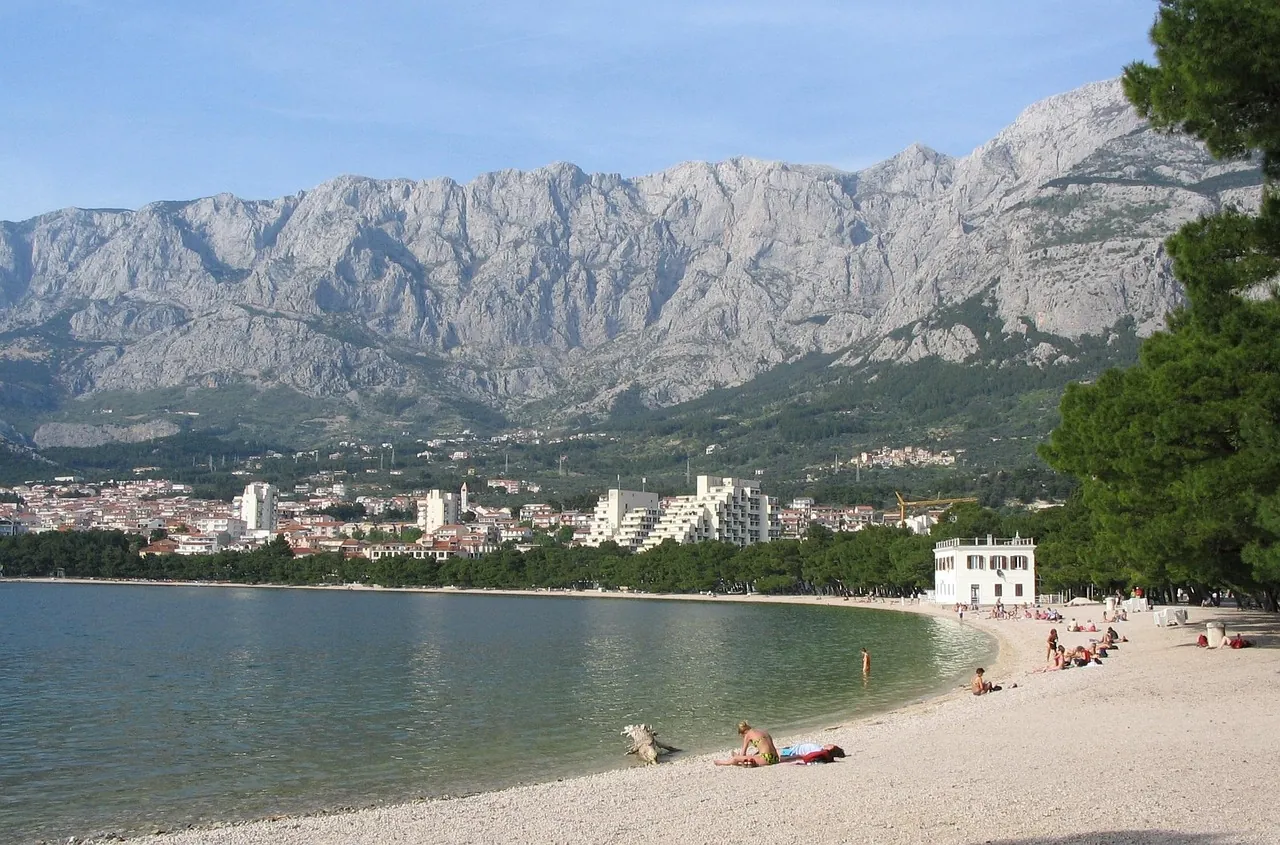
For the beach seeker: islands known for clear water and easy swimming
If your ideal holiday revolves around swimming, beaches and long days by the sea, accessibility matters more than dramatic landscapes. Some islands look stunning but require steep walks, boat rentals or careful planning to reach the water.
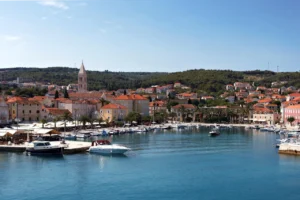
Brač is one of the easiest islands for beach-focused travel. It is large but well connected by roads, which makes moving between beaches straightforward. Zlatni Rat may be the most famous spot, but much of the island’s coastline offers calm, swimmable bays. Supetar, Postira and Bol all work well as bases, and a car helps but is not essential if you stay near town beaches. Frequent ferries from Split make logistics simple.
Šolta is smaller and quieter, ideal if you want relaxed beach days without crowds. Many coves are reachable by short walks, and the island feels manageable even without a car. It suits travelers who want minimal planning and calm surroundings rather than variety.
Susak stands apart from most Croatian islands. It is sandy, flat and car-free, with shallow water that feels almost lagoon-like. There is little to do beyond swimming, walking and slowing down. That simplicity is exactly why people love it, but it is best for travelers who are happy staying in one place and letting days pass gently.
Croatian islands for food and wine travelers: islands with strong local traditions
Croatia’s islands are deeply connected to food, but the experience varies widely depending on where you stay and how far you venture beyond the main town.
Korčula rewards travelers who enjoy slow meals and local wine culture. Staying in Korčula Town gives you atmosphere and history, while villages like Lumbarda offer vineyard access and quieter evenings. A car makes it easier to explore wineries and inland konobas, especially in summer when popular restaurants book out days ahead.
Hvar offers two very different experiences. Hvar Town is busy and social, but the rest of the island is agricultural and deeply tied to wine, olive oil and lavender. Staying outside the town or in places like Stari Grad allows you to enjoy the island’s food culture without the nightlife. Reservations are recommended in July and August.
Vis is one of the best islands for travelers who value simplicity over variety. Menus are smaller, ingredients are local and meals follow the rhythm of the island rather than trends. Both Vis Town and Komiža work well as bases, though Komiža feels more traditional and slower. A car helps but is not essential if you stay near the harbor.
For the nightlife traveler: islands with energy
Nightlife in Croatia is concentrated, not widespread. Choosing the right town matters more than choosing the right island.
Hvar Town is the country’s most famous nightlife hub, with late dinners, bars and beach clubs that stay active well past midnight in summer. Outside Hvar Town, the island becomes much quieter, so staying in the right location is essential if nightlife is a priority.
Pag, particularly around Zrće Beach near Novalja, caters to festival-style travel. This is a high-energy environment focused on electronic music and large events. It suits travelers who want non-stop social activity but can feel overwhelming if that is not your goal.
For the nature and adventure traveler
Some islands encourage exploration rather than relaxation. These are places where you spend your days moving, discovering and being outdoors.
Mljet is largely protected as a national park. Its lakes, forests and quiet roads make it ideal for cycling, kayaking and walking. Accommodation options are limited, and evenings are quiet, which suits travelers looking for nature rather than entertainment.
Cres and Lošinj are expansive islands with varied terrain. They offer long hiking trails, wild coastline and a sense of scale that feels different from southern islands. A car is strongly recommended to experience them fully, especially on Cres.
Vis appears again here because of its geography. Kayaking routes, hidden coves and old military tunnels make it rewarding for curious travelers. The island suits those who enjoy discovering places rather than following set itineraries.
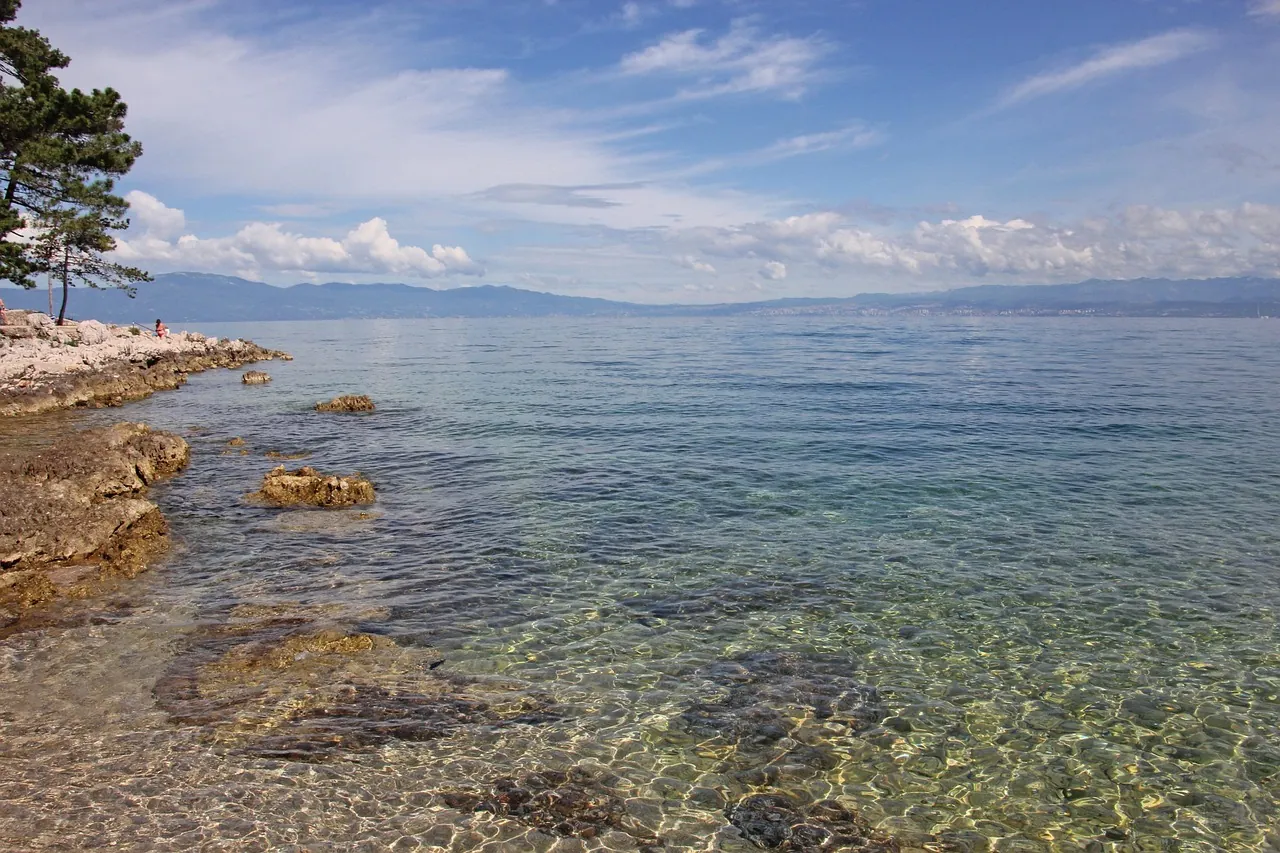
For travelers seeking peace and space
Some islands are best for doing very little. These places feel calm even in high season and encourage you to slow down.
Lastovo is remote and sparsely populated. It works best for travelers who are comfortable with limited options and value silence, dark skies and nature. Reaching it takes longer, which naturally filters out crowds.
Šipan is close to Dubrovnik but feels surprisingly quiet. Villages are small, distances are walkable and evenings are peaceful. It suits travelers who want calm without isolation.
Dugi Otok combines dramatic landscapes with quiet villages. A car helps, but even without one, it offers a strong sense of space and calm.
For Families: smooth, practical islands
Family travel benefits from easy logistics, safe beaches and compact towns.
Brač works exceptionally well because everything is within reach. Towns are well equipped, beaches are accessible and ferry connections are frequent. Families can stay in one place and still experience variety.
Rab is popular for its sandy beaches and shallow water, which make beach days easier with children. The island is compact and well adapted to family travel.
Lošinj offers shaded paths, clean beaches and a calm atmosphere that suits all ages. It is easy to settle into a routine here.
For couples: romantic and unhurried islands
Korčula offers scenic streets, vineyards and coastal walks that feel intimate without being isolated.
Vis appeals to couples who value privacy, scenery and quiet evenings.
Šolta suits couples looking for simplicity, where days flow naturally and evenings remain relaxed.
How to choose if you have 3, 5 or 7 days
With three days, choose one island close to the mainland and stay put. Brač, Šolta, Lopud or Šipan work well.
Five days allow one base plus a day trip, but only where connections are reliable. From Split, Brač or Šolta pair well with boat trips. From Dubrovnik, Šipan or Lopud combined with Mljet works smoothly.
Seven days allow two islands, but only if there is a direct ferry route. Hvar to Korčula or Korčula to Mljet are good examples. Planning around ferry lines saves time, money and frustration. For a realistic breakdown of costs and timing, see Travelling Croatia on a Budget: A Real Look at Prices, Seasons and Smart Timing.
The logistics you should know before booking
Ferries are not the same in June, July, August and September. Schedules change, capacity changes and some lines run only once a day. Plan around ferries, not the other way around. Some Croatian islands require a car, while others work better without one. Šolta, Brač, Cres and Dugi otok are easier with a car. Hvar Town, Korčula Town and Vis Town do not require one.
Distances are bigger than maps suggest. Driving across some islands can take much longer than expected.
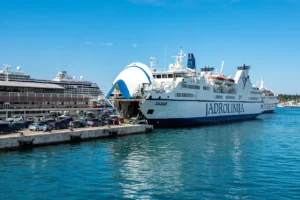
Keep in mind Google Maps is not reliable with ferry times. Always check Jadrolinija or Krilo directly.
Accommodation sells out early in July and August. If you have a specific island in mind, book weeks or even months in advance. Same goes for ferry tickets.
Common mistakes travelers make
Many travelers choose an island based on images rather than travel style, expecting one famous attraction to define their stay. Others try to visit too many islands, turning their trip into a series of transfers. Another frequent mistake is ignoring ferry schedules until the last moment.
Expecting sandy beaches everywhere is also common. Croatia is predominantly rocky, and sandy beaches are the exception.
Finally, staying in the wrong town on the right island can shape the entire experience. Hvar Town and Stari Grad, Korčula Town and Lumbarda, Vis Town and Komiža all offer completely different holidays. Choosing the right base often matters more than choosing the right island.
A broader look at typical planning mistakes is covered in Common Mistakes Tourists Make in Croatia (and How to Avoid Them).
Still unsure? Use this quick decision guide
For easy beac access, minimal planning and flexibility, choose Brač – it works especially well if you want one base and the option to explore without pressure. Supetar is the most practical for first-time visitors and families, with walkable beaches and frequent ferries. Bol suits travelers who want more scenery and movement, while Postira and Pučišća feel calmer and more local. A car helps if you want variety, but it is not essential if you stay near town beaches.
For calm days, simple logistics and a slower rhythm, choose Šolta or Šipan – these islands are ideal if you enjoy staying in one place rather than moving around. On Šolta, villages like Maslinica offer quiet evenings and easy access to the sea. On Šipan, distances are short, paths are walkable and life moves slowly even in high season. These are not islands for ticking off sights, but for settling into a daily rhythm.
If food, wine and atmosphere matter more than nightlife, Korčula is the safest choice – stay in Korčula Town if you want evening energy, old streets and restaurants within walking distance. Choose Lumbarda if vineyards, beaches and quieter nights matter more. Inland villages offer some of the most authentic food experiences, especially if you are willing to drive. In summer, reservations are important if food is a priority.
If authentic island life with character is what you seek, choose Vis – town Komiža feels more traditional, scenic and emotionally engaging, especially for couples and slow travelers. Vis Town is slightly more practical, with better transport connections and more accommodation options. You can enjoy the island without a car if you stay near the harbor, but a car or scooter opens up hidden coves and inland routes.
If nightlife is a priority, Hvar Town or Pag are the only honest options – Hvar Town offers social energy, bars and late dinners, but crowds peak in July and August. Pag, particularly around Zrće Beach near Novalja, suits festival-style trips focused on music and parties. If crowds, noise or inflated summer prices frustrate you, these places will not feel enjoyable.
If nature, space and movement define your travel style, Mljet, Cres or Dugi Otok will reward you most – Mljet is best if you want protected nature, cycling, kayaking and quiet evenings. Cres offers scale, wild coastline and hiking, but requires a car to feel complete. Dugi Otok balances dramatic landscapes with sleepy villages and open space. These islands suit travelers comfortable with fewer services and slower nights.
If travelling with children and want things to feel smooth, Brač, Rab or Lošinj are the easiest to manage – Brač offers variety without long transfers. Rab stands out for sandy beaches and shallow water. Lošinj combines clean nature, shaded walks and a calm atmosphere that works well for all ages.
For 3 day trip, choose one island only, close to the mainland, and stay in a single town. Brač, Šolta, Lopud or Šipan allow you to arrive, settle in and enjoy without rushing. Any additional transfers will cost you valuable time.
For 5 days, choose one main island and add one simple day trip, but only where ferry or boat connections are reliable. From Split, Brač or Šolta pair well with short boat trips. From Dubrovnik, Šipan or Lopud work well with a day visit to Mljet. Avoid overnight island hopping unless ferries clearly support it.
If you have 7 days, you can combine two islands, but only if there is a direct ferry route between them. Hvar to Korčula, Korčula to Mljet, or Cres to Lošinj make sense. Routes that require returning to the mainland add cost and stress and often break the flow of the trip.
When in doubt, choose fewer places and stay longer. In Croatia, depth almost always beats distance.