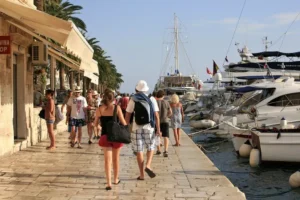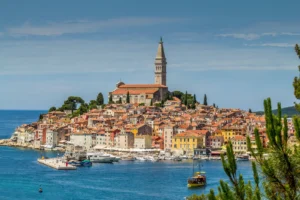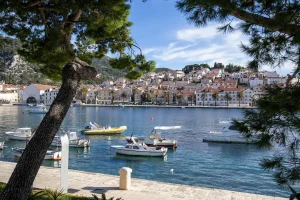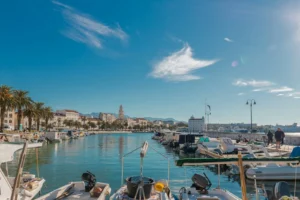
To most visitors, the Croatian coast looks simple enough: long swims, seafood dinners, golden light on old facades. Beautiful, yes. But what you don’t see in all those photos is the everyday rhythm behind them, the unspoken rules, the small rituals, the humor that doesn’t translate and the quiet habits locals still follow without thinking.
And without understanding those, travelers often miss the part of Croatia that leaves the deepest impression.
Daily life on the Croatian coast has its own pace, its own logic and its own unwritten system that everyone seems to know, except the people visiting for the first time. Why does coffee last over an hour? Why does everything pause at midday? Why do conversations sound like arguments when they’re not? And how do locals move through summer with so much ease?
This guide pulls back that curtain. It explains how people on the coast eat, rest, joke, gather and navigate their days, the customs, the culture and the small, very human moments most visitors never notice.
The coastal pace: slow, steady and very intentional
If there’s one thing that surprises visitors most, it’s the pace. Things happen, but not immediately. Locals don’t rush breakfast, they don’t run for the bus and they absolutely don’t gulp coffee. Life on the coast moves with the weather, the sea and the people around you, not with a strict timetable.
The day often begins quietly, with windows opening, voices drifting from balconies and the soft clatter of someone preparing coffee. Work starts early for those who need to work and the first real pause of the day happens around mid morning when cafés fill up. This isn’t idleness. It’s social maintenance. It’s how people check in with each other, share small stories and keep community ties strong.
Visitors sometimes mistake this for inefficiency. But the coastal pace is a choice. Life is organized around relationships, not clock time. And once you sink into it, the entire coastline starts to feel different.
Coffee culture: more than a drink
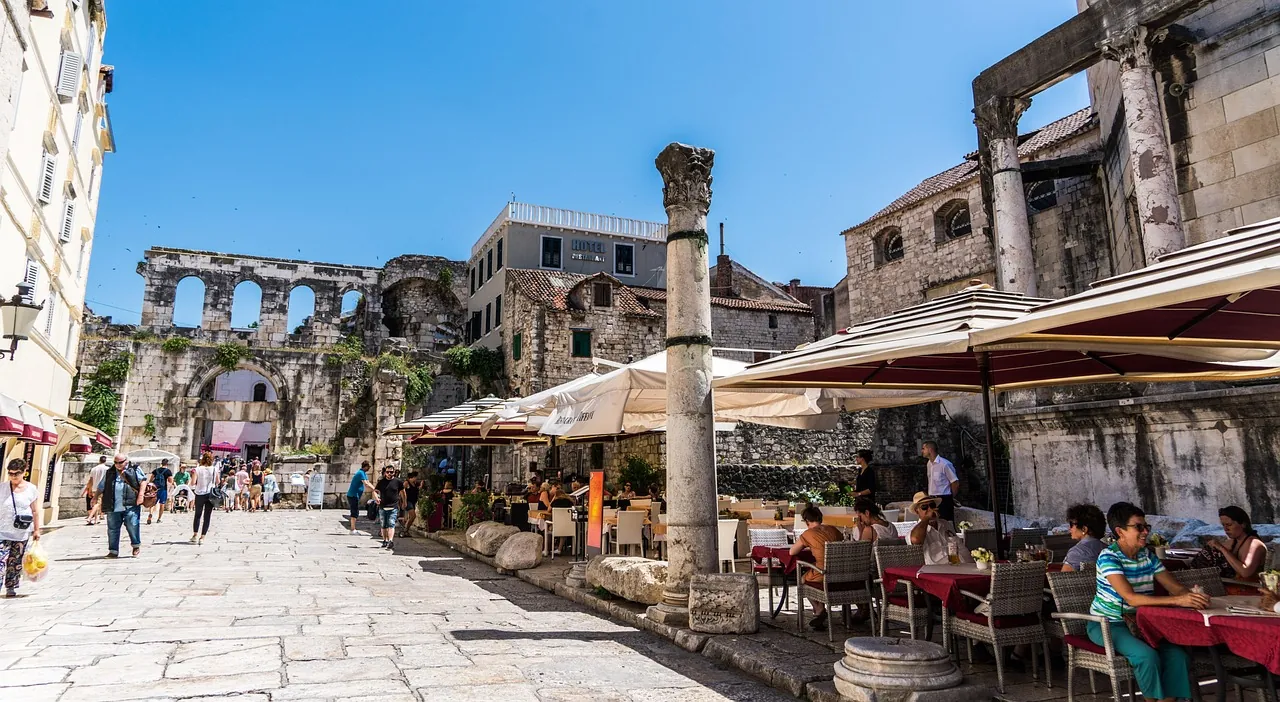
On the Croatian coast, coffee is never just coffee. It’s a ritual, a social anchor, a daily pause that sets the tone for everything else. You might see a table of four people each nursing a single espresso for over an hour. That espresso is not a drink. It’s a reason to sit, talk, observe and enjoy the simple act of being outside.
Travelers who rush through their coffee often wonder why service is slow. The answer is simple. You’re not supposed to leave quickly.
The humor: dry, direct and occasionally misleading
Croatian coastal humor can confuse visitors at first. It’s dry, sometimes teasing, occasionally sarcastic, always delivered with a straight face. Locals will often joke at their own expense, at the weather, at local politicians, at tourists and at everyday mishaps. Nothing is too serious and almost everything is fair game.
A compliment might come disguised as a joke. Mild annoyance might be followed by a smile. A sentence that sounds like an argument between friends is usually just storytelling with emotion. Many visitors think locals are upset when they’re simply passionate.
If you ever hear someone say “Ma sve je to dobro” (It’s all fine, really) in a tone that sounds like the opposite, it’s not sarcasm exactly. It’s cultural shorthand for “I will fix it, but it gets on my nerves.”
Food habits: Simple ingredients, deep respect
Coastal Croatian cuisine isn’t complicated, but it is deeply respected. Meals revolve around what is fresh, local and in season. People don’t romanticize food here. They don’t plate it dramatically or photograph it endlessly. They simply cook what the sea or the garden offers and then really enjoy it.
Lunch is often the main meal of the day, especially in summer and it tends to be early. Fish, blitva, olive oil, tomatoes and bread appear constantly. Grilling is practically a religion. Olive oil is treated as a family treasure. Lemon is added to almost everything that comes from the sea.
Visitors often ask why restaurant menus look similar from town to town. The answer is that coastal food follows the rhythm of the land and the sea. Diversity comes not from long menus but from the small differences between cooks, families and traditions. Small tip: that’s exactly how you can tell who serves real home-style food . They’ll have a short menu and ingredients that follow the season.
Summer Days: A choreography everyone seems to know
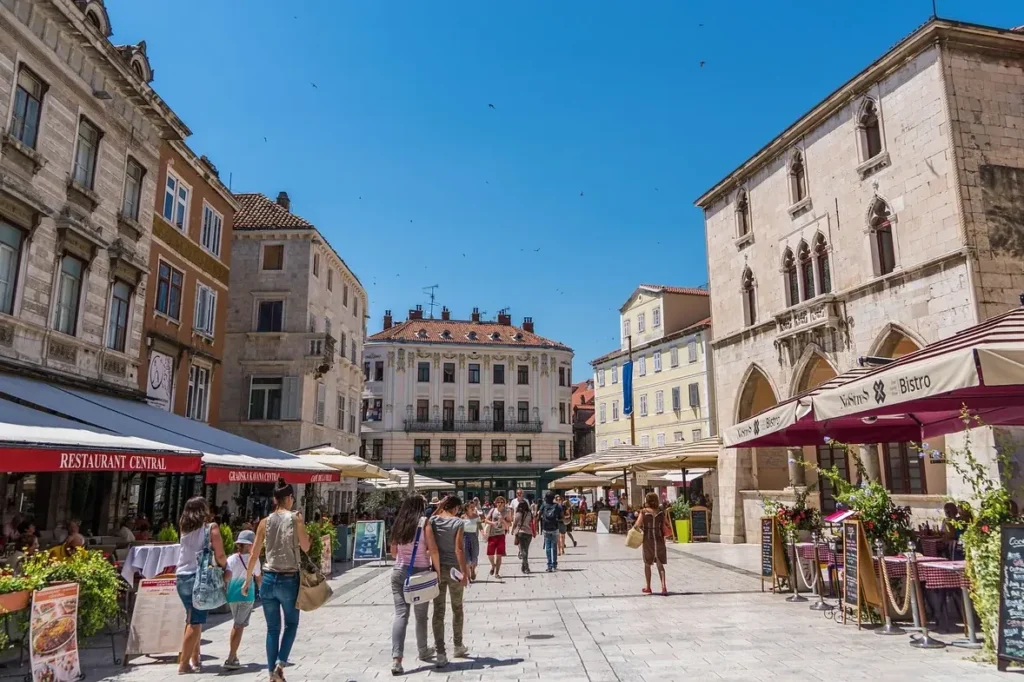
Summer on the Croatian coast has a predictable shape. Mornings belong to swimming, errands or coffee. Midday is for retreating from the heat. Afternoons are slow until the sun lowers enough to make walking pleasant again. Evenings belong to the riva or main town streets, to families strolling, children running freely, grandparents sitting on benches and cafe terraces, watching the world move around them.
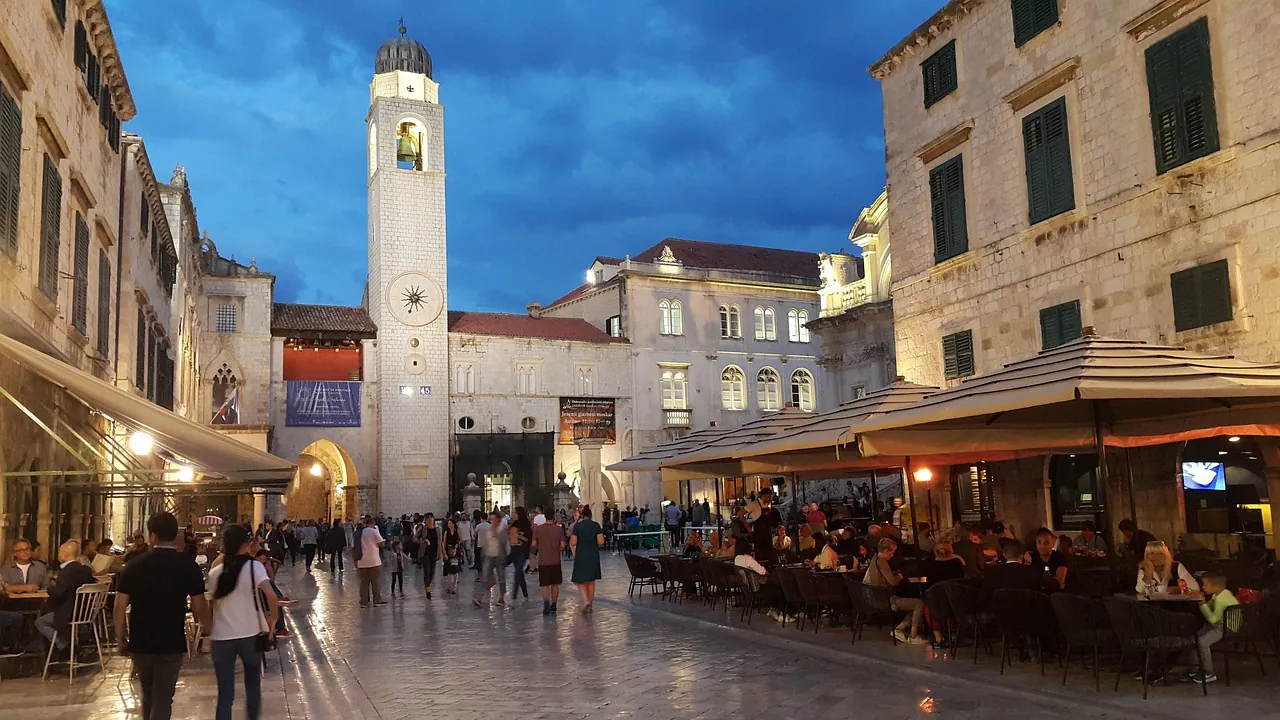
Visitors often comment on how late children stay out. This isn’t considered unusual. Croatia is a very safe country, where parents still let children play outside, far from traffic and crowds. Summer is a season of extended freedom, and the whole coast adjusts its rhythm accordingly. Sleep comes later. Meals stretch longer. Life feels communal.
Traditions that still matter
There are customs here that hold steady even as everything else changes. Families gather on Sundays, neighbors greet each other from balconies, people know which baker makes the best bread and at what time, the sea is treated with respect rather than conquered with adrenaline, elders are listened to, not dismissed.
Almost every town or even neighbourhood has its own festa; a blend of music, food and community pride, often tied to a saint or a local heritage day. These festas aren’t performances for tourists, they’re for the people who live there and visitors are simply welcome to join if they happen to be around.
Why this matters for travelers
All these habits and customs aren’t just background details. They shape how visitors experience Croatia. Understanding these local habits makes trips smoother. Understanding the humor makes conversations easier. Understanding food culture makes meals richer and tastier. Understanding the pace makes the coast feel like more than a destination. It becomes a home away from home. Because once you understand the local rhythm, especially in Dalmatia, you start to feel like part of the place, not just a visitor. And locals will gladly treat you that way.
Croatian coastal-living guidelines you’ll appreciate
Don’t rush your coffee. Sit, chat if you’re with someone, soak up the sun, think about life or simply watch people passing by. No one will mind if you stay longer than you think is expected.
On the other hand, if a waiter in a bar or restaurant rushes you to order, get up and leave (and don’t stress – it’s them, not you). Places that push for fast turnover usually serve forgettable food. Locals avoid spots like that.
Ask what’s fresh today before ordering fish or ask your waiter for a recommendation. You’ll always get the best meal that way.
Swim early. The morning sea is the most refreshing and the cleanest. Also, respect the sea – currents and winds can shift quickly.
If someone offers you homemade olive oil, rakija or homemade sweets, accept it. It’s a gesture of hospitality and respect.
Say hello when entering and goodbye when leaving shops, bakeries and cafés. It’s a simple matter of politeness.
Be patient with service in July and August. Everything still gets done, just at a very human pace. And waiters will appreciate it.
Learn one or two Croatian expressions. Even a simple “Hvala” (thank you) goes a long way.