If you’ve ever gone swimming or snorkelling along the Croatian Adriatic, you’ve probably noticed some strange-looking creatures underwater: dark elongated animals on the seabed, black spiky balls hidden among rocks or something that looks like floating sea grass.
Most of these creatures are completely harmless and a normal part of marine life along the Croatian coast, even if they may look quite strange at first glance.
But are they animals or plants, what are they called and are they dangerous? These are some of the unusual species in the Croatian Adriatic that often confuse swimmers and visitors.
Sea cucumber
One of the strangest creatures people often notice while swimming in Croatia is the sea cucumber. These dark, elongated animals often lie completely motionless on the seabed. Because they barely move, many people are unsure whether they are looking at a plant, a rock or even something dead.
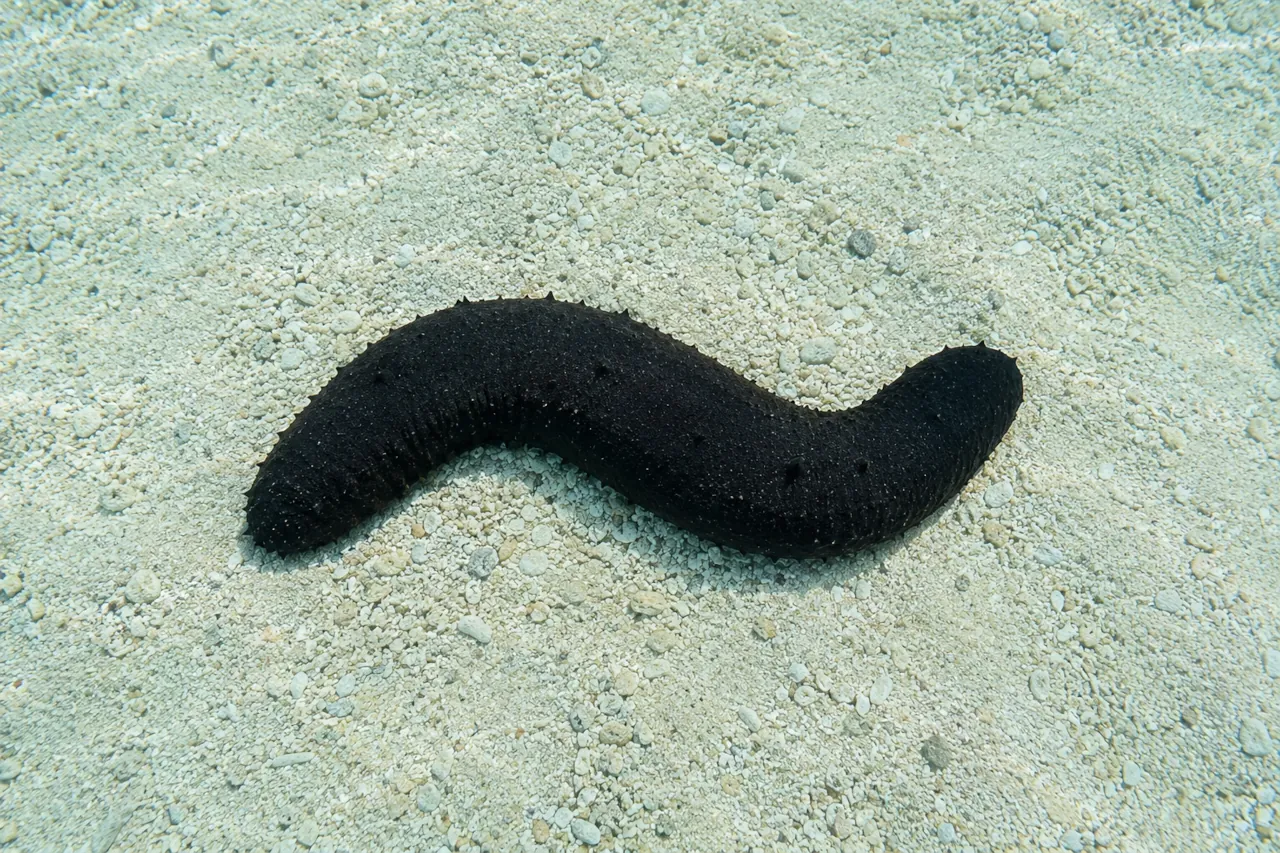
Sea cucumbers are actually marine animals and an important part of the Adriatic ecosystem because they help keep the seabed clean by feeding on organic material found on the sea floor. Despite their unusual appearance, they are completely harmless to humans, but it is best not to disturb them or remove them from the sea because they are a protected species.
In some parts of the world, especially in Asia, sea cucumbers are considered a delicacy. In Croatia, however, disturbing or illegally harvesting them is strictly punished.
Sea hare
One of the most unusual creatures occasionally seen in the Croatian Adriatic is the sea snail known as the sea hare. It is usually dark brown or reddish in colour and moves slowly across the seabed or just below the surface of the sea.
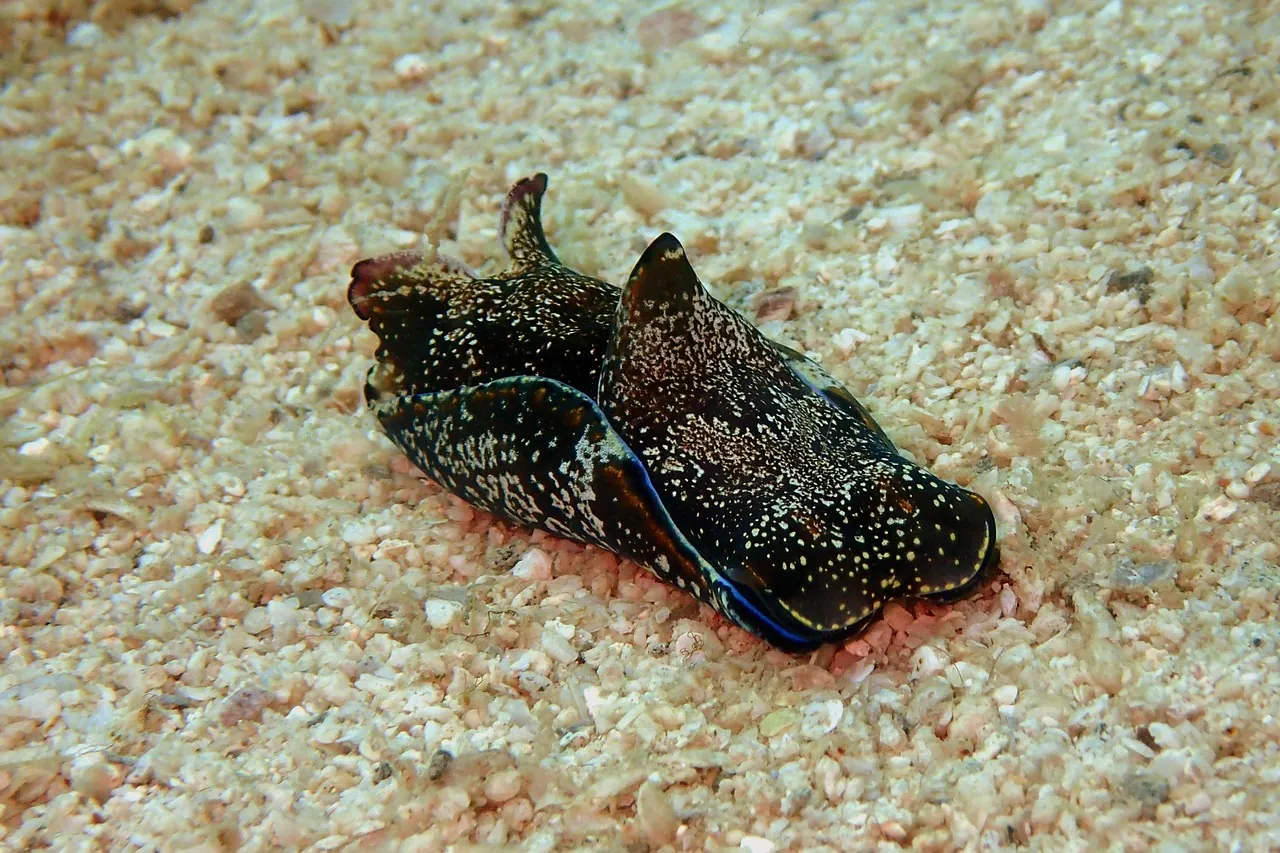
Some individuals can grow surprisingly large, which can frighten swimmers who encounter one for the first time. Because of its soft body and unusual shape, many people mistake it for some kind of ray or underwater plant.
Sea hares are completely harmless to humans and feed mostly on algae and sea vegetation. It is best not to touch them because when disturbed, they can release a cloud of purple ink as a defence mechanism.
Moray eel
The creature that probably looks the most frightening in the Croatian Adriatic is the moray eel. With its long body, snake-like appearance and habit of hiding among rocks with only its head visible and jaws full of sharp teeth, it can look truly terrifying.
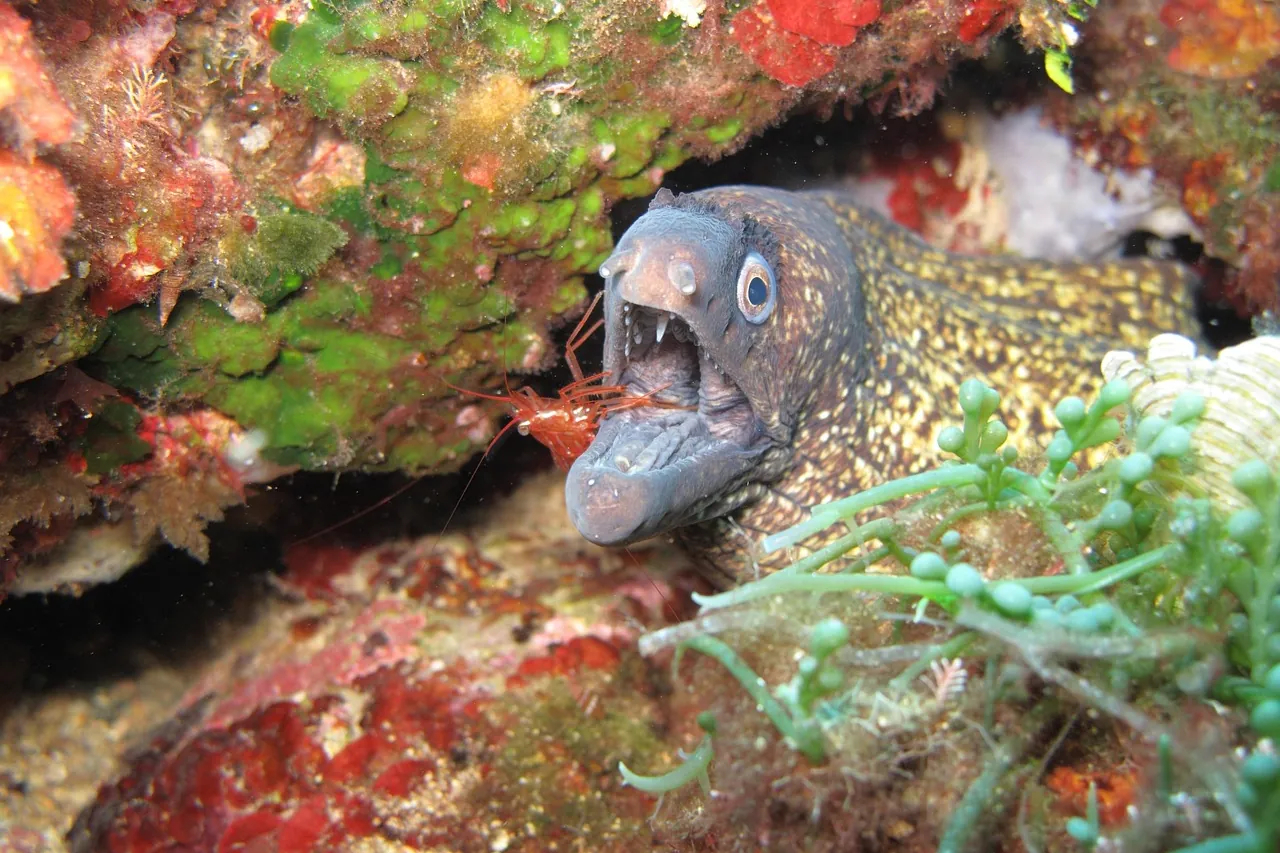
Moray eels are most commonly seen at depths ranging from a few metres to around 40 metres, although they sometimes come into shallower rocky coastal areas as well.
It is important not to touch or disturb them, as they may bite if they feel threatened. A moray eel’s bite is particularly strong, painful and slow to heal, while its blood and skin can also be toxic.
Stone shrimp
These small crustaceans are usually difficult to notice because their semi-transparent bodies blend almost perfectly with rocks and the seabed. People most often spot them while snorkelling in shallow water or lifting rocks near the shore.
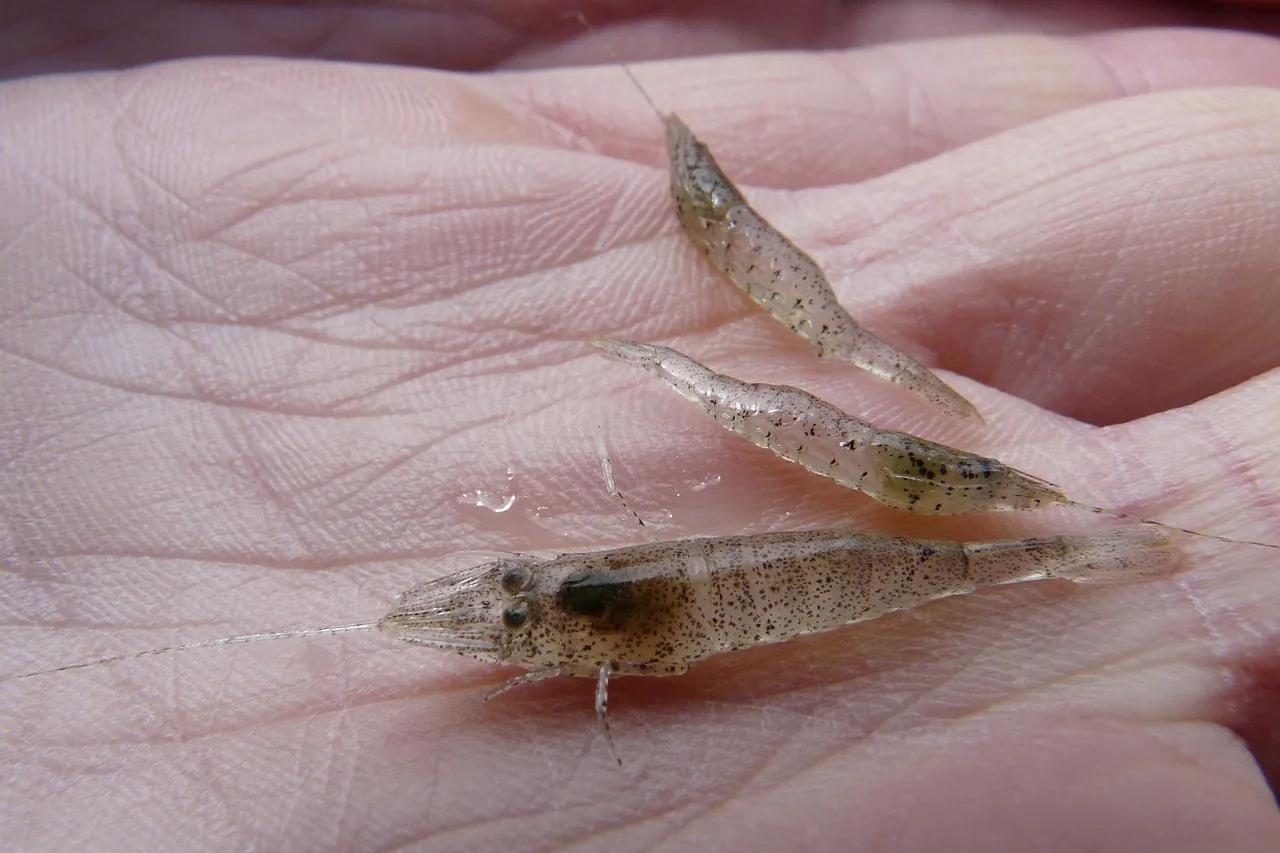
Stone shrimp are completely harmless to humans and spend most of their time hidden in cracks, feeding on small marine organisms and organic material.
In some parts of the Adriatic, stone shrimp are also considered a delicacy. Because they are small and difficult to catch, they are eaten far less often than larger shrimp or prawn species.
Pipefish
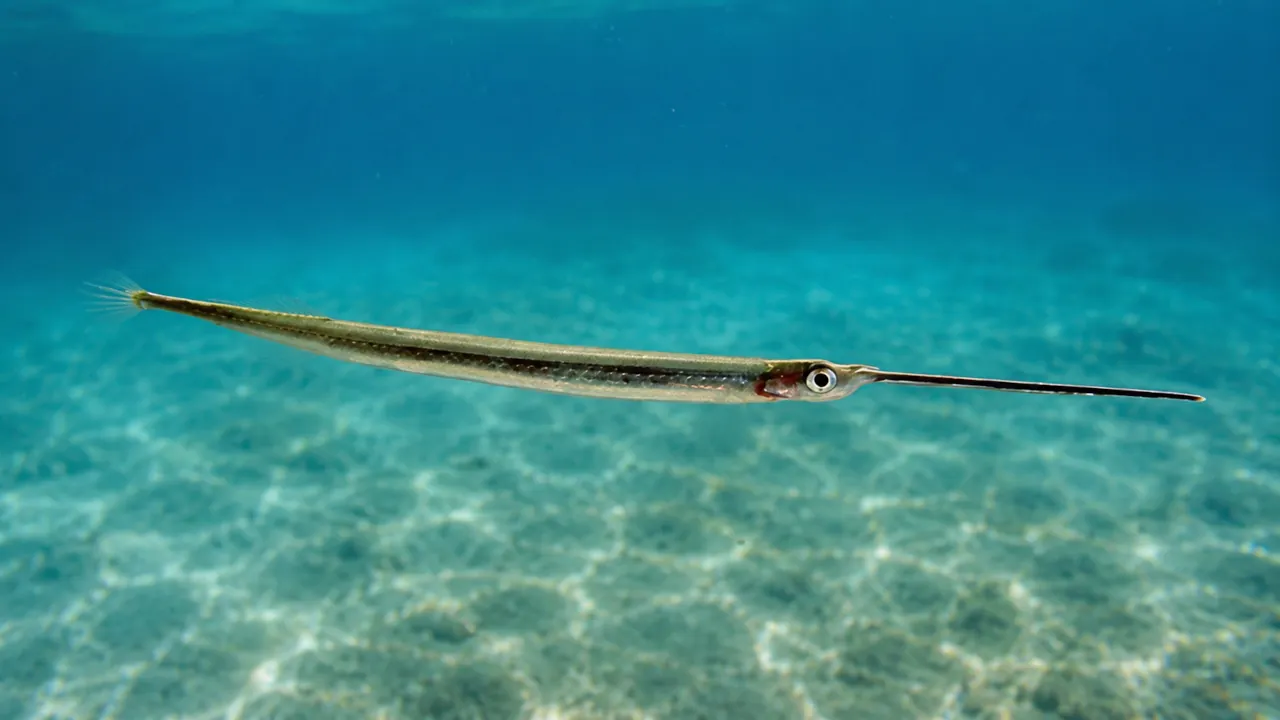
One of the more unusual fish occasionally spotted while snorkelling in the Croatian Adriatic is the pipefish. With its long thin body and narrow snout, it almost looks like a floating twig or a tiny underwater snake moving through sea grass.
Pipefish are closely related to seahorses and are completely harmless to humans. Because they move slowly and blend in well with underwater vegetation, many swimmers do not notice them at all.
One of their most unusual characteristics is that male pipefish carry and protect the eggs, similar to seahorses.
Sea urchin
Sea urchins are considered a sign of exceptionally clean seawater in Croatia because they thrive only in unpolluted seas.
Their dark spiky bodies are usually hidden among rocks in shallow water. They are not aggressive, but people often step on them accidentally while entering or leaving the sea, which is why water shoes are recommended in rocky coves.
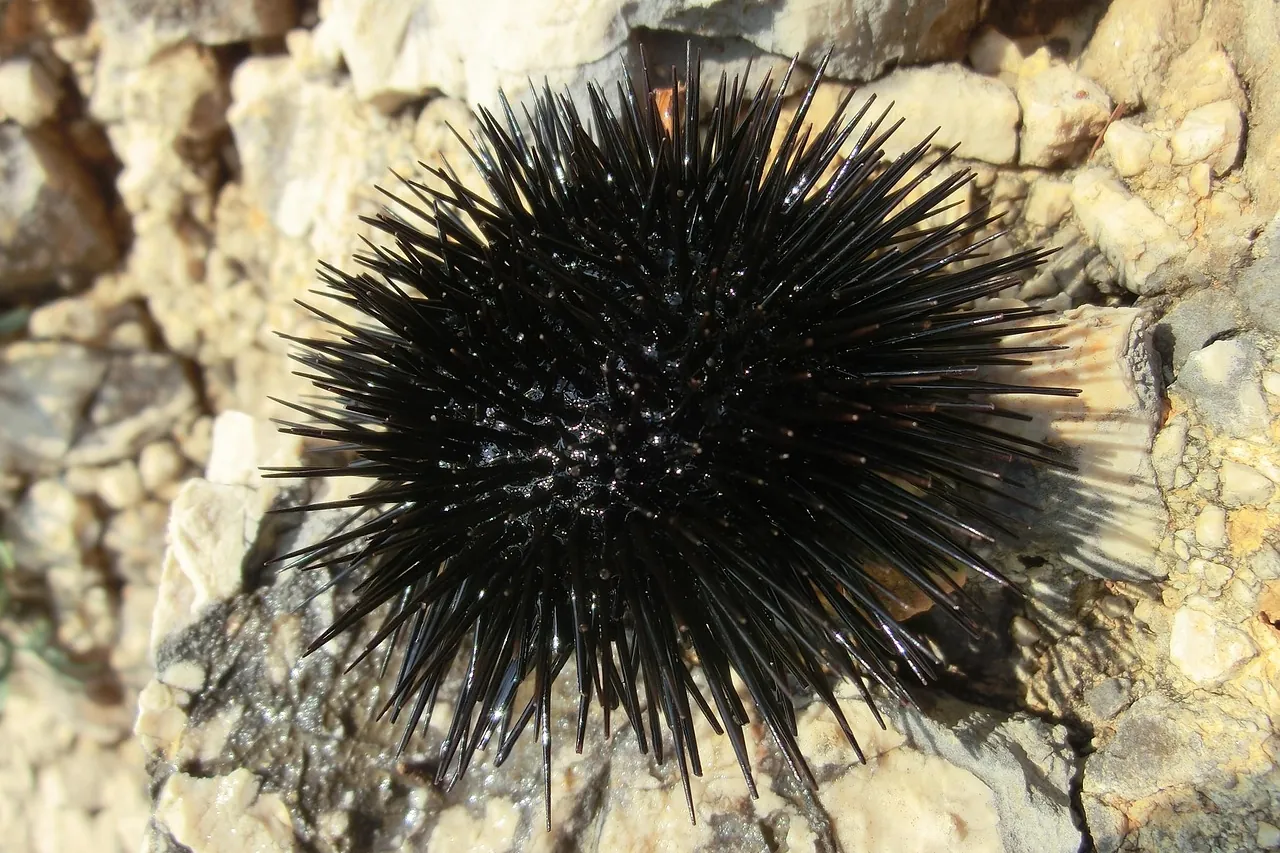
Sea urchins are rarely eaten in Croatia, although they are part of local cuisine in some places such as Korčula. In many parts of the world, certain sea urchin species are considered a delicacy.
Limpets
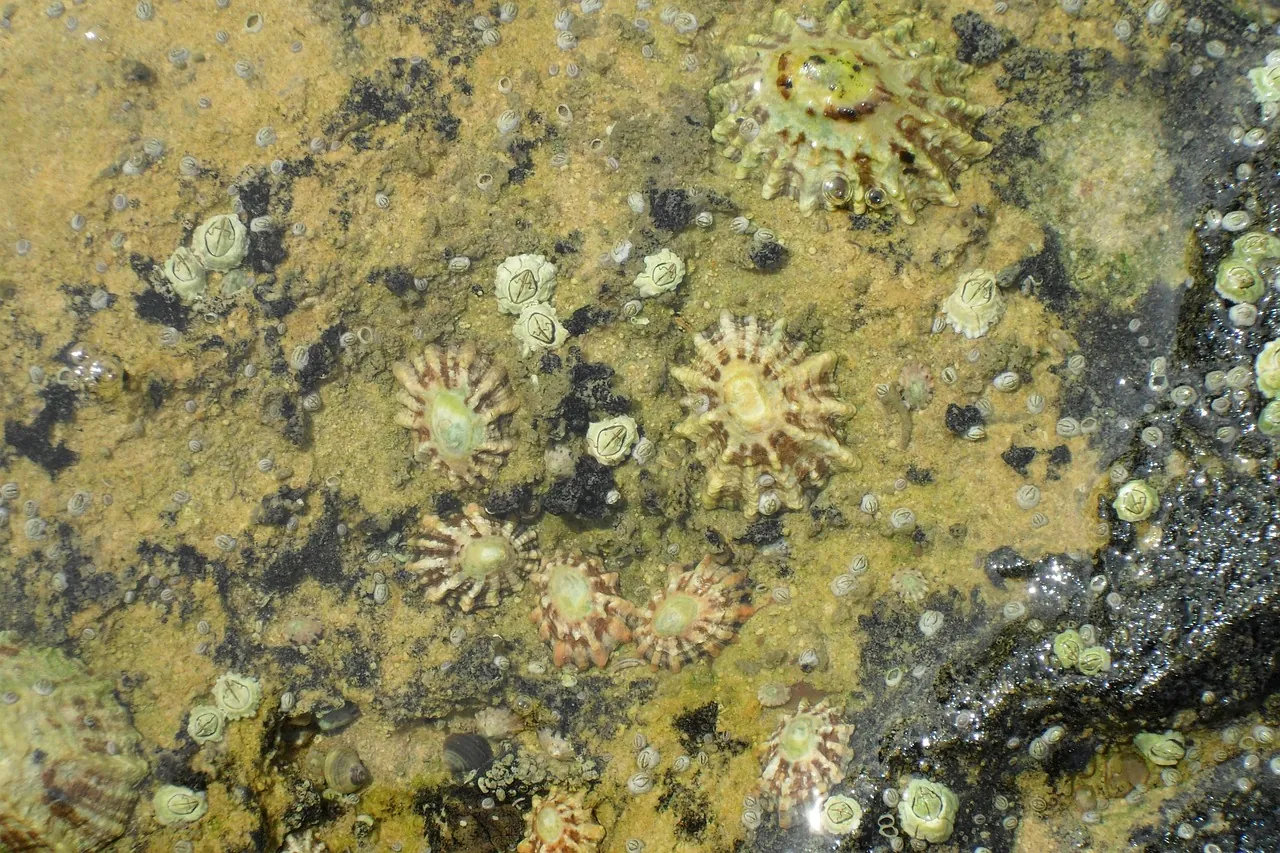
Limpets are small shell-like sea creatures commonly found attached to rocks along the Croatian coast.
They are actually marine snails that use their strong muscular foot to cling to rocks and survive waves and strong sea currents.
In some coastal parts of Croatia, locals eat them in various ways, most commonly grilled with olive oil and garlic. When freshly collected from clean sea areas, some people even eat them raw.
Snakelocks sea anemone
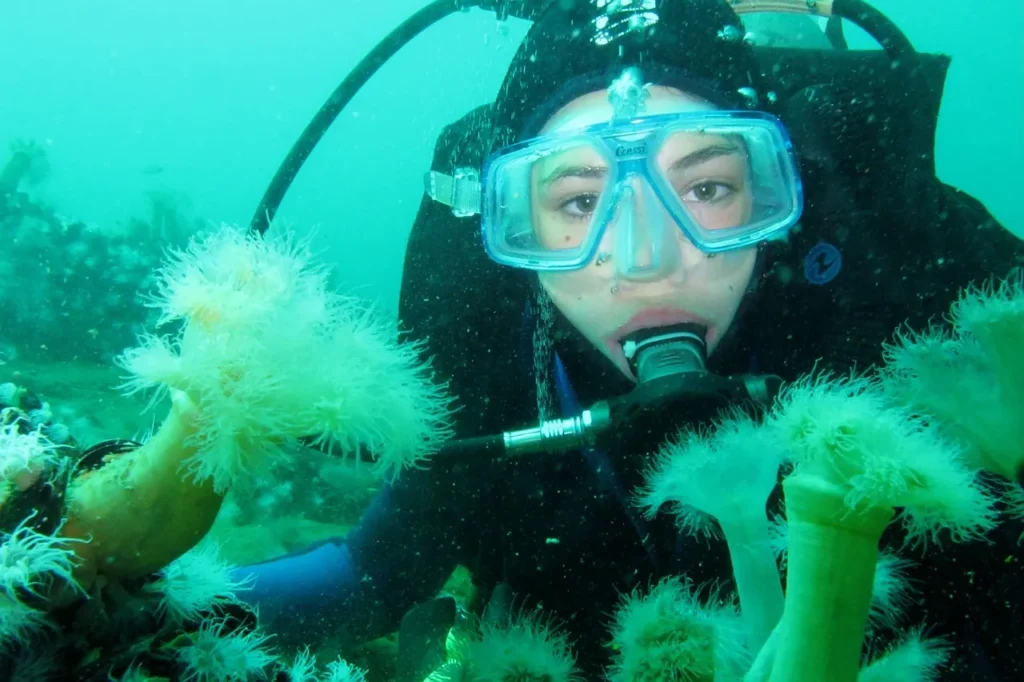
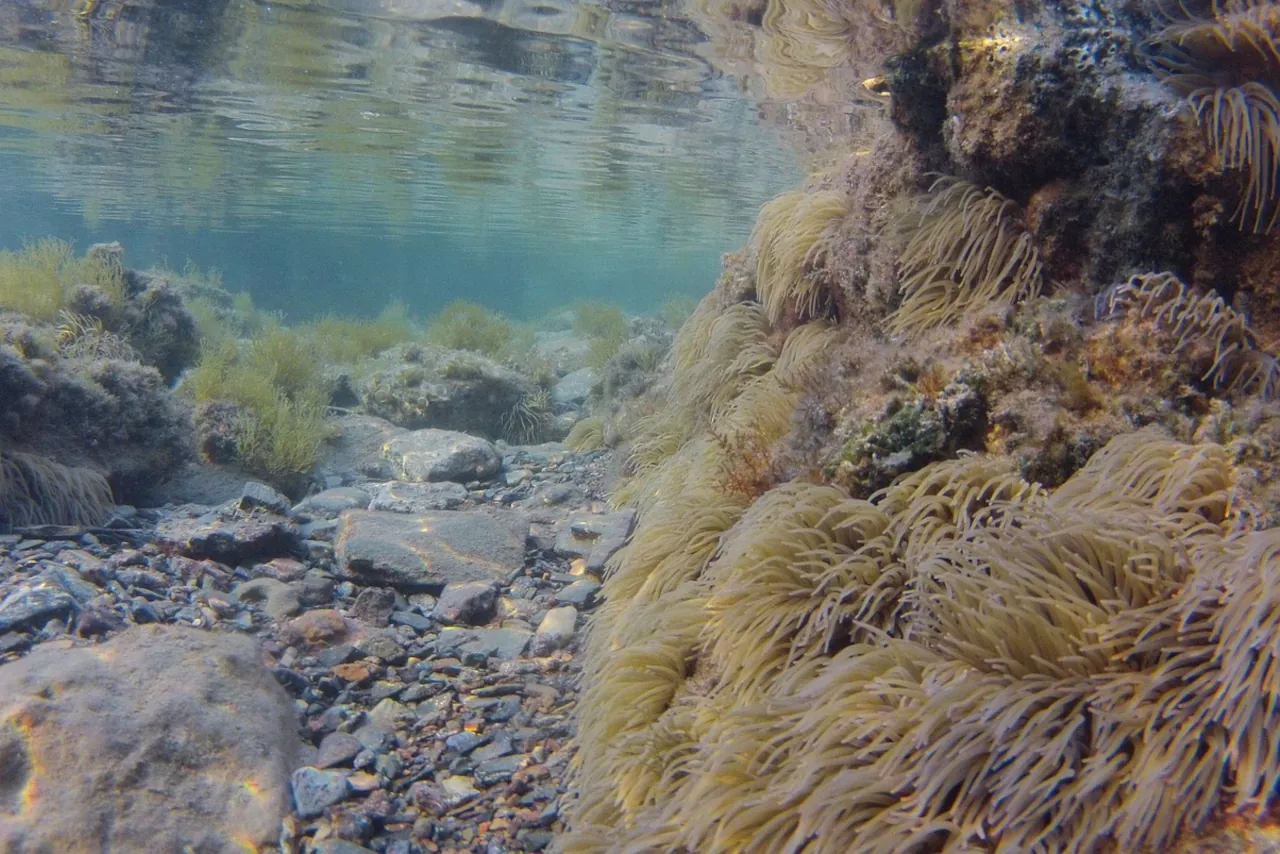
Attached to rocks in shallow water, the snakelocks sea anemone looks almost like an underwater plant with long tentacles moving gently with the sea current. Although it looks like a plant, it is actually a marine animal related to jellyfish and corals.
Its tentacles contain tiny stinging cells used to catch prey and may cause a mild stinging sensation in humans, although sensitive people can experience stronger irritation.
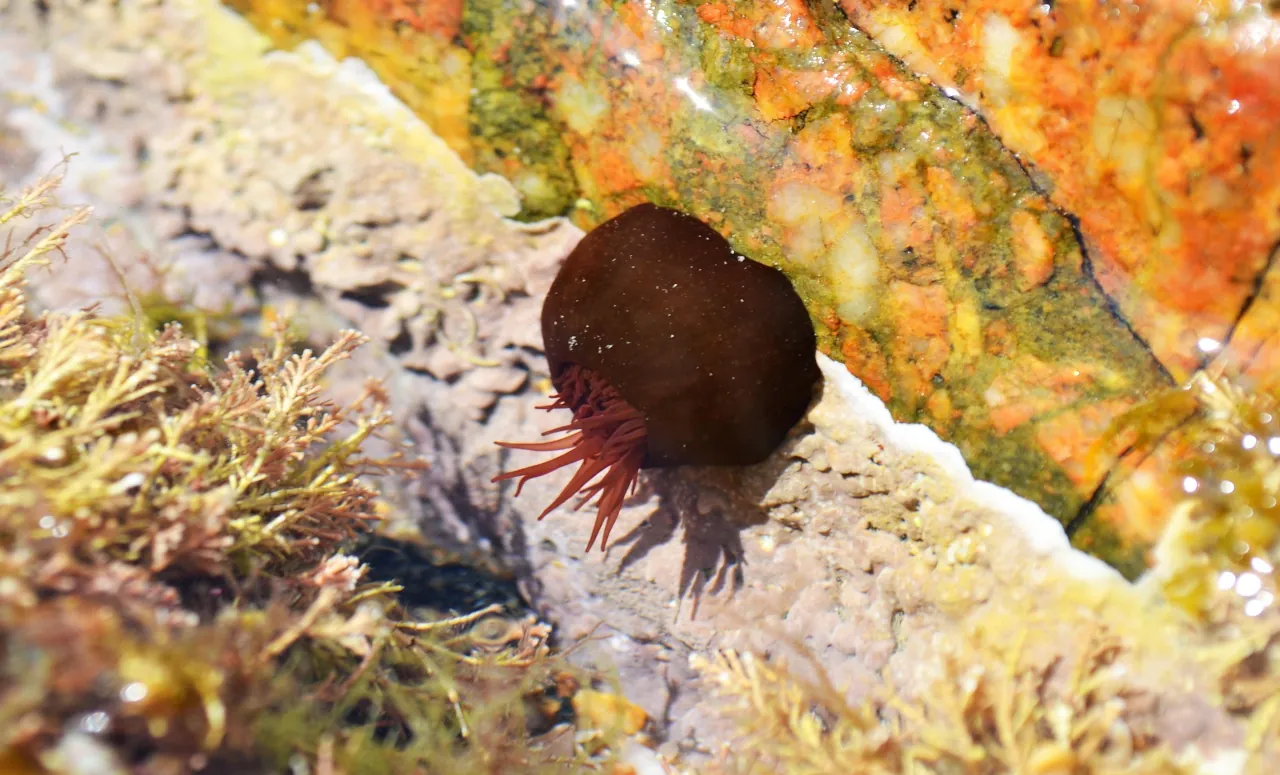
Another common species in the Adriatic is the beadlet anemone, which is often seen attached to coastal rocks. When closed, it looks like a smooth red ball, which is why many people mistake it for a jellyfish.
It can open short tentacles used to catch tiny prey carried by the sea current. Although touching it may cause mild skin irritation in sensitive people, it is generally harmless.
The next time you go swimming or snorkelling in the Croatian Adriatic, you’ll probably notice at least one of these creatures again. Hopefully, you’ll now recognise some of them and enjoy exploring the surprisingly diverse marine life of the Adriatic a little more.
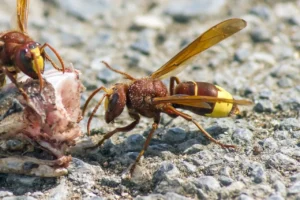
Not all unusual creatures people notice in Croatia live underwater. In recent years, species such as the Oriental hornet have also attracted attention along the Adriatic coast