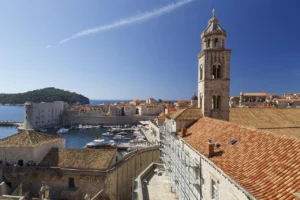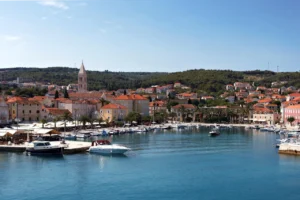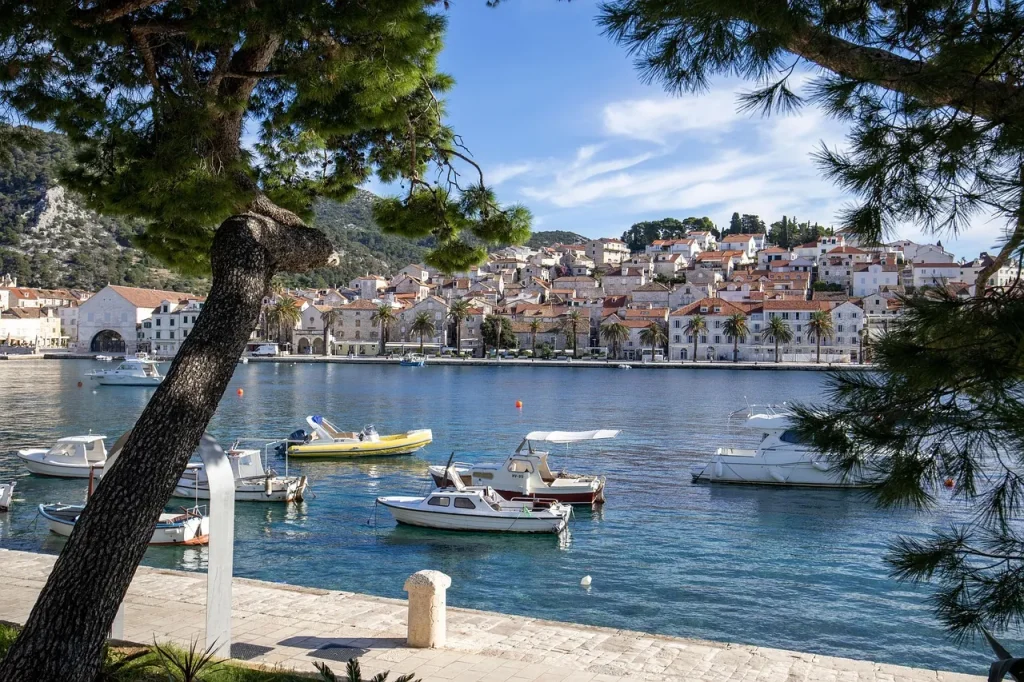
Croatia’s Adriatic coast is known for turquoise water, historic towns and a summer rhythm that feels easy and relaxed. It often looks like the kind of place where nothing can really go wrong. That impression is mostly true, but it can also be misleading.
If you are planning a trip, the question “Is Croatia safe for tourists?” usually comes up early. The honest answer is yes. Croatia is one of the safest coastal destinations in Europe when it comes to crime. Violent incidents are extremely rare and most visitors move around comfortably at all hours.
Where people do get into trouble has very little to do with crime and a lot to do with underestimating heat, terrain, alcohol, traffic and the sea.
This guide looks at safety on the Adriatic coast the way locals experience it, calm, realistic and without unnecessary fear.
This guide looks at safety on the Adriatic coast the way locals experience it. For a broader local perspective beyond postcard impressions, see Croatia Beyond the Postcards: Honest Things Locals Want Visitors to Understand.
Overall Safety on the Croatian Coast
In everyday life, safety is not something people in coastal towns think about much. Cities like Split, Zadar, Dubrovnik, Šibenik and Rovinj are safe to walk through day and night. Families, solo travelers and older visitors blend into daily life without issue.
The most common problems are not violent or threatening. They are practical: crowds, dehydration, lost belongings and exhaustion.
Crime exists, but it is not what defines risk here.
Daily life along the coast is shaped more by routine than caution, as explained in The Real Croatian Coast: How Locals Eat, Relax and Live Through Summer Days.
The sea is calm, but not harmless
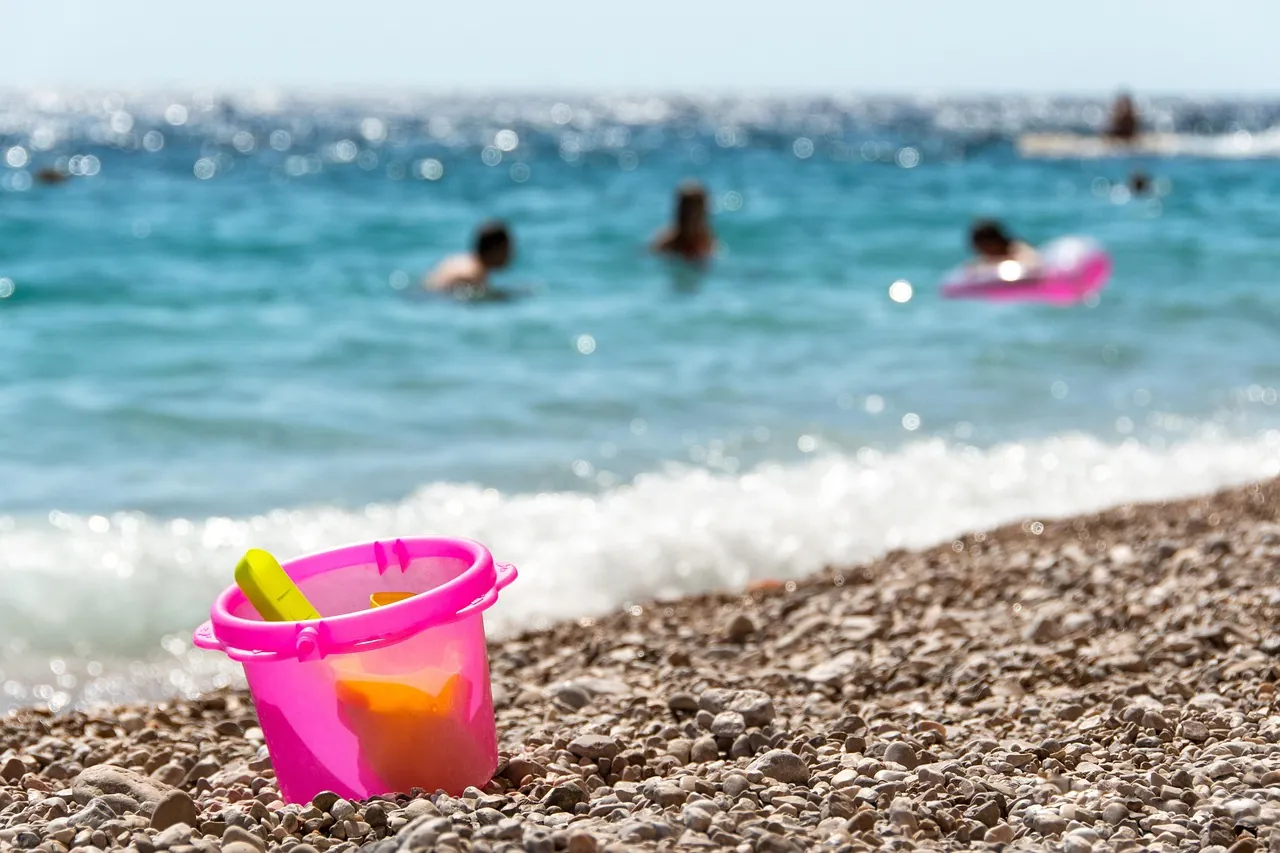
The Adriatic is one of the gentlest seas in Europe. There are no dangerous marine animals, no powerful ocean riptides and no sudden drops in temperature. This is why people feel comfortable in the water very quickly.
That comfort is also why problems happen.
People fall asleep on inflatable mattresses and wake up far from shore. They underestimate mild currents around headlands. They jump from cliffs without knowing the depth. They spend hours in the sun and ignore the first signs of heat exhaustion.
Sea urchins are not dangerous, but they are painful. Rocky entrances are common. Water shoes are not a tourist accessory here, they are practical gear.
A simple local rule applies: if locals are not swimming somewhere, there is usually a reason.
Safety in Coastal Towns
Coastal towns such as Split, Dubrovnik, Zadar, Šibenik and Rovinj are very safe to walk through at any time of day or night. Violent crime is extremely rare, and most visitors never feel threatened.
The one form of crime that does happen, especially in peak season, is pickpocketing.
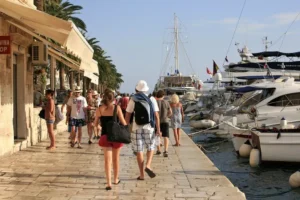
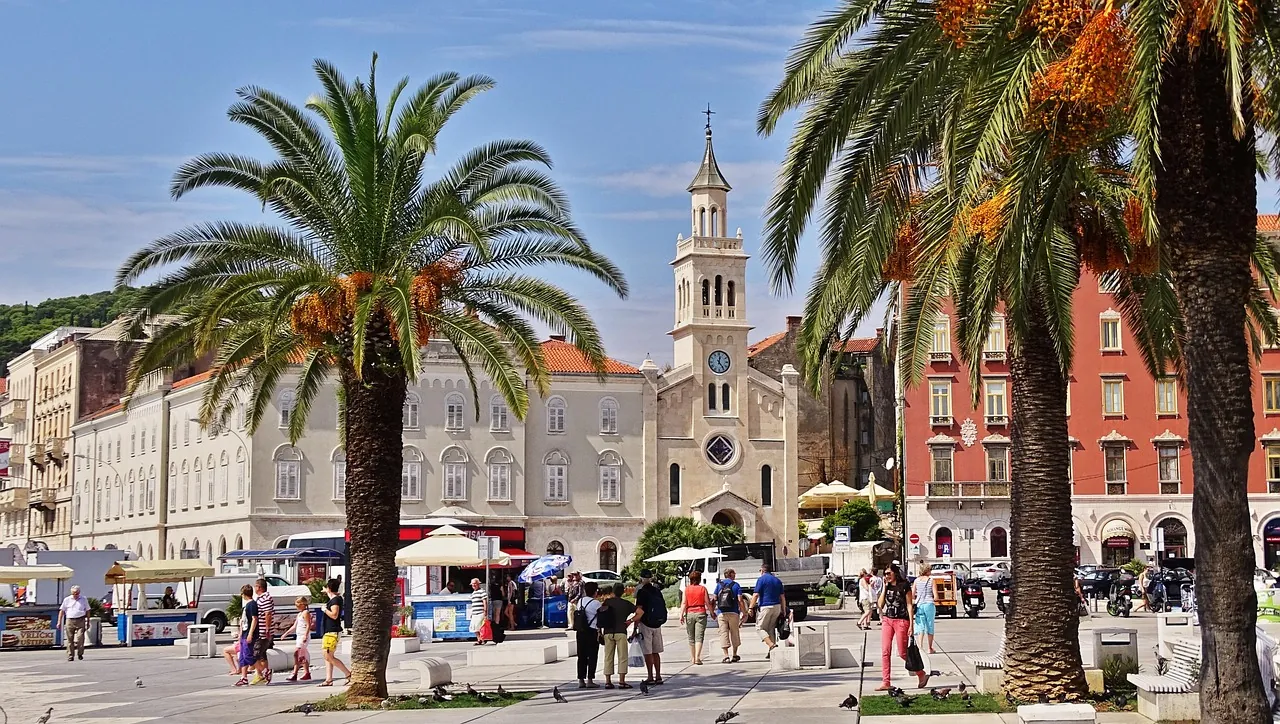
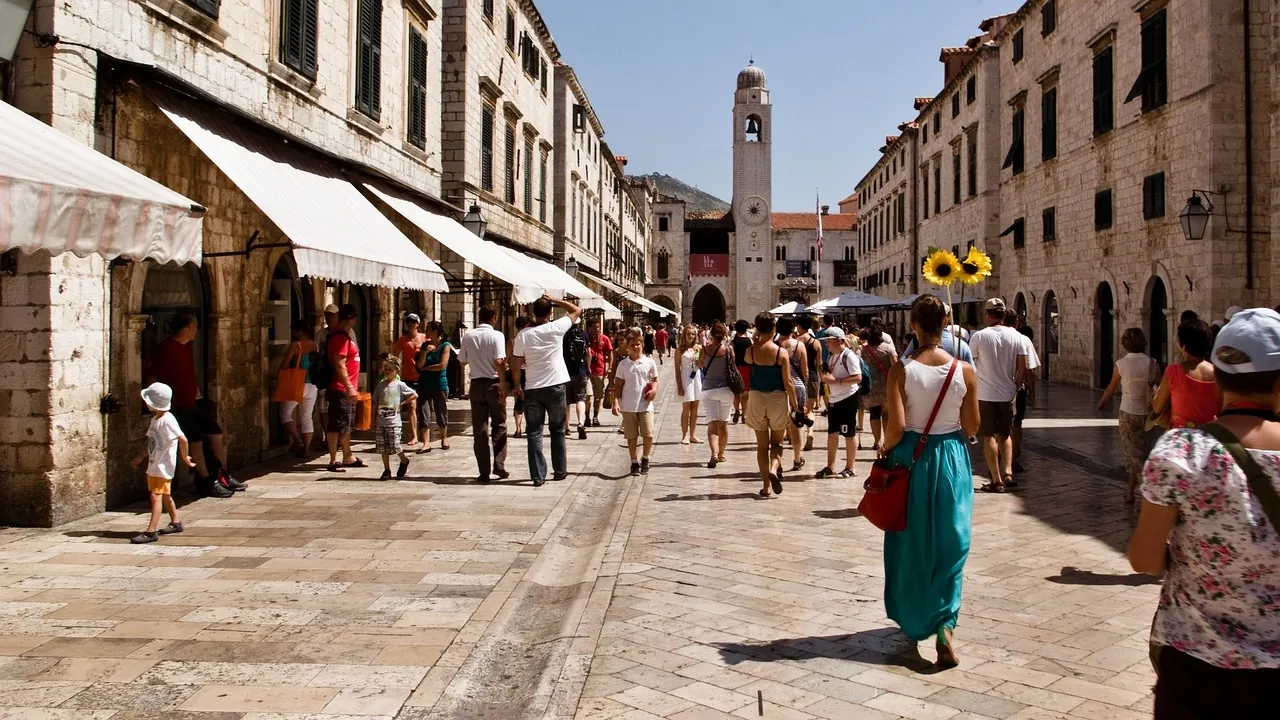
It is not aggressive or common, but it appears in predictable places: crowded old towns, busy promenades, public transport and tightly packed pedestrian streets. Dubrovnik’s Stradun, Split’s Riva and similar high-traffic areas attract opportunistic theft simply because of density, not danger.
Pickpockets here are not confrontational. They rely on distraction, open bags, phones left in back pockets and visitors who assume that “safe” means “no awareness needed.”
A few simple habits are enough: keep bags zipped in crowds, don’t leave phones on café tables near walkways and be especially aware in tightly packed tourist flows.
Locals rarely worry about crime, but they are attentive in crowds. Visitors who copy that behavior almost never have issues.
If you’re deciding what’s worth your time, see Dubrovnik’s Five Must-See Attractions (and 5 Popular Spots to Skip). If you’re planning time in Split, our local guide Three Days in Split: A Local Guide to Making the Most of Your Visit gives a realistic picture of daily movement through the city.
Towns at night: safe, but not consequence-free
Walking through coastal towns at night is generally safe. The main issue is not crime, but alcohol.
Most nighttime problems involve very drunk visitors, dehydration, arguments between tourists or confusion around taxis and transport. Harassment is uncommon, but nightlife hotspots can feel chaotic in peak season, mostly due to foreign party tourism rather than local behavior.
Official taxis and ride apps are safe. Problems usually come from unofficial drivers offering rides on the street. If someone approaches you with “cheaper than taxi,” that is your signal to walk away.
A real taxi in Croatia is easy to recognize. It has a roof light, a clearly visible taxi sign and a pricing sticker displayed on the side of the vehicle. The driver will not pressure you to get in and will not negotiate prices on the street.
Road and Transport Safety
Driving along the Adriatic coast is beautiful, but it demands attention. Roads are narrow, winding and busy in summer. Locals know every curve. Visitors often do not.
Scooters and quad bikes cause more tourist injuries than anything else. People underestimate wind, speed and sharp bends, especially in flip-flops and beachwear.
If the weather forecast mentions bura, a strong northerly wind, locals adjust their plans. Visitors who ignore it often end up shaken or injured.
Nature looks gentle, until it isn’t
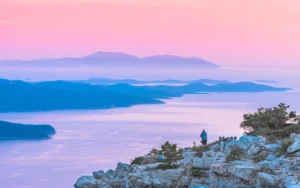
Croatia’s coastal hills and islands are not high, but they are rocky, exposed and hot. Shade is limited, and temperatures rise quickly.
Every summer, rescue teams respond to visitors who went for a “short walk” without water, proper shoes or a realistic sense of distance. Most of these situations are avoidable.
Locals plan walks early in the morning or late in the afternoon. They carry water even for short routes. They do not hike between late morning and mid-afternoon in peak summer.
The danger here is not wilderness, it is overconfidence.
Healthcare and emergencies
Croatia has a strong public healthcare system. Pharmacies are everywhere, clearly marked with a green cross and pharmacists are highly trained.
For cuts, sunburn, dehydration or minor injuries, a pharmacy is often the fastest and best first stop.
The emergency number is 112 and works from any phone. Response times in tourist areas are generally fast.
So, is Croatia safe for tourists?
Yes, very much so. But not because nothing ever goes wrong. It is safe because serious crime is rare and people generally look out for each other.
The real risks on the Adriatic coast are sun, sea, alcohol, traffic and false confidence. Visitors who adjust their pace, respect conditions and follow local habits rarely run into problems. Feeling safe in Croatia also comes from understanding how everyday life works once you arrive, from drinking tap water and paying in shops to internet acess, transport and everyday logistics. For a practical overview, see Practical Local Travel Tips for Croatia: Water, Money, Internet and Everyday Basics.
Croatia rewards awareness. When you plan around heat, crowds and local rhythms, safety becomes effortless. And once that clicks, the coast feels not only secure, but genuinely easy to experience,even on a realistic budget. A detailed breakdown of costs and timing is covered in Travelling Croatia on a Budget: A Real Look at Prices, Seasons and Smart Timing.
Frequently Asked Questions About Safety in Croatia
Is Croatia safe to walk around at night?
Yes. Coastal towns and old city centers in Croatia are generally safe to walk around at night. Most issues after dark are related to alcohol and crowds, not crime.
Is Croatia safe for women and solo travelers?
Yes. Croatia is considered very safe for solo travelers, including women traveling alone. Serious crime against tourists is rare.
What are the biggest safety risks for tourists in Croatia?
The most common risks are heat, dehydration, traffic accidents involving scooters and minor injuries related to rocky terrain or the sea.