This page answers the most common practical questions travellers have about Croatia. It’s designed for quick reading, with short, clear answers you can jump to.
Entry & Documents
Do I need a visa or ETIAS to visit Croatia?
Is Croatia part of the Schengen Area?
Can I enter Croatia with a Schengen visa?
How long can I stay in Croatia as a tourist?
Practical Basics
Is Croatia a good destination for first-time visitors?
Is English widely spoken in Croatia?
Can you drink tap water in Croatia?
Is internet reliable in Croatia?
Money & Payments
Is Croatia expensive to visit?
What currency is used in Croatia?
Can you travel Croatia on a budget?
Is Dubrovnik more expensive than the rest of Croatia?
Transport & Getting Around
Is it easy to travel between Croatian cities?
Can I travel around Croatia without a car?
How do ferries work in Croatia?
Do I need to book ferries in advance in Croatia?
Are there trains along the Croatian coast?
Planning & Timing
When is the best time to visit Croatia?
How many days do I need in Split?
What are the most common mistakes tourists make in Croatia?
Do I need a visa or ETIAS to visit Croatia?
It depends on your nationality. Many travellers can enter Croatia visa-free for up to 90 days within any 180-day period. From late 2026, visa-exempt visitors will also need ETIAS before arrival. Longer stays for work, study or remote work require a residence permit.
For more details, see: Do You Need a Visa for Croatia in 2026? Rules for Tourists, Digital Nomads and Long Stays
Is Croatia part of the Schengen Area?
Yes. Croatia joined the Schengen Area in January 2023. This means there are no internal border checks when travelling from other Schengen countries, and the 90/180-day rule applies across the entire Schengen zone.
Can I enter Croatia with a Schengen visa?
Yes. A valid Schengen visa generally allows entry into Croatia for short stays under the same 90/180-day rule. Border authorities may still verify that you meet all entry conditions.
How long can I stay in Croatia as a tourist?
Most visa-free travellers and Schengen visa holders can stay in Croatia for up to 90 days within any 180-day period. This limit applies across the entire Schengen Area, not per country.
Is Croatia a good destination for first-time visitors?
Yes. Croatia is safe, well-organised and easy to navigate once you understand a few local travel basics. Most difficulties first-time visitors experience come from unrealistic itineraries rather than the destination itself.
For more details, see: Common Mistakes Tourists Make in Croatia (and How to Avoid Them)
Is Croatia safe for tourists?
Yes. Croatia is considered one of the safest countries in Europe for travellers. Violent crime is rare and most visits are trouble-free. Common sense precautions apply, especially in crowded tourist areas.
For more details, see: Is Croatia Safe for Tourists? An Honest Look at the Adriatic Coast
Is English widely spoken in Croatia?
Yes. English is widely spoken, especially in tourist areas, hotels, restaurants and transport services. Younger generations in particular speak English fluently.
Can you drink tap water in Croatia?
Yes. Tap water is safe to drink throughout Croatia, including cities, islands and rural areas. The country relies on protected karst water sources and has very high water quality standards. Bottled water is widely available but not necessary.
For more details, see: Practical Local Travel Tips for Croatia (Water, Money, Internet & Everyday Basics)
Is internet reliable in Croatia?
Yes. Internet coverage is strong in cities and tourist areas, and most accommodation offers Wi-Fi. Mobile data is reliable, and EU visitors can use roaming under standard EU rules.
Is Uber available in Croatia?
Yes. Uber operates in major cities and tourist areas including Zagreb, Split and Dubrovnik. In smaller towns and on some islands, availability may be limited and local taxis are often used instead.
Is Croatia expensive to visit?
Croatia is not a cheap destination, especially during peak summer in popular coastal towns. Outside July and August, prices drop and overall value improves significantly. How expensive Croatia feels depends mostly on timing, location and travel style rather than fixed costs.
For more details, see: Is Croatia Expensive? Real Travel Costs, Explained by a Local
What currency is used in Croatia?
Croatia uses the euro (EUR). The country adopted the euro in 2023. Cards are widely accepted, but carrying some cash is still recommended in smaller towns and on some islands.
Can you travel Croatia on a budget?
Yes, but only with realistic planning. Croatia is not a low-cost destination, especially in summer, but smart planning, travelling outside peak season and avoiding the most expensive areas can make a noticeable difference to overall costs.
For more details, see: Travelling Croatia on a Budget: A Real Look at Prices, Seasons and Smart Timing
Is Dubrovnik more expensive than the rest of Croatia?
Yes. Dubrovnik is one of the most expensive places in Croatia, particularly in summer and inside the Old Town. Prices reflect demand and location rather than overall travel costs in Croatia. Staying outside the centre and planning visits carefully makes a noticeable difference.
For more details, see: Is Dubrovnik Expensive? What to Expect and How to Avoid Overpaying
Do I need cash in Croatia?
Yes, it’s a good idea to carry some cash. Cards are widely accepted in cities and tourist areas, but small cafés, bakeries, markets and some islands still operate cash-only.
For more details, see: Practical Local Travel Tips for Croatia (Water, Money, Internet & Everyday Basics)
Is it easy to travel between Croatian cities?
Yes, but it depends on how you plan. Buses connect most cities reliably, while ferries and catamarans link the coast and islands. Travel is straightforward once you understand distances, schedules and seasonal differences.
Can I travel around Croatia without a car?
Yes, but planning matters. Buses, ferries and catamarans cover most routes, but connections can be slow or limited, especially on islands. Travelling without a car works best with realistic itineraries.
For more details, see: Travelling Without a Car in Croatia: What Actually Works and What Doesn’t
How do ferries work in Croatia?
Croatia has an extensive ferry and catamaran network connecting the mainland and islands. Tickets are usually bought online or at the port, and schedules change by season. Planning ahead is important, especially in summer.
For more details, see: Croatian Ferry System Explained: Cars, Catamarans, Tickets and Boarding
Do I need to book ferries in advance in Croatia?
Often yes, especially in summer. Popular routes and island connections can sell out, particularly for foot passengers on catamarans and for cars on ferries. Outside peak season, booking is more flexible but still recommended for longer routes.
Are there trains along the Croatian coast?
No. There is no railway line connecting most coastal cities. Croatia’s rail network is limited and does not run along the Adriatic coast. Buses and ferries are the main forms of intercity transport.
For more details, see: Trains in Croatia: Routes, Rail Map, Tickets and What to Expect
When is the best time to visit Croatia?
The best time depends on what you are looking for. May, June, September and early October offer the best balance of good weather, fewer crowds and more reasonable prices. July and August are the busiest and most expensive months, especially on the coast.
How many days do I need in Split?
Three days can work if you plan realistically. Split is compact but layered, combining history, daily life and nearby excursions. Rushing through highlights often leads to disappointment.
For more details, see: Three Days in Split: A Local Guide to Making the Most of Your Visit
Common mistakes tourists make in Croatia?
Underestimating distances, overloading itineraries and assuming ferries work like city transport are among the most common mistakes. Many issues come from planning Croatia as a checklist rather than a living country.
For more details, see: Common Mistakes Tourists Make in Croatia (and How to Avoid Them)
Didn’t find the answer you were looking for?
If there’s a question about travelling in Croatia that isn’t covered here, feel free to get in touch. We regularly update this page based on real traveller questions.
READ NEXT
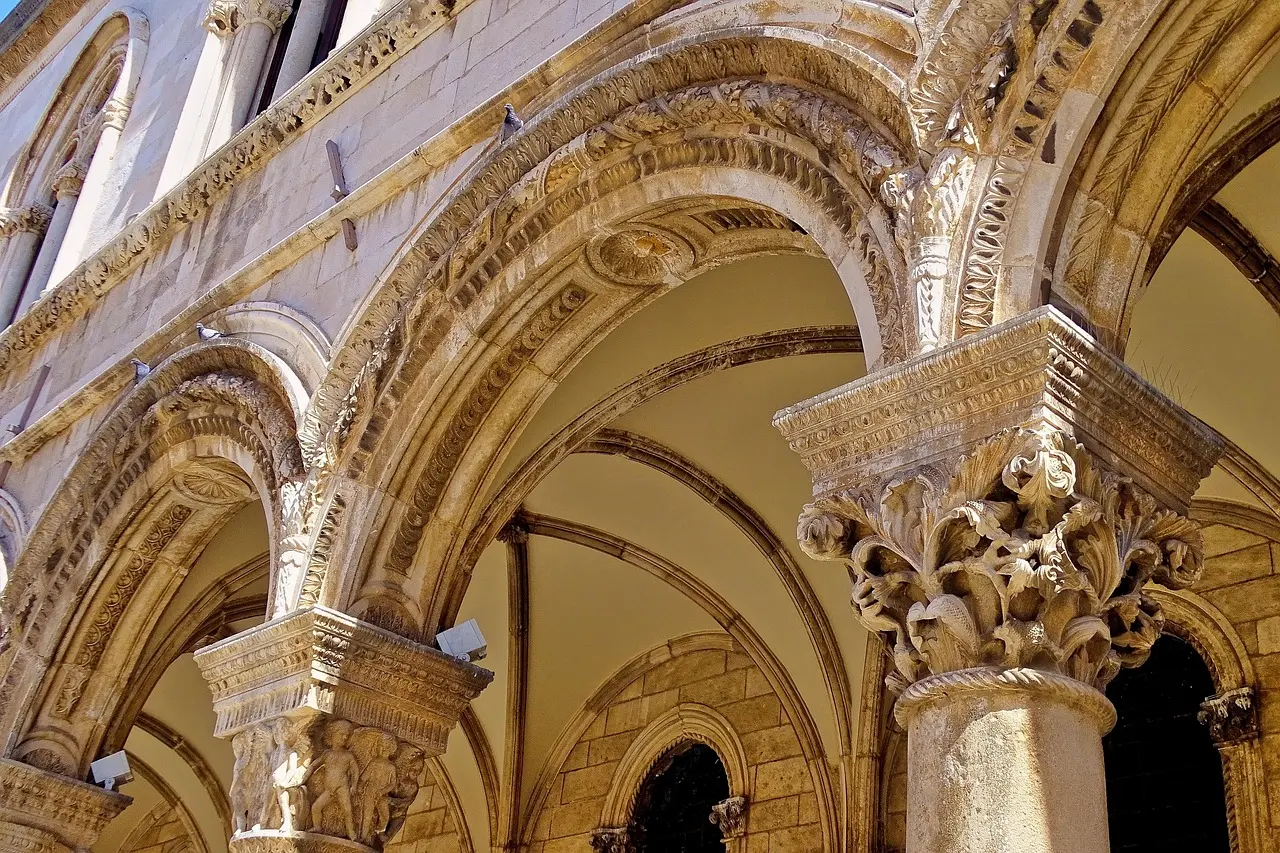
New Šibenik State Archive to Open During European Heritage Days
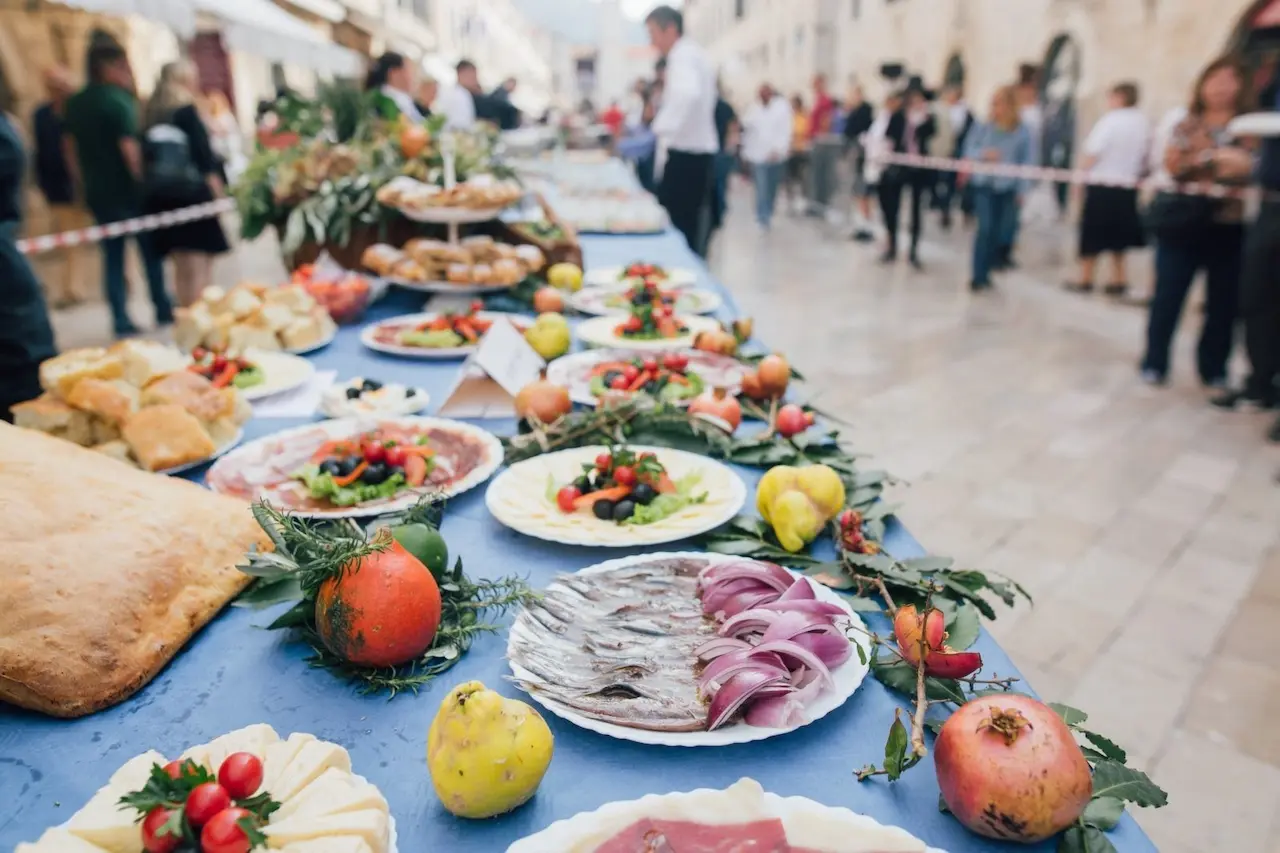
Dubrovnik Good Food Festival Returns With Two Weeks of Food, Workshops and Local Traditions

Istria Named the World’s Best Olive-Growing Region for the Tenth Time

Hidden Portrait Discovered Beneath Historic Painting in Dubrovnik
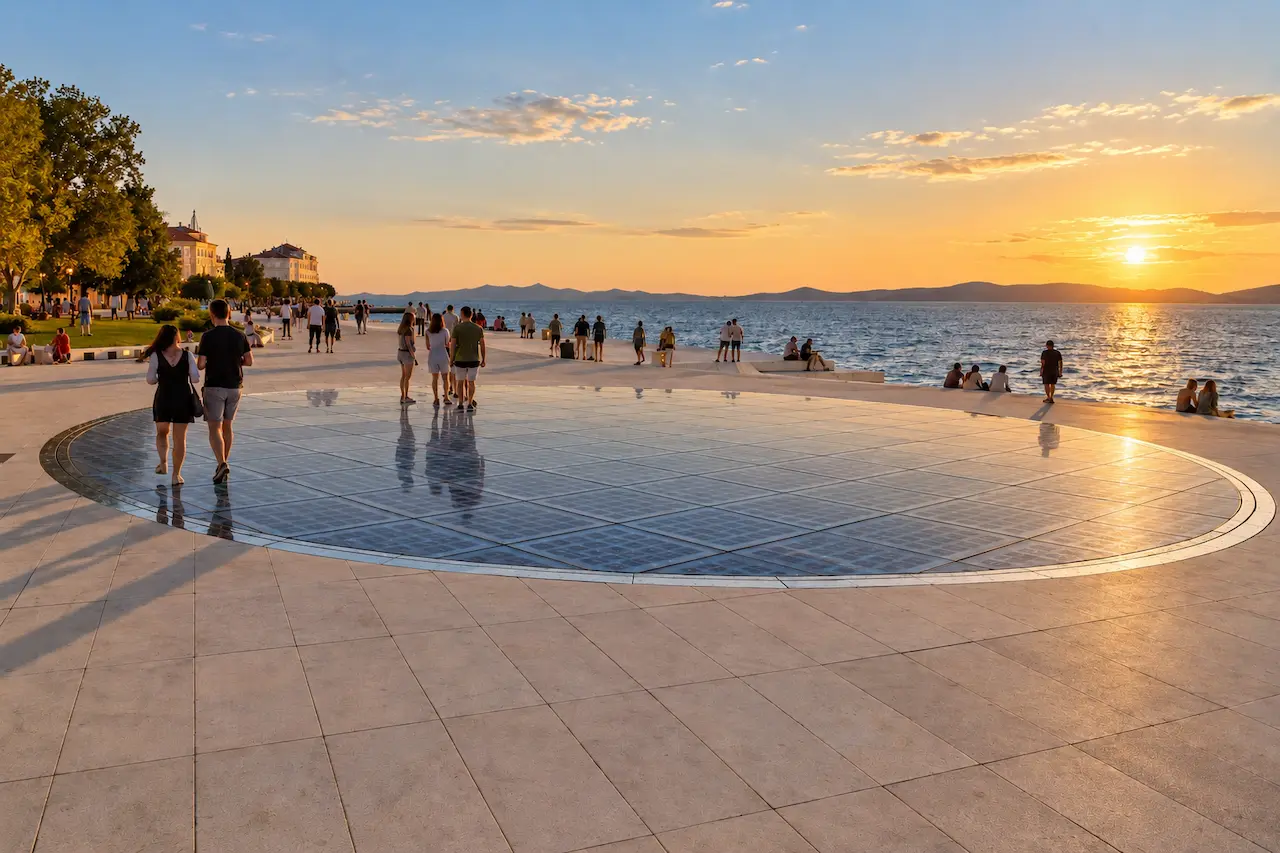
Zadar Shortlisted for European Capital of Tourism 2027
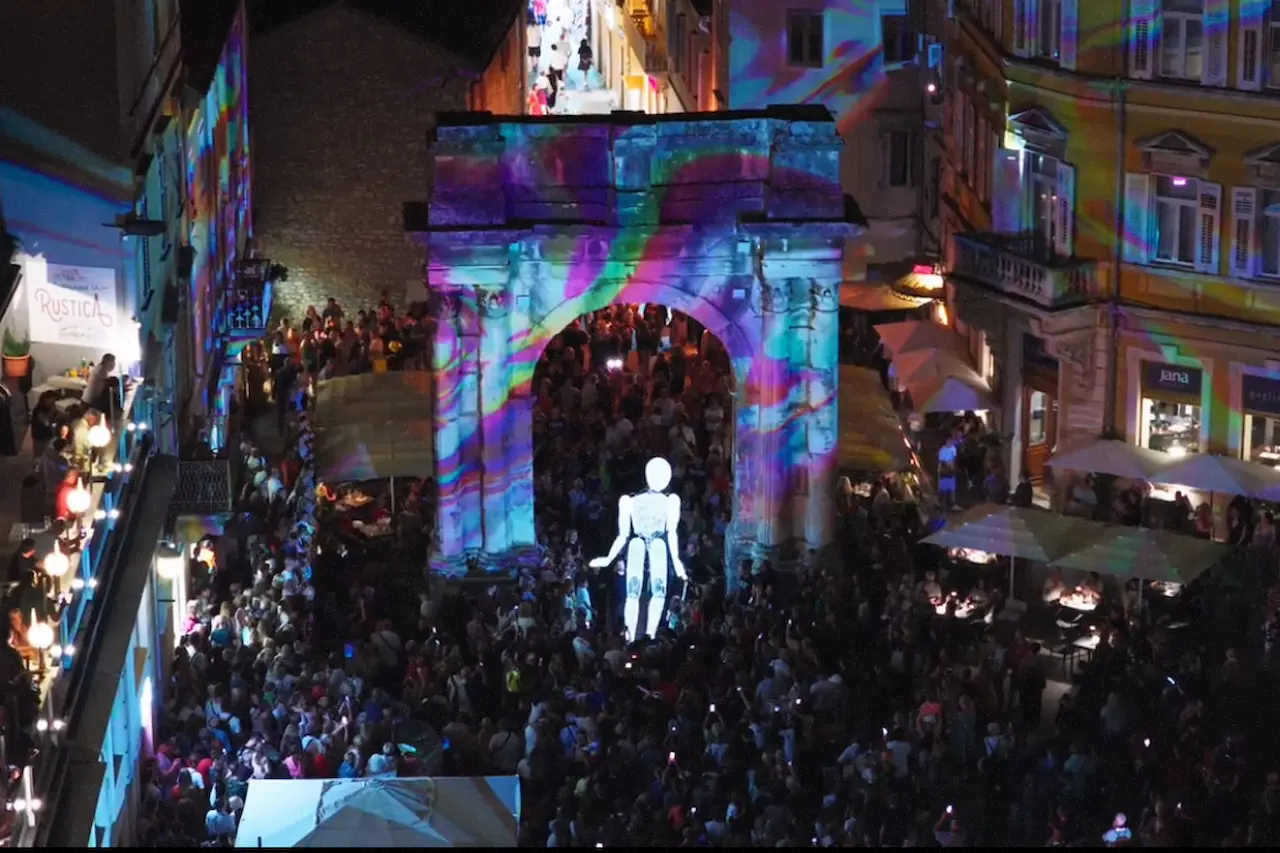
Pula to Glow After Dark With 23 Light Installations Across the City

Do You Need Cash in Croatia?

Croatia to Italy Ferry Cancellations Extended Until September 21
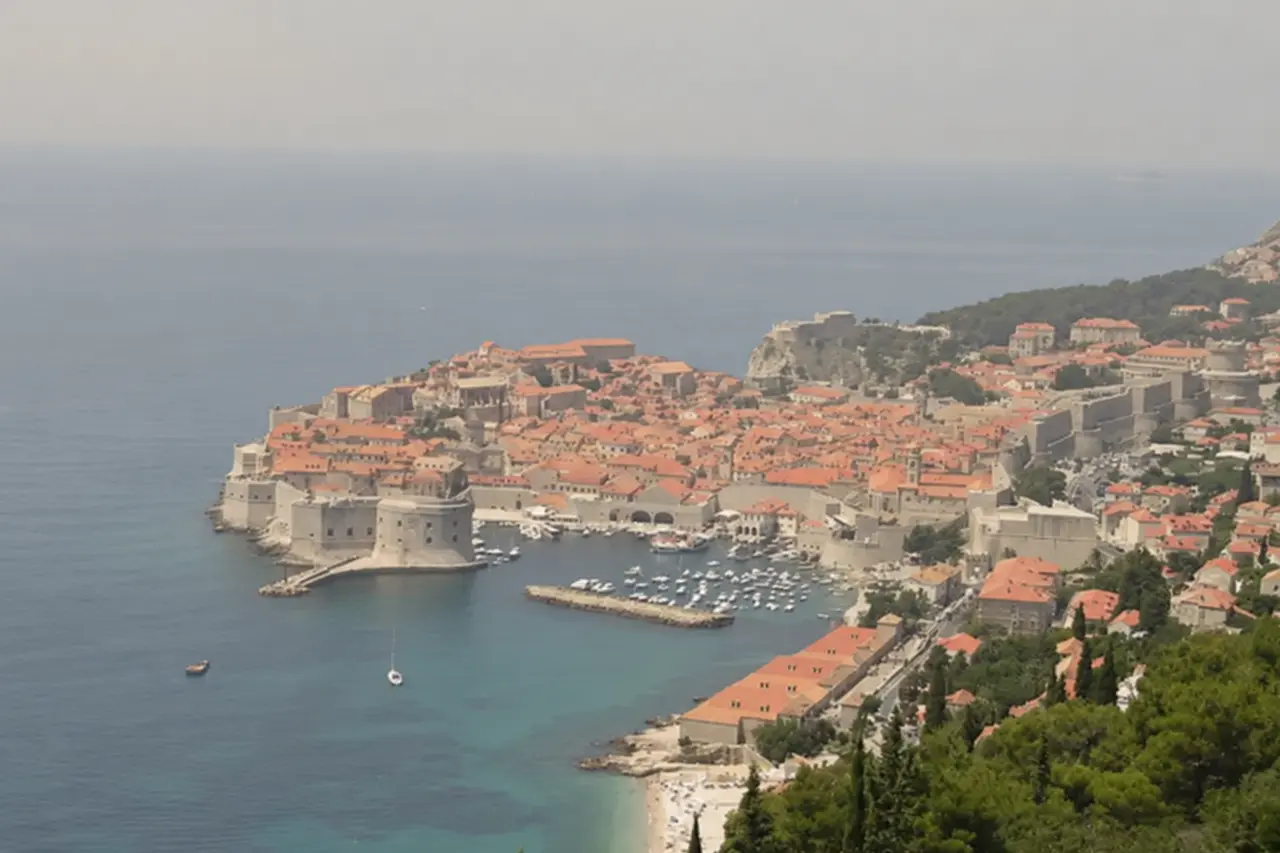
Bosnia Wildfires Burn Across 14,000 Hectares, Air Quality Remains Poor in Parts of Dalmatia
