Croatia is often imagined as an Instagram-perfect destination, especially by first-time visitors planning a trip to the Adriatic coast.
Many of these expectations don’t come from bad research, but from social media, short videos, and travel summaries that focus on how Croatia looks, not how it actually works day to day. This gap between image and experience lies at the heart of many Croatia tourist expectations vs reality, especially for first-time visitors.
This article breaks down the most common tourist expectations about Croatia, and how they compare to reality once you arrive.
Expectation: “Croatia is a cheap and underdeveloped Balkan country”
Reality: Croatia is a modern EU country, and prices depend heavily on timing and location.
Many visitors still associate Croatia with war, post-war recovery, or the idea of a country “in transition”. What is often overlooked is that the war ended over 30 years ago and that Croatia has long been fully integrated into the European Union.
Croatia can feel affordable in some situations and surprisingly expensive in others. Summer prices on the coast, especially in popular towns, are not low. Accommodation, transport, and restaurants reflect short seasons and very high demand.
Dubrovnik is a good example. With over a hundred years of tourism tradition, it has never been a cheap destination, which we explain in detail in Is Dubrovnik Expensive? What to Expect and How to Avoid Overpaying.
Expectation: “It’s a small country, everything is close and easy to reach”
Reality: Distances do matter, but in Croatia, geography and transport matter far more than they seem on a map.
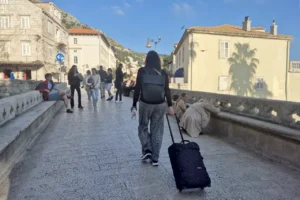
From the outside, Croatia looks compact. In reality, the coastline is long, the islands are spread out, and travel time depends heavily on ferries, traffic, and seasonal schedules.
A short distance on Google Maps doesn’t always translate into a quick or simple journey. Island travel, in particular, requires planning. Understanding how ferries work and what they actually connect makes a big difference, as explained in Croatian Ferry System Explained: Cars, Catamarans, Tickets and Boarding.
Expectation: “You can see everything in a short time”
Reality: rushing usually means missing what makes places interesting.
Many visitors try to fit several towns, islands, and major sights into just a few days. The intention is good, but the result is often surface-level.
Split becomes a checklist of landmarks. Dubrovnik turns into an endless loop through the old town. Islands turn into constant movement instead of time spent swimming, resting, and simply being by the sea.
This approach is the opposite of how locals experience the coast and often leads to the very frustrations visitors hope to avoid. Many of these patterns come from common planning mistakes, which we break down in Common Mistakes Tourists Make in Croatia (and How to Avoid Them).
Expectation: “Locals are always relaxed, welcoming, and grateful for tourism”
Reality: locals are living normal lives, and most have nothing to do with tourism.
There is a common assumption that everything on the coast revolves around tourism and that locals should always be relaxed, smiling, and available because visitors are on holiday.
In reality, most Croatians do not work in tourism. They have regular jobs and routines and summer often makes daily life more demanding, not more relaxed.
Locals value relaxation, but on their own terms, not as something they are expected to perform. To better understand everyday life on the Croatian coast, see The Real Croatian Coast: How Locals Eat, Relax, and Live Through Summer Days.
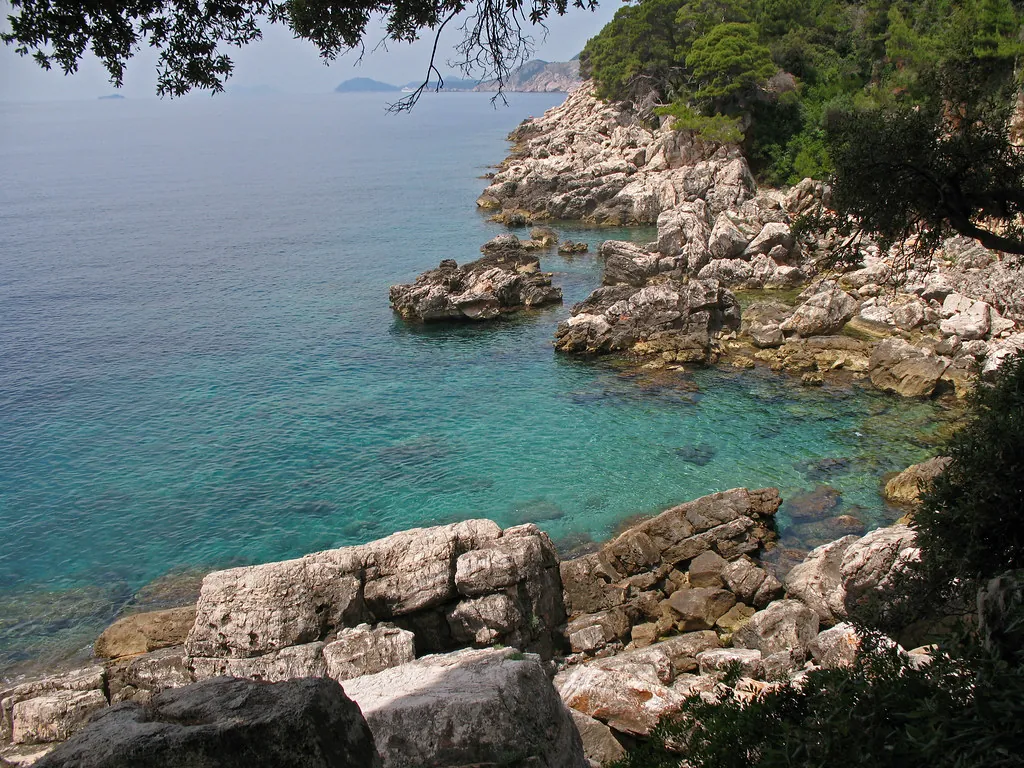
Expectation: “The Croatian coast is one long sandy beach”
Reality: Most beaches are natural, which often means rocky or pebble
Croatia’s coastline is mostly rocky, and the majority of beaches are natural, typically pebble or rocky rather than sandy.
The coast isn’t less beautiful because of this. It’s simply different from destinations built around long, artificial sandy beaches.
It’s also worth knowing that all beaches in Croatia are public. There is no such thing as private beaches.
Expectation: “Service in restaurants works the same as everywhere”
Reality: Croatian service is usually unhurried and unobtrusive.
Many visitors expect frequent check-ins and constant attention from staff. In Croatia, restaurant service works differently.
Waiters will usually let you eat and drink in peace, stepping in when you ask for something rather than hovering around the table. Once visitors understand this, dining often becomes more enjoyable instead of frustrating.
Expectation: “It’s a Balkan country, so safety might be an issue”
Reality: Croatia is one of the safest countries in Europe.
Despite outdated associations with instability, Croatia consistently ranks as a very safe destination. Violent crime is rare, and most visitors feel comfortable walking around cities and coastal towns at all hours.
For first-time visitors, safety is rarely a real concern once they arrive. We look at this in more detail in Is Croatia Safe for Tourists? An Honest Look at the Adriatic Coast.
Expectation: “Historic towns are just tourist backdrops”
Reality: historic towns are lived-in cities, not open-air museums.
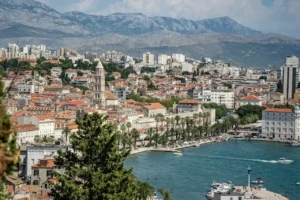
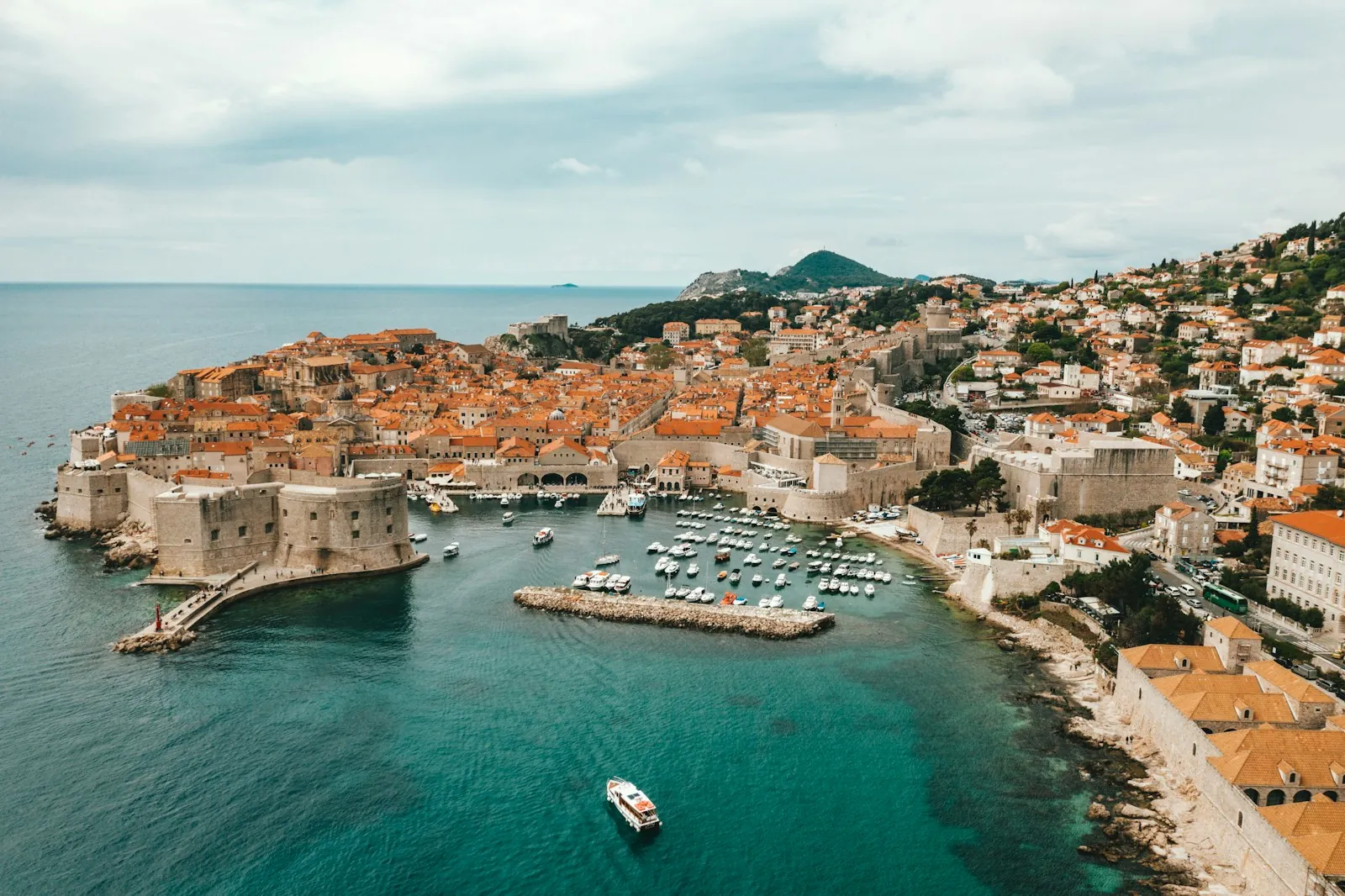
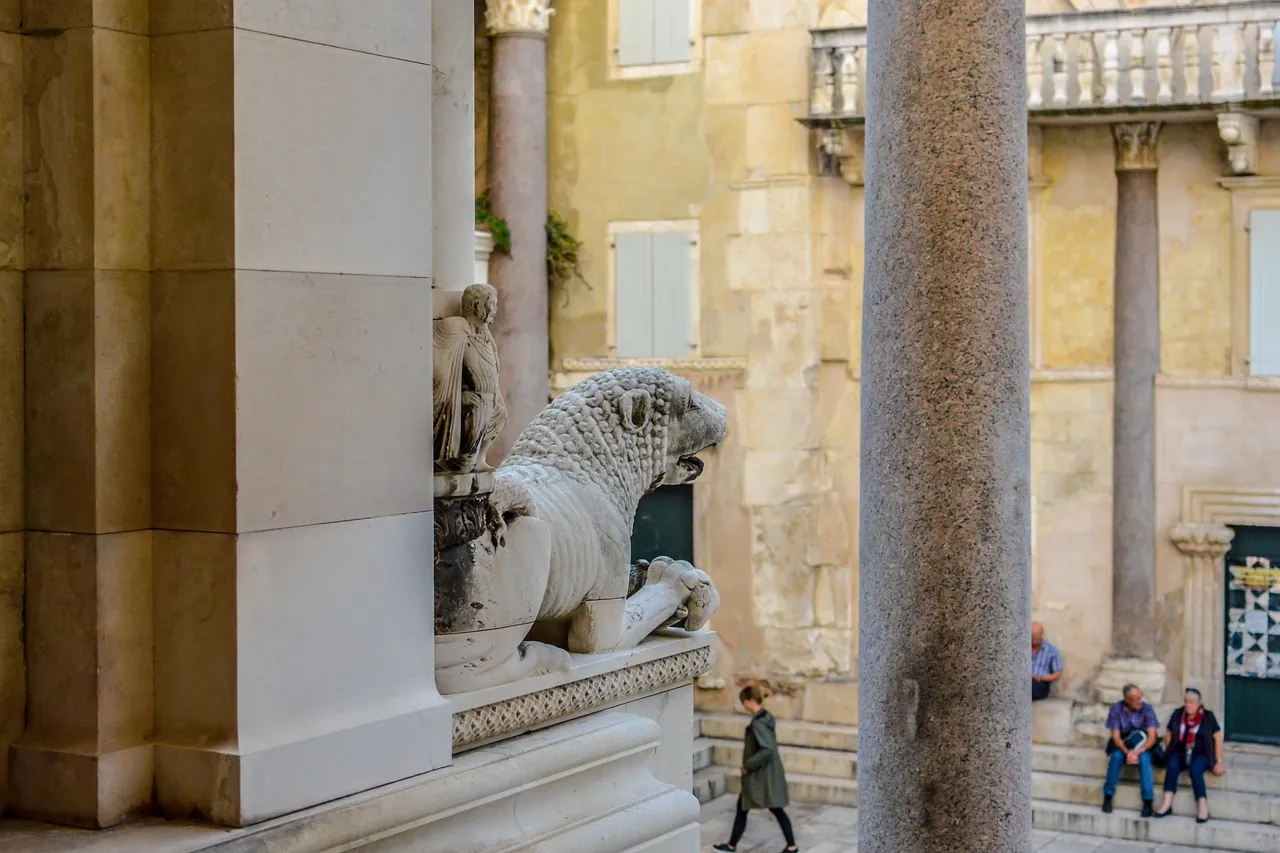
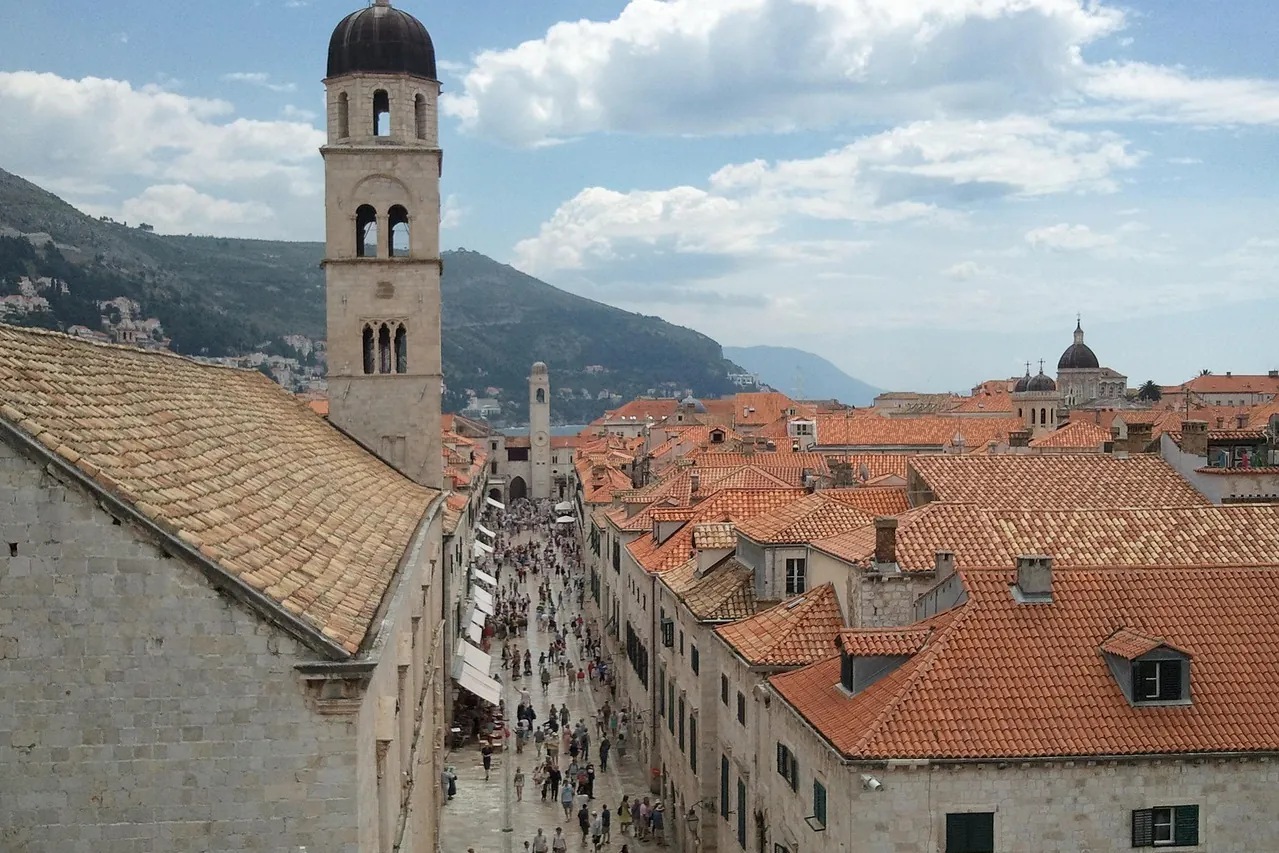
Places like Dubrovnik, Split, or Šibenik may look like carefully preserved sets, but they are real cities where people live, work, and raise families, including within historic old towns.
Tourism is visible, but it doesn’t define everything. Treating historic towns as scenery often leads to misunderstandings. For a more local perspective, see Croatia Beyond the Postcards: Honest Things Locals Want Visitors to Understand.
Expectation: “All islands are similar, quiet and easy to hop between“
Reality: island hopping requires planning, and islands are far from interchangeable.
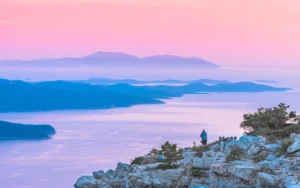
Croatia is heavily promoted as an island-hopping destination, which leads many visitors to expect they can move freely from island to island every day. In reality, ferry schedules, distances, and connections largely determine what is actually possible.
Beyond logistics, islands differ as much as cities do. Some are densely populated and well connected, while others have small communities, limited infrastructure, or services that operate only seasonally.
Choosing the right island often matters more than hopping between several. This is why we explain island differences in Which Croatian Island Should You Visit First? A Simple Guide to Making the Right Choice
Expectation: “Popular destinations are crowded only in July and August”
Reality: tourist season in Croatia is longer than most people expect.
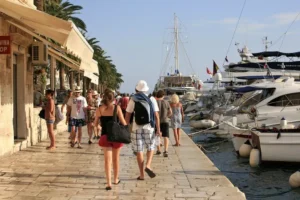
In popular coastal destinations, crowds often begin as early as May. On the Dalmatian coast in particular, high season reliably runs from June through September.
Knowing this makes a real difference when planning a trip, whether the goal is avoiding crowds, managing costs, or choosing the right time to visit. A practical overview of these basics is covered in Planning a Trip to Croatia: The Basics You Need to Know First.
Funny things tourists say about Croatia (that aren’t quite true)
Myth: Croatia is a poor, post-communist country stuck in the 1990s
Reality: It was. About 30 years ago.
Myth: People live like in medieval times (and even dress like it)
Reality: Daily life is modern. Clothes too.
Myth: People in Croatia still ride horses and drive old Soviet cars
Reality: Sadly no. Mostly German cars and traffic jams.
Myth: Historic structures are put up only for tourists and put away after the season
Reality: Massive stone structures don’t really work like IKEA furniture
Myth: You can bargain for everything
Reality: Prices are fixed. But feel free to try – at the very least, you’ll entertain the staff.
Myth: Locals are mesmerized by tourists, and anything is allowed
Reality: Not really. People are just going about their day.
Myth: Spending summer in Croatia means being off-grid
Reality: Internet works better than people expect, even on remote locations.
Myth: You can pet dolphins in Croatia
Reality: Dolphins are wild sea creatures and you can’t get close to them. But you might spot them from a boat.
For practical questions people usually ask while planning, see our Croatia Travel FAQ.