One of the most common questions people ask when planning a trip is how many days in Croatia they actually need.
The honest answer is that there is no perfect number. Some travellers are happy spending a week moving between islands and cities, while others prefer staying in one place for days at a time. Some want beaches and nightlife, others are more interested in food, national parks or slower coastal towns.
Croatia can work well as a short 3–5 day trip, but it can also easily fill two weeks without feeling repetitive.
Croatia in 3–5 days
If you only have a few days in Croatia, the best thing you can do is choose one base and stay there.
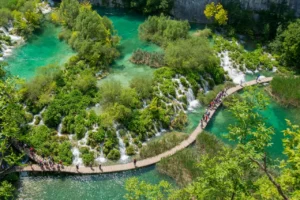
Trying to combine Dubrovnik, Split, islands and Plitvice Lakes in four or five days usually turns into a transport-heavy trip where much of the holiday disappears between buses, ferries, airports and accommodation check-ins.
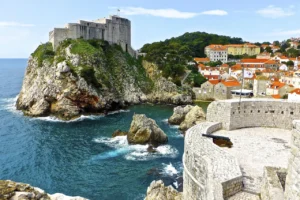
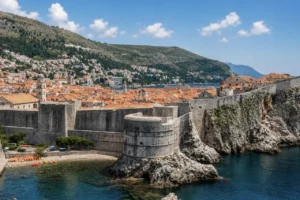
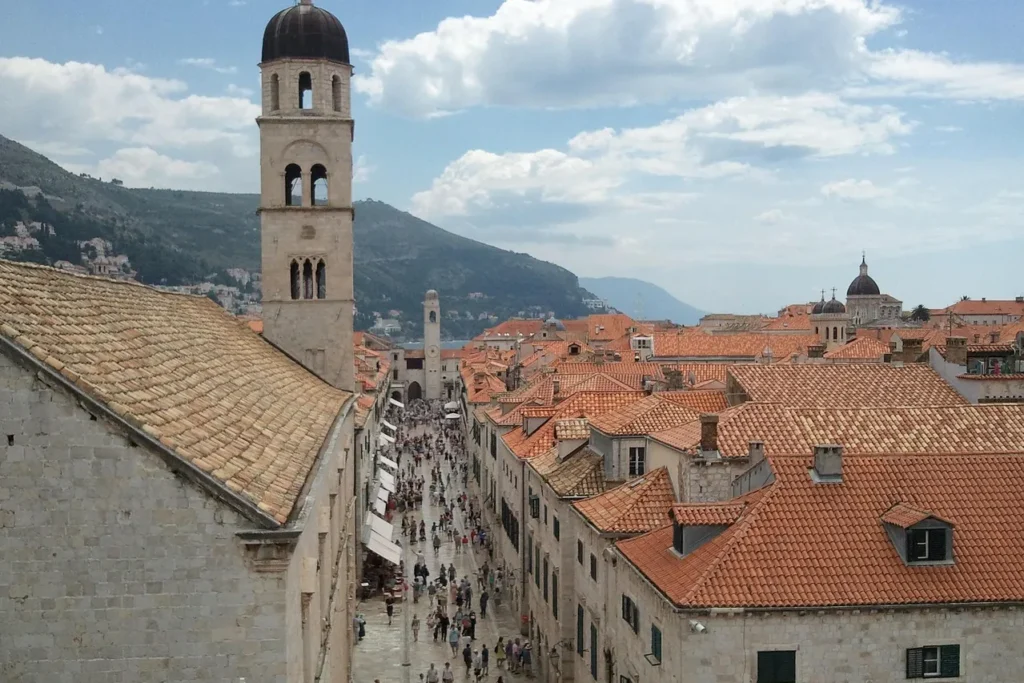
For shorter trips, Dubrovnik works surprisingly well. You can spend several days there without feeling rushed because the Old Town itself is compact and easy to combine with beaches, Lokrum Island, viewpoints and slower evenings inside the city walls.
If you are planning Dubrovnik for the first time, our Dubrovnik Travel Guide explains where to stay, how much time you realistically need and what first-time visitors usually underestimate.
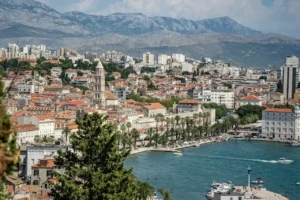
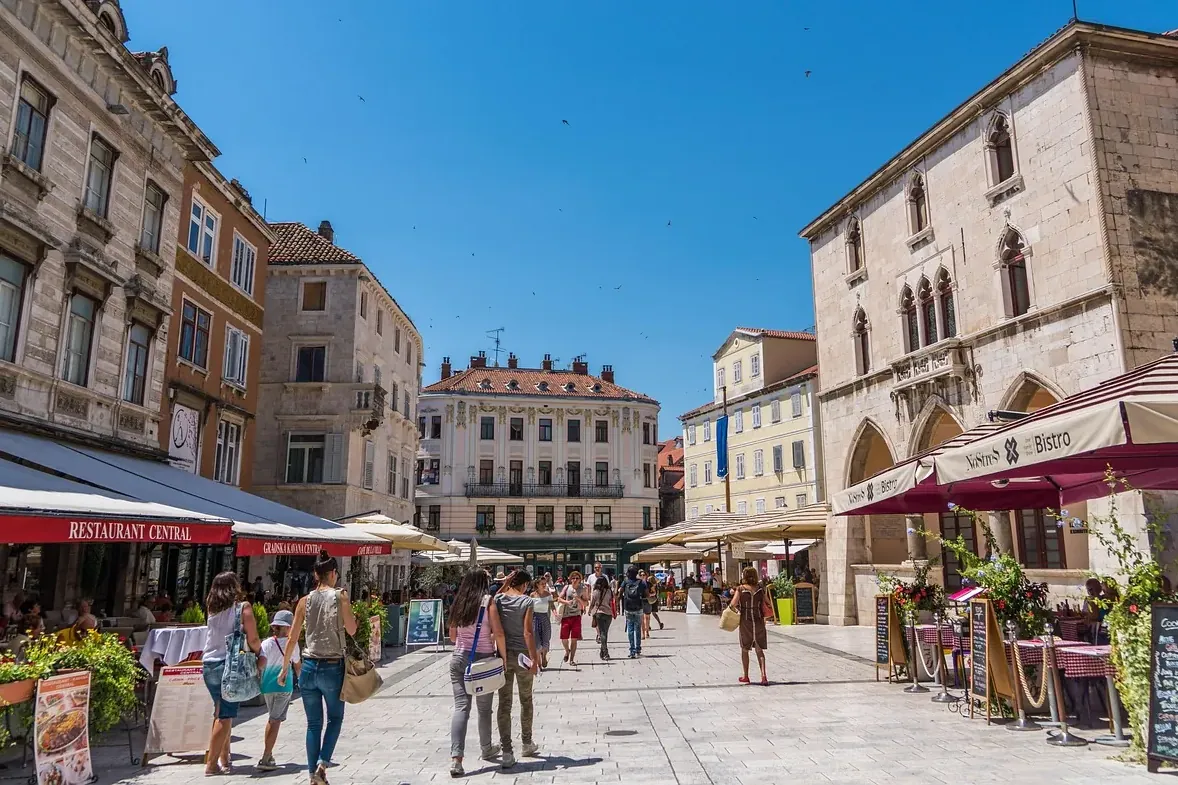
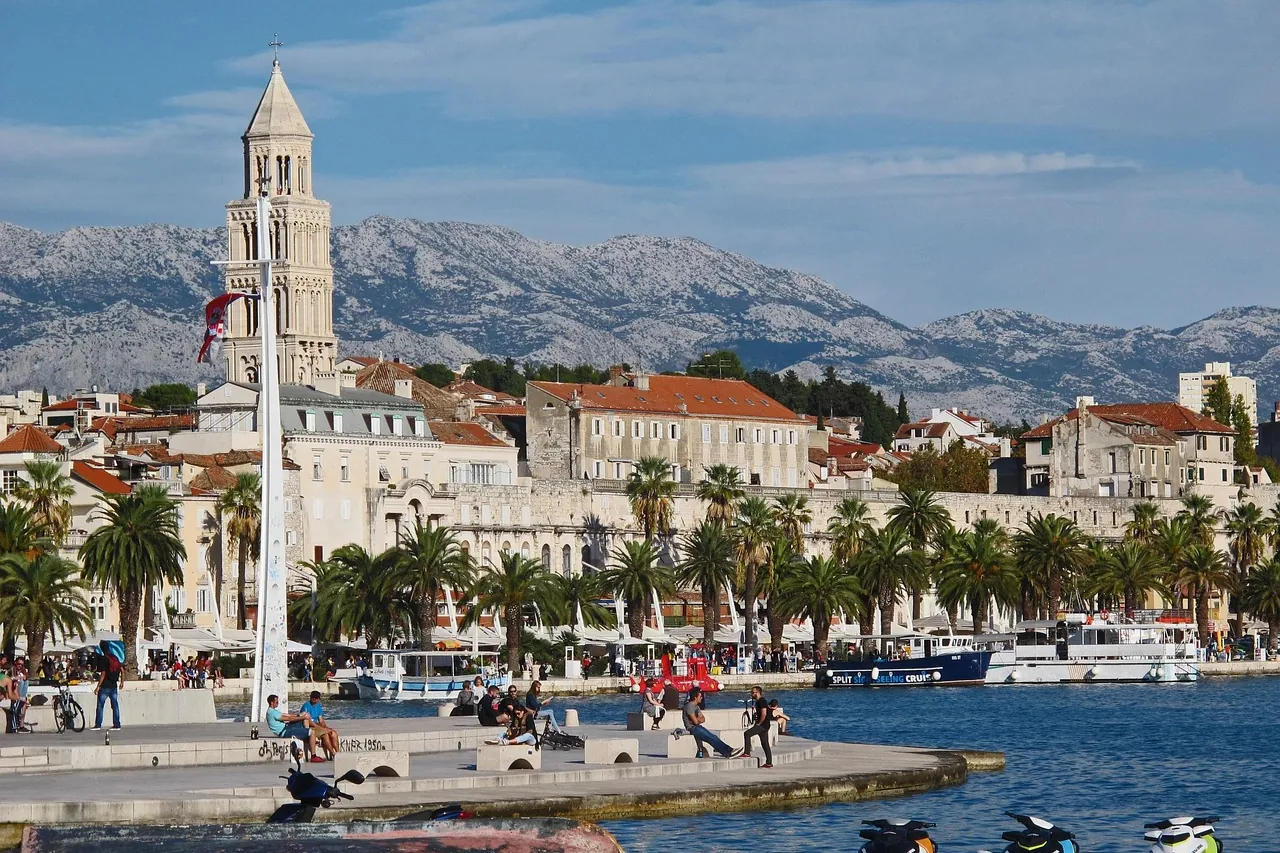
Split is another very good option for a shorter stay, especially if you want more flexibility.
Unlike Dubrovnik, Split functions more as a base than a single attraction. You can combine beaches, ferries, nightlife, day trips and island visits without constantly changing accommodation.
For most people, trying to do both Split and Dubrovnik in less than five days is where the itinerary starts becoming tiring.
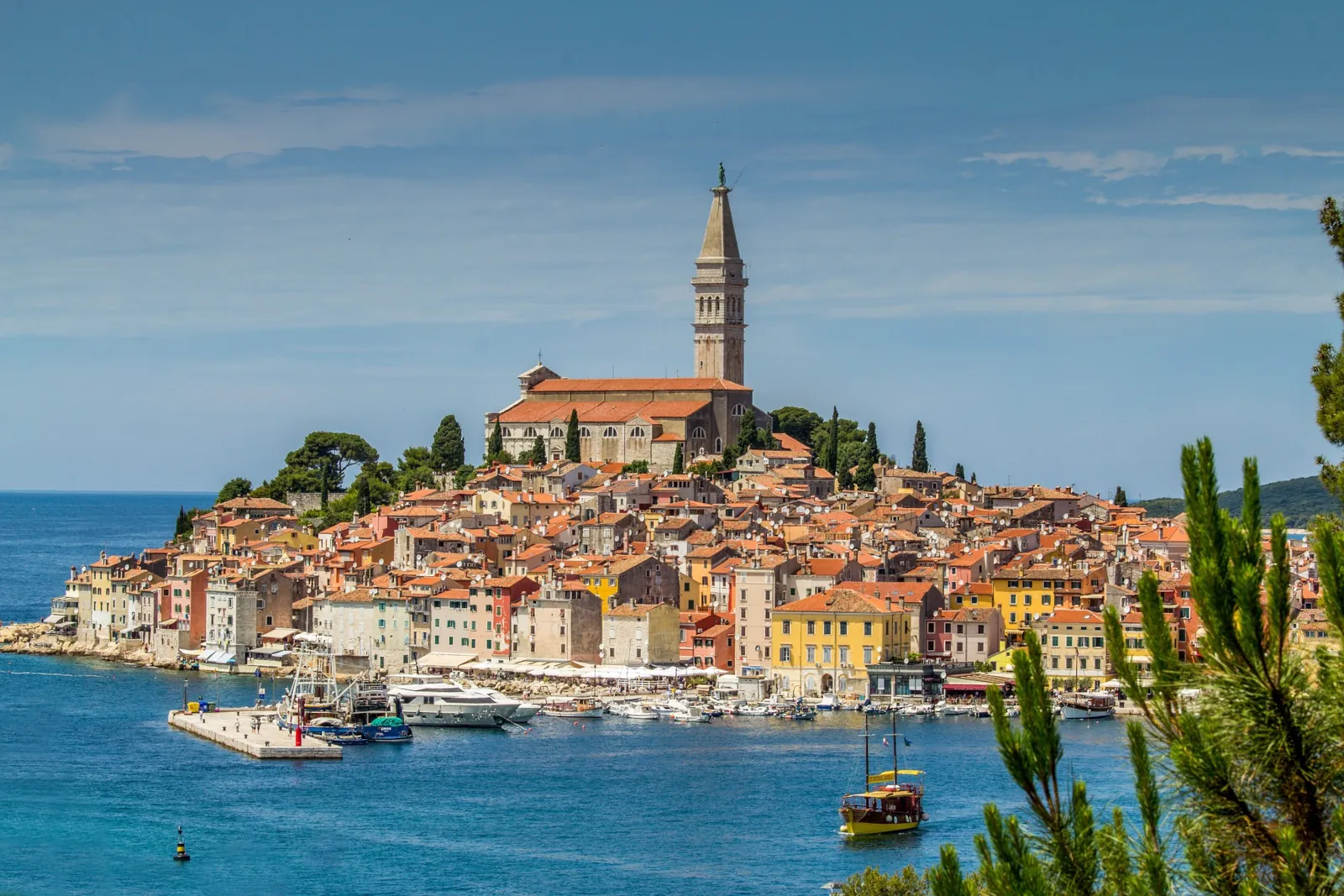
If your trip is focused more on food, wine and smaller coastal towns, Istria also works very well for 3–5 days. Many travellers choose Rovinj or Pula as a base and explore the peninsula more slowly by car.
Zagreb, on the other hand, makes the most sense as a shorter city break or as part of a broader Croatia itinerary, especially if you are arriving or departing from the capital.
Is 7 Days in Croatia Enough?
Seven days is usually enough for a very good first trip to Croatia. But not for the entire country.
This is where many itineraries become unrealistic. People often try to combine Dubrovnik, Split, Hvar, Plitvice Lakes and Zagreb within a single week. Technically possible, yes. Relaxing? Usually not.
The best Croatia itineraries for seven days normally focus on one region or two bases maximum.
One of the simplest and most enjoyable combinations is Split with one island.
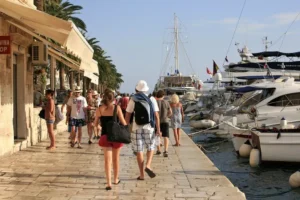
Hvar works well if you want restaurants, nightlife and a more polished atmosphere, while Brač is usually easier for relaxed beach-focused trips.
For first-time visitors, our Split to Hvar transport guide explains the difference between ferries and catamarans, arrival ports and what people often misunderstand when planning island trips from Split.
Another realistic option is Dubrovnik and Split together, but only if you accept that the transfer itself takes time.
This becomes especially important during summer, when roads, buses and ferry ports are much busier than many first-time visitors expect.
If you are still trying to understand how ferries work in Croatia, our Croatia Ferry System guide explains the difference between ferries and catamarans, how tickets work and what travellers often misunderstand when planning island routes.
Another good option for seven days is focusing entirely on Istria. Compared to the Dalmatian coast, distances are shorter and travel between places is much simpler, so it is easier to combine towns like Rovinj, Poreč and Motovun without constantly losing time in transit.
A week in Croatia can also work well as a Zagreb and Istria itinerary, especially outside peak summer, when many travellers prefer city breaks, road trips and slower travel rather than island hopping every few days.
10–14 Days in Croatia
This is when Croatia finally starts feeling spacious rather than rushed. With 10 to 14 days, you can comfortably combine Dubrovnik, Split, one or two islands, Plitvice Lakes and either Zagreb or Istria without constantly packing and unpacking.
This is also when island hopping starts making more sense.
Many people imagine visiting Hvar, Brač and Vis quickly one after another, but every island transfer takes more time than it first appears. Ferry schedules, arriving at ports, accommodation check-ins and waiting times can easily consume large parts of the day.
Vis in particular is often underestimated. It looks close on the map, but works much better as a slower overnight island rather than a rushed stop squeezed into a tight itinerary.
At this point, you also have enough time to see different sides of Croatia in the same trip. Many travellers combine the coast with Zagreb or continue north towards Istria, where the atmosphere feels noticeably different from Dalmatia, with hilltop towns, vineyards and a slower inland pace.
With two weeks in Croatia, you also gain flexibility. That flexibility matters more than people expect because weather, ferries and summer crowds can easily change plans.
If you are still deciding how much Croatia realistically costs, our guide Is Croatia Expensive? breaks down typical prices for accommodation, transport, restaurants and everyday travel expenses.
What most people underestimate
The biggest misunderstanding about Croatia is not distance. It is travel rhythm.
Croatia is not the kind of destination where you constantly move every day without consequences.
The coast is long and fragmented, ferries operate on schedules, and many of the best moments happen when you slow down instead of chasing attractions.
People often plan itineraries where every day is fully organised. Split one day, Hvar the next, Dubrovnik after that, Montenegro immediately afterwards.
In practice, those trips often become exhausting halfway through.
Croatia usually works much better when you leave space for slower dinners, swimming stops, cafés, evening walks and unplanned beach time. That slower Mediterranean rhythm is a large part of why people enjoy Croatia in the first place.
The best way to plan a Croatia trip
If you are planning Croatia for the first time, the simplest advice is this: Choose fewer places.
Most people enjoy Croatia more when they stay longer in each destination, reduce the number of hotel changes and avoid turning islands into rushed day trips.
A good first Croatia trip does not need to “complete” the country. In fact, Croatia usually works best when you leave something for next time.
Couldn’t find the answer you were looking for? Send us a message. Many Croatia Unscripted guides start with reader questions.